

This website uses cookies.
Learn more

Yugra
A northern journey into Khanty-Mansiysk, Archeopark, taiga landscapes, Indigenous heritage and the vast river geography of Western Siberia
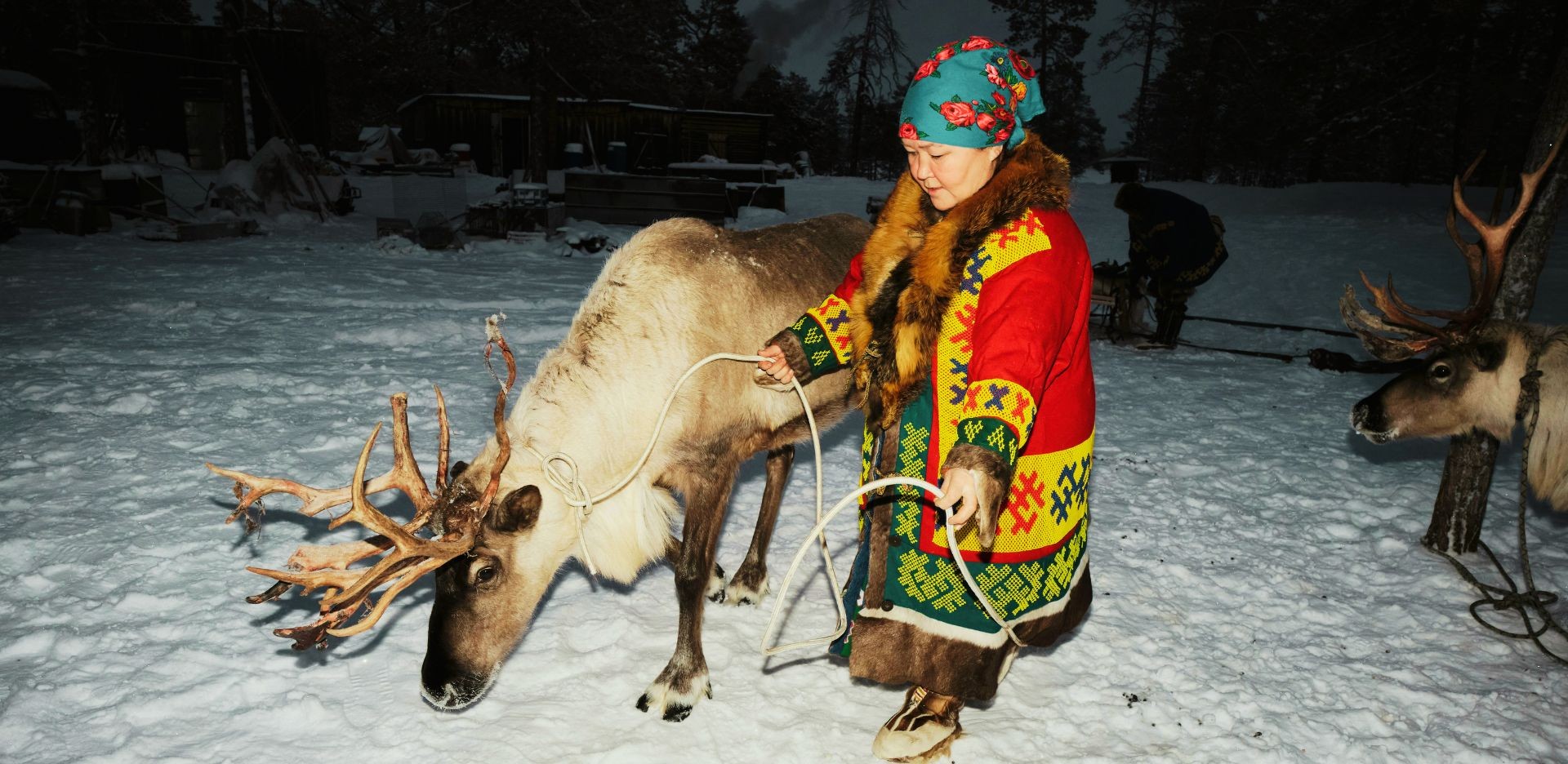
Yugra: Khanty-Mansiysk and Siberian Routes
Yugra, officially the Khanty-Mansi Autonomous Okrug, is one of Russia’s most distinctive northern regions. It is known internationally for oil and gas, but for travelers its value is different: great rivers, taiga landscapes, Indigenous Khanty and Mansi heritage, modern Khanty-Mansiysk, winter sports infrastructure and the unforgettable Archeopark with mammoths on a Siberian hillside. This is not a classic city-break destination. It is a route for people who want to feel Western Siberia — its scale, cold, forests, river culture and surprising modernity.Inspiration & Must-See Places
Khanty-Mansiysk is the best starting point. The city is small for a regional capital, but it feels carefully planned and connected to the landscape. Archeopark is the signature attraction: large bronze sculptures of mammoths and other prehistoric animals stand near the Samarovsky outlier, creating one of the most recognizable images of Yugra. It works in every season, but winter gives it special drama.
Samarovsky Chugas Nature Park is the city’s green heart. Trails, hills and forest make it possible to experience taiga without going far from the center. Add the Museum of Nature and Man to understand the region’s archaeology, natural history and Indigenous cultures. Torum Maa open-air ethnographic museum gives another layer, presenting Khanty and Mansi traditions, dwellings and ways of life in a respectful setting.
If you have more time, expand toward Surgut, river landscapes, oil-region history or northern nature routes. Yugra’s main attraction is not one monument; it is the feeling of distance and scale around the Ob and Irtysh river systems.
3/5/7-Day Routes
- 3 days: spend day one in central Khanty-Mansiysk, museums and city viewpoints. Use day two for Archeopark and Samarovsky Chugas. On day three, visit Torum Maa and leave time for a slow walk or winter-sport-related site depending on season.
- 5 days: add a river-focused excursion, more museum time and a day trip to nearby natural or cultural points. This version allows travelers to connect city, forest and Indigenous heritage without rushing.
- 7 days: build a wider Yugra route with Khanty-Mansiysk, Surgut or another major town, river landscapes, oil-region history and nature parks. A week gives a better sense of why Yugra is both modern and ancient: a high-tech resource region standing on deep northern traditions.
Hidden Gems & Local Experience
The hidden experience in Yugra is the northern atmosphere itself. Walk in the cold if you visit in winter; the air, light and silence are part of the destination. Visit local museums slowly, because labels about archaeology, animals, river life and Indigenous culture explain the region better than a quick sightseeing list. If possible, try local fish dishes and ask about seasonal life: how people travel, celebrate, fish, hunt, ski and adapt to long winters. Yugra becomes memorable when you stop comparing it with central Russia. The article should also encourage travelers to accept the slower tempo of the north: fewer spontaneous detours, more attention to weather, and more respect for local knowledge. In Yugra, planning is not bureaucracy; it is part of the experience.
Culture, Food & Traditions
Khanty and Mansi heritage is central to Yugra’s identity, and it should be approached with respect. Traditional culture is connected with rivers, forests, reindeer, fishing, hunting, spirituality and seasonal movement. Food often reflects the north: fish, berries, mushrooms, game, hearty soups and warming dishes. Khanty-Mansiysk also has modern cafés and restaurants, so the route can combine ethnographic learning with comfortable city services. The contrast between ancient mammoth imagery, Indigenous heritage and modern oil-region infrastructure is what makes Yugra unique.
Planning Your Trip
Yugra requires more preparation than many European-Russia routes. Check flight schedules, weather and daylight conditions. Winter can be extremely cold, but also visually spectacular; summer brings rivers, green forests and mosquitoes in some areas. Regional distances are large, so do not overload the itinerary. Book transfers and guides early if you plan to go beyond Khanty-Mansiysk.
A Ready4Ru Russian bank card is useful for domestic bookings, cafés, taxis, local services and online payments inside Russia. For a northern route with winter weather, flights, transfers or outdoor excursions, travel insurance for Russia is not optional in practical terms; it is part of responsible planning. Yugra is rewarding, but it asks travelers to respect distance and climate.
Yugra’s uniqueness is the meeting of deep time and modern northern life. Mammoths, Indigenous heritage, taiga, oil wealth, winter sport and planned urban space exist side by side. This contrast is rare and visually strong. A traveler can spend the morning in a museum learning about ancient cultures, walk among mammoth sculptures in the afternoon and dine in a modern Siberian city in the evening. Yugra is not “remote” in a simple way; it is complex, rich and northern.
Best Season & Travel Style
Yugra has two very different travel personalities. Winter is the most iconic: snow, cold, mammoths, biathlon atmosphere and northern light. Summer is greener and easier for walking, river views and nature routes, though insects and distances should be considered. This region suits experienced travelers, photographers and visitors who are curious about Siberia beyond clichés. It is not the easiest destination, but it gives a rare reward: a sense of scale that central Russian routes cannot reproduce.
Yugra is one of Russia’s most unusual routes for international visitors. It offers mammoth sculptures, taiga paths, Indigenous heritage, northern food, modern Khanty-Mansiysk and the vastness of Western Siberia. For Ready4Ru readers, it is a destination for travelers who want to go beyond the familiar and experience Russia as a northern, river-based, culturally layered country.
Other articles
Chechnya
The Chechen Republic is one of the most visually contrasting regions in the North Caucasus: a modern capital, major mosques, mountain roads, high lakes, and fast shifts from city scale to highland silence. For travelers, it offers a route shaped by contrast and surprise
Stavropol Krai
Stavropol Krai works differently fr om the higher mountain republics: it is about rhythm, resort culture, long promenades, mineral springs, and the soft edge wh ere spa towns meet the Caucasus. For travelers, it offers one of southern Russia’s most polished and accessible regional escapes
North Ossetia–Alania
North Ossetia–Alania is one of the most complete travel regions in the North Caucasus, combining a charismatic city, famous gorges, strong mountain roads, and places that carry real historical weight. For travelers, it is a route with both scenery and story
Ingushetia
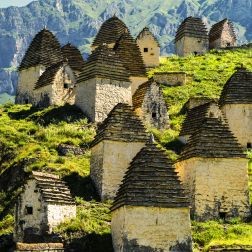
Ingushetia is one of the North Caucasus’ quietest and most distinctive regions, known for mountain tower complexes, narrow valleys, and a remarkable sense of stillness. For travelers, it offers a route built less on spectacle alone and more on atmosphere, history, and mountain memory
Karachay-Cherkess Republic
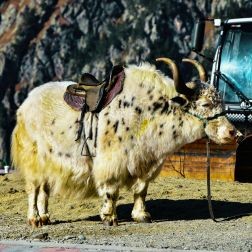
Karachay-Cherkessia is one of the most rewarding mountain regions for travelers who want both scenery and flexibility. With Dombay, Arkhyz, and Teberda in one region, it offers a route that can feel adventurous, restorative, and surprisingly varied within just a few days
Kabardino-Balkaria
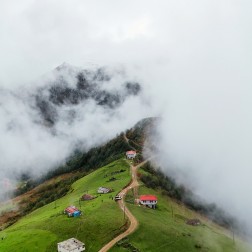
Kabardino-Balkaria is one of the Caucasus regions that instantly delivers scale: snowy summits, narrow gorges, waterfalls, and roads that feel dramatic from the first hour. For travelers, it works as both a classic Elbrus destination and a broader mountain route full of depth and atmosphere
Yamal
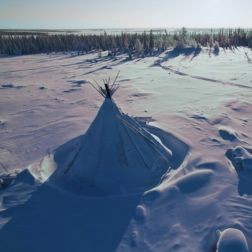
Yamal is Russia’s Arctic Circle story: Salekhard, Nenets reindeer culture, mammoth history, tundra and winter festivals
Komi
Komi is for travelers who want deep northern nature: Syktyvkar, Finno-Ugric culture, virgin forests and Manpupuner