

This website uses cookies.
Learn more

Kabardino-Balkaria: Elbrus & Mountain Routes
Kabardino-Balkaria is a Caucasus journey shaped by height, contrast, and real mountain drama. From Elbrus and the Chegem gorge to Blue Lakes and old Balkar villages, it offers one of the strongest nature-led routes in southern Russia
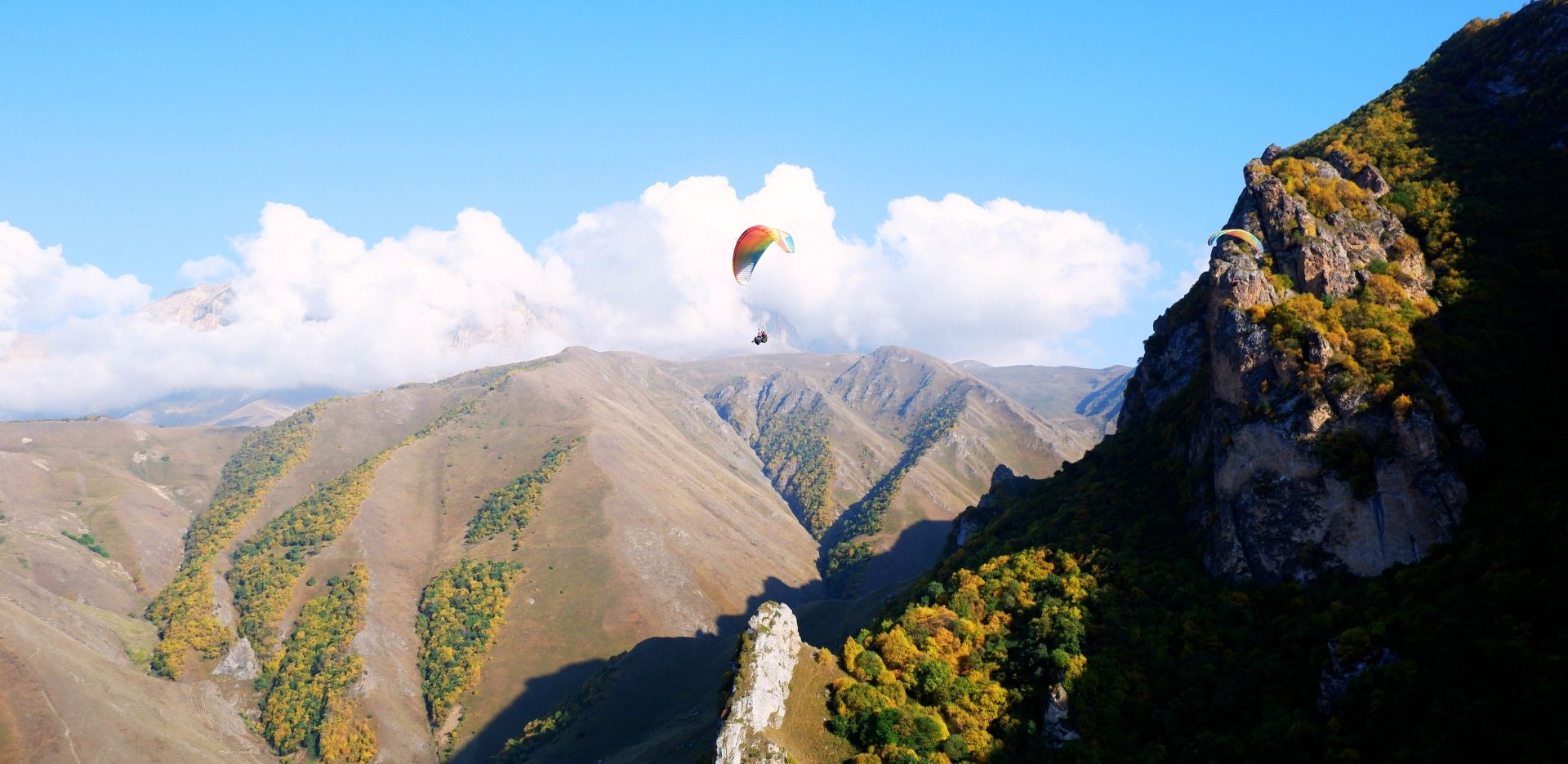
Kabardino-Balkarian Republic: Elbrus, Gorges, Waterfalls and a Stronger Mountain Route
Inspiration and must-see places
Some mountain regions are famous because of one great landmark. Kabardino-Balkaria is stronger than that. Yes, it has Elbrus, the peak that defines the map of the Caucasus for many travelers, but the real power of the region lies in how many different mountain moods fit into one trip. Wide alpine valleys, dark gorges, bright rivers, karst lakes, waterfalls, cable cars, village roads, and abrupt changes of light all sit close enough together to make even a short route feel rich.
The most iconic place, naturally, is the Elbrus area. Travelers come here for the mountain itself, for the cableway views, for snow even outside deep winter, and for the feeling that the landscape is suddenly operating on a larger scale. This is not only a ski or hiking destination. It is also one of the easiest ways to step into a truly high-mountain atmosphere without turning the trip into a remote expedition. The Baksan Valley approach adds to the drama: the road narrows, the mountains rise, and the sense of arrival becomes part of the experience.
The second must-see route is Chegem. The gorge is one of those places that feels cinematic almost immediately. Steep walls, river cuts, hanging waterfalls, and broad viewpoints create an itinerary that works even for travelers who are not planning demanding trekking days. It is visually powerful and easy to understand: you do not need specialist knowledge to feel why the landscape matters. In shoulder season, the area can look especially striking, with soft light, fewer people, and a stronger sense of open space.
Another major highlight is the Blue Lakes area, often included in regional routes because it offers a completely different mood fr om the higher valleys. The water, the karst formations, and the compact road logic make it a strong stop for travelers who want variety inside the same region. Instead of one more peak, you get stillness, unusual color, and a quieter visual rhythm. That contrast is one of the reasons Kabardino-Balkaria works so well as a multi-day trip: it never feels visually flat.
Nalchik, the regional capital, should not be treated only as a transit point. It gives the route balance. After mountain roads and long viewpoints, the city adds a calmer urban layer with parks, local food, and a sense of how the republic lives beyond its best-known natural icons. For travelers planning a comfortable itinerary, Nalchik often works well as the practical anchor.
Hidden gems and local experience
Kabardino-Balkaria becomes much stronger once you move beyond the obvious checklist. Small Balkar settlements, side valleys, quiet roadside lookouts, and less-photographed stretches of mountain road give the region its real depth. Travelers often remember not only the headline attractions but the in-between moments: tea with a mountain view, low clouds moving through a valley, a stop by a river, or the sudden appearance of a village tower against a rock face.
What also makes the region memorable is cultural texture. The Balkar and Kabardian layers of local identity are not background decoration; they shape how the journey feels. Even when the trip is mostly visual, the names of places, the food, the hospitality, and the rhythm of settlement all remind you that this is not generic mountain scenery. It is a living region with its own logic and memory.
Culture, food and atmosphere
Food here fits the landscape: hearty, warm, and closely tied to local tradition. Travelers usually remember khychin, grilled meat, soups, dairy flavors, and the broader North Caucasus table that feels designed for long days outdoors. In practical travel writing, food matters because it helps a destination feel inhabited rather than merely scenic. Kabardino-Balkaria benefits from that strongly.
Atmosphere is another major advantage. Some mountain regions feel beautiful but interchangeable. This one does not. The combination of Elbrus-scale panoramas, gorge routes, lakes, and local culture gives the republic a profile that feels distinct from its neighbors.
Planning Your Trip
For international travelers, Kabardino-Balkaria works best with a route that balances ambition and comfort. The region is rewarding, but distances, weather shifts, and mountain logistics still matter. It is smart to arrange everyday trip essentials in advance, including a practical payment solution for Russia through the Ready4RuMIR bank card service before departure, and set up travel insurance for Russia through Ready4Ru. This makes the route smoother and helps travelers focus on transport, weather, and local timing instead of last-minute practical issues.
Suggested Itineraries: 3, 5, and 7 Days
- A three-day trip should focus on Nalchik plus one core mountain direction, usually Elbrus or Chegem. That keeps the route visually strong and manageable.
- A five-day trip lets you combine Elbrus, Chegem, and the Blue Lakes with a calmer urban base and more time for roadside stops.
- A seven-day journey gives the region room to breathe: one full high-mountain segment, one gorge-and-waterfall segment, quieter village landscapes, and a more complete sense of how varied Kabardino-Balkaria really is.
Why This Region Works for Ready4Ru Readers
The republic is especially good for readers who want a mountain destination with a clear headline but enough variation to justify a full journey. Elbrus gives the article search strength, but the region’s true value comes from how naturally the surrounding lakes, valleys, roads, and village landscapes extend that promise. For Ready4Ru, this means Kabardino-Balkaria is not only a famous-name article; it is a durable planning resource for travelers comparing several Caucasus regions and deciding wh ere scale, access, and variety align best.
Other articles
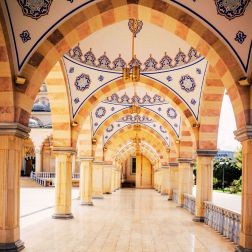
Chechnya
The Chechen Republic is one of the most visually contrasting regions in the North Caucasus: a modern capital, major mosques, mountain roads, high lakes, and fast shifts from city scale to highland silence. For travelers, it offers a route shaped by contrast and surprise
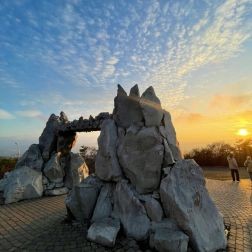
Stavropol Krai
Stavropol Krai works differently fr om the higher mountain republics: it is about rhythm, resort culture, long promenades, mineral springs, and the soft edge wh ere spa towns meet the Caucasus. For travelers, it offers one of southern Russia’s most polished and accessible regional escapes
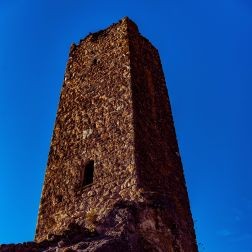
North Ossetia–Alania
North Ossetia–Alania is one of the most complete travel regions in the North Caucasus, combining a charismatic city, famous gorges, strong mountain roads, and places that carry real historical weight. For travelers, it is a route with both scenery and story
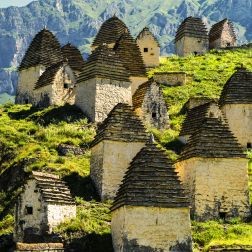
Ingushetia
Ingushetia is one of the North Caucasus’ quietest and most distinctive regions, known for mountain tower complexes, narrow valleys, and a remarkable sense of stillness. For travelers, it offers a route built less on spectacle alone and more on atmosphere, history, and mountain memory
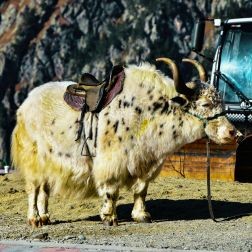
Karachay-Cherkess Republic
Karachay-Cherkessia is one of the most rewarding mountain regions for travelers who want both scenery and flexibility. With Dombay, Arkhyz, and Teberda in one region, it offers a route that can feel adventurous, restorative, and surprisingly varied within just a few days
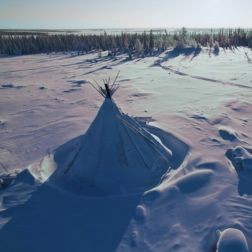
Yamal
Yamal is Russia’s Arctic Circle story: Salekhard, Nenets reindeer culture, mammoth history, tundra and winter festivals
Komi
Komi is for travelers who want deep northern nature: Syktyvkar, Finno-Ugric culture, virgin forests and Manpupuner
Karelia
Karelia is Russia’s lake country: Kizhi, Valaam, Ruskeala, forests, waterfalls and routes full of northern calm