

This website uses cookies.
Learn more

Komi: Ural Mountains, Taiga & Untamed Northern Russia
The Komi Republic is a deep northern destination of vast forests, Ural mountain routes, ancient villages and powerful wilderness — a region for travelers who want Russia at its most spacious, remote and authentic
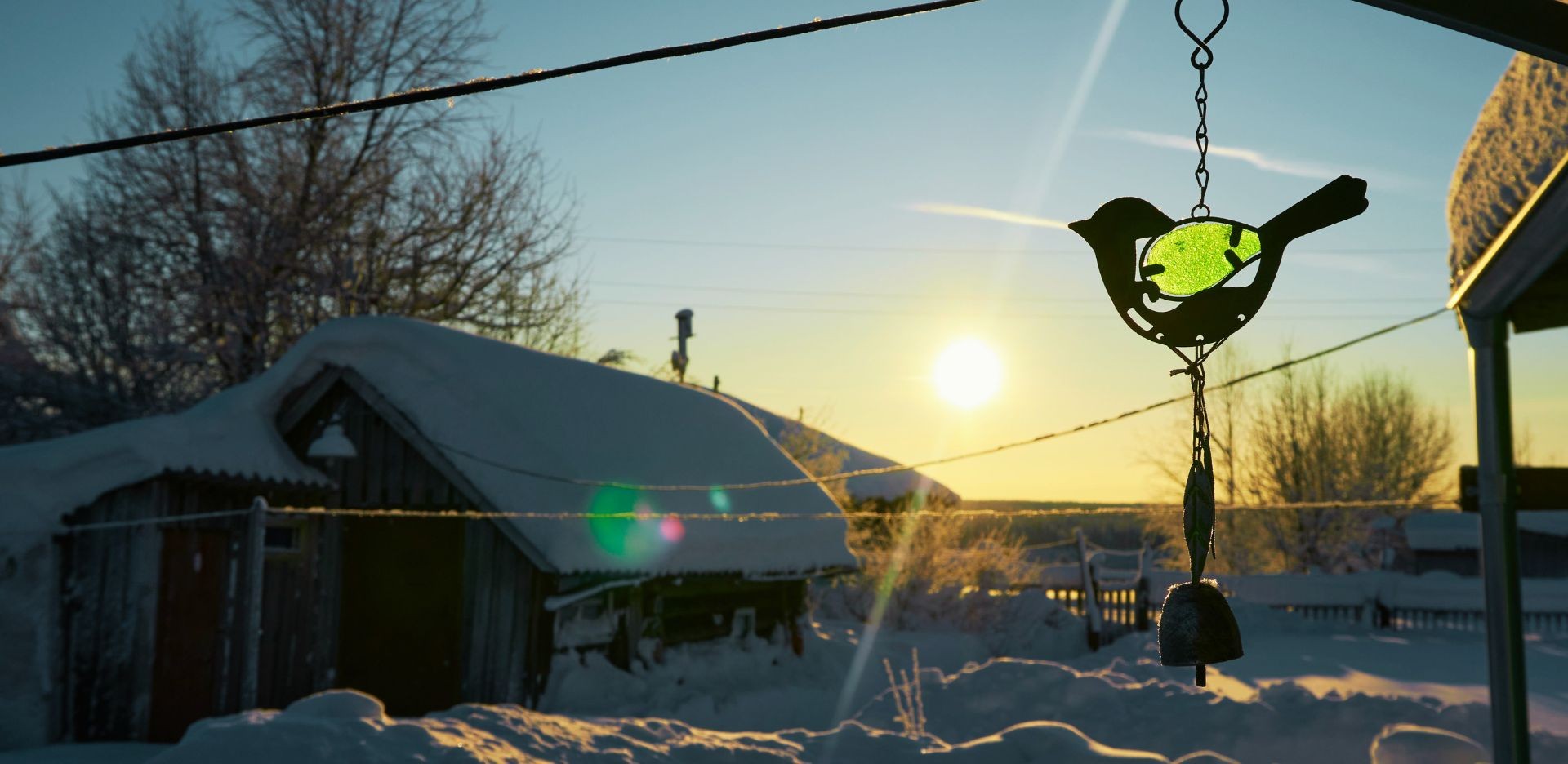
Komi Republic: Virgin Forests, Finno-Ugric Culture and the Road to Manpupuner
The Komi Republic is one of Russia’s most underrated northern regions. It is not a simple weekend postcard. Its strength is depth: Finno-Ugric culture, taiga, rivers, old settlements, the Ural Mountains, protected forests and some of the hardest-to-reach natural wonders in European Russia. For Ready4Ru content, Komi should be positioned as a destination for experienced travelers who want meaning, scale and wilderness rather than easy sightseeing.
Syktyvkar and cultural starting point
Syktyvkar is the logical entry point. It is the capital of the republic, located on the Sysola and Vychegda rivers, with museums, theaters, cultural centers, parks and a walkable core. The city introduces Komi identity through language, art, local history and small urban details: the monument to the Komi hunting calendar, the letter Ö, wooden houses and the mixture of old Ust-Sysolsk memory with modern northern life. It is worth at least one full day before going farther.
Yb and Finno-Ugric heritage
The village of Yb and the Finno-Ugric ethnocultural park give travelers a clearer cultural frame. Here the route can explain Komi traditions, crafts, mythology, food and the wider Finno-Ugric world. This is important because many visitors know Komi only for Manpupuner, while the republic’s identity is much broader. A good article should balance nature with culture: without the people, the forest becomes just scenery.
Virgin Komi Forests and the Urals
The natural scale of Komi is enormous. Virgin Komi Forests are among Europe’s greatest untouched boreal landscapes and are connected with Yugyd Va National Park and Pechora-Ilych Nature Reserve. The official tourist portal highlights vast forest coverage, lakes, mountain peaks and protected areas. This is a region where routes may require permits, guides and serious timing. It is not a place for spontaneous off-road experiments.
Manpupuner and advanced routes
Manpupuner, the weathered stone pillars, is the legendary attraction. But it should never be sold as an easy day trip. Depending on route and season, reaching it can require helicopter logistics, long approaches, boats, trekking or winter transport. That difficulty is part of the value. The pillars are not only a geological sight; they are a symbol of remote northern power, surrounded by myths and strict protected-area rules.
3 / 5 / 7-day routes
- 3 days: focus on Syktyvkar, museums, the river embankment, local food and the Yb ethnocultural park.
- 5 days: add Ust-Vym, local villages or a soft nature route with an operator.
- 7 days: plan a stronger route toward Ukhta, Pechora, Vorkuta history or the first stage of a nature expedition. Manpupuner usually needs more than a simple 7-day casual itinerary unless helicopter access and permits are arranged in advance.
Planning your trip
Komi is best planned with a realistic map. Distances are long, weather matters and remote areas have limited services. Syktyvkar is reachable by air and rail; farther routes may require trains, local transfers and specialized operators. Travelers should check protected-area rules, seasonal access, safety requirements and equipment lists. Winter can be beautiful but demanding; summer offers more nature access but also insects, mud and river logistics.
Useful Ready4Ru links for travelers: Apply for a Russian bank card, top up a Russian bank card, and arrange travel insurance.
Komi is not a polished travel product. It is a vast northern world with its own language, forests, myths and routes. Travelers who respect its scale will find one of the deepest and most unusual experiences in European Russia.
Best time to visit
Komi should be planned by route difficulty. Syktyvkar and Yb can work in most seasons, while deeper forest and mountain routes depend on access, permits, weather and equipment. Summer gives rivers, trekking and long daylight, but also insects and remote logistics. Winter can open snow routes but requires serious cold-weather preparation. The article should avoid suggesting one universal best month. Instead, it should teach readers that Komi is a region of layers: city culture first, soft nature second, expedition routes only after planning.
What makes it different
Komi differs because it is not a classic sightseeing region; it is a serious northern landscape with cultural depth. The page should attract travelers who are ready to read, prepare and respect distance. Syktyvkar and Yb provide accessible entry, while Virgin Komi Forests and Manpupuner provide the dream image. SEO should use Komi travel guide, Syktyvkar, Manpupuner, Virgin Komi Forests, Yugyd Va and Finno-Ugric culture. The tone should be expert and grounded, because overpromising ease would weaken trust.
Other articles
Chechnya
The Chechen Republic is one of the most visually contrasting regions in the North Caucasus: a modern capital, major mosques, mountain roads, high lakes, and fast shifts from city scale to highland silence. For travelers, it offers a route shaped by contrast and surprise
Stavropol Krai
Stavropol Krai works differently fr om the higher mountain republics: it is about rhythm, resort culture, long promenades, mineral springs, and the soft edge wh ere spa towns meet the Caucasus. For travelers, it offers one of southern Russia’s most polished and accessible regional escapes
North Ossetia–Alania
North Ossetia–Alania is one of the most complete travel regions in the North Caucasus, combining a charismatic city, famous gorges, strong mountain roads, and places that carry real historical weight. For travelers, it is a route with both scenery and story
Ingushetia
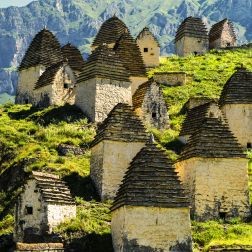
Ingushetia is one of the North Caucasus’ quietest and most distinctive regions, known for mountain tower complexes, narrow valleys, and a remarkable sense of stillness. For travelers, it offers a route built less on spectacle alone and more on atmosphere, history, and mountain memory
Karachay-Cherkess Republic
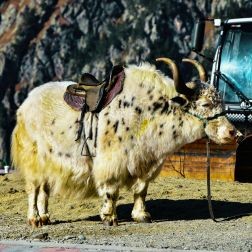
Karachay-Cherkessia is one of the most rewarding mountain regions for travelers who want both scenery and flexibility. With Dombay, Arkhyz, and Teberda in one region, it offers a route that can feel adventurous, restorative, and surprisingly varied within just a few days
Kabardino-Balkaria
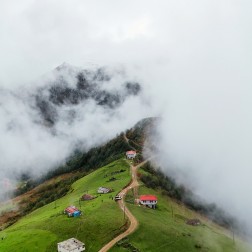
Kabardino-Balkaria is one of the Caucasus regions that instantly delivers scale: snowy summits, narrow gorges, waterfalls, and roads that feel dramatic from the first hour. For travelers, it works as both a classic Elbrus destination and a broader mountain route full of depth and atmosphere
Yamal
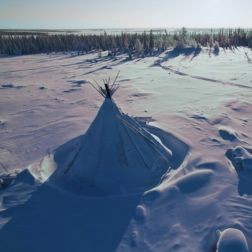
Yamal is Russia’s Arctic Circle story: Salekhard, Nenets reindeer culture, mammoth history, tundra and winter festivals
Karelia
Karelia is Russia’s lake country: Kizhi, Valaam, Ruskeala, forests, waterfalls and routes full of northern calm