

This website uses cookies.
Learn more

Yekaterinburg: Russia’s Ural Capital of History
Yekaterinburg is the capital of the Urals and one of the most interesting cities to visit in Russia, combining historic landmarks, riverside walks, modern architecture, and a unique Europe-Asia identity. For international travelers, it is a smart, compact, and atmospheric destination
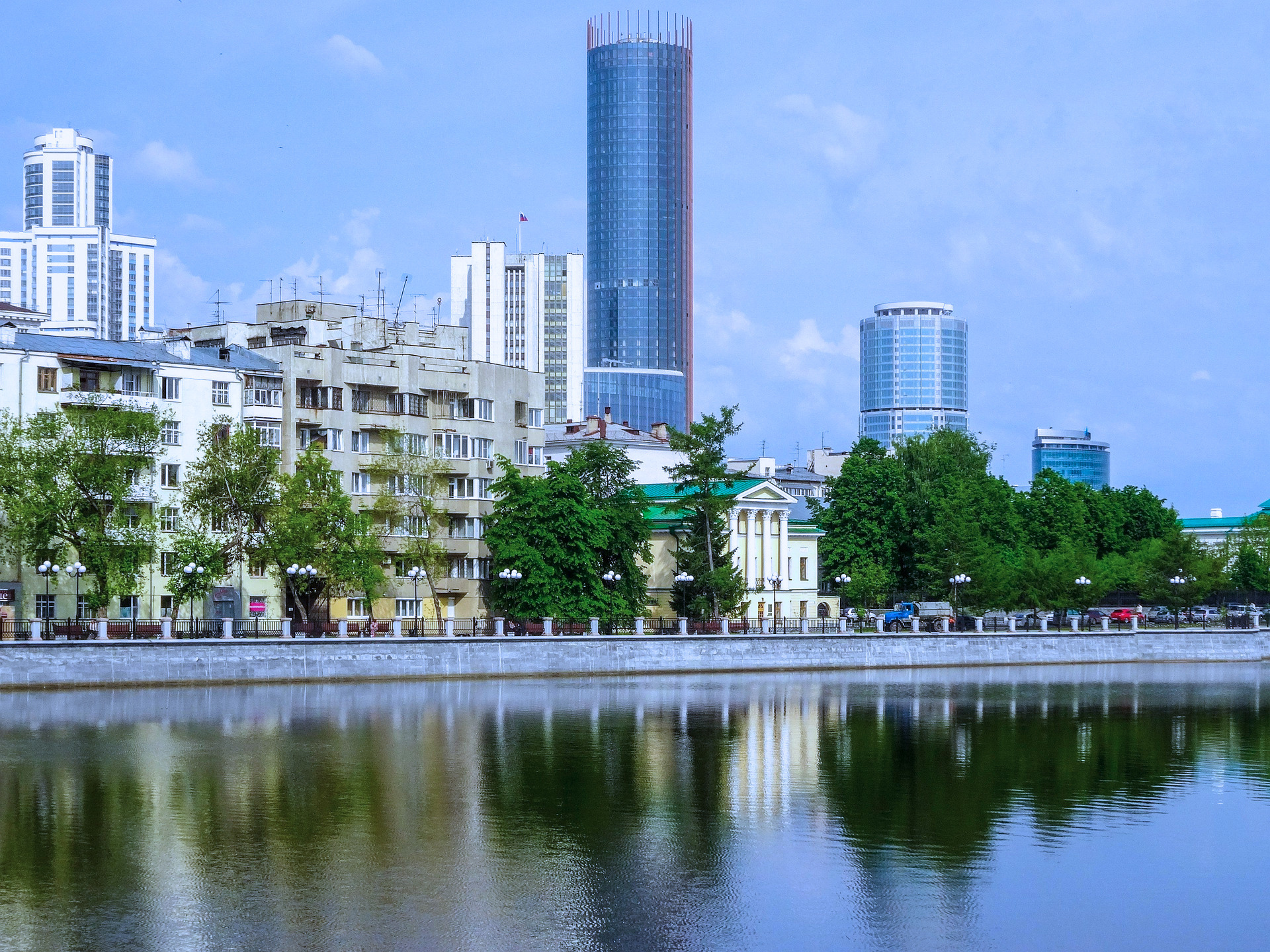
Some Russian cities unfold through imperial scale. Others through scenery alone. Yekaterinburg works differently: it feels like a hinge. Here Europe and Asia meet, old merchant mansions stand beside glass towers, and industrial memory turns into one of the country’s most unusual urban atmospheres.
The national travel portal describes Yekaterinburg as the capital of the Urals and a city made for unconventional journeys. That description fits. This is a place where you can walk the historic center in the morning, take in the skyline fr om a modern observation deck by afternoon, and end the day with a sense that the city is both deeply Russian and unmistakably its own.
For Ready4Ru readers, Yekaterinburg is especially strong as a smart city break. It has clear icons, meaningful history, a compact center, and several memorable half-day escapes that make it feel larger than a standard weekend destination.
Inspiration and Landmarks: must-see places in Yekaterinburg
Plotinka and Historical Square
Plotinka is the emotional center of the city. The embankment and historic square along the Iset River feel like the point wh ere Yekaterinburg’s industrial origin, public life, and easy walking rhythm come together. It is the kind of place that immediately gives a traveler geographic confidence.
Sevastyanov’s House
Few buildings in Russia are as photogenic as Sevastyanov’s House. Discover Russia describes it as a symbol of Yekaterinburg, and that feels exact. The mansion looks theatrical, ornate, and slightly unreal — a perfect visual contrast to the city’s harder industrial reputation.
Church on the Blood
Church on the Blood gives Yekaterinburg one of its most powerful historic layers. Travel resources consistently present it as one of the city’s defining landmarks because it stands on the site associated with the final days of the Romanov family. Even travelers who do not usually build trips around churches tend to remember this stop.
Vysotsky Observation Deck
If you want the city to make visual sense, go up high. The Vysotsky tower observation deck sits on the 52nd floor and opens a full panorama over the center, the river, and the modern skyline. It is the best way to understand how the city stretches between history, industry, and contemporary ambition.
Yeltsin Center
The Yeltsin Center adds a distinctly modern cultural layer. The official center presents itself as a social, cultural, and educational complex, and for visitors it works as both a museum experience and a reminder that Yekaterinburg is not frozen in the past. It is a city of debate, memory, and movement.
The Red Line Route
One of the smartest local ideas is the Red Line — a tourist route drawn directly on the asphalt through the center. The official city guide describes it as a 5.5-kilometer walking route around the historical core. That makes Yekaterinburg unusually friendly for travelers who prefer to discover a city on foot rather than by checklist.
Hidden gems and local experience
Europe–Asia Border Marker
Not every city can offer a symbolic step between continents. Yekaterinburg can. A short trip to the Europe–Asia border marker is one of the city’s signature experiences, not because the monument itself is complex, but because the idea is instantly memorable. It gives the whole destination a geographic drama that very few urban trips can match.
Ganina Yama
Ganina Yama changes the mood completely. Surrounded by forest, the monastery complex feels quieter, more reflective, and more spacious than the city center. Local excursion pages describe it as a picturesque complex of seven wooden churches, and it is one of the best half-day trips for travelers who want history, landscape, and silence in one place.
Vaynera Street and the local rhythm
For a lighter local experience, Vaynera Street works well. Discover Russia describes it as the city’s main pedestrian street — a place to stroll, shop, or settle into a café. It is useful not because it is grand, but because it shows how Yekaterinburg lives when it is not performing for postcards.
Logical itineraries for 3, 5, and 7 days
Yekaterinburg in 3 days
-
Day 1: Plotinka, Sevastyanov’s House, the Red Line, and a slow walk through the historic center.
- Day 2: Church on the Blood, Vysotsky Observation Deck, and the Yeltsin Center.
- Day 3: Vaynera Street, cafés, museums, and an evening city view.
This version is ideal for first-time visitors because it combines the city’s strongest landmarks, its key historical layer, and its most walkable urban experience.
Yekaterinburg in 5 days
- Days 1–3: follow the core city route.
- Day 4: take a half-day trip to the Europe–Asia border marker.
- Day 5: visit Ganina Yama or spend a slower cultural day around the center.
With five days, Yekaterinburg starts to feel broader and more personal. You move beyond landmarks and begin to see the city as a gateway to the wider Ural region.
Yekaterinburg in 7 days
- Days 1–5: combine the city center with the main half-day excursions.
- Day 6: plan a nature-focused day outside the city.
- Day 7: head to Deer Streams Nature Park or another Ural landscape route.
A full week allows the city to function not only as a destination in its own right, but also as a base for deeper Ural travel — history one day, forest and river scenery the next.
Practical value for Ready4Ru readers
For foreign travelers, Yekaterinburg works best when logistics are settled before arrival. Arrange a bank card for travel in Russia in advance and pair it with travel insurance for Russia. That keeps the trip practical as well as inspiring — especially if you plan museum visits, train travel, or regional excursions beyond the center.
Yekaterinburg does not try to charm through one single image. Its power comes fr om contrast: merchant elegance beside modern skylines, sacred memory beside industrial confidence, a compact center beside the mythic idea of two continents meeting.
That is why the city stays with people. Not only as a list of sights, but as a feeling of transition — a place wh ere Russia opens toward the Urals and becomes larger, stranger, and more interesting.
Other articles
Chechnya
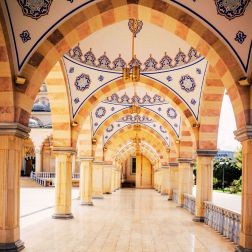
The Chechen Republic is one of the most visually contrasting regions in the North Caucasus: a modern capital, major mosques, mountain roads, high lakes, and fast shifts from city scale to highland silence. For travelers, it offers a route shaped by contrast and surprise
Stavropol Krai
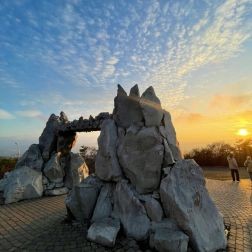
Stavropol Krai works differently fr om the higher mountain republics: it is about rhythm, resort culture, long promenades, mineral springs, and the soft edge wh ere spa towns meet the Caucasus. For travelers, it offers one of southern Russia’s most polished and accessible regional escapes
North Ossetia–Alania
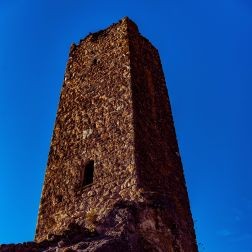
North Ossetia–Alania is one of the most complete travel regions in the North Caucasus, combining a charismatic city, famous gorges, strong mountain roads, and places that carry real historical weight. For travelers, it is a route with both scenery and story
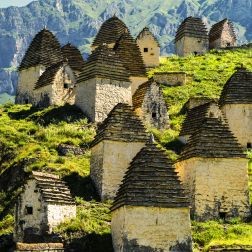
Ingushetia
Ingushetia is one of the North Caucasus’ quietest and most distinctive regions, known for mountain tower complexes, narrow valleys, and a remarkable sense of stillness. For travelers, it offers a route built less on spectacle alone and more on atmosphere, history, and mountain memory
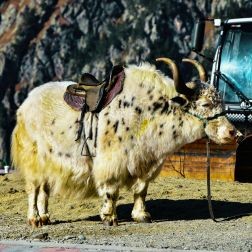
Karachay-Cherkess Republic
Karachay-Cherkessia is one of the most rewarding mountain regions for travelers who want both scenery and flexibility. With Dombay, Arkhyz, and Teberda in one region, it offers a route that can feel adventurous, restorative, and surprisingly varied within just a few days
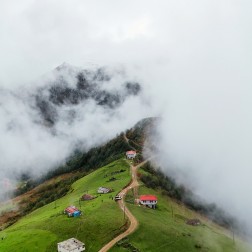
Kabardino-Balkaria
Kabardino-Balkaria is one of the Caucasus regions that instantly delivers scale: snowy summits, narrow gorges, waterfalls, and roads that feel dramatic from the first hour. For travelers, it works as both a classic Elbrus destination and a broader mountain route full of depth and atmosphere
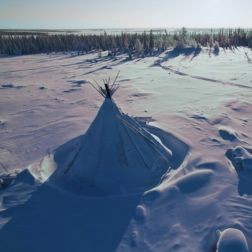
Yamal
Yamal is Russia’s Arctic Circle story: Salekhard, Nenets reindeer culture, mammoth history, tundra and winter festivals

Komi
Komi is for travelers who want deep northern nature: Syktyvkar, Finno-Ugric culture, virgin forests and Manpupuner