

This website uses cookies.
Learn more

Yaroslavl: Russia’s Great Historic River City
Yaroslavl combines river panoramas, 17th-century churches, a UNESCO-listed historic center, and easy regional extensions into one of Russia’s most rewarding cultural city breaks. For international travelers, it offers heritage, atmosphere, and practical travel routes without the scale and pressure of the largest cities
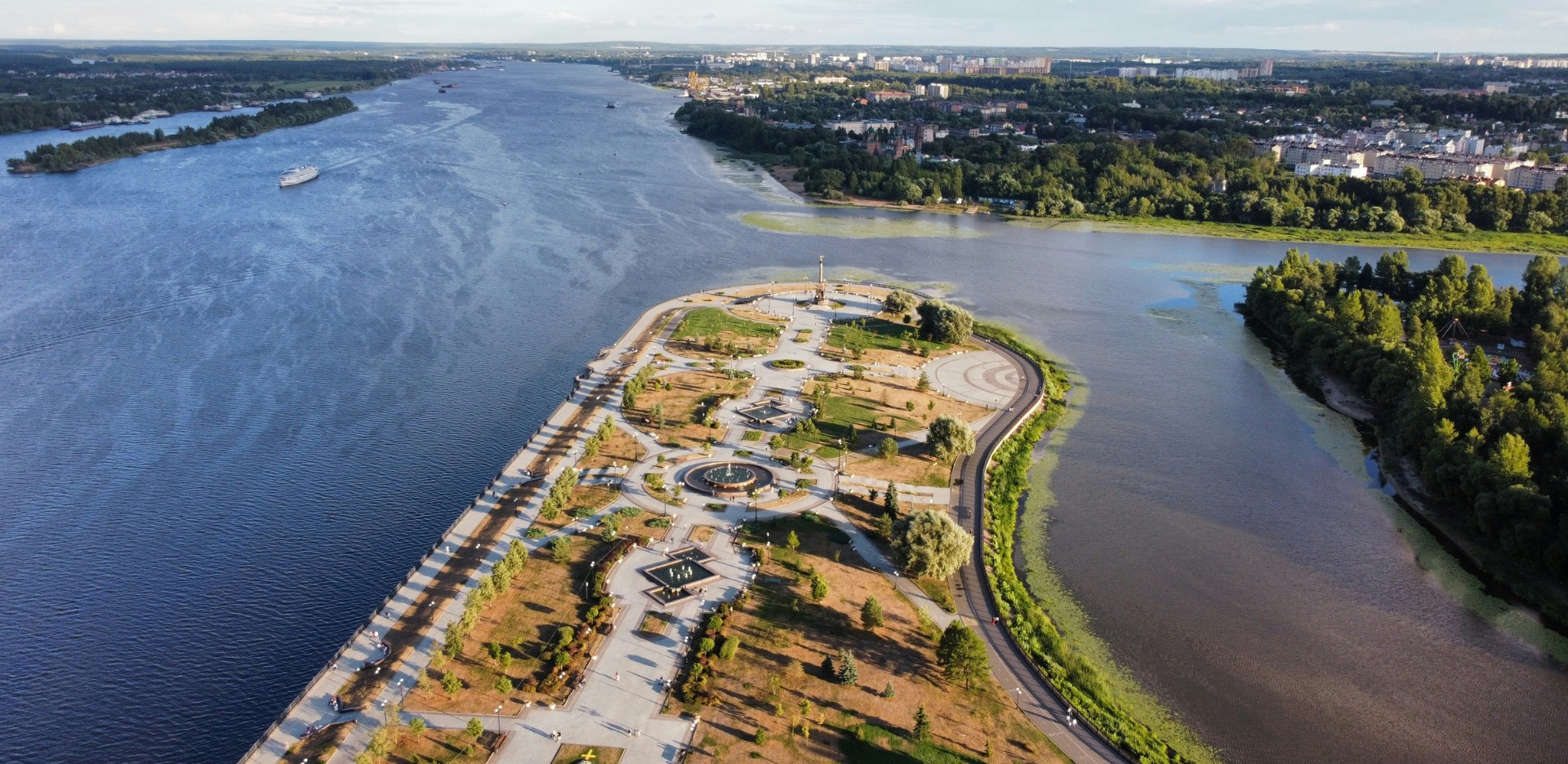
Yaroslavl: What to See and Why It Is One of Russia’s Strongest Historic River Cities
Yaroslavl is one of those Russian cities that feels complete almost at once. It has the visual confidence of a major historic destination, but it is easier, calmer, and more legible than larger urban centers. Its UNESCO-listed historic center is known for its many 17th-century churches and for an urban plan shaped by Catherine the Great’s reforms. That combination still defines the city today: river panoramas, broad squares, elegant embankments, and a historic core that feels both monumental and walkable.
The natural starting point is the Yaroslavl Museum-Preserve, centered on the former Transfiguration of the Saviour Monastery. The museum describes itself as the largest museum in the region, and its bell tower remains the city’s only panoramic observation deck over the historic center. For travelers, this is what makes the site so important: it is not only a monument, but the best place to understand Yaroslavl’s architecture, medieval memory, and river-city layout in one visit.
Must-See Places and Routes
Another essential landmark is the Church of Elijah the Prophet, one of the city’s clearest visual symbols. It is one of those places that gives Yaroslavl its special identity: richly decorated, deeply historic, and still central to the shape of the city around it. Even for travelers who are not architectural specialists, it is one of the churches that makes Yaroslavl immediately memorable.
Yaroslavl also has a major cultural claim that many first-time visitors do not expect. The Volkov Theatre in Yaroslavl traces its history to 1750 and presents itself as the first Russian public professional national theatre. That matters because Yaroslavl is not only a city of domes and embankments; it is also one of the places where Russian public culture and urban identity took a lasting form.
One of the strongest nearby extensions is Tolga Convent, just outside the city on the Volga. Official tourism sources date its foundation to 1314 and connect it with the appearance of the Tolga Icon of the Mother of God. In practical travel terms, Tolga works beautifully because it gives a Yaroslavl trip a different rhythm: quieter, greener, and more contemplative than the city center, but still very close.
For travelers who want to add literary heritage, Karabikha is one of the best side trips. The museum-reserve describes it as the only museumified estate of the late 18th to early 20th century in the Yaroslavl Region and ties it closely to the memory of Nikolai Nekrasov. That makes Karabikha more than a country house visit. It adds estate culture, landscape design, and one of the region’s strongest literary associations to the route.
A more unusual and rewarding option is Vyatskoye, a village on UNESCO’s Tentative List that is described as a unique town-planning complex of the 16th to 19th centuries with more than 50 registered architectural monuments. This is where a Yaroslavl route becomes more personal: less about checking off monuments and more about moving through a preserved cultural environment with restored houses, museums, and a slower pace.
Suggested Routes: 3, 5, and 7 Days
- A 3-day trip works especially well in Yaroslavl. Spend one full day in the historic center with the Museum-Preserve, the embankments, Strelka, and the Church of Elijah the Prophet. Use the second day for Tolga Convent and a slower return through the city. Keep the third day for theatre, cafés, museums, and riverside walking. This version is ideal for travelers who want one strong historic city with just enough variation around it.
- A 5-day route lets the destination open up properly. Add Karabikha and Vyatskoye, or replace one of them with a deeper museum day and more time on the Volga embankments. With five days, Yaroslavl stops feeling like a compact city break and starts working as a layered cultural route.
- A 7-day route is the strongest option if you want both city atmosphere and regional depth. Keep Yaroslavl, Tolga, Karabikha, and Vyatskoye, then add Rostov the Great as a logical extension within Yaroslavl Oblast’s wider heritage landscape. That creates a well-balanced journey through UNESCO urban heritage, monastic landscape, literary estate culture, restored village identity, and one of the most iconic old Russian towns nearby.
Hidden Gems and Local Experience
One of Yaroslavl’s strongest advantages is that it offers more than the obvious postcard spots. The city rewards travelers who walk and notice: quiet lanes behind the main squares, embankment views at different times of day, small courtyards, museum details, and the way the Volga and Kotorosl shape the city’s perspective. A place like this works best when there is room for cafés, river views, and slower discoveries between the headline monuments.
For a more local experience, Yaroslavl is also strong on atmosphere rather than spectacle. Boat views, monastery detours, and estate visits all work because the city’s scale remains manageable. It is one of the rare destinations on the Golden Ring where a traveler can combine major heritage with a genuinely relaxed pace.
Food, Culture, and Traditions
Yaroslavl is not built around one single iconic dish in the way Tula is built around gingerbread, but that does not make its food section weaker. The most natural approach here is regional rather than narrowly local. Poshekhonsky cheese is one of the best-known names associated with the wider Yaroslavl region, and it gives the destination a specific edible symbol without forcing the city into a false culinary cliché.
Around that, the best advice is simple: try local cheese, classic Russian pies, tea in historic cafés, and fish dishes if you see them on riverside menus. In cultural terms, Yaroslavl feels refined rather than theatrical: a city of river walks, theatre, old churches, and historic cafés rather than loud tourist performance. That quieter tone is part of its appeal.
Useful local phrases are practical and easy: “Gde naberezhnaya?” (“Where is the embankment?”), “Mozhno oplatit kartoy?” (“Can I pay by card?”), and “Kak proyti k monastyryu?” (“How do I get to the monastery?”). In churches and monasteries, modest dress remains the best default. In Yaroslavl itself the atmosphere is comfortable and urban, but at religious sites such as Tolga a quieter, more respectful style of visit works better than a rushed one.
Planning Your Trip
For most travelers, Moscow is the easiest gateway. Yaroslavl is one of the most practical historic cities to reach fr om the capital by train, which is one reason it works so well for international visitors. Once you arrive, the center is very manageable on foot, while taxis are enough for most urban movement. A rental car only becomes really useful if you plan to build a wider route through Karabikha, Vyatskoye, or Rostov the Great.
A Russian SIM card is not strictly necessary for a short city break, but it helps with taxis, local calls, museum coordination, and last-minute changes. The more important issue is payments. Western-issued credit and debit cards generally do not work in Russia, so visitors should not expect a foreign Visa or Mastercard to cover trains, hotels, cafés, or museum payments.
For Yaroslavl, the smartest setup is simple: use a Russian MIR card for hotels, train tickets, museum bookings, restaurants, and online purchases, and carry some cash for smaller cafés, market-style shops, or side trips outside the center. This is wh ere Ready4Ru fits naturally into the trip. Many travelers arrange a Russian card before departure so they can buy railway tickets online, book accommodation on Russian sites, and move around the country without relying on cash exchange every day.
A Russian SIM card and travel insurance also make the route more comfortable. Late spring through early autumn is usually the best time to visit, when the embankments, monastery grounds, and village extensions all look their strongest. Winter can still work for museums, theatre, and the historic core, but the trip becomes more urban and less landscape-driven.
Ready4Ru tip: To avoid relying on cash exchange and to pay more easily for trains, hotels, museums, and Russian websites, many travelers arrange a Russian MIR card before departure. Useful Ready4Ru services: Ready4Ru bank card and Ready4Ru travel insurance.
Yaroslavl is one of the best places to experience historic Russia without feeling trapped inside a museum version of it. It has UNESCO status, river scale, major churches, strong theatre history, nearby monasteries, literary estates, and village extensions that make the route richer without making it complicated. That is why it works so well: it feels elegant, grounded, and genuinely travelable.
Inspired to go? Make the trip easier before you arrive — explore Ready4Ru services for smoother payments in Russia, a Russian MIR card for everyday travel needs, and travel insurance for a more comfortable journey.
Editorial note: This article package was prepared in the Ready4Ru blog format with SEO elements and practical travel guidance tailored to foreign visitors planning a trip to Russia.
Other articles
Chechnya
The Chechen Republic is one of the most visually contrasting regions in the North Caucasus: a modern capital, major mosques, mountain roads, high lakes, and fast shifts from city scale to highland silence. For travelers, it offers a route shaped by contrast and surprise
Stavropol Krai
Stavropol Krai works differently fr om the higher mountain republics: it is about rhythm, resort culture, long promenades, mineral springs, and the soft edge wh ere spa towns meet the Caucasus. For travelers, it offers one of southern Russia’s most polished and accessible regional escapes
North Ossetia–Alania
North Ossetia–Alania is one of the most complete travel regions in the North Caucasus, combining a charismatic city, famous gorges, strong mountain roads, and places that carry real historical weight. For travelers, it is a route with both scenery and story
Ingushetia
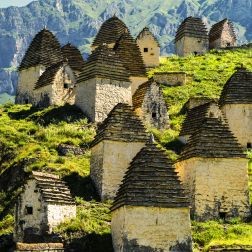
Ingushetia is one of the North Caucasus’ quietest and most distinctive regions, known for mountain tower complexes, narrow valleys, and a remarkable sense of stillness. For travelers, it offers a route built less on spectacle alone and more on atmosphere, history, and mountain memory
Karachay-Cherkess Republic
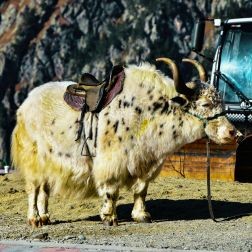
Karachay-Cherkessia is one of the most rewarding mountain regions for travelers who want both scenery and flexibility. With Dombay, Arkhyz, and Teberda in one region, it offers a route that can feel adventurous, restorative, and surprisingly varied within just a few days
Kabardino-Balkaria
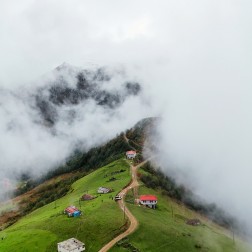
Kabardino-Balkaria is one of the Caucasus regions that instantly delivers scale: snowy summits, narrow gorges, waterfalls, and roads that feel dramatic from the first hour. For travelers, it works as both a classic Elbrus destination and a broader mountain route full of depth and atmosphere
Yamal
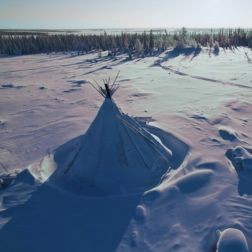
Yamal is Russia’s Arctic Circle story: Salekhard, Nenets reindeer culture, mammoth history, tundra and winter festivals

Komi
Komi is for travelers who want deep northern nature: Syktyvkar, Finno-Ugric culture, virgin forests and Manpupuner