

This website uses cookies.
Learn more

Yakutia: What to See in Russia’s Far North
Yakutia is one of Russia’s most extraordinary northern regions, where deep river valleys, prehistoric memory, and immense open landscapes create a journey defined by scale, silence, and remoteness. For travelers, it offers a rare and unforgettable way to experience the wild Russian North
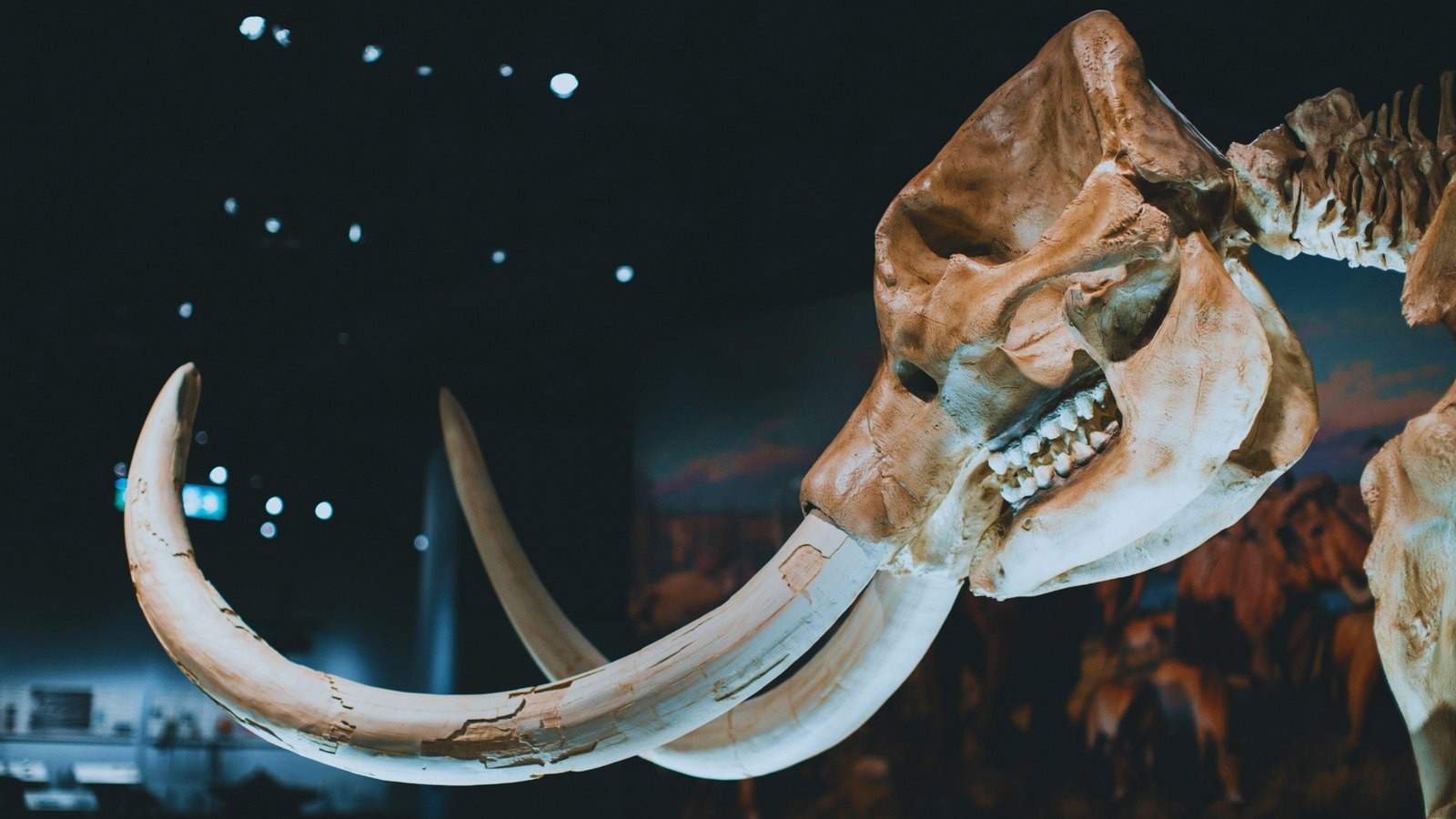
Yakutia: Russia’s Land of Ice, Distance, and Unforgettable Scale
Some regions impress you with famous landmarks. Yakutia works differently. It overwhelms you with scale. This is the kind of place where winter does not feel like a season but like a full natural force, where distances reshape your sense of travel, and where silence becomes part of the experience. For international travelers, Yakutia is not simply another destination in Russia. It is one of the country’s most extreme, memorable, and visually powerful journeys.
Officially known as the Republic of Sakha, Yakutia is the largest region in Russia and one of the most unusual places a traveler can explore. It is a land of permafrost, great rivers, vast taiga, Arctic light, mammoth history, and communities that live with cold on a scale most people never experience. But the power of Yakutia is not only in temperature records. It is in the feeling of entering a different rhythm of life, where nature is bigger, the sky feels wider, and every route has the weight of real distance.
What makes Yakutia especially strong as a travel story is contrast. In summer, it opens through rivers, green valleys, and monumental rock formations. In winter, it becomes a world of ice roads, blue twilight, frozen breath, and snow that seems endless. Some travelers come for the Pole of Cold. Others come for the Lena Pillars, for Indigenous culture, for northern mythology, or simply for the chance to see a version of Russia that feels raw, remote, and completely unlike Moscow or St. Petersburg.
Must-see places in Yakutia
Yakutsk
Yakutsk is the natural starting point. It is one of the coldest major cities in the world, but it is also the place where Yakutia becomes understandable. Here you begin to see how the region lives: the architecture, museums, local cuisine, and urban life all adapt to extreme climate. For a first-time visitor, Yakutsk is not just an arrival point. It is the introduction to the logic of the North.
The city works well because it combines practical access with real atmosphere. A traveler can explore local history, learn about permafrost, discover the region’s Indigenous cultures, and understand why Yakutia has such a distinctive identity inside Russia. Yakutsk is also where the journey shifts fr om ordinary sightseeing to something more immersive.
Lena Pillars
If Yakutia has one truly iconic natural image, it is the Lena Pillars. Rising dramatically above the Lena River, these rock formations are among the most visually striking landscapes in Russia. They feel ancient, remote, and almost mythic. This is the kind of place that instantly explains why people travel so far to reach Yakutia.
The Lena Pillars are not just a scenic stop. They are the emotional center of many Yakutia routes. The river approach adds to the experience: the journey itself becomes part of the destination. For travelers who want grandeur, silence, and a strong sense of place, this is one of the most rewarding natural sites in the country.
Oymyakon
Oymyakon is one of the most famous names in Yakutia for a reason. It is widely associated with the Pole of Cold and has become a symbol of life in extreme winter conditions. But the place is more than a temperature headline. It is about endurance, local pride, and the human side of Arctic living.
Traveling here is not about comfort in the usual sense. It is about perspective. Oymyakon changes the scale on which you think about climate, isolation, and adaptation. For many travelers, it becomes one of the most unforgettable parts of the entire Russian North.
Verkhoyansk and the wider cold-landscape route
For travelers interested in extreme geography and remote identity, Yakutia offers more than one cold destination. The wider northern route through the region opens a world of frozen rivers, distant settlements, and winter landscapes that feel almost abstract in their scale. Even when the itinerary is demanding, the reward is emotional: few places on earth feel this far fr om ordinary life.
Tukulan dunes and the unexpected side of Yakutia
One of the reasons Yakutia is so fascinating is that it resists simple stereotypes. People expect ice, snow, and taiga. What surprises them are places like the tukulan dunes, wh ere the landscape can suddenly feel closer to a desert than to the Arctic. These contrasts make Yakutia especially strong as a storytelling destination: it is not one thing, but many extremes living side by side.
Hidden gems and local experience
Permafrost and mammoth culture
Yakutia is one of the best places in Russia to explore the world of permafrost and prehistoric memory. Museums and local exhibitions around Yakutsk give the trip intellectual depth. This is wh ere the region becomes more than a dramatic backdrop. It becomes a place connected to geology, deep time, and the history of life in the far North.
Indigenous culture and northern identity
Yakutia is also essential for travelers who want more than landscapes. The region carries a strong Indigenous cultural presence, and that shapes everything fr om local traditions to food, festivals, and worldview. Even a short encounter with Sakha culture adds depth to the trip and makes the region feel more human, not just monumental.
Seasonal extremes
Yakutia changes radically with the season. Winter is the classic image: severe cold, frozen air, snow roads, and blue-white light. Summer reveals another face: river travel, green expanses, long daylight, and easier access to natural sites. This makes Yakutia one of the few destinations wh ere the same region can feel almost like two different worlds.
Yakutia in 3 days
A short trip should focus on Yakutsk and one signature experience. Spend the first day exploring the city, local museums, and northern cuisine. Use the second day for a deeper cultural or natural excursion. On the third day, focus on the atmosphere of the region rather than trying to cover too much ground. A three-day itinerary works best as an introduction.
Yakutia in 5 days
With five days, the journey becomes fuller. You can combine Yakutsk with the Lena Pillars or another major natural route, adding enough time to absorb the region instead of rushing through it. This is the sweet spot for travelers who want both city context and one unforgettable landscape experience.Yakutia in 7 days
A week allows Yakutia to open properly. At this length, you can build a more ambitious route around the Lena landscape, deeper northern culture, and, depending on season and logistics, one of the legendary cold-region destinations. At seven days, Yakutia stops feeling like a curiosity and becomes a true expedition-style journey.
Why Yakutia is worth the trip
Yakutia is not a place you visit casually. It is a destination for travelers who want scale, atmosphere, and the feeling of entering a completely different world. It does not charm through comfort first. It wins through intensity, silence, and memory. Long after the trip, what stays with you is not one monument or one museum, but the sensation of distance, cold, light, and open space.
For Ready4Ru readers, Yakutia is one of the strongest examples of why travel in Russia can still feel surprising. It is not the familiar postcard route. It is a place for people who want a journey with weight — something cinematic, difficult in the right way, and impossible to confuse with anywhere else. To make the trip smoother, travelers can arrange a MIR bank card for use in Russia before departure and choose travel insurance for Russia through Ready4Ru.
Other articles
Chechnya
The Chechen Republic is one of the most visually contrasting regions in the North Caucasus: a modern capital, major mosques, mountain roads, high lakes, and fast shifts from city scale to highland silence. For travelers, it offers a route shaped by contrast and surprise
Stavropol Krai
Stavropol Krai works differently fr om the higher mountain republics: it is about rhythm, resort culture, long promenades, mineral springs, and the soft edge wh ere spa towns meet the Caucasus. For travelers, it offers one of southern Russia’s most polished and accessible regional escapes
North Ossetia–Alania
North Ossetia–Alania is one of the most complete travel regions in the North Caucasus, combining a charismatic city, famous gorges, strong mountain roads, and places that carry real historical weight. For travelers, it is a route with both scenery and story
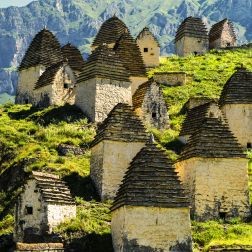
Ingushetia
Ingushetia is one of the North Caucasus’ quietest and most distinctive regions, known for mountain tower complexes, narrow valleys, and a remarkable sense of stillness. For travelers, it offers a route built less on spectacle alone and more on atmosphere, history, and mountain memory
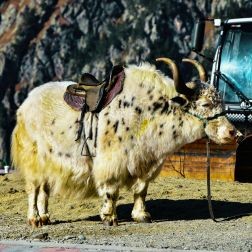
Karachay-Cherkess Republic
Karachay-Cherkessia is one of the most rewarding mountain regions for travelers who want both scenery and flexibility. With Dombay, Arkhyz, and Teberda in one region, it offers a route that can feel adventurous, restorative, and surprisingly varied within just a few days
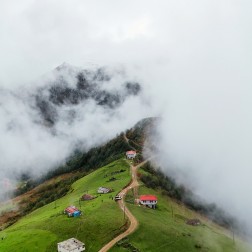
Kabardino-Balkaria
Kabardino-Balkaria is one of the Caucasus regions that instantly delivers scale: snowy summits, narrow gorges, waterfalls, and roads that feel dramatic from the first hour. For travelers, it works as both a classic Elbrus destination and a broader mountain route full of depth and atmosphere
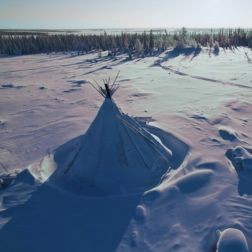
Yamal
Yamal is Russia’s Arctic Circle story: Salekhard, Nenets reindeer culture, mammoth history, tundra and winter festivals
Komi
Komi is for travelers who want deep northern nature: Syktyvkar, Finno-Ugric culture, virgin forests and Manpupuner