

This website uses cookies.
Learn more

Vologda: Russia’s Wooden Lace & Northern Soul
Vologda Oblast brings together ancient kremlins, wooden houses, lace traditions, monastery towns and slow northern roads — a poetic region for travelers who love heritage, craftsmanship and atmospheric city breaks
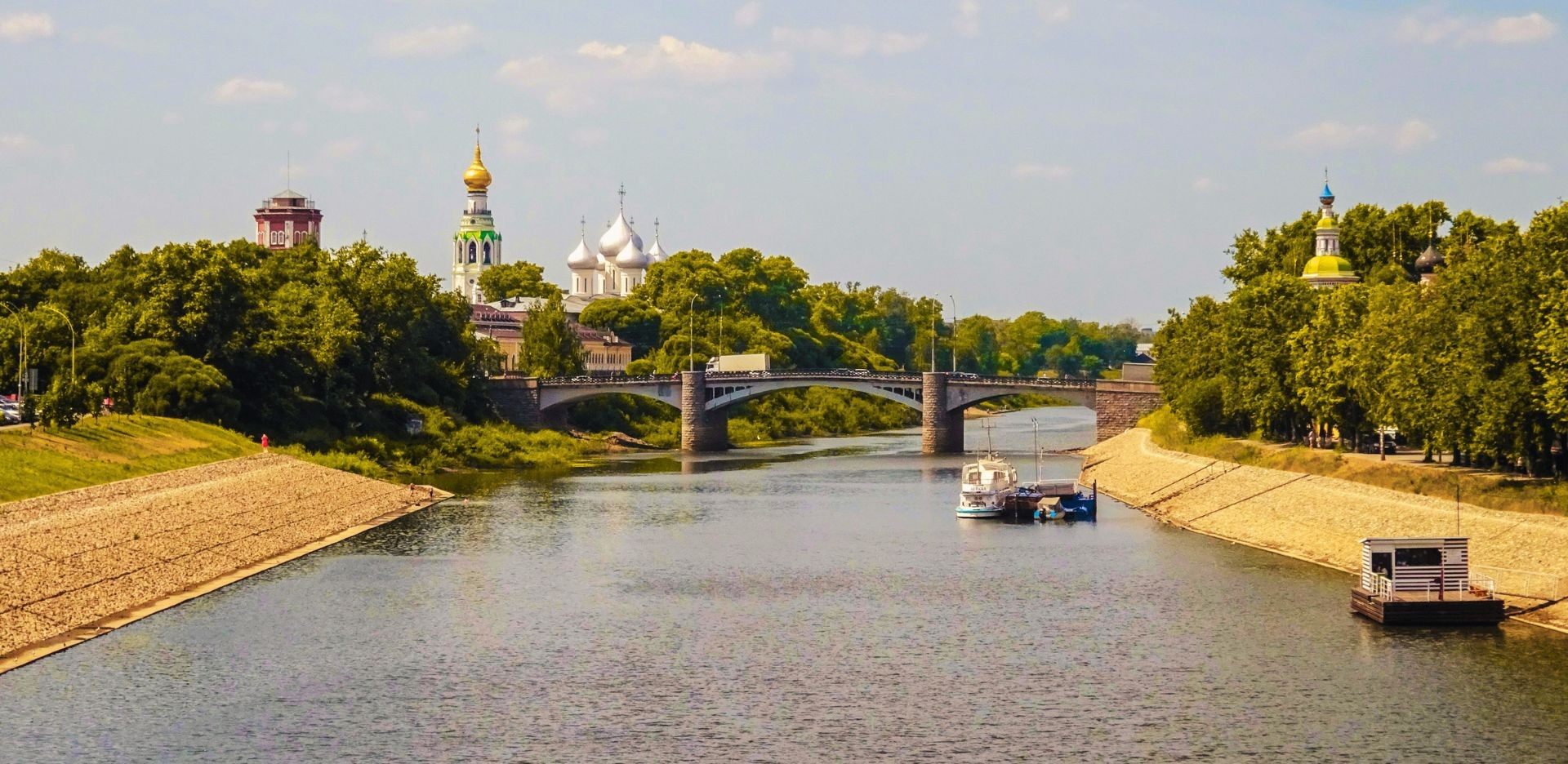
Vologda: Lace, Monasteries and the Soft Power of the Russian North
Vologda is one of the most graceful ways to enter the Russian North. It is quieter than Moscow, warmer in tone than many industrial northern cities, and rich in details that reward slow travel: carved wooden houses, lace patterns, monastery walls, bells, river views and the feeling of a city that has not lost its provincial dignity. For international visitors, Vologda works especially well as a cultural route: easy to understand, visually strong and deeply Russian without being overwhelming.
Must-see places
The city center is made for walking. The Vologda Kremlin area, St. Sophia Cathedral, the river embankment and old streets create a compact historical core. The Lace Museum is not just a craft stop; it explains why Vologda became associated with delicate, precise, almost frosty ornament. Wooden architecture gives the city its human scale: balconies, carved frames, gardens and old merchant houses make every walk feel textured.
Kirillov and Ferapontovo
The strongest extension from Vologda is the Kirillov area. Kirillo-Belozersky Monastery, founded in 1397, is one of the great northern monastery fortresses: massive walls, water, quiet courtyards and a sense of spiritual and strategic power. Ferapontovo is more intimate and famous for frescoes connected with Dionisy. Together they form one of the best heritage day routes in the Russian North, especially for travelers interested in icons, architecture and medieval state history.
Hidden gems and local experience
Vologda’s charm grows in small scenes: a bakery in the morning, lace patterns in shop windows, an old wooden house with a blue facade, a winter street after fresh snow, a local market with butter, berries and mushrooms. Veliky Ustyug can be added for a winter fairy-tale angle, especially for family travelers, while Belozersk and the lake districts suit slower cultural routes. The best local experience is not rushing from museum to museum, but noticing how craft, faith and northern domestic life are connected.
Culture, food and traditions
Vologda is associated with butter, dairy products, lace and restrained northern hospitality. Food is simple but satisfying: pies, soups, mushrooms, fish, berries, honey and tea. The region is also strong for visual storytelling. It gives content editors many angles: Russian wooden houses, hand-made craft, monastery stone, quiet winter streets, lace as metaphor, and routes that combine urban comfort with heritage outside the city.
3 / 5 / 7-day routes
- 3 days: explore Vologda’s historical center, the Lace Museum, the Kremlin area, wooden streets and local restaurants.
- 5 days: add Kirillov and Ferapontovo, ideally with a guide who can explain the monastery history and the artistic value of the frescoes.
- 7 days: continue to Veliky Ustyug in winter or build a summer route around Belozersk, lake villages and small museums. This region is best when days are shaped around one major sight and one slow local experience.
Planning your trip
Vologda is reachable by train and road from Moscow and St. Petersburg, which makes it easier than more remote Arctic destinations. Still, travelers should check museum schedules, seasonal opening hours and transport options to monasteries. Winter is atmospheric, with snow turning wooden houses into illustrations; summer is better for wider regional movement. Foreign visitors should prepare ruble payments before they start booking regional tours, tickets or hotels.
Useful Ready4Ru links for travelers: Apply for a Russian bank card, top up a Russian bank card, and arrange travel insurance.
Vologda is not loud. Its value is in precision: a lace pattern, a carved window, a monastery wall reflected in water. It is one of the best destinations for travelers who want a beautiful, readable and emotionally warm version of the Russian North.
Best time to visit
Vologda is attractive all year, but each season changes the story. Winter gives snow, lamps, wooden houses and a northern fairy-tale feeling. Spring can be muddy but quiet. Summer is comfortable for walks, monastery routes and regional drives. Autumn adds color, softer light and a calm cultural mood. For readers who want monasteries, crafts and museums, Vologda is less season-dependent than Arctic destinations, but Kirillov, Ferapontovo and lake routes still require checking roads, museum hours and guide availability.
What makes it different
Vologda differs from other Russian North destinations through softness and craft. It does not need the drama of mountains or tundra because its power is in detail: lace, butter, wooden balconies, monastery walls, old streets and quiet river light. It is a strong destination for travelers who want culture without extreme logistics. For SEO, the article should connect Vologda with Russian North, lace, wooden architecture, Kirillov, Ferapontovo and monastery routes. For conversion, the best reader is someone planning a comfortable regional extension after Moscow or St. Petersburg.
Other articles
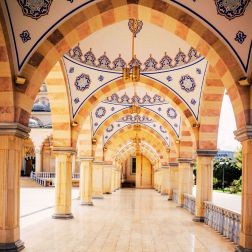
Chechnya
The Chechen Republic is one of the most visually contrasting regions in the North Caucasus: a modern capital, major mosques, mountain roads, high lakes, and fast shifts from city scale to highland silence. For travelers, it offers a route shaped by contrast and surprise
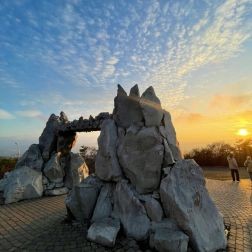
Stavropol Krai
Stavropol Krai works differently fr om the higher mountain republics: it is about rhythm, resort culture, long promenades, mineral springs, and the soft edge wh ere spa towns meet the Caucasus. For travelers, it offers one of southern Russia’s most polished and accessible regional escapes
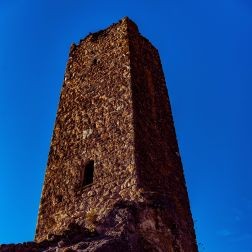
North Ossetia–Alania
North Ossetia–Alania is one of the most complete travel regions in the North Caucasus, combining a charismatic city, famous gorges, strong mountain roads, and places that carry real historical weight. For travelers, it is a route with both scenery and story
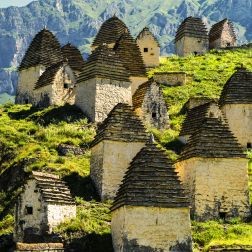
Ingushetia
Ingushetia is one of the North Caucasus’ quietest and most distinctive regions, known for mountain tower complexes, narrow valleys, and a remarkable sense of stillness. For travelers, it offers a route built less on spectacle alone and more on atmosphere, history, and mountain memory
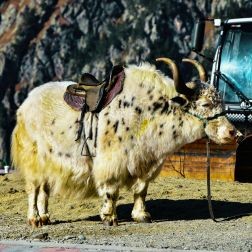
Karachay-Cherkess Republic
Karachay-Cherkessia is one of the most rewarding mountain regions for travelers who want both scenery and flexibility. With Dombay, Arkhyz, and Teberda in one region, it offers a route that can feel adventurous, restorative, and surprisingly varied within just a few days
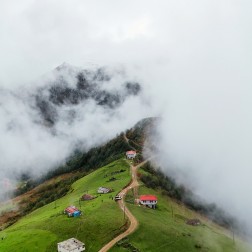
Kabardino-Balkaria
Kabardino-Balkaria is one of the Caucasus regions that instantly delivers scale: snowy summits, narrow gorges, waterfalls, and roads that feel dramatic from the first hour. For travelers, it works as both a classic Elbrus destination and a broader mountain route full of depth and atmosphere
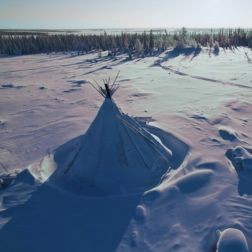
Yamal
Yamal is Russia’s Arctic Circle story: Salekhard, Nenets reindeer culture, mammoth history, tundra and winter festivals
Komi
Komi is for travelers who want deep northern nature: Syktyvkar, Finno-Ugric culture, virgin forests and Manpupuner