

This website uses cookies.
Learn more

Volgograd: Memory Above the Volga
Volgograd is a city of memory, river light, and monumental silence — a place where history is not background, but the structure of the route itself
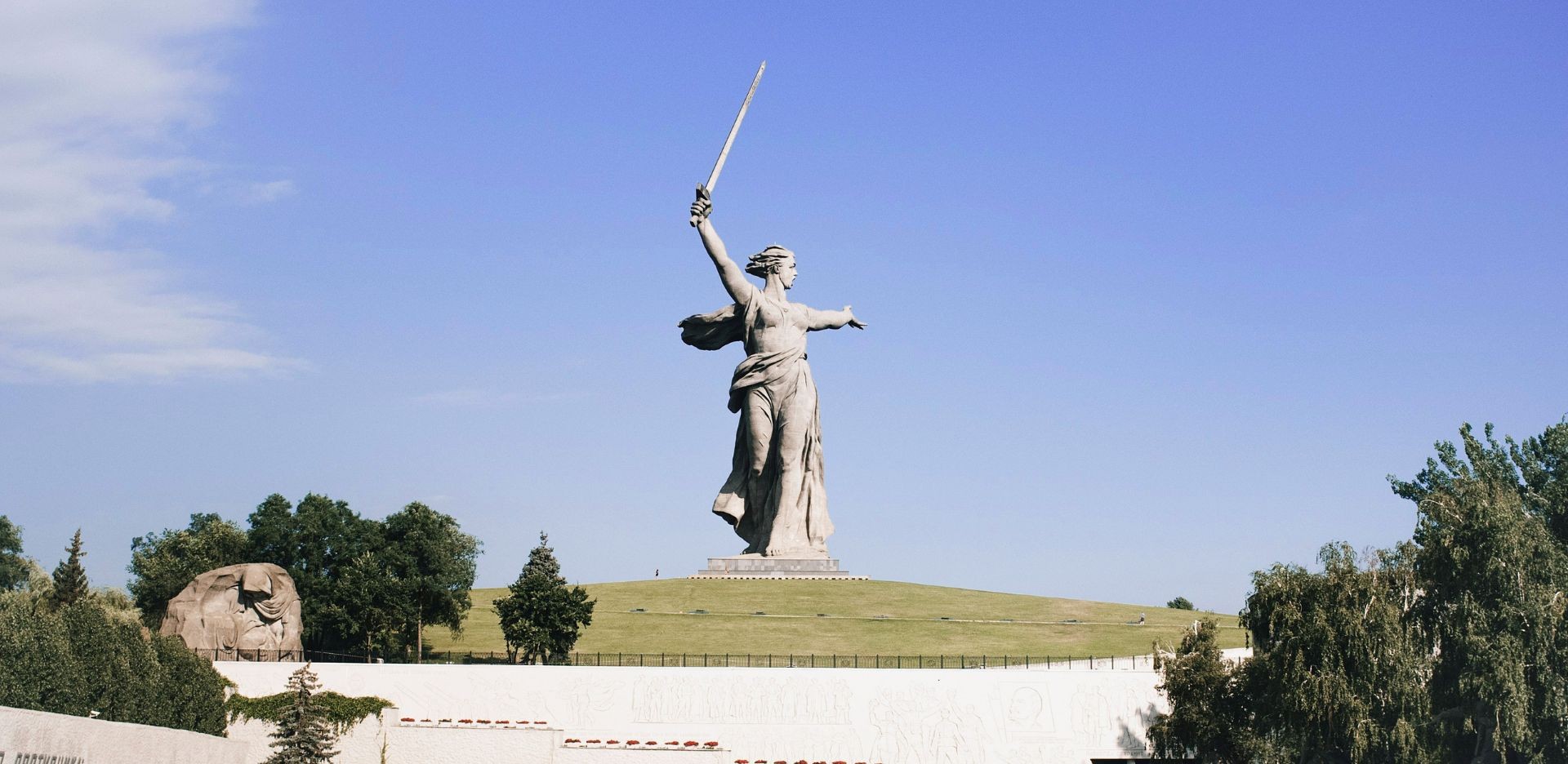
Volgograd: What to See and Why It Is One of Russia’s Most Powerful Historic City Routes
Volgograd is not a city you visit casually. It is a city you enter through memory. The emotional center of the route is Mamayev Kurgan, and that already sets the tone: this is not a decorative historic destination, but a place where the landscape itself has been turned into a language of remembrance.
Yet Volgograd becomes more interesting the longer you stay. Beyond its great memorial axis, the city opens into broad embankments, ceremonial urban space, district-level history, and the wider steppe horizon of the region. That is why Volgograd holds attention. It is solemn, but it is not one-dimensional.
Must-See Places and Routes
The two essential first stops are Mamayev Kurgan and the Panorama Museum of the Battle of Stalingrad. Together they create one of the most coherent historical pairings in Russia. One is monumental and sculptural, the other archival and interpretive. One works through scale and silence, the other through detail and historical narrative.
After that, the route should widen. Heroes Alley gives the center its ceremonial line toward the Volga, while Old Sarepta introduces a completely different historical layer. This contrast is crucial. Without it, Volgograd risks reading as only a war-memory city. With it, the destination becomes broader and more human, with settlement history, migration, religion, and urban variety all visible inside the same route.
A 3-day route should focus on Mamayev Kurgan, the panorama museum, and the central city axis. A 5-day route should add Old Sarepta. A 7-day route can justify a regional extension toward Lake Elton or another steppe-focused detour, which changes the story beautifully fr om memorial city to horizon landscape.
Hidden Gems and Local Experience
The most interesting hidden dimension of Volgograd is not truly hidden — it is simply overshadowed by the intensity of its main memorial sites. Old Sarepta is the clearest example. Its surviving European colonial ensemble adds a softer, more ethnographic layer to a city most travelers expect to be only monumental.
Another underrated strength is the city’s relationship to the Volga itself. Volgograd is not only a memorial landscape spread across hills and squares; it is also a river city. After emotionally heavy museum time, the embankment and open river line become necessary rather than optional.
Volgograd is strongest when you allow room for those shifts: monument to museum, museum to river, river to quieter district history.
Food, Culture, and Traditions
Volgograd’s food identity is best approached through mood rather than a single famous dish. In the center, the city feels broad, civic, and river-facing. In Old Sarepta, the culinary profile changes, bringing in mustard, oils, and traces of historical German influence.
This is useful for the article because it keeps Volgograd from becoming overly rigid in tone. The destination has seriousness, but it also has table culture, district identity, and the slower urban pleasure of riverside evenings after long museum days.
Culturally, Volgograd rewards travelers who move deliberately. The city works best not as a fast series of photo stops, but as a place wh ere reading, pausing, and absorbing scale are part of the route itself.
Planning Your Trip
For Volgograd, the smartest strategy is to divide the route into emotional zones. Give one day to Mamayev Kurgan and the panorama museum, another to the center and embankment, and a separate block to Old Sarepta or a regional extension. This pacing helps the city feel coherent rather than overwhelming.
To make the practical side easier, many travelers arrange a Russian Ready4Ru bank card before the trip for hotels, rail tickets, cafés, and museum payments, and also add Ready4Ru insurance for a route that may include both city travel and longer transfers. Preparing these basics in advance makes Volgograd feel much more manageable on the ground.
Volgograd is one of Russia’s strongest city routes because it is built from memory, scale, and contrast. It offers monumental remembrance, serious museum culture, urban ceremonial space, and quieter historical fragments beyond the main axis.
It is not an easy destination in the emotional sense. It is a powerful one — and for many travelers, that is exactly why it stays in memory.
Other articles
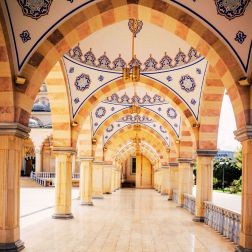
Chechnya
The Chechen Republic is one of the most visually contrasting regions in the North Caucasus: a modern capital, major mosques, mountain roads, high lakes, and fast shifts from city scale to highland silence. For travelers, it offers a route shaped by contrast and surprise
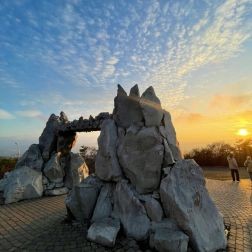
Stavropol Krai
Stavropol Krai works differently fr om the higher mountain republics: it is about rhythm, resort culture, long promenades, mineral springs, and the soft edge wh ere spa towns meet the Caucasus. For travelers, it offers one of southern Russia’s most polished and accessible regional escapes
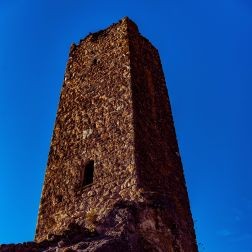
North Ossetia–Alania
North Ossetia–Alania is one of the most complete travel regions in the North Caucasus, combining a charismatic city, famous gorges, strong mountain roads, and places that carry real historical weight. For travelers, it is a route with both scenery and story
Ingushetia
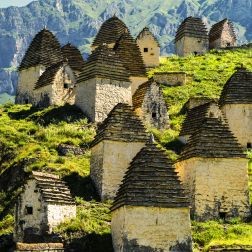
Ingushetia is one of the North Caucasus’ quietest and most distinctive regions, known for mountain tower complexes, narrow valleys, and a remarkable sense of stillness. For travelers, it offers a route built less on spectacle alone and more on atmosphere, history, and mountain memory
Karachay-Cherkess Republic
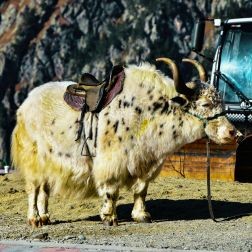
Karachay-Cherkessia is one of the most rewarding mountain regions for travelers who want both scenery and flexibility. With Dombay, Arkhyz, and Teberda in one region, it offers a route that can feel adventurous, restorative, and surprisingly varied within just a few days
Kabardino-Balkaria
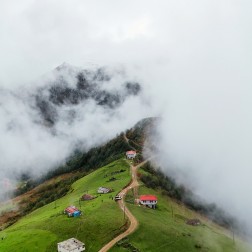
Kabardino-Balkaria is one of the Caucasus regions that instantly delivers scale: snowy summits, narrow gorges, waterfalls, and roads that feel dramatic from the first hour. For travelers, it works as both a classic Elbrus destination and a broader mountain route full of depth and atmosphere
Yamal
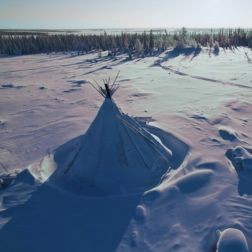
Yamal is Russia’s Arctic Circle story: Salekhard, Nenets reindeer culture, mammoth history, tundra and winter festivals

Komi
Komi is for travelers who want deep northern nature: Syktyvkar, Finno-Ugric culture, virgin forests and Manpupuner