

This website uses cookies.
Learn more

Vladimir Oblast: A Classic Golden Ring Route Worth Taking
Vladimir is one of those Russian cities where history still defines the skyline. Golden domes rise above old streets, white-stone landmarks carry the memory of medieval Rus, and the city feels both monumental and calm at the same time. For international travelers, Vladimir stands out not because it is loud or oversized, but because it offers something rarer: a clear sense of heritage, strong architecture, and an atmosphere that makes even a short visit feel culturally rich and visually memorable
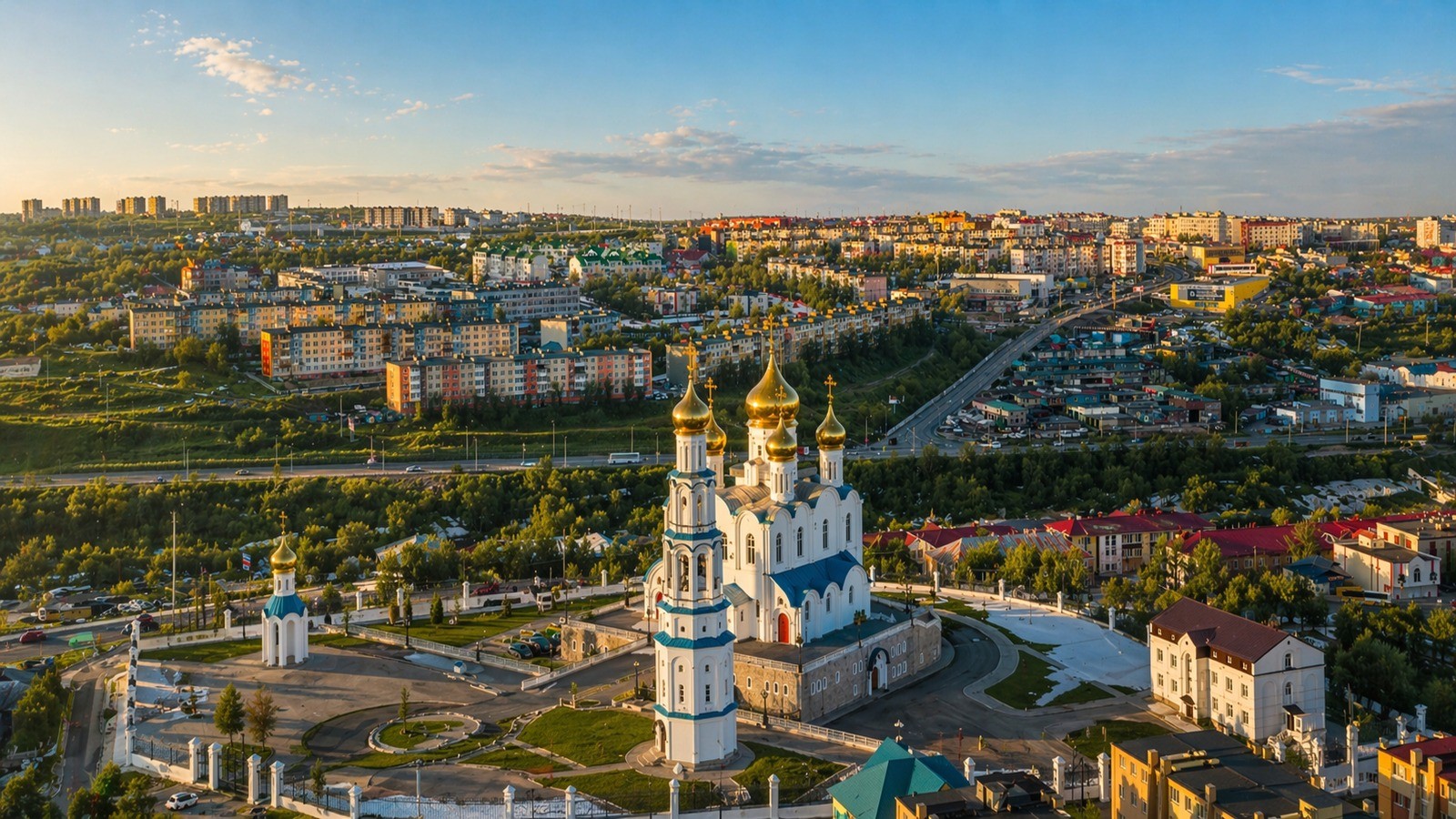
Vladimir Oblast: What to See and Why It Is One of the Strongest Golden Ring Routes in Russia
Vladimir Oblast is one of the easiest ways to understand why historic Russia still feels so visually powerful. This is a region of white-stone churches, old monastery walls, quiet river landscapes, museum towns, and routes that do not need to be rushed. For international travelers, Vladimir Oblast works especially well because it combines cultural depth with a clear travel logic: you can build a trip around Vladimir, Suzdal, and nearby landmark sites without trying to cover huge distances in a short time.
What makes the region stand out is not only beauty, but continuity. UNESCO describes the White Monuments of Vladimir and Suzdal as major artistic centers of central Russia that played an important role in the country’s architectural history. The World Heritage property includes key monuments in Vladimir, Suzdal, Bogolyubovo, and Kideksha, and reflects the importance of the old Vladimir-Suzdal principality in the 12th and 13th centuries.
Why Vladimir Oblast deserves a place in your Russia itinerary
For many travelers, Vladimir Oblast becomes the first serious step beyond Moscow into historic Russia. It offers a different pace and a different visual language: cathedral silhouettes instead of big-city skylines, monastery courtyards instead of business districts, and landscapes that feel composed rather than crowded. The region is closely associated with the Golden Ring, but it should not be seen only as a classic excursion route. It also works as a strong standalone destination for travelers interested in architecture, photography, culture, and slower travel.
UNESCO’s official description highlights the Cathedral of the Assumption and the Cathedral of St Demetrius in Vladimir among the most significant monuments of the ensemble, while the official map of the World Heritage property shows how the region’s main highlights are distributed across Vladimir, Suzdal, Bogolyubovo, and Kideksha. That is exactly why Vladimir Oblast is so convenient editorially and practically: the route has a clear structure, yet each stop feels distinct.
What to see in Vladimir Oblast
The first anchor point is Vladimir itself. This is where travelers encounter some of the region’s most important monuments, including the Cathedral of the Assumption, the Cathedral of St Demetrius, and the Golden Gate, all listed as parts of the UNESCO property. These landmarks give the city a strong architectural identity and make it one of the most meaningful historic stops in central Russia.
The second key destination is Suzdal. If Vladimir feels monumental, Suzdal feels almost cinematic. UNESCO includes both the Suzdal Kremlin with the Cathedral of the Nativity and the Monastery of Our Saviour and St Euthymius in the World Heritage property, underlining the town’s exceptional cultural value. For travelers, Suzdal is one of those places where the route becomes as important as the monuments themselves: small streets, monastery walls, river views, and open panoramas create a setting that is visually rich but never overloaded.
A third major stop is Bogolyubovo and the Church of the Intercession on the Nerl. UNESCO identifies the Prince Castle in Bogolyubovo and the Church of the Intercession on the River Nerl as separate components of the heritage ensemble. These sites are essential because they show another side of the region: not just urban religious architecture, but the meeting point of landscape and monument, where the building feels inseparable from the surrounding fields and water meadows.
For travelers who want to widen the route beyond the best-known classics, the Vladimir-Suzdal Museum-Reserve also highlights places such as Muromtsevo and Gus-Khrustalny in its English-language materials. Muromtsevo adds a more romantic estate-like atmosphere, while Gus-Khrustalny introduces the region’s glassmaking and decorative arts heritage through the Maltsovs’ Museum of Crystal. These places help turn a standard heritage trip into a more varied regional itinerary.
When to go
The most comfortable season for a first trip is from late spring to early autumn. This is when moving between towns is easier, the landscape is greener, and the historic ensembles feel especially photogenic. Early autumn is also a strong option: the pace is calmer, the light is softer, and the contrast between white-stone architecture and seasonal colors becomes particularly attractive for photography and long-form travel content.
Winter can also work well for readers who like atmosphere and quieter streets, but for a broad Ready4Ru audience the warmer season is easier to recommend. The region’s main strength lies in slow visual travel, and that is usually best experienced when routes between Vladimir, Suzdal, and nearby sites are simple to manage.
What to plan in advance
Vladimir Oblast is easier than many larger Russian regions, but planning still matters. It is worth deciding in advance whether the route will focus only on Vladimir and Suzdal, or whether it should include Bogolyubovo, Kideksha, and one or two secondary cultural stops. This helps keep the trip balanced and prevents the classic mistake of trying to turn a heritage region into a checklist.
For international travelers, practical details also matter. It is useful to arrange the basics before departure, especially when the route includes transport, accommodation, museum visits, and everyday expenses inside Russia. In a Ready4Ru article, this fits naturally: readers can prepare a Ready4Ru bank card and choose travel insurance in advance, making the trip smoother and easier to manage.
Who this route is for
Vladimir Oblast is ideal for travelers who value atmosphere over speed. It works especially well for couples, independent travelers, photographers, culture-focused visitors, and anyone who wants to see a deeper layer of Russia without dealing with extreme distances or complicated expedition logistics. It is less about constant movement and more about rhythm, detail, and cultural texture.
Vladimir Oblast is one of the strongest cultural routes in central Russia because it combines clarity and depth. The region is easy to understand geographically, but rich enough to feel memorable long after the trip is over. UNESCO’s White Monuments of Vladimir and Suzdal give it global significance, while the wider regional route adds atmosphere, variation, and travel value. For the Ready4Ru blog, it is an excellent topic: practical, visual, and deeply connected to the historic image of Russia.
Other articles
Chechnya
The Chechen Republic is one of the most visually contrasting regions in the North Caucasus: a modern capital, major mosques, mountain roads, high lakes, and fast shifts from city scale to highland silence. For travelers, it offers a route shaped by contrast and surprise
Stavropol Krai
Stavropol Krai works differently fr om the higher mountain republics: it is about rhythm, resort culture, long promenades, mineral springs, and the soft edge wh ere spa towns meet the Caucasus. For travelers, it offers one of southern Russia’s most polished and accessible regional escapes
North Ossetia–Alania
North Ossetia–Alania is one of the most complete travel regions in the North Caucasus, combining a charismatic city, famous gorges, strong mountain roads, and places that carry real historical weight. For travelers, it is a route with both scenery and story
Ingushetia
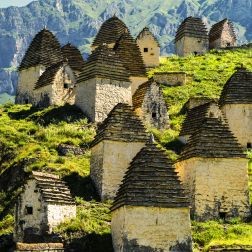
Ingushetia is one of the North Caucasus’ quietest and most distinctive regions, known for mountain tower complexes, narrow valleys, and a remarkable sense of stillness. For travelers, it offers a route built less on spectacle alone and more on atmosphere, history, and mountain memory
Karachay-Cherkess Republic
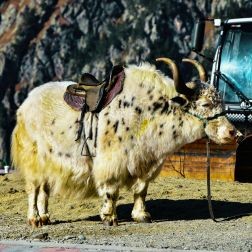
Karachay-Cherkessia is one of the most rewarding mountain regions for travelers who want both scenery and flexibility. With Dombay, Arkhyz, and Teberda in one region, it offers a route that can feel adventurous, restorative, and surprisingly varied within just a few days
Kabardino-Balkaria
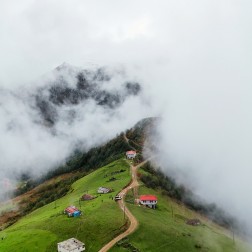
Kabardino-Balkaria is one of the Caucasus regions that instantly delivers scale: snowy summits, narrow gorges, waterfalls, and roads that feel dramatic from the first hour. For travelers, it works as both a classic Elbrus destination and a broader mountain route full of depth and atmosphere
Yamal
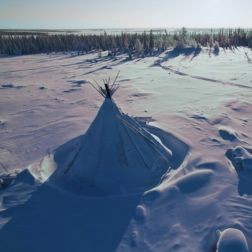
Yamal is Russia’s Arctic Circle story: Salekhard, Nenets reindeer culture, mammoth history, tundra and winter festivals

Komi
Komi is for travelers who want deep northern nature: Syktyvkar, Finno-Ugric culture, virgin forests and Manpupuner