

This website uses cookies.
Learn more

Tver: Russia’s Underrated Historic City
Tver is one of those Russian cities that feels complete without trying too hard: a historic center on the Volga, elegant embankments, imperial architecture, and easy routes to Torzhok, Staritsa, and Seliger. For international travelers, it offers an accessible and atmospheric way to experience an older, calmer, and more textured side of Russia
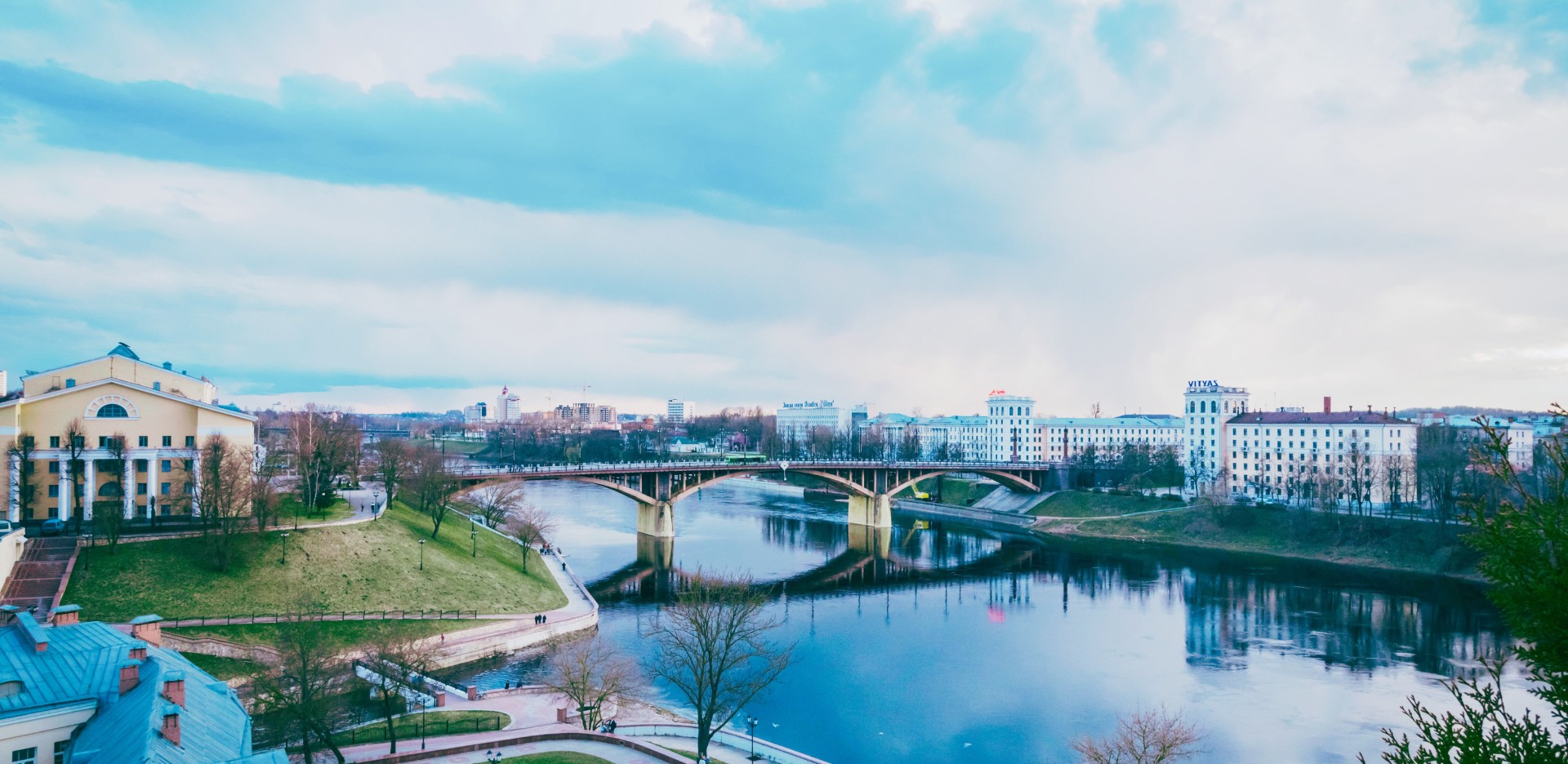
Tver: What to See and Why It Is One of Central Russia’s Most Underrated Historic Cities
Tver is one of those Russian cities that makes sense almost immediately. It is old, elegant, and beautifully placed on the Volga, yet it feels calmer and less overexposed than the classic headline destinations. That is part of its appeal. For international travelers, Tver offers something rare: a compact city break that still opens naturally into a wider regional route with monasteries, small historic towns, traditional crafts, and northern lake landscapes. It is easy enough for a short trip and rich enough for a longer journey.
What makes Tver especially strong is balance. The city itself gives you embankments, imperial-era architecture, cathedral viewpoints, and a central story connected with Afanasy Nikitin and the old road between Moscow and St. Petersburg. Beyond the city, the region expands into Torzhok, Staritsa, and Seliger, each adding a different mood. The result is not a single-icon destination but a coherent route shaped by rivers, roads, monasteries, and the slower rhythm of the Upper Volga.
Must-see places in Tver and the surrounding region
The natural starting point is Tver itself. The city is one of the oldest in Russia and still feels tied to the historical route between the two capitals. Its visual center is the Imperial Travel Palace, an 18th-century landmark built for members of the imperial family on their journeys between St. Petersburg and Moscow. That one building already explains a lot about Tver: this was never just a stop on the map. It was a city built into one of the country’s most important travel corridors, and it still carries that composed, open, dignified feeling today.
A walk through central Tver is less about rushing fr om monument to monument and more about absorbing the overall atmosphere. The Volga embankments, the broad urban perspectives, the restored cathedral area, and the monument to Afanasy Nikitin create a city that is readable and inviting. It works especially well for travelers who want a place with historic weight but without the pressure and scale of Moscow or St. Petersburg.
The strongest first extension from Tver is Torzhok. This small town is one of the best cultural day trips in central Russia because it combines architectural heritage with a genuine craft identity. The Boris and Gleb Monastery is its major landmark, but Torzhok is equally famous for traditional gold embroidery. That combination of monastery walls, quiet streets, and living decorative art gives the town something many beautiful small places lack: a sense that local culture is still specific and alive.
The next essential stop is Staritsa. Here the mood shifts slightly toward white-stone monastic Russia. The Holy Dormition Monastery and the surrounding landscapes make Staritsa especially attractive for travelers who enjoy places wh ere architecture and terrain work together. It is less urban than Tver and less craft-centered than Torzhok, but it adds depth and contrast to the route.
For nature, the key name is Seliger. This lake region opens the journey outward into forests, water, islands, pilgrimage routes, and a calmer northern scale. The area around Nilo-Stolobenskaya Hermitage is one of the best-known regional destinations, but even beyond the monastery, Seliger works because it changes the rhythm of the trip. After cities and towns, it brings space, air, and a stronger sense of the Upper Volga landscape.
Suggested routes for 3, 5, and 7 days
- A 3-day route works very well for first-time visitors. Spend one full day in Tver itself, including the center, embankments, and the Imperial Travel Palace area. Use the second day for Torzhok, and keep the third day flexible for a slower return to Tver, local museums, cafes, and riverside walking. This version is ideal for travelers who want a compact and easy historic route fr om Moscow.
- A 5-day route gives the region more dimension. Add Staritsa and allow more time in Torzhok, especially if you want museum stops, monastery visits, or a closer look at local craft traditions. At this length, the journey starts to feel like a real regional itinerary rather than just a city break.
- A 7-day route is the strongest version for travelers who want both culture and landscape. Keep Tver, Torzhok, and Staritsa, then extend the trip to Seliger or the source of the Volga. At that point the route becomes much richer: imperial road history, monastic architecture, small-town identity, lakes, forests, and long scenic transitions between places. It is one of the most satisfying ways to see a quieter side of Russia without losing structure or comfort.
Hidden gems and local experience
One of the strongest local experiences in the region is not a major landmark at all, but the atmosphere of Torzhok’s craft tradition. Gold embroidery is one of the town’s defining cultural signatures, and it adds something tactile and memorable to the journey. For travelers, this matters because it shifts the trip away from standard sightseeing and toward something more personal. A handcrafted object, a workshop visit, or even a museum display can create a stronger memory than a quick photo stop.
Another underrated part of the Tver route is simply the road itself. The old sovereign route between Moscow and St. Petersburg gives the region a sense of continuity that many destinations lack. Tver is not isolated from the story of Russian travel; it grew from it. That is why the region feels so coherent. The roads, estates, towns, monasteries, and rest points belong to one historical geography rather than to disconnected tourist sites.
If you have extra time, look for smaller riverside walks, local bakeries, quieter church courtyards, and market-style spaces rather than trying to overfill the day. Tver rewards unhurried movement. It is a place wh ere pacing matters. The city and the region both become more attractive when you leave room for atmosphere.
Food, culture, and what to try
The one regional dish name every traveler should know is the Pozharsky cutlet. It is closely associated with Torzhok and remains the most famous culinary reference point in the region. This is helpful for the article because it gives Tver a specific gastronomic symbol rather than a vague promise of “traditional Russian food.” Around that, the region works best through simple and believable experiences: tea, pastries, classic Russian dishes, old-style cafes, and road-linked food culture rather than a flashy modern restaurant narrative.
Culturally, Tver feels balanced and grounded. It carries imperial, merchant, literary, and monastic layers without turning them into spectacle. That makes it especially attractive to international travelers who prefer atmosphere and coherence over crowd-driven tourism. The region does not demand constant movement. It invites observation.
Useful phrases stay practical here: “Gde vokzal?” for the station, “Mozhno oplatit kartoy?” for card payments, and “Kak proyti k centru?” for finding the center. In monasteries and churches, modest dress remains the safest choice. In smaller towns, patience and a calm tone go further than speed.
Planning your trip: logistics, payments, and practical tips
For most travelers, Moscow is the easiest gateway to Tver. The route is simple and well known, which is one of the region’s major advantages. Tver also works well as part of a broader movement between Moscow and St. Petersburg, but for many visitors it is best approached as a focused trip fr om Moscow. Inside Tver itself, walking is realistic and pleasant. For Torzhok, Staritsa, and Seliger, advance taxi planning, a private driver, or a rental car will make the route much easier and more flexible.
A Russian SIM card is not absolutely required, but it makes the trip smoother. It helps with local calls, maps, taxis, hotel coordination, and practical communication on the move. The same is true for payments. International Visa and Mastercard cards issued outside Russia generally do not work inside the country, so travelers should not build their route around the assumption that foreign cards will cover tickets, cafes, or hotel bookings.
For a region like Tver, the most practical setup is straightforward: use a Russian MIR card for train tickets, hotel reservations, and everyday city payments, and keep some cash for smaller cafes, markets, roadside stops, or less digitized locations. That is wh ere Ready4Ru fits naturally into the trip. Many travelers arrange a Russian bank card before departure so they can pay on Russian websites, buy transport online, and move around the country with fewer everyday obstacles.
If your trip includes several intercity transfers or a broader Russia route, travel insurance is also a sensible part of preparation. Ready4Ru helps travelers handle both everyday payment needs and trip planning logistics before arrival. To explore the service options, visit the Ready4Ru MIR card page and the Ready4Ru travel insurance page.
In terms of season, late spring through early autumn is the strongest period for this route. Embankments, monasteries, roads through the region, and the Seliger landscapes all benefit from long light and greener surroundings. Winter can still work, especially for city-focused and architecture-focused trips, but the rhythm becomes more inward and less scenic.
Tver works because it does not try too hard. It offers a strong historic city, easy access from Moscow, one of the best small-town extensions in Torzhok, a quieter monastic dimension in Staritsa, and the larger lake world of Seliger beyond that. For international travelers, it is one of the most practical ways to experience an older, calmer, and more textured side of Russia without giving up comfort or route clarity.
Inspired to go? Make the journey easier before you arrive: plan your route, prepare payments in advance, and explore Ready4Ru services for a smoother travel experience in Russia.
Other articles
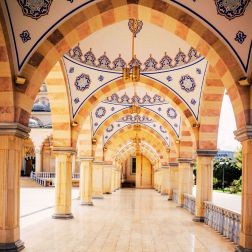
Chechnya
The Chechen Republic is one of the most visually contrasting regions in the North Caucasus: a modern capital, major mosques, mountain roads, high lakes, and fast shifts from city scale to highland silence. For travelers, it offers a route shaped by contrast and surprise
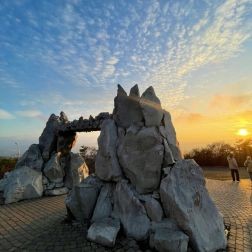
Stavropol Krai
Stavropol Krai works differently fr om the higher mountain republics: it is about rhythm, resort culture, long promenades, mineral springs, and the soft edge wh ere spa towns meet the Caucasus. For travelers, it offers one of southern Russia’s most polished and accessible regional escapes
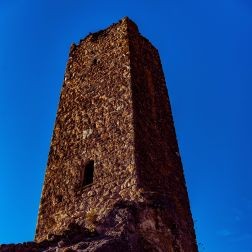
North Ossetia–Alania
North Ossetia–Alania is one of the most complete travel regions in the North Caucasus, combining a charismatic city, famous gorges, strong mountain roads, and places that carry real historical weight. For travelers, it is a route with both scenery and story
Ingushetia
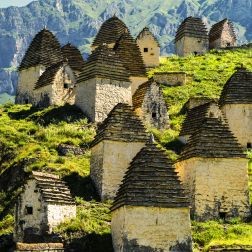
Ingushetia is one of the North Caucasus’ quietest and most distinctive regions, known for mountain tower complexes, narrow valleys, and a remarkable sense of stillness. For travelers, it offers a route built less on spectacle alone and more on atmosphere, history, and mountain memory
Karachay-Cherkess Republic
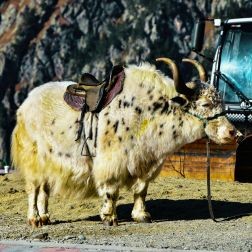
Karachay-Cherkessia is one of the most rewarding mountain regions for travelers who want both scenery and flexibility. With Dombay, Arkhyz, and Teberda in one region, it offers a route that can feel adventurous, restorative, and surprisingly varied within just a few days
Kabardino-Balkaria
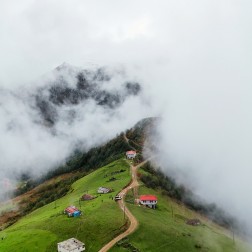
Kabardino-Balkaria is one of the Caucasus regions that instantly delivers scale: snowy summits, narrow gorges, waterfalls, and roads that feel dramatic from the first hour. For travelers, it works as both a classic Elbrus destination and a broader mountain route full of depth and atmosphere
Yamal
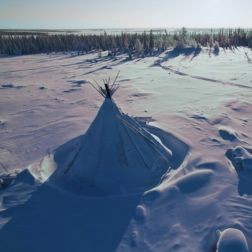
Yamal is Russia’s Arctic Circle story: Salekhard, Nenets reindeer culture, mammoth history, tundra and winter festivals
Komi
Komi is for travelers who want deep northern nature: Syktyvkar, Finno-Ugric culture, virgin forests and Manpupuner