

This website uses cookies.
Learn more

Tuva: Throat Singing, Steppe and Sacred Mountains
Tuva feels like a world within Russia: throat singing, steppe roads, sacred mountains, yurts, shamans and the Center of Asia
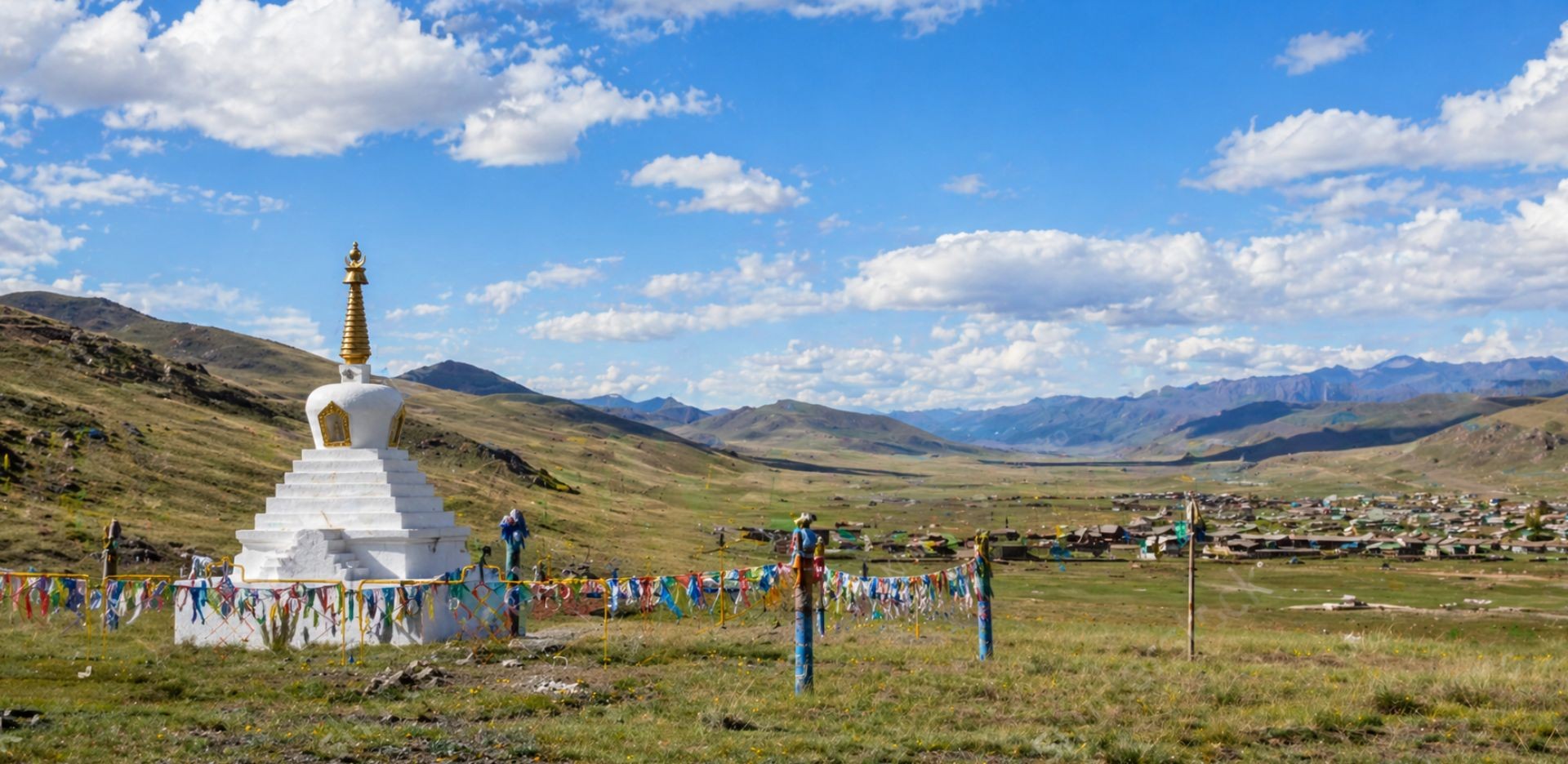
Tuva, also written Tyva, is one of the most culturally distinctive regions in Russia. It sits deep in southern Siberia, where steppe, mountains, rivers, Buddhist traditions, shamanic practices and nomadic memory meet. For international travelers, Tuva can feel less like a standard regional trip and more like crossing into another rhythm. The capital Kyzyl is known for the Center of Asia monument, throat singing, museums and spiritual sites, but the region’s real power lies in the open landscapes beyond the city. Tuva is inspiring, but it is not logistically simple. It needs careful planning and, for most visitors, local guidance.
Inspiration & Must-See Places
Kyzyl is the starting point. The Center of Asia monument is the symbolic photo stop, standing near the Yenisei and giving the city its geographical myth. The National Museum helps introduce Tuvan history, archaeology, Buddhism, nomadic culture and music. Traditional throat singing, or khoomei, is essential to the region’s identity; a live performance can become the emotional highlight of the trip. Buddhist temples and shamanic centers show the spiritual diversity of Tuva, though visitors should approach them respectfully and not as entertainment props. Outside Kyzyl, routes may include yurt camps, steppe valleys, lakes such as Dus-Khol, mountain roads and seasonal festivals like Naadym when available. The landscapes are wide, spare and powerful: horses, dust roads, blue sky, distant ridges and sudden sacred places.
Hidden Gems & Local Experience
A meaningful Tuva experience is often built through a host, guide or local community rather than independent sightseeing. Stay in a yurt camp if the season allows, try milk tea, listen to stories about mountains and spirits, and learn why certain places should be approached quietly. Ask about throat singing not only as performance but as a relationship with landscape and sound. Local markets and food stops in Kyzyl are also valuable. The hidden gem is the feeling of space: long road views, silence after music, evening light over steppe and the awareness that this region follows its own cultural logic.
Culture, Food & Traditions
Tuva’s culture is central to the article. Khoomei throat singing, horse traditions, wrestling, archery, yurts, Buddhist practices and shamanic rituals are not side notes; they are the main travel story. Food is based on meat, dairy, tea with milk and salt, simple breads and dishes suited to nomadic life. Visitors should be prepared for stronger flavors and fewer international comfort options outside the capital. The tone should be respectful and precise: Tuva is not “exotic decoration,” but a living region with its own languages, beliefs and social codes.
3/5/7-day routes
- 3 days: Day 1 — Kyzyl city walk, Center of Asia, museum and river area. Day 2 — cultural program with throat singing, temple or shamanic center, and local food. Day 3 — nearby landscape excursion or lake route depending on season.
- 5 days: add a yurt camp and steppe route, with time for slow cultural immersion and evening music.
- 7 days: build a wider circuit including Kyzyl, yurt stay, lakes, mountain viewpoints and festival participation if dates align. Because distances and roads can be demanding, a 7-day trip should still include flexibility.
Best Season and Travel Angle
Tuva is strongest fr om late spring to early autumn, when steppe roads, yurt camps, lakes and festival routes are more realistic. Winter can be beautiful but much harder, especially for visitors without local support. The editorial angle should focus on cultural depth and landscape silence. Tuva is not a place to “tick off” quickly; it is a place wh ere the traveler needs translation, explanation and patience. A good article should prepare readers for fewer international comforts, fewer English-language services and more dependence on guides. In exchange, they receive one of the most distinctive cultural experiences in Russia: music that seems to come from the landscape, spiritual places, nomadic memory and a sense of distance that feels rare even in Siberia.
Who This Route Is Best For
Tuva is best for culturally curious travelers, ethnomusicology lovers, photographers, festival visitors and people who are comfortable with guided travel. It is not ideal for tourists who need constant urban comfort or quick independent sightseeing. In the CMS, the article should invite readers into a slower, more respectful mode of travel. The hook is powerful: in Tuva, sound, steppe and spirituality become one travel experience.
Planning Your Trip: Logistics, Money & Safety
Tuva is not the easiest Siberian destination. Transport options may be limited, road distances can be tiring and language support is valuable. Travelers should use local guides for countryside routes, especially when visiting sacred or remote places. Cash and domestic payment access are both important. Ready4Ru’s bank card can help foreign visitors pay for Russian services before and during the trip, while insurance is strongly recommended for remote travel, road transfers and outdoor routes. Pack layers, sun protection, water, offline maps and respect for local customs.
Tuva is one of the richest cultural articles in the series. It gives Ready4Ru readers a destination that feels rare, deep and unforgettable. The key is to present it not as an easy checklist, but as a respectful journey into sound, space, tradition and southern Siberian identity.
Other articles
Chechnya
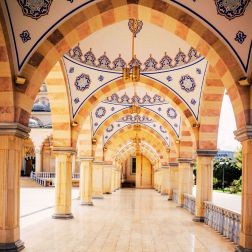
The Chechen Republic is one of the most visually contrasting regions in the North Caucasus: a modern capital, major mosques, mountain roads, high lakes, and fast shifts from city scale to highland silence. For travelers, it offers a route shaped by contrast and surprise
Stavropol Krai
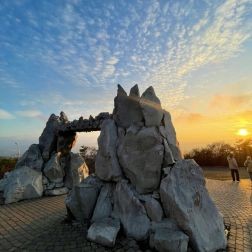
Stavropol Krai works differently fr om the higher mountain republics: it is about rhythm, resort culture, long promenades, mineral springs, and the soft edge wh ere spa towns meet the Caucasus. For travelers, it offers one of southern Russia’s most polished and accessible regional escapes
North Ossetia–Alania
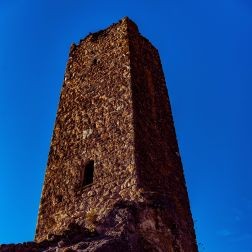
North Ossetia–Alania is one of the most complete travel regions in the North Caucasus, combining a charismatic city, famous gorges, strong mountain roads, and places that carry real historical weight. For travelers, it is a route with both scenery and story
Ingushetia
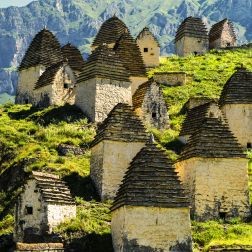
Ingushetia is one of the North Caucasus’ quietest and most distinctive regions, known for mountain tower complexes, narrow valleys, and a remarkable sense of stillness. For travelers, it offers a route built less on spectacle alone and more on atmosphere, history, and mountain memory
Karachay-Cherkess Republic
Karachay-Cherkessia is one of the most rewarding mountain regions for travelers who want both scenery and flexibility. With Dombay, Arkhyz, and Teberda in one region, it offers a route that can feel adventurous, restorative, and surprisingly varied within just a few days
Kabardino-Balkaria
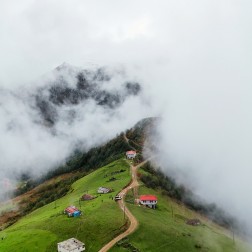
Kabardino-Balkaria is one of the Caucasus regions that instantly delivers scale: snowy summits, narrow gorges, waterfalls, and roads that feel dramatic from the first hour. For travelers, it works as both a classic Elbrus destination and a broader mountain route full of depth and atmosphere
Yamal
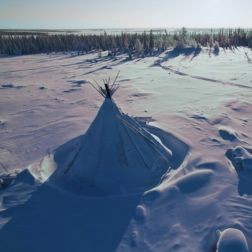
Yamal is Russia’s Arctic Circle story: Salekhard, Nenets reindeer culture, mammoth history, tundra and winter festivals
Komi
Komi is for travelers who want deep northern nature: Syktyvkar, Finno-Ugric culture, virgin forests and Manpupuner