

This website uses cookies.
Learn more

Tula Oblast: Central Russia’s Boldest Cultural Route
Tula Oblast brings together some of the clearest symbols of historic Russia: a 16th-century kremlin, Leo Tolstoy's estate, Kulikovo Field, samovars, gingerbread, and a landscape shaped by roads, workshops, and memory. For international travelers, it is one of the most rewarding and practical cultural routes near Moscow
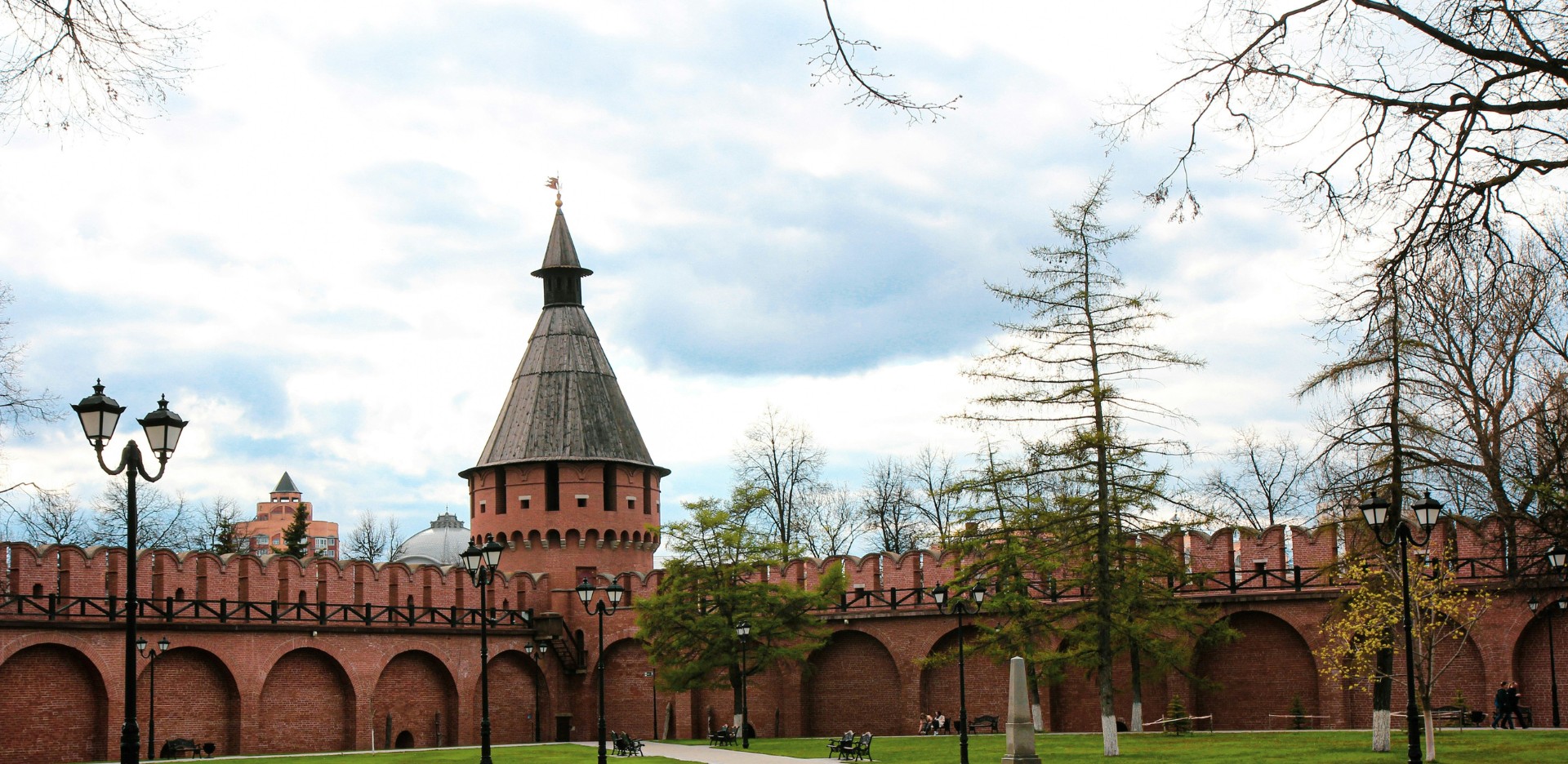
Tula Oblast: What to See and Why It Is One of Central Russia's Most Distinctive Cultural Routes
Tula Oblast is one of those regions where Russia feels immediate, tangible, and easy to understand. The symbols are strong and clear: a 16th-century kremlin, one of the country's best-known weapons museums, gingerbread, samovars, Leo Tolstoy's estate, and the long memory of Kulikovo Field. But the region works so well for travel because these are not isolated attractions. They connect into one of the most coherent routes in central Russia, where urban heritage, literary landscapes, battlefield history, craft traditions, and countryside all sit within manageable distances. For international visitors, Tula Oblast offers something especially valuable: a trip that feels culturally rich without being complicated to plan.
Must-See Places and Routes
The natural starting point is Tula city itself. The Tula Kremlin remains the city's historic core and one of its most recognizable landmarks. Unlike many old Russian fortresses, it was built on low ground rather than on a dominant hill, which gives the city a different visual rhythm. Here, the historic center feels open and grounded rather than ceremonial. A walk through the Kremlin area, the embankment, and the restored central streets immediately shows why Tula works so well for a short cultural break: major landmarks are close together, the route is readable, and the city reveals itself quickly.
A second essential stop is the Tula State Museum of Arms. Tula has long been associated with metalwork and weapon production, and the museum turns that industrial and military legacy into a strong visitor experience. It gives the city weight and specificity. Tula is not just another old regional center with churches and monuments; it is a place with a craft identity that shaped Russian history. That same identity also explains why the city feels so concrete and practical. Even its tourism image is built around making, forging, designing, and preserving.
The strongest regional extension is Yasnaya Polyana, the museum-estate of Leo Tolstoy. Even travelers who are not arriving as literary specialists usually respond strongly to it, because Yasnaya Polyana works on several levels at once: as a major cultural site, as a preserved estate landscape, and as one of the most beautiful day trips in the region. The estate feels spacious, quiet, and deeply connected to the rhythms of rural central Russia. That combination makes it more than a museum visit. It becomes part of the emotional structure of the whole Tula route.
Another major anchor is Kulikovo Field. This is one of the rare destinations in Russia where battle memory, archaeology, and open landscape are presented together as a single experience. It matters not only because of its historical importance, but because it broadens the meaning of the trip. Tula Oblast is not only about city heritage and literary estates; it is also about wide spaces, strategic history, and the way memory settles into the land itself.
For travelers who want a more aesthetic and slower-paced extension, Polenovo is one of the best additions to the route. The museum-reserve associated with painter Vasily Polenov adds a different atmosphere: river views, art, quiet paths, and an estate world that softens the tougher historical profile of Tula. After fortresses, weapons, and battlefield narratives, Polenovo brings balance. It makes the region feel more complete and gives travelers a calmer, more reflective final note.
Suggested Routes: 3, 5, and 7 Days
- A 3-day route works very well in Tula Oblast. Spend one full day in Tula city for the Kremlin, the Museum of Arms, the embankment, and local museums connected with gingerbread and samovars. Use the second day for Yasnaya Polyana, and keep the third for a slower mix of workshops, cafés, and city walks.
- A 5-day route should add Kulikovo Field and either Polenovo or Belyov.
- A 7-day route becomes a broader regional journey: Tula, Yasnaya Polyana, Kulikovo Field, Polenovo, Belyov, and countryside stops between them. This longer version works best for travelers who want to combine must-see landmarks with local atmosphere and regional depth.
Hidden Gems and Local Experience
One of the most distinctive local experiences in the region is Belyov pastila. This traditional apple-based sweet gives Tula Oblast a second gastronomic icon beyond the better-known Tula pryanik. What makes Belyov especially useful in a travel article is that it is not only a product but also a place-based experience. Visitors can explore factory-museum formats, watch parts of the making process, and join tea tastings or master classes. That makes Belyov feel personal, specific, and memorable in a way generic souvenir shopping never does.
Another local strength is the way Tula connects craft, food, and identity. Samovars, gingerbread, metalwork, and decorative traditions do not sit in separate boxes here. They belong to one cultural world. That is why even smaller museums and workshops can feel rewarding: they are part of a larger story about how the region made things, traded things, and turned practical skills into cultural symbols.
Food, Culture, and Traditions
The most famous food name in the region is Tula pryanik, the traditional filled gingerbread associated with the city for centuries. Alongside it stands Belyov pastila, which adds a lighter and more delicate side to the region's food identity. Tea culture also matters here, especially because of the strong visual and historical connection to samovars. For travelers, the best way to experience Tula gastronomy is not through a fine-dining lens, but through tea rooms, historic-style cafés, tasting stops, and local sweets that still feel tied to place.
Culturally, Tula Oblast is unusually easy to read. Its symbols are clear, but they are not superficial. The Kremlin speaks for defense and old urban history. Yasnaya Polyana speaks for literature and memory. Kulikovo Field brings national history into the landscape. Samovars and pryanik represent the domestic and artisanal side of the region. For international travelers, that clarity is a strength. It means the trip feels coherent fr om the beginning, even if you only have a few days.
Planning Your Trip
Fr om a practical point of view, Moscow is the easiest gateway. Tula is a realistic train trip from the capital, which makes it ideal for a short extension or a first regional route beyond Moscow itself. Once in the city, the center is manageable on foot, while taxis and car hire become more useful when building a wider itinerary that includes Yasnaya Polyana, Kulikovo Field, Polenovo, or Belyov.
For foreign travelers, the most important planning issue is payments. International bank cards issued outside Russia generally do not work in the country, so it is best to prepare a local payment solution before arrival. In Tula city, card acceptance is common in standard urban settings such as museums, hotels, cafés, and chain stores, but cash remains useful for smaller purchases, countryside stops, markets, and some local producers. That is why many travelers arrange a Russian MIR card in advance. It makes train bookings, hotel payments, museum tickets, and online purchases on Russian websites much easier. For a region like Tula Oblast, wh ere the route often includes several towns and attractions, this is not just convenient but genuinely practical.
A Russian SIM card is also helpful. It simplifies taxis, local calls, route changes, and communication with guesthouses or smaller museums. As for timing, late spring to early autumn is the most rewarding season for the region. City walks, estate parks, battlefield landscapes, and riverside views all work best in warm weather. Winter can still be attractive for museums and the city center, but the trip becomes more indoor and less landscape-driven.
Tula Oblast is generally a comfortable region for structured cultural travel. Basic common-sense rules are enough: carry documents with you, confirm opening times for rural sites in advance, and dress modestly when visiting churches, monasteries, or memorial places. The overall tone of travel here is calm rather than rushed. That is one of the region's advantages. Tula rewards travelers who leave space for slower walks, museum visits, tea stops, and short detours rather than trying to turn the route into a checklist.
Ready4Ru tip: To avoid relying on cash exchange and to pay more easily for trains, hotels, museums, and Russian websites, many travelers arrange a Russian MIR card before the trip. This is especially helpful for routes like Tula Oblast, wh ere the journey often includes several stops and advance online booking.
Useful Ready4Ru services: apply for a Russian card via Ready4Ru bank card and protect your trip with Ready4Ru travel insurance.
Tula Oblast works so well because it does not depend on a single postcard image. It offers a rare mix: fortress architecture, literary heritage, battlefield memory, living craft traditions, regional sweets, estate landscapes, and a city that is genuinely easy to use. For international travelers, it is one of the most practical and rewarding cultural routes near Moscow. Inspired to go? Make the trip easier before you arrive by planning your payments in advance, arranging a Russian MIR card for everyday travel needs, and adding travel insurance for a smoother journey across Russia.
Other articles
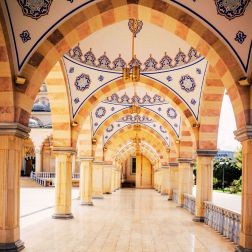
Chechnya
The Chechen Republic is one of the most visually contrasting regions in the North Caucasus: a modern capital, major mosques, mountain roads, high lakes, and fast shifts from city scale to highland silence. For travelers, it offers a route shaped by contrast and surprise

Stavropol Krai
Stavropol Krai works differently fr om the higher mountain republics: it is about rhythm, resort culture, long promenades, mineral springs, and the soft edge wh ere spa towns meet the Caucasus. For travelers, it offers one of southern Russia’s most polished and accessible regional escapes
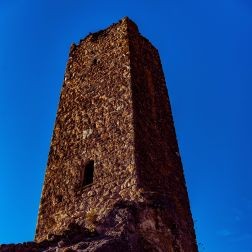
North Ossetia–Alania
North Ossetia–Alania is one of the most complete travel regions in the North Caucasus, combining a charismatic city, famous gorges, strong mountain roads, and places that carry real historical weight. For travelers, it is a route with both scenery and story
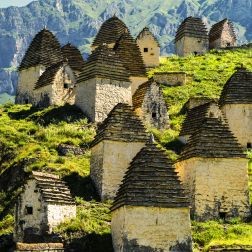
Ingushetia
Ingushetia is one of the North Caucasus’ quietest and most distinctive regions, known for mountain tower complexes, narrow valleys, and a remarkable sense of stillness. For travelers, it offers a route built less on spectacle alone and more on atmosphere, history, and mountain memory
Karachay-Cherkess Republic
Karachay-Cherkessia is one of the most rewarding mountain regions for travelers who want both scenery and flexibility. With Dombay, Arkhyz, and Teberda in one region, it offers a route that can feel adventurous, restorative, and surprisingly varied within just a few days
Kabardino-Balkaria
Kabardino-Balkaria is one of the Caucasus regions that instantly delivers scale: snowy summits, narrow gorges, waterfalls, and roads that feel dramatic from the first hour. For travelers, it works as both a classic Elbrus destination and a broader mountain route full of depth and atmosphere
Yamal
Yamal is Russia’s Arctic Circle story: Salekhard, Nenets reindeer culture, mammoth history, tundra and winter festivals

Komi
Komi is for travelers who want deep northern nature: Syktyvkar, Finno-Ugric culture, virgin forests and Manpupuner