

This website uses cookies.
Learn more

Tomsk: Wooden Lace and Siberian Student Life
Tomsk is Siberia’s wooden-lace city: carved houses, student energy, old streets, museums and a softer intellectual atmosphere
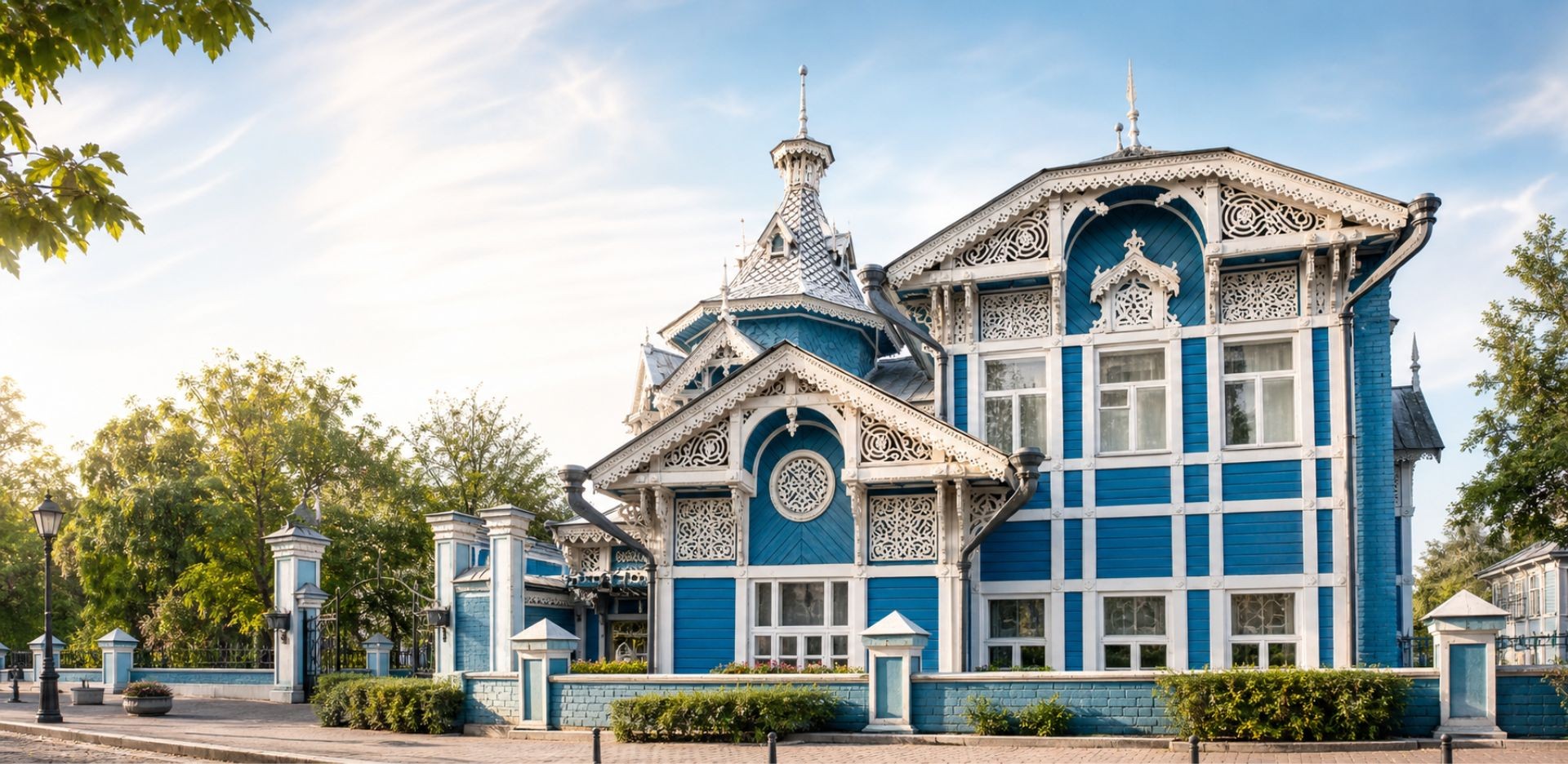
Tomsk: Wooden Lace and Siberian Student Life
Tomsk is one of the most charming city articles in Siberia because its identity is instantly visual. The city is famous for wooden architecture: carved window frames, ornate facades, old houses and entire streets where Siberian “wooden lace” survives in daily life. But Tomsk is not only nostalgic. It is also a major university city, with students, museums, cafes and a softer intellectual rhythm than many larger industrial centers. For international travelers, Tomsk is a rewarding detour fr om the main Trans-Siberian line and a strong contrast to Novosibirsk’s metropolitan scale.
Inspiration & Must-See Places
The wooden architecture is the main attraction. Houses with carved decorations, including famous examples such as the House with Firebirds and other ornate mansions, give Tomsk a fairytale quality. The Museum of Wooden Architecture helps visitors understand the styles and preservation challenges. Walk slowly through historic districts rather than only photographing one building. Tomsk State University and the university quarter add another layer: libraries, botanical spaces, museums and a student atmosphere. Voskresenskaya Hill is important for city views and historical context. Museums of local lore, art, science and university collections make Tomsk a strong indoor destination in winter. The city center is walkable and rewarding: cafes, theatres, old churches, monuments and quiet streets create a complete urban experience.
Hidden Gems & Local Experience
Tomsk is a city for wandering. The hidden gem is not a remote attraction but the moment when you turn a corner and find another carved wooden facade still inhabited, repaired, tilted or glowing in evening light. Visit cafes used by students, walk in university areas, and look for small galleries or bookstores. In winter, snow on carved houses makes the city especially atmospheric. In summer, the city feels green and relaxed. A good local experience is to ask residents which wooden houses they love most; Tomsk people often have personal favorites.
Culture, Food & Traditions
Tomsk’s culture is academic, literary and youthful. The presence of universities shapes the city’s cafes, festivals, lectures and casual energy. Food is accessible and varied: Russian comfort dishes, Siberian soups, dumplings, pastries, coffee shops and student-friendly restaurants. The wooden houses are part of living culture, not only heritage. This is important for tone: the article should show beauty but also respect the fact that preservation is complex, expensive and ongoing.
3/5/7-day routes
- 3 days: Day 1 — historic center, wooden architecture walk and cafes. Day 2 — Museum of Wooden Architecture, Tomsk State University area, botanical garden or university museums. Day 3 — Voskresenskaya Hill, local lore museum, theatre or relaxed street photography.
- 5 days: add deeper museum time, nearby nature or a slow photography route through different wooden districts.
- 7 days: combine Tomsk with Novosibirsk or Kemerovo for a Western Siberia route: big city, student city, wooden architecture and industrial heritage.
Best Season and Travel Angle
Tomsk is attractive in both warm and cold seasons. Summer makes long walks easy and highlights the city’s green academic atmosphere. Winter adds snow to carved wooden facades and creates a very Siberian visual identity, although visitors need warm clothing and shorter walking routes. The article should position Tomsk as a cultural detour worth the effort. It is not the easiest hub, but it gives something rare: a city wh ere architecture, education and lived history are visible at street level. For international travelers who like photography, books, universities, cafes and quiet discoveries, Tomsk can become one of the most memorable stops in Siberia.
Who This Route Is Best For
Tomsk is best for travelers who love architecture, universities, photography, cafes and walkable cities. It is especially appealing to people who prefer details over scale: carved windows, old houses, quiet museums, students and street atmosphere. In the CMS, Tomsk should be positioned as a charming detour fr om Novosibirsk and a valuable stop for slow Siberian travel. Its promise is intimacy: a city wh ere the traveler notices small things and remembers them.
Planning Your Trip: Logistics, Money & Safety
Tomsk is accessible by air and road/rail connections through nearby hubs, though some travelers arrive via Novosibirsk. The city itself is comfortable for walking, but winter requires warm clothing and good shoes. Domestic payments are useful for hotels, cafes, museums, taxis and online bookings. Ready4Ru’s bank card helps foreign visitors pay inside Russia, while insurance is recommended for any multi-city Siberian trip. For photography, remind readers to respect private homes and avoid entering courtyards or buildings without permission.
Tomsk gives the Siberian series warmth, detail and human scale. It is not about dramatic cliffs or extreme weather, but about carved wood, students, museums and the feeling that history is still breathing through ordinary streets. For Ready4Ru, it is one of the best city destinations for thoughtful travelers.
Other articles
Chechnya
The Chechen Republic is one of the most visually contrasting regions in the North Caucasus: a modern capital, major mosques, mountain roads, high lakes, and fast shifts from city scale to highland silence. For travelers, it offers a route shaped by contrast and surprise
Stavropol Krai
Stavropol Krai works differently fr om the higher mountain republics: it is about rhythm, resort culture, long promenades, mineral springs, and the soft edge wh ere spa towns meet the Caucasus. For travelers, it offers one of southern Russia’s most polished and accessible regional escapes
North Ossetia–Alania
North Ossetia–Alania is one of the most complete travel regions in the North Caucasus, combining a charismatic city, famous gorges, strong mountain roads, and places that carry real historical weight. For travelers, it is a route with both scenery and story
Ingushetia
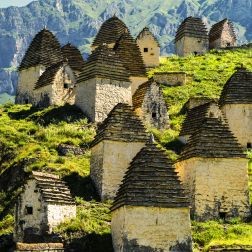
Ingushetia is one of the North Caucasus’ quietest and most distinctive regions, known for mountain tower complexes, narrow valleys, and a remarkable sense of stillness. For travelers, it offers a route built less on spectacle alone and more on atmosphere, history, and mountain memory
Karachay-Cherkess Republic
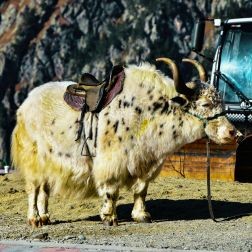
Karachay-Cherkessia is one of the most rewarding mountain regions for travelers who want both scenery and flexibility. With Dombay, Arkhyz, and Teberda in one region, it offers a route that can feel adventurous, restorative, and surprisingly varied within just a few days
Kabardino-Balkaria
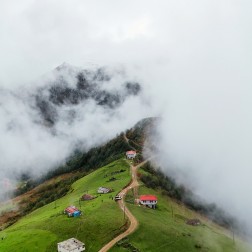
Kabardino-Balkaria is one of the Caucasus regions that instantly delivers scale: snowy summits, narrow gorges, waterfalls, and roads that feel dramatic from the first hour. For travelers, it works as both a classic Elbrus destination and a broader mountain route full of depth and atmosphere

Yamal
Yamal is Russia’s Arctic Circle story: Salekhard, Nenets reindeer culture, mammoth history, tundra and winter festivals

Komi
Komi is for travelers who want deep northern nature: Syktyvkar, Finno-Ugric culture, virgin forests and Manpupuner