

This website uses cookies.
Learn more

Tambov: Russia's Quiet Cultural Surprise
Tambov offers a measured mix of mansions, cathedral views, river walks, musical heritage, and orchard-country extensions. It is a strong choice for travelers who want old Russian atmosphere without heavy crowds or overpacked itineraries
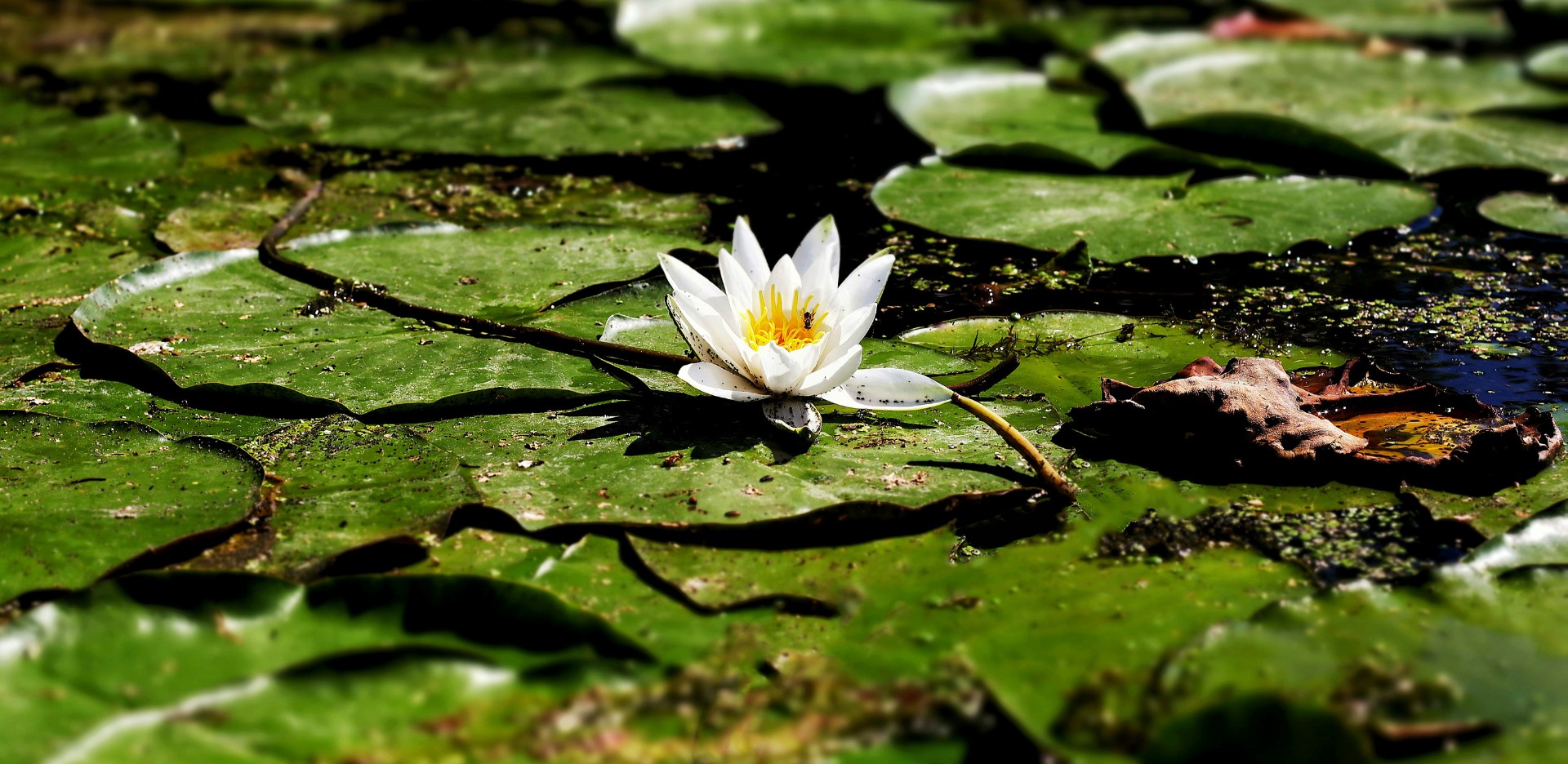
Tambov: What to See and Why It Is One of Russia's Most Understated Cultural Cities
Tambov is one of those cities that people often underestimate until they actually arrive. It does not shout. Instead, it gives travelers an elegant provincial center, a strong riverside atmosphere, a handful of memorable cultural sites, and a wider region shaped by orchards, music, and black-earth landscapes. For international travelers, that can be a real advantage.
This is a route for people who like balance. Tambov is compact enough to feel manageable, but not so small that it runs out of substance. It works best as a slow cultural city break with one or two carefully chosen day trips rather than as a rushed checklist destination.
Must-See Places and Routes
The natural starting point is the historic center and the Tsna embankment. Tambov feels strongest when seen through its public space: old facades, churches, trees, and a river that gives the city air and shape. It is a city that benefits fr om walking.
One of the key landmarks is the Aseev Estate. It adds exactly the kind of visual refinement Tambov needs in order to stand out. Rather than depending only on civic squares and churches, the city also gives travelers a mansion world, decorative detail, and a link to late-imperial cultural life.
The city's religious landmarks also matter. Cathedrals and monasteries help give Tambov a deeper historic structure, while the museum layer keeps the route from becoming purely architectural. This balance between everyday provincial calm and visible heritage is one of Tambov's main strengths.
The strongest regional extension is Ivanovka, the estate connected with Sergei Rachmaninoff. This one day trip changes the whole route, adding music, fields, manor atmosphere, and a more lyrical side of the region. Another useful addition is Michurinsk, wh ere orchard culture and a more specialized town identity bring a different texture to the trip.
Suggested Routes: 3, 5, and 7 Days
A 3-day route should cover Tambov city, the embankment, main museums, and one day trip to Ivanovka. A 5-day route can add Michurinsk and more time for markets, churches, and slower evening walks. A 7-day route works best for travelers who want a very relaxed pace, with countryside food stops, estate culture, and time to let the city settle rather than pushing fr om site to site.
Hidden Gems and Local Experience
Tambov's hidden advantage is atmosphere. Small lanes, quiet churches, local bakeries, and the evening riverfront often create stronger memories than the formal landmark list. This is especially true for travelers who are tired of overprogrammed routes.
For a more local experience, look for markets with apples, preserves, honey, seasonal vegetables, and regional meat products. Tambov is rooted in fertile land, and that agricultural richness shapes the feel of the city more than flashy tourism branding does.
Food, Culture, and Traditions
The food section should absolutely include Tambov ham, which gives the region one of its clearest edible symbols. Alongside it, build the local picture through potatoes, pickled vegetables, orchard fruit, soups, pies, and practical home-style cooking. This is a destination of deep pantry comfort rather than restaurant spectacle.
Culturally, Tambov feels measured and courteous. Useful phrases include 'Gde usadba?' for 'Wh ere is the estate?', 'Mozhno oplatit kartoy?' for 'Can I pay by card?', and 'Kak proyti k naberezhnoy?' for 'How do I get to the embankment?'. The city rewards a slower tone and unhurried curiosity.
Planning Your Trip
From Moscow, Tambov is usually approached by train or domestic flight depending on your wider route and timing. Inside the city, taxis and walking are enough for most visitors. For Ivanovka or Michurinsk, pre-planned transport makes the trip much easier and leaves more room for the parts of the route that actually matter.
A Russian SIM card is useful for taxis, maps, and communication with regional sites. In the city itself, card payments are normal in mainstream businesses, but some cash still helps at markets, small food outlets, and simpler local shops.
For foreign travelers, the most practical financial advice is unchanged: cards issued outside Russia should not be treated as dependable for everyday payments inside the country. A Russian MIR card is much more useful for trains, hotels, cafes, and Russian websites, especially when your trip includes smaller towns and cultural sites.
Ready4Ru tip: many travelers arrange a Russian MIR card before departure so they can pay more easily for hotels, train tickets, and day-to-day purchases in Russia. On a route like Tambov, that makes the trip smoother because the destination works best when it feels calm and continuous, not interrupted by payment problems.
Late spring through early autumn is the strongest season for Tambov. Gardens, estate grounds, orchards, and embankment walks all look better in warm weather. Basic safety rules are simple: carry documents, confirm opening times for regional museums, and dress modestly at churches and monasteries.
Tambov is one of Russia's quiet cultural surprises. It is elegant without being grand, rooted without being heavy, and rich enough to support a beautifully paced regional trip. For travelers who value estates, music, food, and atmosphere over spectacle, it is a very smart choice.
Useful Ready4Ru services: apply for a Russian card via Ready4Ru bank card and protect your trip with Ready4Ru travel insurance.
Editorial note: This article package was prepared in the Ready4Ru blog format with SEO elements and practical travel guidance for international visitors.Other articles
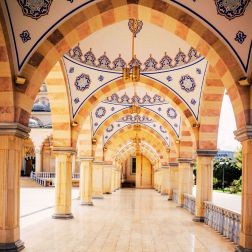
Chechnya
The Chechen Republic is one of the most visually contrasting regions in the North Caucasus: a modern capital, major mosques, mountain roads, high lakes, and fast shifts from city scale to highland silence. For travelers, it offers a route shaped by contrast and surprise
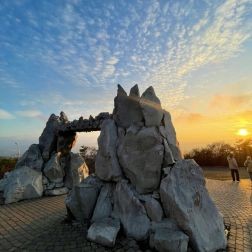
Stavropol Krai
Stavropol Krai works differently fr om the higher mountain republics: it is about rhythm, resort culture, long promenades, mineral springs, and the soft edge wh ere spa towns meet the Caucasus. For travelers, it offers one of southern Russia’s most polished and accessible regional escapes
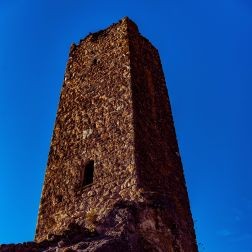
North Ossetia–Alania
North Ossetia–Alania is one of the most complete travel regions in the North Caucasus, combining a charismatic city, famous gorges, strong mountain roads, and places that carry real historical weight. For travelers, it is a route with both scenery and story
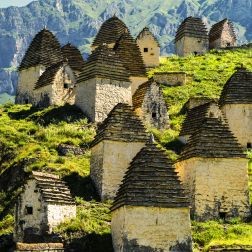
Ingushetia
Ingushetia is one of the North Caucasus’ quietest and most distinctive regions, known for mountain tower complexes, narrow valleys, and a remarkable sense of stillness. For travelers, it offers a route built less on spectacle alone and more on atmosphere, history, and mountain memory
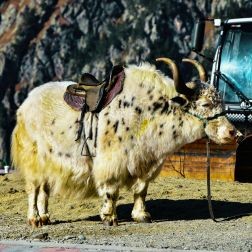
Karachay-Cherkess Republic
Karachay-Cherkessia is one of the most rewarding mountain regions for travelers who want both scenery and flexibility. With Dombay, Arkhyz, and Teberda in one region, it offers a route that can feel adventurous, restorative, and surprisingly varied within just a few days
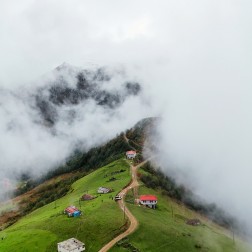
Kabardino-Balkaria
Kabardino-Balkaria is one of the Caucasus regions that instantly delivers scale: snowy summits, narrow gorges, waterfalls, and roads that feel dramatic from the first hour. For travelers, it works as both a classic Elbrus destination and a broader mountain route full of depth and atmosphere
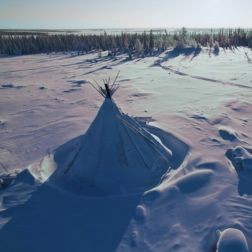
Yamal
Yamal is Russia’s Arctic Circle story: Salekhard, Nenets reindeer culture, mammoth history, tundra and winter festivals

Komi
Komi is for travelers who want deep northern nature: Syktyvkar, Finno-Ugric culture, virgin forests and Manpupuner