

This website uses cookies.
Learn more

Sochi: Best Places to Visit
Sochi, Russia, sea, mountains, Krasnaya Polyana, travelers: Sochi is one of the most versatile travel destinations in Russia, combining the Black Sea coast, mountain landscapes, subtropical parks, and modern infrastructure in one trip. For international travelers, Sochi offers an easy and scenic way to explore Russia, with seaside promenades, botanical gardens, Olympic venues, and quick access to Krasnaya Polyana. Comfortable, visually striking, and rich in contrast, Sochi is ideal for both relaxed holidays and active travel
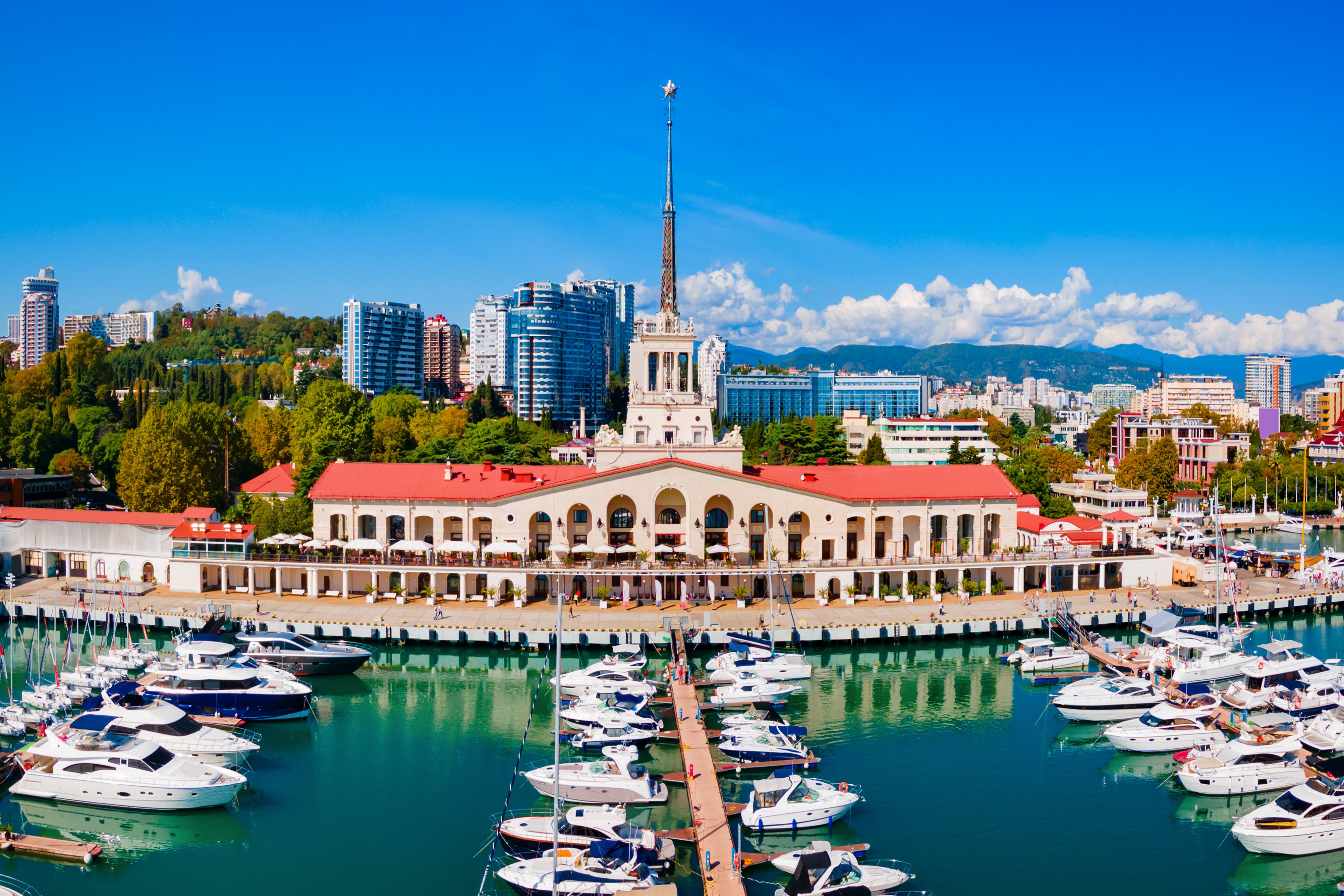
Sochi: Where the Black Sea Meets the Mountains - and the Trip Feels Bigger Than a Beach Holiday
Sochi is one of the rare destinations in Russia that works on several levels at once. It is a coastal city, but not only a coastal city. It is a subtropical resort, but not only a resort. It is a gateway to mountain landscapes, Olympic-era infrastructure, botanical parks, long promenades, and day trips that can shift the rhythm of the journey completely in under an hour. That flexibility is what makes Sochi such a strong topic for the Ready4Ru blog. For international travelers, it offers something that many first-time routes across Russia do not: variety without constant relocation. You can spend the morning by the sea, the afternoon in a park full of palms and cypresses, and the next day in the mountain air around Krasnaya Polyana.
What makes Sochi especially powerful editorially is contrast. The coastline gives it openness and ease; the mountains give it scale. The city can be approached as a soft entry point into Russia for travelers who want comfort, cafés, promenades, and warmer weather, but it also works for readers who want routes, viewpoints, cable cars, forest walks, and a more layered geography. In practical terms, that means Sochi can speak both to casual vacation planning and to more ambitious travel storytelling at the same time.
What to see in Sochi
If this is a first trip, it helps to think in anchors rather than in one long checklist.
The first anchor is the seafront city itself: the promenade, the sea port area, the central embankments, and the feeling of a southern Russian city with a resort rhythm. This part of Sochi is not only about landmarks. It is about atmosphere. Palm trees, cafés, evening walks, and the Black Sea line give the city its emotional tone. It is one of the easiest places in Russia to understand immediately because its geography is visible at a glance: water on one side, green slopes rising behind the city on the other.
The second anchor is the mountain direction - Krasnaya Polyana and Rosa Khutor. This is where the image of Sochi changes dramatically. The journey inland is one of the strongest transitions in the region: sea air gives way to alpine perspectives, rivers, cable-car viewpoints, and a completely different visual language. For many travelers, this is what turns Sochi fr om a resort break into a real route. Rosa Khutor officially presents itself as a year-round mountain resort, and that year-round character matters because the area works far beyond ski season. In winter it is snow, slopes, and mountain infrastructure; in warm months it becomes a base for views, walking, photography, and cooler air after the coast.
The third anchor is the subtropical side of the city, and Sochi Arboretum is the clearest expression of it. The arboretum is one of the places that explains why Sochi feels unlike most Russian cities. Instead of cathedral squares or austere avenues, here you get terraces, rare trees, palms, garden viewpoints, and sculptural details. It changes the emotional texture of the trip. In editorial terms, it is important because it prevents Sochi fr om being reduced to beaches and Olympic memories alone. The city also has a botanical, slow, almost Mediterranean layer - and the arboretum makes that layer visible.
Beyond the obvious route, Sochi has several hidden strengths. One is the way its local experience is built not only around monuments, but around movement through neighborhoods and landscapes. Local markets, fruit stalls, tea souvenirs, and small cafés do a lot of the work here. Another is the possibility of combining classical sightseeing with low-pressure experiences: a quiet morning in a park, a scenic train segment, a mountain viewpoint without a long expedition, or a gentle detour toward waterfalls and forest paths inside the broader Sochi National Park landscape. This is the kind of destination wh ere a trip becomes stronger when you leave some time unprogrammed.
For readers who want route logic, Sochi works especially well in 3-day, 5-day, and 7-day formats
- A 3-day route can focus on central Sochi, the embankment, the sea port zone, the arboretum, and one mountain day toward Krasnaya Polyana. That structure keeps the trip balanced and manageable.
- A 5-day route allows the city to breathe more: one can add Olympic Park, a slower coastal day, and more time in the mountains.
- A 7-day route is wh ere Sochi becomes truly satisfying, because it allows both sea and mountain moods to coexist without rush. That is one of the destination’s main advantages: it can absorb more days without feeling repetitive, because the scenery and pace shift so naturally fr om district to district.
Food and culture in Sochi are also part of the argument for going. This is not a destination built around one narrow culinary identity. The local table reflects the broader Black Sea and Caucasus context: grilled dishes, khachapuri, khinkali, fresh vegetables, cheeses, churchkhela, seasonal fruit, and tea fr om the region. For international readers, this matters because Sochi is easy to enjoy through everyday pleasures. It is not necessary to build the trip around formal gastronomy. A good route here often comes together through breakfast terraces, market stops, bakery counters, and long dinners after the heat of the day has passed.
This is also wh ere local culture feels accessible. Sochi’s mentality is generally resort-oriented: people move more slowly, evenings stretch later, and the city feels less rigid than many northern routes. A few useful Russian phrases still help - “Здравствуйте” (Hello), “Спасибо” (Thank you), “Сколько стоит?” (How much does it cost?) - but Sochi is one of the easier destinations in the country for travelers who prefer to navigate intuitively. It rewards a calm pace. Trying to consume it too quickly is usually the wrong strategy.
Planning the trip
Sochi is relatively straightforward logistically by Russian standards. It is easy to reach by air fr om Moscow, and rail remains part of the appeal for travelers who like longer scenic movement along the south. Inside the region, the structure of the trip matters more than raw distance. Greater Sochi is long and stretched along the coast, so what looks close on a map can still take time in practice. That is why it helps to decide early whether the route is mostly coastal, mostly mountain-oriented, or deliberately split between the two.Movement within the region is usually built around taxis, local rail connections, and walking in concentrated zones rather than around one compact historic center. For many international travelers, a local SIM card is useful almost immediately - for taxi apps, messaging, maps, and booking confirmations. This is one of those destinations wh ere connectivity saves time and reduces friction, especially if the trip includes a coastal base plus mountain day trips.
The financial side is even more important. Sochi is a modern resort city, so card payments are common in central restaurants, chain cafés, many hotels, and organized attractions. But travelers should not assume that every payment scenario will be equally smooth. Small kiosks, market stalls, beach-side impulse purchases, minor transport situations, and some local vendors still work better with cash. More importantly, foreign bank cards often do not work in Russia at all. That turns an otherwise easy destination into a stressful one very quickly.
For Sochi specifically, the right recommendation is balance. It makes sense to have a Russian bank card for the majority of larger expenses and a smaller amount of cash for flexible, low-value spending. A practical split for many travelers is around 70-80% card and 20-30% cash, depending on how much of the itinerary is urban and how much is built around small local purchases. That is especially relevant if the route includes mountain stops, markets, cafés outside the largest hotel infrastructure, or online bookings during the trip.
This is wh ere Ready4Ru fits naturally into the route. Before departure, travelers can arrange a Russian MIR bank card for payments inside Russia, and they can also top up the balance fr om abroad. That matters in Sochi because the city encourages spontaneous booking and movement: train tickets, hotel changes, mountain activities, taxis, and everyday purchases all feel easier when the payment layer is already solved.
The same logic applies to protection. Ready4Ru also helps travelers review travel solutions and insurance options before the trip, which is useful for a destination wh ere routes can include both beach leisure and mountain transitions.
When to go
The strongest season depends on the trip style. Late spring to early autumn is the most universal recommendation for first-time visitors because the coast is active, the city feels open, and mountain excursions are easy to combine with urban days. Summer is the fullest version of Sochi - sea, promenades, cafés, evening life, and resort energy. Early autumn is often one of the most attractive periods editorially because the weather remains pleasant, the visuals soften, and the atmosphere becomes calmer without losing the destination’s main strengths. Winter, of course, changes the structure completely and pushes the route toward the mountain side. That does not weaken Sochi; it simply shifts the emphasis.What to plan in advance
Sochi rewards preparation, but not over-planning. It is better to decide on the route logic, book the key accommodation, solve payments in advance, and leave some breathing room for the city itself. A coastal-only trip, a sea-plus-mountains split, and a mountain-led route with a short city stay each create a very different version of Sochi. None of them is wrong. The important thing is to choose deliberately rather than discover too late that the geography is broader than expected.
Who this trip is for
Sochi works especially well for travelers who want contrast without harsh transitions. It suits couples, solo travelers, visual storytellers, and readers who like destinations with both comfort and movement. If someone wants only monumental history and dense museum concentration, Moscow or St. Petersburg remain easier anchors. But if the goal is a more flexible trip - sea, mountains, parks, food, promenades, and a softer climate - Sochi is one of the strongest options in Russia. It is not one thing, and that is precisely its advantage.
Sochi is not just a resort and not just a city. It is a route built from contrasts that actually cooperate: the sea and the mountains, subtropical parks and Olympic modernity, resort ease and logistical practicality. For the Ready4Ru blog, that makes it one of the strongest editorial destinations in the country. It has atmosphere, visual value, route logic, and a clear practical layer for international travelers. If someone wants a version of Russia that feels open, scenic, and easier to inhabit day by day, Sochi is one of the most convincing choices.
Inspired? Make the trip easier before you leave: check the Ready4Ru bank card service, solve payments in advance, and review travel support options for a smoother route in Russia.Other articles
Chechnya
The Chechen Republic is one of the most visually contrasting regions in the North Caucasus: a modern capital, major mosques, mountain roads, high lakes, and fast shifts from city scale to highland silence. For travelers, it offers a route shaped by contrast and surprise
Stavropol Krai
Stavropol Krai works differently fr om the higher mountain republics: it is about rhythm, resort culture, long promenades, mineral springs, and the soft edge wh ere spa towns meet the Caucasus. For travelers, it offers one of southern Russia’s most polished and accessible regional escapes
North Ossetia–Alania
North Ossetia–Alania is one of the most complete travel regions in the North Caucasus, combining a charismatic city, famous gorges, strong mountain roads, and places that carry real historical weight. For travelers, it is a route with both scenery and story
Ingushetia
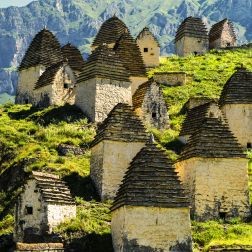
Ingushetia is one of the North Caucasus’ quietest and most distinctive regions, known for mountain tower complexes, narrow valleys, and a remarkable sense of stillness. For travelers, it offers a route built less on spectacle alone and more on atmosphere, history, and mountain memory
Karachay-Cherkess Republic
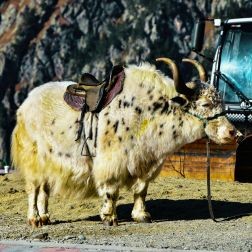
Karachay-Cherkessia is one of the most rewarding mountain regions for travelers who want both scenery and flexibility. With Dombay, Arkhyz, and Teberda in one region, it offers a route that can feel adventurous, restorative, and surprisingly varied within just a few days
Kabardino-Balkaria
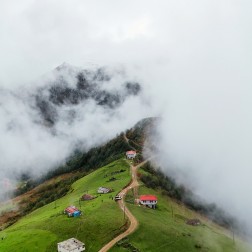
Kabardino-Balkaria is one of the Caucasus regions that instantly delivers scale: snowy summits, narrow gorges, waterfalls, and roads that feel dramatic from the first hour. For travelers, it works as both a classic Elbrus destination and a broader mountain route full of depth and atmosphere
Yamal
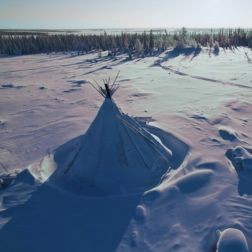
Yamal is Russia’s Arctic Circle story: Salekhard, Nenets reindeer culture, mammoth history, tundra and winter festivals

Komi
Komi is for travelers who want deep northern nature: Syktyvkar, Finno-Ugric culture, virgin forests and Manpupuner