

This website uses cookies.
Learn more

Smolensk Oblast: What to See in Western Russia
Smolensk Oblast is one of those regions where western Russia feels layered, powerful, and deeply historic — through fortress walls, cathedral hills, artistic estates, and roads that still follow the logic of an old borderland
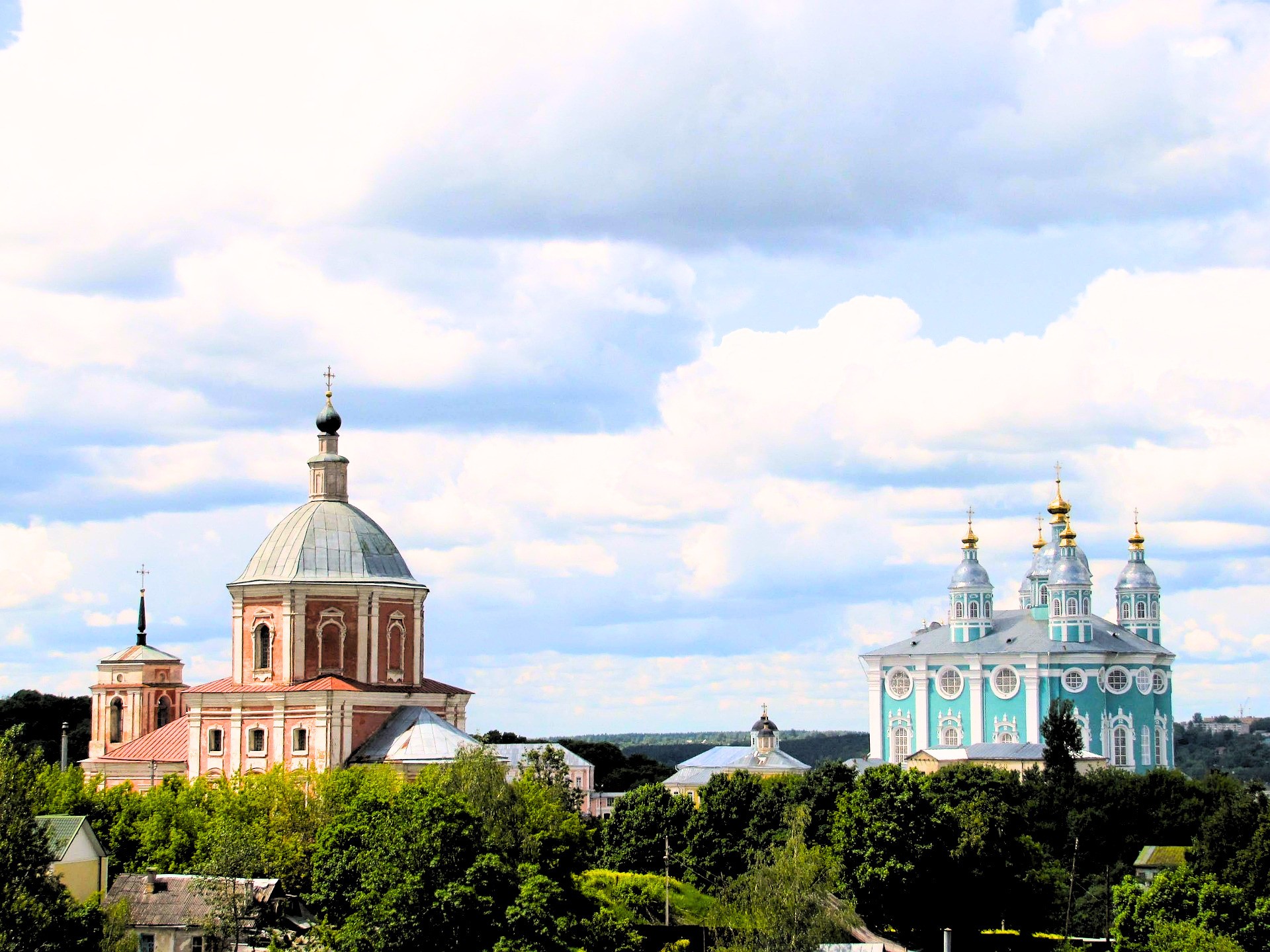
Smolensk Oblast: What to See and Why It Is One of Western Russia’s Strongest Historic Routes
Smolensk Oblast is one of those regions where Russia feels old in the most convincing way. Not decorative-old, but strategic, layered, and deeply rooted. This is a land of fortress walls, cathedral hills, early churches, archaeological fields, artistic estates, and lake country that still carries the memory of trade routes and border defenses. For international travelers, Smolensk works especially well because it combines a strong sense of history with relatively compact distances between key sites. It can be explored as a city break, but it becomes much richer as a regional journey.
The natural starting point is Smolensk city itself. Its defining image is the fortress wall — massive, memorable, and still powerful enough to shape the way the city feels. Smolensk is not just a place with a historical center; it is a city where defensive architecture still sets the rhythm of the streets, viewpoints, and skyline. Walking here gives travelers something that many destinations promise but few deliver: a real sense of historical weight without losing the ease of a manageable urban route.
Must-See Places in Smolensk Oblast
The first essential stop is the Assumption Cathedral. It dominates the city visually and emotionally, standing above the Dnieper landscape with the kind of presence that immediately explains why Smolensk mattered for centuries. Even travelers who are not especially focused on religious architecture usually respond to it because it works on several levels at once: as a monument, as a viewpoint, and as one of the clearest symbols of the city’s endurance.
The second key layer of the route is the Smolensk fortress wall itself. This is what gives the region its frontier identity. It turns a simple city walk into a narrative about borders, defense, and movement between east and west. The wall is not only photogenic. It also creates a strong editorial structure for the trip, because many of the most memorable urban views in Smolensk naturally connect back to it.
A major extension fr om the city is Talashkino and Flenovo. This estate world introduces a completely different tone: less military, less monumental, and much more artistic. It brings in the story of Maria Tenisheva, Russian cultural revival, decorative art, and the neo-Russian imagination. For a travel article, Talashkino is important because it prevents Smolensk Oblast from being framed only through war and religion. It shows another kind of regional depth — one built through creativity, patronage, and aesthetic experimentation.
Another must-see stop is Gnezdovo. This archaeological landscape is one of the most meaningful places in the oblast for travelers who like deep history. It shifts the story backward, from the fortress era into the earlier world of trade routes, early settlements, and the long historical movement that connected northern and southern lands. Gnezdovo is quieter than the city center, but that is exactly its strength. It rewards slower travelers who enjoy atmosphere as much as monuments.
For nature, the strongest addition is Smolensk Poozerye. Lake country, forests, and protected landscapes give the region a completely different scale. After walls, cathedrals, and museums, the route opens into water, silence, and longer horizons. This is what makes Smolensk Oblast feel complete: it is not only a historic destination, but also a region wh ere nature and memory continue to support each other.
A longer trip should also include Gagarin. The town adds an unexpected but important dimension to the region: the Soviet and space-age layer. For international visitors, this works surprisingly well inside the overall route. Smolensk Oblast is not frozen in one century. It moves fr om medieval frontier heritage to artistic estates and then into the era of Yuri Gagarin, giving the journey a broader historical arc.
Suggested Routes: 3, 5, and 7 Days
- A 3-day itinerary should focus on Smolensk city, the fortress wall, the cathedral ensemble, and one carefully chosen half-day extension — ideally Talashkino. This version works best for travelers who want the strongest architectural and cultural contrast without spending too much time on the road.
- A 5-day itinerary allows the region to open up properly. Add Gnezdovo and either Gagarin or Smolensk Poozerye. At that point, the trip becomes more than a city break. It becomes a journey through layers of western Russian history: medieval power, faith, archaeology, estates, and landscape.
- A 7-day itinerary is the strongest version for travelers who like depth, slower pacing, and a wider mix of experiences. Keep Smolensk, Talashkino, Gnezdovo, Gagarin, and Smolensk Poozerye, then leave room for smaller towns, market stops, rural viewpoints, and less structured time. That is usually when the region works best — not as a checklist, but as a route with character.
Hidden Gems and Local Experience
One of the most interesting things about Smolensk Oblast is that its strongest travel moments are not always the most obvious ones. Smaller churches, quieter riverside walks, museum estates, local craft details, and old streets often create the memory of the trip more effectively than a major landmark alone.
Talashkino is a perfect example. It is not simply an excursion site; it is a place wh ere the region’s artistic identity becomes tangible. Travelers who want something more authentic than standard sightseeing often respond very well to places like this because they reveal how people imagined, designed, and lived in the region rather than only how they defended it.
The same is true for time spent outside the biggest landmarks. Local cafés, small museums, riverside embankments, and market stops help make the region feel lived-in rather than staged. Smolensk rewards travelers who leave space for slower observation and small discoveries. That is one of its biggest advantages over more crowded classic routes.
Food, Culture, and Local Character
Smolensk Oblast is not usually sold as a purely gastronomic destination, but that actually works in its favor. The food experience here feels grounded rather than theatrical. Tea, pastries, seasonal produce, traditional sweets, and simple regional meals fit naturally into the route. One name that deserves attention is Vyazma gingerbread, or vyazemsky pryanik — a local symbol that gives the region an immediate edible identity.
Culturally, Smolensk feels calmer and more concentrated than many high-traffic destinations. Its strongest impression comes from continuity: church domes above the hills, fortress fragments in the urban landscape, old roads, museum interiors, and the sense that western Russia can still be read through place rather than performance. This is exactly why the region works well for international travelers who want atmosphere and meaning, not only headline landmarks.
Useful Russian phrases stay simple here: “Gde krepostnaya stena?” means “Where is the fortress wall?”; “Mozhno oplatit kartoy?” means “Can I pay by card?”; and “Kak proyti k soboru?” means “How do I get to the cathedral?” Even a few practical phrases can make regional travel smoother and more enjoyable.
Planning Your Trip: Logistics, Payments, and Safety
For most travelers, Moscow is the easiest gateway to Smolensk Oblast. Once inside the region, Smolensk city itself is manageable without a car, but day trips become easier with a driver, taxi planning, or a rental car. A Russian SIM card is not absolutely essential, yet it makes maps, local coordination, and taxi use much easier. The most important practical point is payments. International bank cards issued outside Russia often do not work inside the country, so travelers should not rely on their usual Visa or Mastercard for everyday costs. The smartest setup is a Russian MIR card for standard payments plus some cash for smaller cafés, markets, or rural stops. Many travelers arrange this in advance through Ready4Ru’s bank card service, which helps make train bookings, hotel payments, and online purchases in Russia much simpler.
If your route includes several stops, intercity movement, or a longer stay, it is also practical to arrange travel insurance for Russia before departure. That gives the article a practical finish without interrupting the travel narrative: Smolensk is best enjoyed when the logistics are handled in advance and the trip can stay focused on places rather than payment problems.
In terms of season, late spring through early autumn is the strongest period. Fortress walks, estate landscapes, lake roads, and longer regional routes all work better in warm light. Winter can still be rewarding, especially for travelers focused on architecture, museums, and atmosphere, but the trip becomes more inward and less route-based.
Basic safety rules are straightforward. Keep documents with you, confirm opening times for smaller museums in advance, dress modestly for churches and monasteries, and avoid overloading day plans with too many regional transfers. Smolensk Oblast is not difficult to travel through, but it is best approached with a calm pace and realistic distances.
Smolensk Oblast is one of western Russia’s strongest regional routes because it feels coherent from beginning to end. Fortress walls, cathedral hills, artistic estates, archaeological depth, lake landscapes, and the memory of Yuri Gagarin all belong to the same larger story. It is a destination with historical weight, but also with enough calm and flexibility to feel deeply human. Inspired to go? Make the trip easier before you arrive with a Ready4Ru bank card and travel insurance for Russia for smoother payments and more comfortable travel across the region.
Other articles
Chechnya
The Chechen Republic is one of the most visually contrasting regions in the North Caucasus: a modern capital, major mosques, mountain roads, high lakes, and fast shifts from city scale to highland silence. For travelers, it offers a route shaped by contrast and surprise
Stavropol Krai
Stavropol Krai works differently fr om the higher mountain republics: it is about rhythm, resort culture, long promenades, mineral springs, and the soft edge wh ere spa towns meet the Caucasus. For travelers, it offers one of southern Russia’s most polished and accessible regional escapes
North Ossetia–Alania
North Ossetia–Alania is one of the most complete travel regions in the North Caucasus, combining a charismatic city, famous gorges, strong mountain roads, and places that carry real historical weight. For travelers, it is a route with both scenery and story
Ingushetia
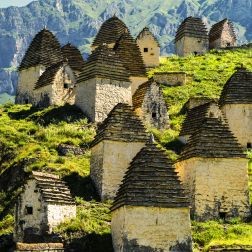
Ingushetia is one of the North Caucasus’ quietest and most distinctive regions, known for mountain tower complexes, narrow valleys, and a remarkable sense of stillness. For travelers, it offers a route built less on spectacle alone and more on atmosphere, history, and mountain memory
Karachay-Cherkess Republic
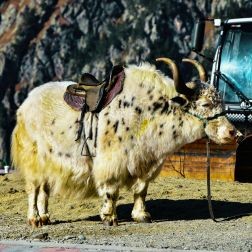
Karachay-Cherkessia is one of the most rewarding mountain regions for travelers who want both scenery and flexibility. With Dombay, Arkhyz, and Teberda in one region, it offers a route that can feel adventurous, restorative, and surprisingly varied within just a few days
Kabardino-Balkaria
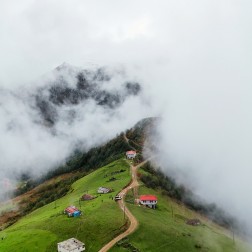
Kabardino-Balkaria is one of the Caucasus regions that instantly delivers scale: snowy summits, narrow gorges, waterfalls, and roads that feel dramatic from the first hour. For travelers, it works as both a classic Elbrus destination and a broader mountain route full of depth and atmosphere
Yamal
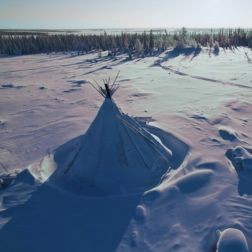
Yamal is Russia’s Arctic Circle story: Salekhard, Nenets reindeer culture, mammoth history, tundra and winter festivals

Komi
Komi is for travelers who want deep northern nature: Syktyvkar, Finno-Ugric culture, virgin forests and Manpupuner