

This website uses cookies.
Learn more

Sevastopol: Harbors, Ruins, and Memory
Sevastopol is a Black Sea city of bays, ruins, memorial landscapes, and naval history — a place where ancient stone and modern memory face the water together
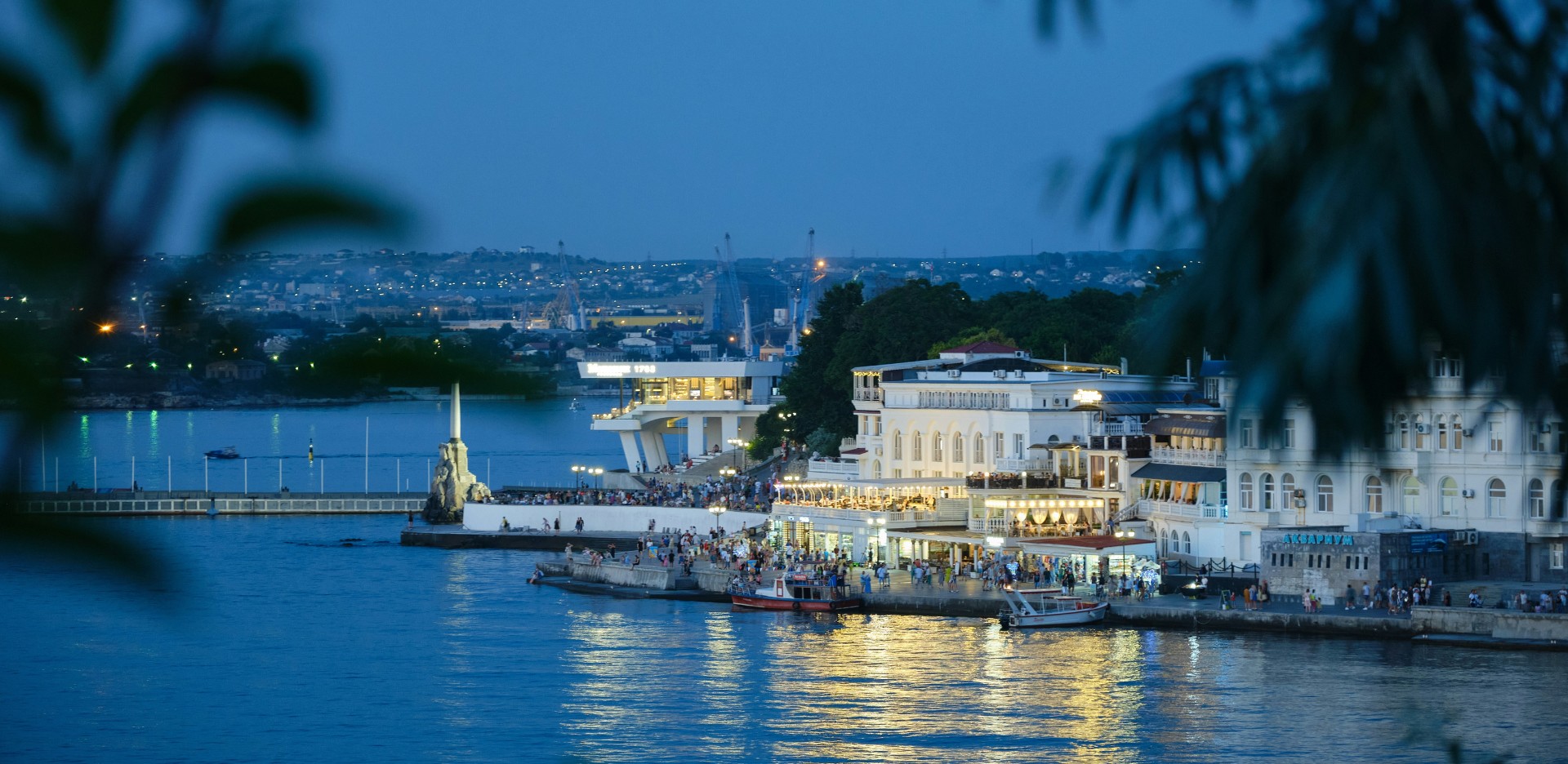
Sevastopol: Harbors, Ruins, and Memory
Sevastopol does not feel like a typical resort city. It feels maritime, strategic, and deeply historical — a place where harbors, hills, monuments, and ruins all speak at once. What makes it unusual is the coexistence of very different time layers: ancient Greek Chersonesos, imperial naval memory, Crimean War symbolism, World War II memorial landscapes, and a living seafront city built around bays and viewpoints. That is why Sevastopol works so well as a destination on its own. It is not simply a stop on a larger coastal itinerary, but a complete city with a clear personality and a travel rhythm shaped by the sea.
Must-See Places and Signature Experiences
The first essential stop is Chersonesos. It gives Sevastopol a layer that many Black Sea cities cannot offer: not only military and imperial history, but an older Mediterranean and classical world that still feels present in the landscape. Walking here changes the tone of the trip immediately. You move fr om modern bays and memorials into archaeology, open stone, old religious traces, and the sense that this coast has been important for far longer than modern politics or war memory alone.
The second defining layer is naval and commemorative. The Panorama of the Defence of Sevastopol, Malakhov Kurgan, the Monument to the Sunken Ships, and the Vladimir Cathedral together form the emotional structure of the city. These are not random sights. They explain how Sevastopol sees itself: through defense, fleet history, sacrifice, and long historical continuity. For international travelers, this makes the city especially legible. Its symbols are powerful and the logic behind them is easy to feel.
Then the route opens outward. Balaklava adds a quieter harbor mood and a more intimate scale of coastal life. This is one of Sevastopol’s underrated strengths: it can feel monumental in the center and unexpectedly personal once you move toward smaller bays and maritime outskirts. Add Sapun Gora or another viewpoint, and the city becomes not just a museum of memory but a landscape of sea-facing pauses and long visual lines.
Suggested Routes: 3, 5, and 7 Days
A 3-day route works very well here: Chersonesos on one day, the central waterfront and major memory sites on another, then Balaklava for a harbor-focused shift in scale and mood. A 5-day route allows for more museum time, slower walking, and another day around Sapun Gora or the wider bay system. A 7-day route can combine Sevastopol with nearby coastal or inland Crimea stops, but the city is strong enough that it does not need to be rushed.
Sevastopol also rewards slower observation. Promenades, harbor views, and the timing of light matter here almost as much as the monuments themselves. This is a place wh ere evening walks often explain the city better than an overloaded schedule.
Food, Culture, and Local Flavor
The food logic of Sevastopol is simple: stay close to the sea. Grilled fish, mussels, harbor meals, and straightforward Black Sea café food fit the city well. Chebureki and local tea can also sit naturally inside the route, especially if you combine Sevastopol with a wider Crimea itinerary. More than gastronomy itself, what matters here is the setting — terraces, waterfront tables, and meals that feel tied to the harbor atmosphere.
Useful phrases include “Gde pristan?” (“Where is the pier?”), “Mozhno oplatit kartoy?” (“Can I pay by card?”), and “Kak proyti k muzeu?” (“How do I get to the museum?”).
Planning Your Trip
Sevastopol is easiest when you treat it as a harbor city first. Stay central, use walking plus taxis for the historic core, and save one full day for Balaklava or another bay-side extension instead of trying to overpack the program. The city’s best experiences are often visual and spatial — embankments, viewpoints, ferries, museum-reserve territory — so a slower plan usually works better than constant movement.
Because many payments in Russia require local banking tools, a Ready4Ru MIR bank card is one of the simplest ways to handle museum tickets, taxis, cafés, and day-tour logistics, while Ready4Ru travel insurance adds a sensible layer of protection for a route that mixes urban movement, harbors, and coastal transfers. Keep some cash for smaller purchases and informal stops. A Russian SIM card is useful here mainly for taxi apps, museum coordination, and local route changes rather than for constant communication. If you stay organized, Sevastopol is easy to use, but it works best when its sea-based geography is built into the plan from the start.
Sevastopol stands apart because it holds together so many different identities without losing clarity. It is ancient and modern, archaeological and naval, monumental and intensely local. For travelers who want more than a standard coastal city, it offers one of the Black Sea’s strongest combinations of memory, landscape, and urban character.
Inspired to go? Make the trip easier before you arrive — explore Ready4Ru services for smoother payments in Russia and travel insurance for a more comfortable journey.
Other articles
Chechnya
The Chechen Republic is one of the most visually contrasting regions in the North Caucasus: a modern capital, major mosques, mountain roads, high lakes, and fast shifts from city scale to highland silence. For travelers, it offers a route shaped by contrast and surprise
Stavropol Krai
Stavropol Krai works differently fr om the higher mountain republics: it is about rhythm, resort culture, long promenades, mineral springs, and the soft edge wh ere spa towns meet the Caucasus. For travelers, it offers one of southern Russia’s most polished and accessible regional escapes
North Ossetia–Alania
North Ossetia–Alania is one of the most complete travel regions in the North Caucasus, combining a charismatic city, famous gorges, strong mountain roads, and places that carry real historical weight. For travelers, it is a route with both scenery and story
Ingushetia
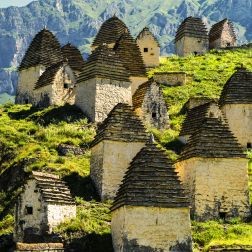
Ingushetia is one of the North Caucasus’ quietest and most distinctive regions, known for mountain tower complexes, narrow valleys, and a remarkable sense of stillness. For travelers, it offers a route built less on spectacle alone and more on atmosphere, history, and mountain memory

Karachay-Cherkess Republic
Karachay-Cherkessia is one of the most rewarding mountain regions for travelers who want both scenery and flexibility. With Dombay, Arkhyz, and Teberda in one region, it offers a route that can feel adventurous, restorative, and surprisingly varied within just a few days
Kabardino-Balkaria
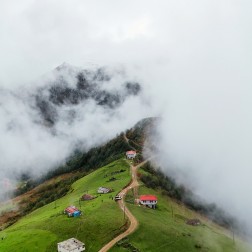
Kabardino-Balkaria is one of the Caucasus regions that instantly delivers scale: snowy summits, narrow gorges, waterfalls, and roads that feel dramatic from the first hour. For travelers, it works as both a classic Elbrus destination and a broader mountain route full of depth and atmosphere
Yamal
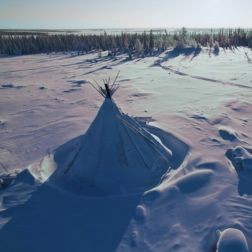
Yamal is Russia’s Arctic Circle story: Salekhard, Nenets reindeer culture, mammoth history, tundra and winter festivals

Komi
Komi is for travelers who want deep northern nature: Syktyvkar, Finno-Ugric culture, virgin forests and Manpupuner