

This website uses cookies.
Learn more

Saratov: Art, Space, and Volga Wind
Saratov is a city of art museums, broad river horizons, and space-age memory — a place where culture and openness feel equally natural
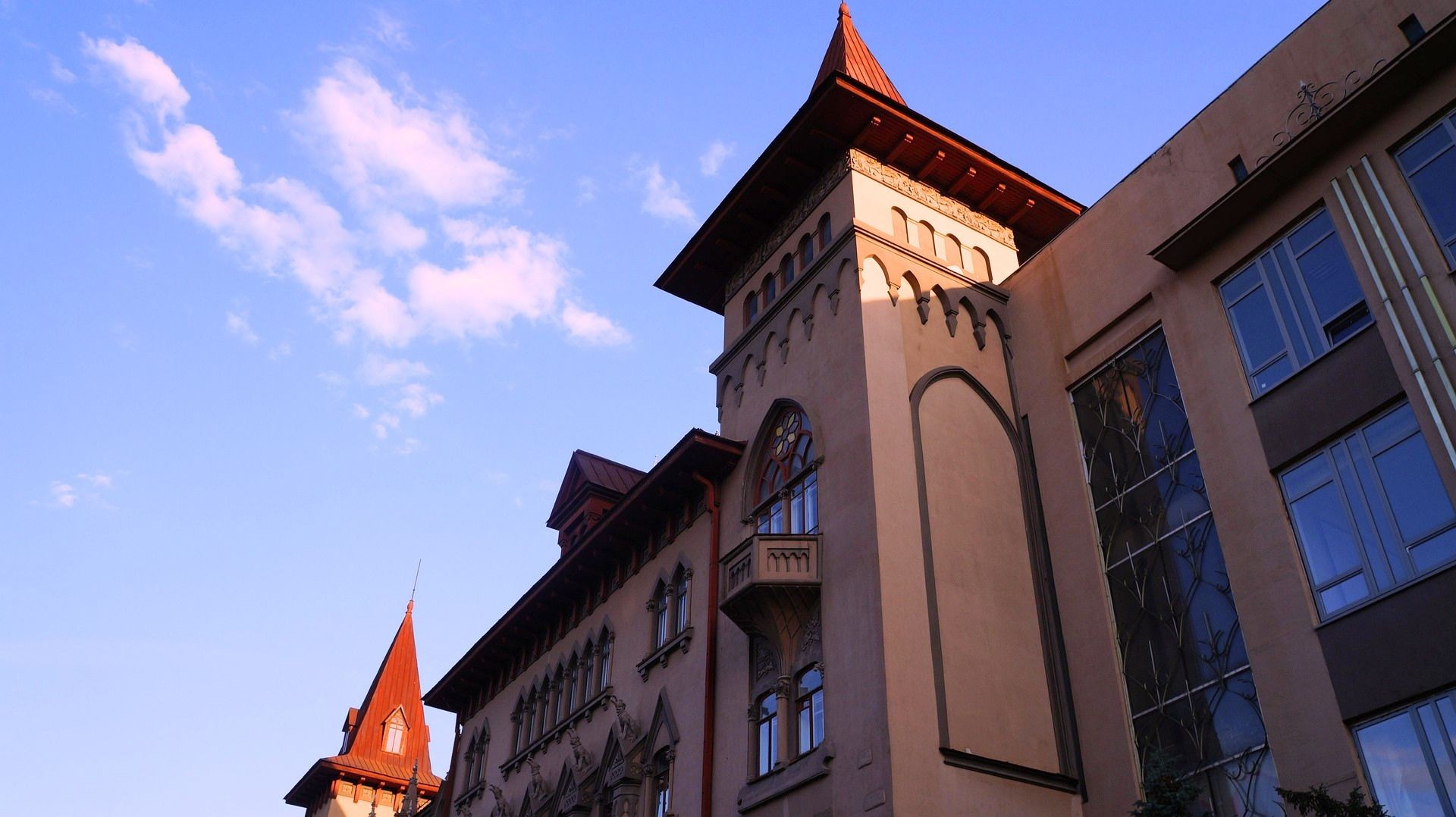
Saratov: Art, Space, and Volga Wind
Saratov has one of the most convincing cultural openings of any Volga city because it begins with art. The Radishchev Museum gives the city real cultural weight, and that alone places Saratov above the level of a routine regional stop.
But Saratov would be weaker if it were only a museum city. What completes it is the Volga — the breadth, the wind, the spacing of the embankments and public horizons — and the fact that the region also holds the Gagarin landing site, one of the most symbolic places in the history of human flight.
That pairing is unusually strong for travel writing: art and space, museum and river, a calm city center and a major off-city symbolic point.
Must-See Places
The first must-see anchor is the Radishchev Museum. It gives Saratov its cultural gravity and explains why the city matters in Russian museum history. The second is the Gagarin landing site in the wider region, which adds one of the cleanest and most powerful symbolic excursions in the Volga belt.
Between those two points, Saratov should be traveled through its open urban structure. The city needs its river line. Without the Volga and the sense of air, the article would feel too museum-bound.
3/5/7-Day Routes
3 days
Day 1 should focus on the Radishchev Museum and the city’s main cultural axis. Day 2 is best spent on the embankment, public space, and a slower reading of Saratov as a Volga city rather than only a museum stop. Day 3 can either remain in the city or be used for an excursion frame toward Engels if logistics are simple.
5 days
Five days are ideal for adding the Gagarin landing site properly. Keep two city days, then use one dedicated day for the space-history route and keep the rest for embankment life, secondary museums, and a more relaxed city pace. This version gives the destination both symbolic depth and breathing room.
7 days
A full week allows Saratov to become not only a city but a regional route. Keep the museum core and Gagarin day, then add a nature or regional extension such as Khvalynsk territory, or simply allow the trip to unfold more slowly. This longer version works best for travelers who like open horizons and layered symbolism.
Hidden Gems and Local Experience
Saratov’s hidden quality is not secrecy, but spaciousness. The city reads best through long perspectives, wind, and the feeling that culture belongs to public life rather than to isolated elite venues.
That is what keeps Saratov from feeling overly formal. Even with a major art museum and a strong symbolic excursion, the city still feels open and breathable.
Food, Culture, and Traditions
Saratov does not depend on one famous dish, and that is not a weakness. Its cultural identity is stronger than its culinary branding. The food block works best when kept realistic: local cafés, riverside dining, and meals that support long museum-and-embankment days rather than trying to dominate them.
In Saratov, the stronger identity is cultural and spatial, and the article should respect that.
Planning Your Trip
Saratov is best planned as a culture-and-space itinerary. Keep the museum core in the city, then use a separate day for Engels and the Gagarin landing site instead of treating it as a side note. For train bookings, hotel payments, and day-to-day spending in Russia, many travelers arrange a Ready4Ru bank card before arrival and add Ready4Ru insurance before departure. This setup is especially useful for transport, hotel payments, local bookings, and general trip flexibility inside Russia.
Saratov stands out because it pairs two things that rarely sit together so well: serious art heritage and the romance of space-age memory. Add the Volga, and the result is one of the most elegant city routes in the middle river belt.
Other articles
Chechnya
The Chechen Republic is one of the most visually contrasting regions in the North Caucasus: a modern capital, major mosques, mountain roads, high lakes, and fast shifts from city scale to highland silence. For travelers, it offers a route shaped by contrast and surprise
Stavropol Krai
Stavropol Krai works differently fr om the higher mountain republics: it is about rhythm, resort culture, long promenades, mineral springs, and the soft edge wh ere spa towns meet the Caucasus. For travelers, it offers one of southern Russia’s most polished and accessible regional escapes
North Ossetia–Alania
North Ossetia–Alania is one of the most complete travel regions in the North Caucasus, combining a charismatic city, famous gorges, strong mountain roads, and places that carry real historical weight. For travelers, it is a route with both scenery and story
Ingushetia
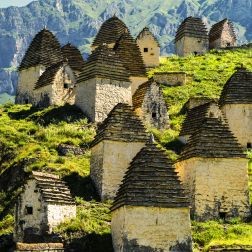
Ingushetia is one of the North Caucasus’ quietest and most distinctive regions, known for mountain tower complexes, narrow valleys, and a remarkable sense of stillness. For travelers, it offers a route built less on spectacle alone and more on atmosphere, history, and mountain memory
Karachay-Cherkess Republic
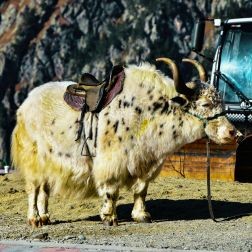
Karachay-Cherkessia is one of the most rewarding mountain regions for travelers who want both scenery and flexibility. With Dombay, Arkhyz, and Teberda in one region, it offers a route that can feel adventurous, restorative, and surprisingly varied within just a few days
Kabardino-Balkaria
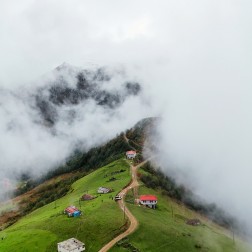
Kabardino-Balkaria is one of the Caucasus regions that instantly delivers scale: snowy summits, narrow gorges, waterfalls, and roads that feel dramatic from the first hour. For travelers, it works as both a classic Elbrus destination and a broader mountain route full of depth and atmosphere
Yamal
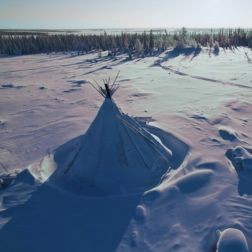
Yamal is Russia’s Arctic Circle story: Salekhard, Nenets reindeer culture, mammoth history, tundra and winter festivals

Komi
Komi is for travelers who want deep northern nature: Syktyvkar, Finno-Ugric culture, virgin forests and Manpupuner