


Saransk: What to See in the Capital of Mordovia
Saransk Botanical Garden is one of the city’s calmest green spaces, where quiet paths, seasonal colors, and local plant collections create a softer side of the capital. It works especially well for travelers who want a slower walk, a break from urban routes, and a more relaxed view of Saransk
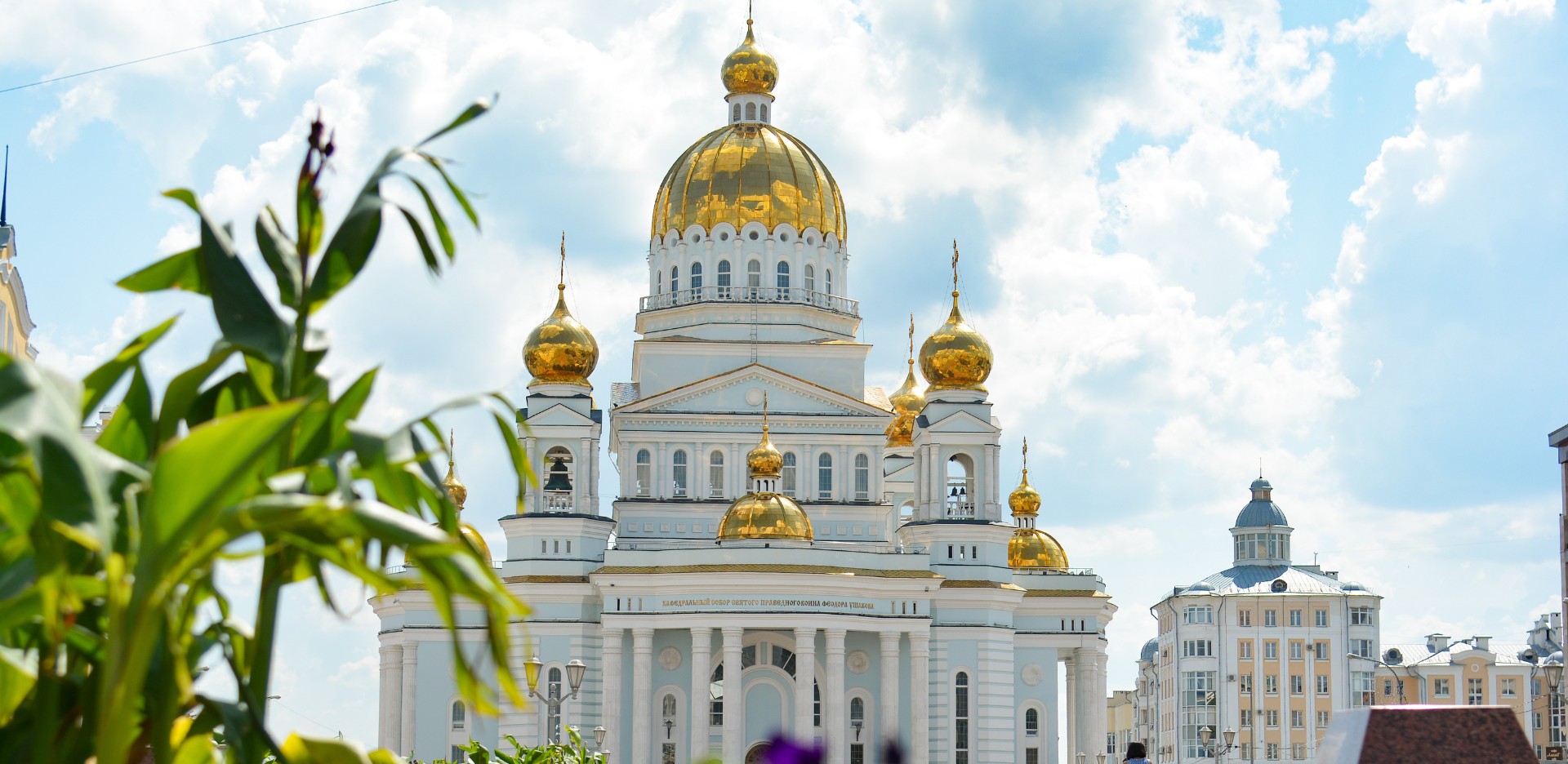
Saransk: What to See in the Capital of Mordovia
Saransk is one of those Russian cities that rarely appears first on an international traveler’s list — and that is exactly why it feels interesting. Compact, calm, and unexpectedly polished, it offers a different view of Russia: less rushed, less predictable, and more local in character.
The capital of Mordovia combines broad avenues, modern public spaces, strong regional identity, and several landmarks that give the city a clear sense of place. It is not a destination built around dozens of world-famous monuments. Instead, Saransk works through atmosphere: clean streets, comfortable distances, striking architecture, and a feeling that the city is easy to understand even on a short trip.
For travelers planning a route through Russia beyond Moscow and St. Petersburg, Saransk can become a rewarding stop — especially for those who want to see a regional capital with its own rhythm, culture, and visual identity.
Why Saransk Feels Different
Saransk changed dramatically in the years leading up to the 2018 FIFA World Cup. The city invested in transport, public spaces, roads, hotels, and pedestrian areas, and that transformation is still visible today. What visitors notice first is not only that Saransk looks organized, but that it feels manageable. It is a city where walking makes sense, where central districts are relatively easy to explore, and where the urban environment feels more relaxed than in larger Russian destinations.
That matters for international travelers. In Saransk, you do not need to spend hours crossing the city just to connect a few landmarks. You can move through it naturally, pause in squares and parks, and combine architecture, museums, and local food in one route without turning the visit into logistics.
Cathedral of St. Fyodor Ushakov
The main visual symbol of the city is the Cathedral of St. Fyodor Ushakov. With its white walls and golden domes, it dominates the central area and gives Saransk one of its most memorable skylines. The cathedral is large, elegant, and immediately recognizable, especially in clear weather when the domes catch the light.
The square around it is one of the city’s most active public spaces. This is where Saransk feels open and civic at the same time: religious architecture, wide urban planning, and everyday city life come together in one frame.
Inside, the cathedral continues the classic language of Russian Orthodox interiors: icons, frescoes, rich decoration, and a sense of vertical space. Even for travelers who are not focused on religious tourism, it remains one of the clearest reasons to include Saransk in a broader route.
Mordovia Arena
If the cathedral represents the traditional and symbolic side of the city, Mordovia Arena shows its modern identity. Built for the World Cup, the stadium became one of the most recognizable elements of Saransk’s new image.
Its architecture feels distinctly contemporary and adds contrast to the city’s churches, museums, and classical public spaces. Even travelers who do not plan to attend a match often visit the area because the stadium works well visually, especially for evening walks and photography.
Erzia Museum of Fine Arts
One of Saransk’s strongest cultural stops is the Mordovian Republican Museum of Fine Arts named after Stepan Erzia. For a city of its size, this is an important asset. It connects Saransk not only to regional culture, but also to a larger artistic story through the work of one of Russia’s best-known sculptors.
The museum gives the trip more depth. It is a good stop for travelers who want more than architecture and public spaces, and it helps explain why Saransk is not only neat and modern, but also culturally grounded.
City Walks and Central Streets
Saransk works best when seen not only through major landmarks but also through its everyday urban spaces. Broad streets, maintained parks, local squares, and quieter residential areas show the city’s real personality. It is in these in-between moments — walking fr om a cathedral to a museum, stopping for coffee, watching the evening light on public buildings — that Saransk becomes memorable.
Beyond the City: Mordovia’s Identity
Saransk is also the gateway to the wider Republic of Mordovia, and that matters for the tone of the trip. The region is associated with forests, rivers, traditional crafts, and the cultural heritage of the Moksha and Erzya peoples. Even if a traveler stays mainly in the city, this regional identity is visible in museums, food, exhibitions, and local references.
That gives Saransk something many regional capitals struggle to communicate: it does not feel generic. It feels connected to a specific cultural landscape.
Local Culture and Food
A trip to Saransk is also a chance to notice regional traditions that differ from the better-known routes of central Russia. Local cuisine, folklore elements, and references to Mordovian heritage make the city more layered than it first appears.
Travelers interested in everyday culture should look not only at formal attractions, but also at cafés, markets, small museums, and seasonal events. In Saransk, these details matter. They help turn a stopover into a fuller impression of place.
Planning a Trip to Saransk
Saransk is relatively easy to include in a wider Russia itinerary, especially for travelers already interested in Volga-region or central Russian routes. The city is more comfortable when the practical side of the trip is sorted in advance.
That is especially true for payments. In many parts of Russia, foreign bank cards may not work reliably, and this can create unnecessary friction when booking hotels, paying in cafés, or organizing transport. For that reason, many travelers prepare before arrival.
Ready4Ru helps visitors arrange key essentials before their trip:
Russian bank card for payments:
https://www.ready4ru.com/bank-card/
Travel insurance for Russia:
https://www.ready4ru.com/insurance/
This is especially useful for regional travel, wh ere having a working local payment option makes the entire route smoother. Instead of worrying about how to pay for tickets, accommodation, food, or transfers, travelers can focus on the trip itself.
Why Saransk Is Worth Adding to a Russia Route
Saransk is not trying to compete with Russia’s biggest destinations, and that is part of its strength. It offers something quieter: a clean and modern regional capital with strong symbols, manageable scale, and real local identity.
For international travelers, this can be exactly the appeal. Saransk is easy to read, pleasant to walk, and different enough from more obvious routes to feel rewarding. The cathedral, the arena, the museum, and the city’s overall atmosphere create a destination that is compact but not empty, modern but not anonymous, and regional in a way that still feels accessible.
In other words, Saransk is a city that surprises not by volume, but by balance.
Other articles
The Chechen Republic is one of the most visually contrasting regions in the North Caucasus: a modern capital, major mosques, mountain roads, high lakes, and fast shifts from city scale to highland silence. For travelers, it offers a route shaped by contrast and surprise
Stavropol Krai works differently fr om the higher mountain republics: it is about rhythm, resort culture, long promenades, mineral springs, and the soft edge wh ere spa towns meet the Caucasus. For travelers, it offers one of southern Russia’s most polished and accessible regional escapes
North Ossetia–Alania is one of the most complete travel regions in the North Caucasus, combining a charismatic city, famous gorges, strong mountain roads, and places that carry real historical weight. For travelers, it is a route with both scenery and story
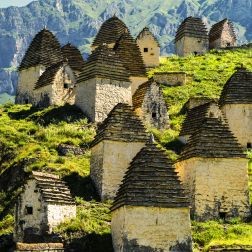
Ingushetia is one of the North Caucasus’ quietest and most distinctive regions, known for mountain tower complexes, narrow valleys, and a remarkable sense of stillness. For travelers, it offers a route built less on spectacle alone and more on atmosphere, history, and mountain memory
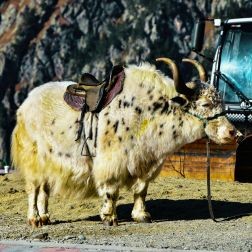
Karachay-Cherkessia is one of the most rewarding mountain regions for travelers who want both scenery and flexibility. With Dombay, Arkhyz, and Teberda in one region, it offers a route that can feel adventurous, restorative, and surprisingly varied within just a few days
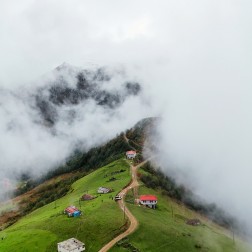
Kabardino-Balkaria is one of the Caucasus regions that instantly delivers scale: snowy summits, narrow gorges, waterfalls, and roads that feel dramatic from the first hour. For travelers, it works as both a classic Elbrus destination and a broader mountain route full of depth and atmosphere
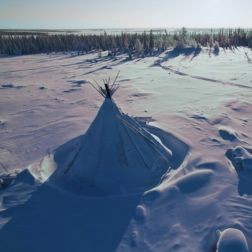
Yamal is Russia’s Arctic Circle story: Salekhard, Nenets reindeer culture, mammoth history, tundra and winter festivals

Komi is for travelers who want deep northern nature: Syktyvkar, Finno-Ugric culture, virgin forests and Manpupuner