

This website uses cookies.
Learn more

Yakutia: Lena Pillars, Permafrost and Arctic Scale
Yakutia is Russia at elemental scale: permafrost, diamonds, the Lena River, Arctic roads and landscapes that feel almost planetary
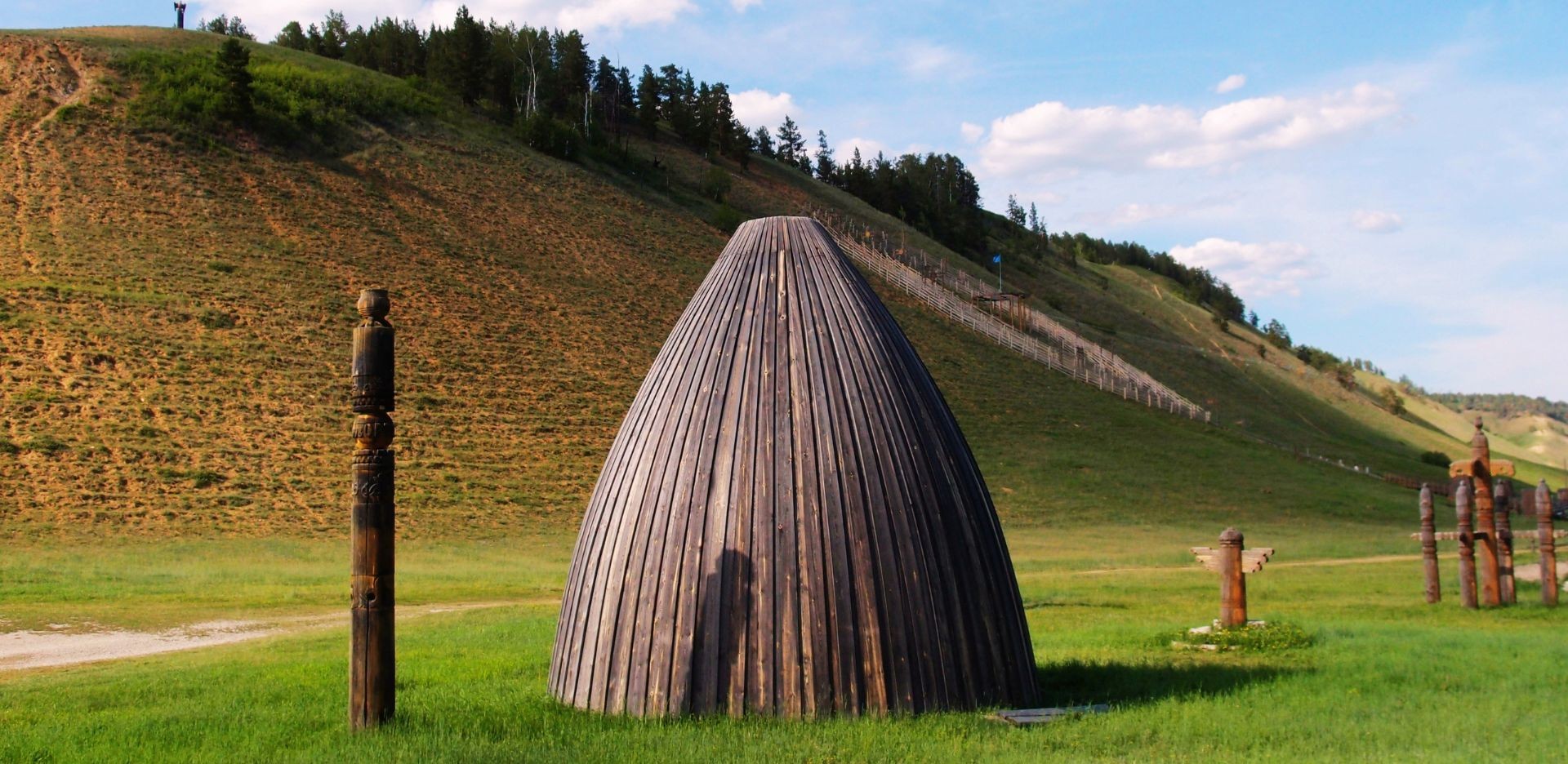
Yakutia: Lena Pillars, Permafrost and Arctic Scale
Sakha, or Yakutia, is not simply “far away.” It is one of the most extreme and fascinating regions a traveler can imagine: enormous distances, permafrost, Arctic climate, diamond history, indigenous cultures and the Lena River cutting through a landscape of huge scale. This is a destination for prepared travelers, not casual improvisation. But for the right audience, Yakutia is unforgettable. It offers experiences that cannot be replicated elsewhere in Russia: Lena Pillars rising above the river, Yakutsk built on permafrost, winter journeys to the Pole of Cold and a cultural world shaped by resilience.
Inspiration & Must-See Places
Yakutsk is the main base. The city is practical, unusual and full of context: permafrost museums, mammoth history, diamond-related exhibitions, markets, theatres and a daily life adapted to severe climate. The Lena Pillars are the iconic natural attraction. These vertical rock formations stretch along the Lena River and are recognized internationally for their geological and scenic value. In summer, trips often involve river routes; in winter, access can depend on frozen-road conditions and specialized transport. Oymyakon is the legendary winter destination, known as one of the coldest inhabited places on Earth. It is powerful as a story, but it should be presented honestly: the route is long, physically demanding and requires experienced local operators. Other attractions include ethnographic complexes, ice and permafrost experiences, local museums and, for more advanced trips, Arctic or northern nature routes. Yakutia’s must-see list should always be balanced with safety and logistics.
Hidden Gems & Local Experience
The hidden gem in Yakutia is learning how people live with the climate rather than only photographing extremes. Visit markets, try local fish and frozen dishes, speak with guides about horses, reindeer, diamonds, folklore and winter clothing. In Yakutsk, the contrast between ordinary city life and permafrost reality is fascinating. A short walk in deep winter can become an experience in itself. In summer, the Lena River gives a completely different mood: wide water, long light, cliffs and open movement. Travelers should also understand that Yakutia is not one culture but a large region with Sakha, Evenk, Even and other northern traditions.
Culture, Food & Traditions
Yakut cuisine is closely connected with climate and survival: fish, meat, stroganina, soups, dairy, berries and foods that make sense in severe cold. Cultural traditions include epic storytelling, horse culture, the Yhyakh summer festival, northern crafts and a deep relationship with land and seasons. The article should avoid treating cold as a stunt. Instead, frame Yakutia as a sophisticated culture of adaptation. For international readers, this is what makes the region more than an extreme-weather headline.
3/5/7-day routes
- 3 days: Day 1 — Yakutsk city, museums and permafrost experience. Day 2 — full-day Lena Pillars route if season and logistics allow, or a shorter cultural excursion. Day 3 — local market, ethnographic center and departure.
- 5 days: add a deeper Lena River or winter-road itinerary, plus more time for museums and cultural sites.
- 7 days: in summer, build a Lena-focused route with Yakutsk and river landscapes; in winter, consider an Oymyakon expedition only with a professional operator and realistic expectations. The distance and cold make flexible days essential.
Best Season and Travel Angle
Yakutia has two completely different travel identities. Summer opens the Lena River, outdoor museums, festivals and easier movement to Lena Pillars. Winter reveals the legendary cold, ice roads, frozen landscapes and the psychological power of living in extreme temperatures. Both are valid, but they require different preparation. The article should help readers choose honestly: summer is better for most first-time visitors; winter is for travelers who actively want the cold and are ready for serious logistics. Yakutia is also a strong premium-guided destination. Independent improvisation is rarely the best approach here, because distances and weather can turn small mistakes into large problems. This makes the region a natural place to emphasize planning, insurance and reliable local operators.
Who This Route Is Best For
Yakutia is best for experienced travelers, winter-adventure seekers, photographers, culture researchers and people who are comfortable with distance. It can also work for luxury expedition-style itineraries when logistics are handled by professionals. In the CMS, the article should use a more responsible tone than ordinary city guides. The promise is not ease; the promise is rarity. Yakutia rewards travelers who prepare carefully and respect the scale of the region.
Planning Your Trip: Logistics, Money & Safety
Yakutia is a high-planning destination. Flights, transfers, river boats, winter roads and guides must be checked carefully. Clothing is not a detail; it is safety equipment. Winter travelers need serious layers, face protection, battery management and local support. Foreign cards should not be relied on for payments inside Russia, especially in remote conditions. Ready4Ru’s bank card can help with domestic hotels, transport and services, while insurance is especially important for remote routes, winter travel and outdoor excursions. The article should advise readers to book reputable local operators and avoid self-driving remote winter roads.
Yakutia is one of the most powerful stories in the Ready4Ru map because it shows Russia at a scale few travelers know. It is beautiful, difficult, intelligent and extreme. Written correctly, the article should inspire curiosity while making it clear that preparation is part of respect.
Other articles
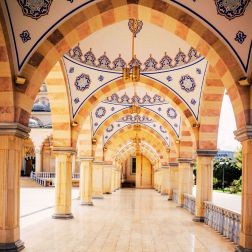
Chechnya
The Chechen Republic is one of the most visually contrasting regions in the North Caucasus: a modern capital, major mosques, mountain roads, high lakes, and fast shifts from city scale to highland silence. For travelers, it offers a route shaped by contrast and surprise
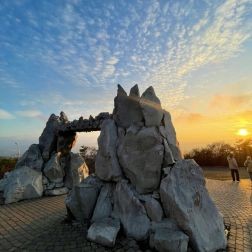
Stavropol Krai
Stavropol Krai works differently fr om the higher mountain republics: it is about rhythm, resort culture, long promenades, mineral springs, and the soft edge wh ere spa towns meet the Caucasus. For travelers, it offers one of southern Russia’s most polished and accessible regional escapes
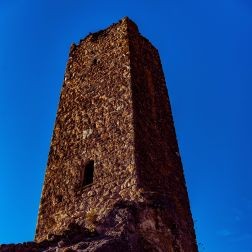
North Ossetia–Alania
North Ossetia–Alania is one of the most complete travel regions in the North Caucasus, combining a charismatic city, famous gorges, strong mountain roads, and places that carry real historical weight. For travelers, it is a route with both scenery and story
Ingushetia
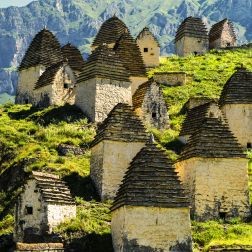
Ingushetia is one of the North Caucasus’ quietest and most distinctive regions, known for mountain tower complexes, narrow valleys, and a remarkable sense of stillness. For travelers, it offers a route built less on spectacle alone and more on atmosphere, history, and mountain memory
Karachay-Cherkess Republic
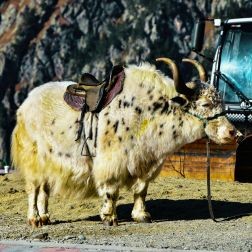
Karachay-Cherkessia is one of the most rewarding mountain regions for travelers who want both scenery and flexibility. With Dombay, Arkhyz, and Teberda in one region, it offers a route that can feel adventurous, restorative, and surprisingly varied within just a few days
Kabardino-Balkaria
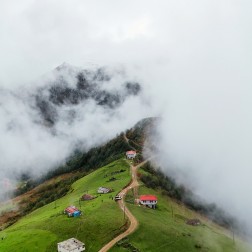
Kabardino-Balkaria is one of the Caucasus regions that instantly delivers scale: snowy summits, narrow gorges, waterfalls, and roads that feel dramatic from the first hour. For travelers, it works as both a classic Elbrus destination and a broader mountain route full of depth and atmosphere
Yamal
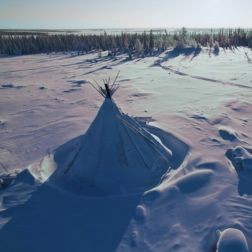
Yamal is Russia’s Arctic Circle story: Salekhard, Nenets reindeer culture, mammoth history, tundra and winter festivals
Komi
Komi is for travelers who want deep northern nature: Syktyvkar, Finno-Ugric culture, virgin forests and Manpupuner