

This website uses cookies.
Learn more

Ryazan Oblast: What to See in Russia’s Historic Heartland
Ryazan Oblast is one of those regions where Russia feels old in the best sense: kremlin walls, monastery silhouettes, poetic landscapes, and roads that lead to places with real depth. It is a destination for travelers who want history, atmosphere, and an easier route beyond the biggest cities
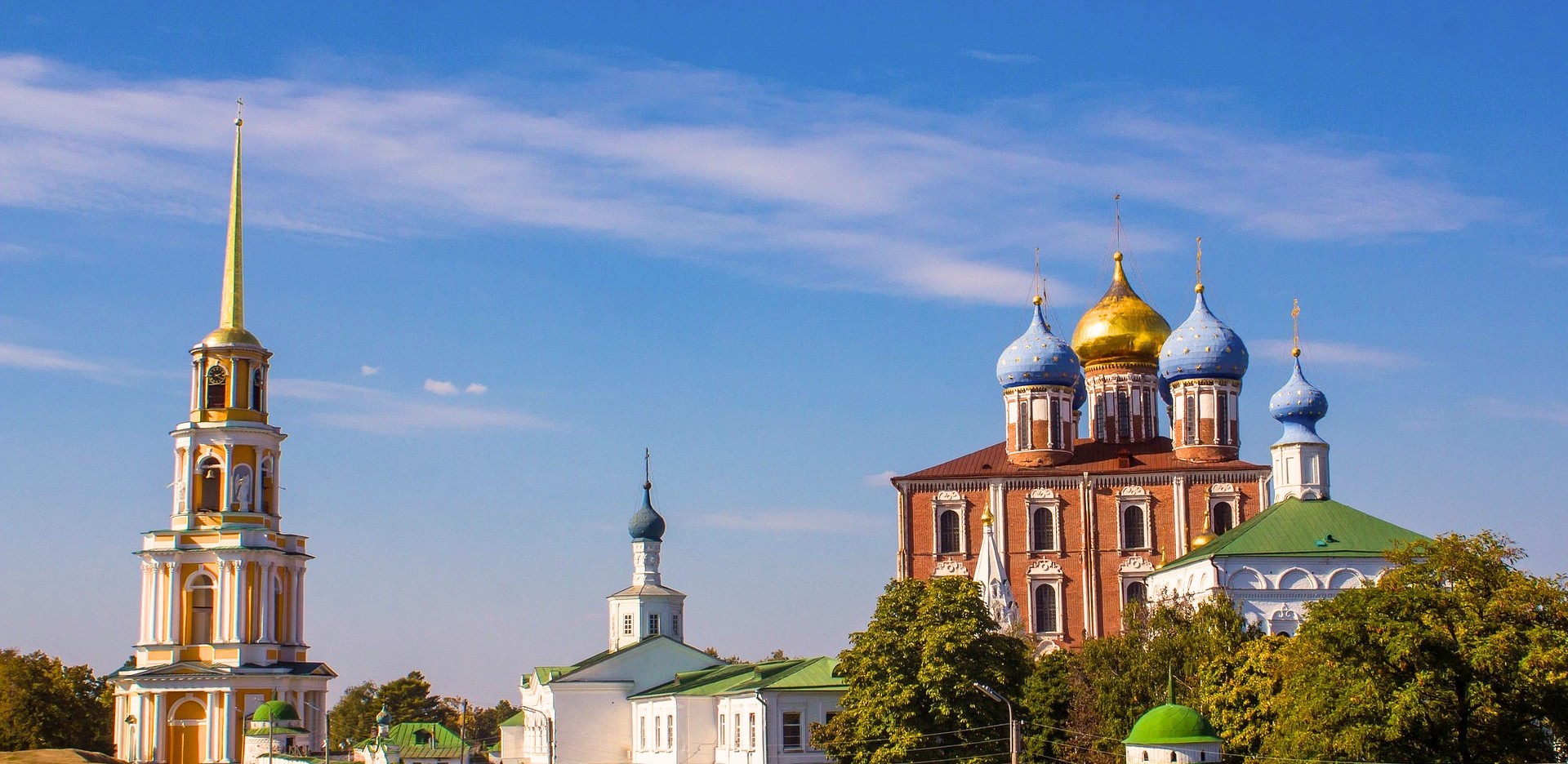
Ryazan Oblast: What to See and Why It Is One of Central Russia’s Most Atmospheric Historic Routes
Ryazan Oblast is one of those regions that reveals Russia through atmosphere rather than spectacle. Instead of a single postcard landmark, it offers a full sequence of places that feel connected: the white-stone ensemble of the Ryazan Kremlin, the poetic river landscapes of Konstantinovo, the archaeological silence of Old Ryazan, the mixed Russian and Tatar heritage of Kasimov, and the forest-and-water world around the Oka reserve. For international travelers, that combination works especially well. Distances are manageable, the visual identity is strong, and the journey feels layered without becoming exhausting.Must-see places in Ryazan Oblast
The natural starting point is Ryazan city itself. The Ryazan Kremlin remains the symbolic and visual heart of the region. Its cathedral silhouettes, old embankments, and museum spaces immediately explain why this place matters in the history of medieval Russia. It is not a giant capital-style complex that overwhelms a visitor; it is a readable, elegant ensemble that gives the trip structure fr om the very first day. A walk here works on several levels at once: architecture, archaeology, city views, and the feeling of standing inside one of central Russia’s oldest cultural landscapes.
The second essential stop is Konstantinovo, the birthplace of Sergei Yesenin. Even travelers who do not know Russian poetry in detail usually respond to this place very quickly. The appeal is not only literary. Konstantinovo stands high above the Oka River, and its open views are part of the experience. It feels both intimate and expansive: a village museum destination that also gives one of the most memorable landscapes in central Russia. This is the kind of stop that slows the pace in the best possible way and makes the whole route feel more human.
A very different but equally important stop is Kasimov. This town adds contrast to the article and to the actual trip because it carries a Tatar layer of history that is unusual for this part of Russia. Mosques, old merchant houses, river views, and a different urban rhythm give Kasimov its own tone. After Ryazan and Konstantinovo, it changes the emotional texture of the route. The region stops looking like a single historical narrative and starts to feel more complex, shaped by trade, faith, and frontier exchange over centuries.
Another powerful layer of the region is connected with Old Ryazan and the landscapes around Solotcha and the Oka territory. Old Ryazan is one of the most intellectually interesting stops in the oblast because it is not only a place to look at, but a place to imagine. It is archaeological, spacious, and quiet in a way that makes history feel tangible. Solotcha adds another note entirely: monastery atmosphere, pine forests, and a calmer rhythm that many travelers appreciate after museum-heavy days. Together, these sites show that Ryazan Oblast is not only about monuments. It is also about space, silence, and continuity.
Suggested routes: 3, 5, and 7 days
- For a first trip, a three-day route works well. Spend one day in Ryazan and the Kremlin ensemble, one day in Konstantinovo, and one day in Solotcha. This version balances city history, literary landscape, and quieter cultural atmosphere.
- A five-day route allows the region to open up properly: add Kasimov and Old Ryazan, and the trip becomes a real regional journey instead of a simple city break.
- A seven-day route is the strongest option for travelers who enjoy slow, layered travel. Keep the core stops, then add craft-focused visits and nature time around the Oka area. That extra time transforms the route from sightseeing into a fuller experience of place.
Hidden gems and local experience
Ryazan Oblast becomes even stronger when you move beyond the standard list of monuments. One of the best local experiences is connected with Skopin ceramics, one of the most recognizable craft traditions of the region. This is exactly the kind of stop that works well for the Ready4Ru audience: it gives travelers something tactile, visual, and local rather than a generic souvenir-shop experience. Another meaningful tradition is Kadom veniz, a delicate needle-lace craft associated with the region. Together, these crafts help show that Ryazan is not only preserved in stone and museums. It also survives in workshops, ornament, and local making.
For travelers who like slower and more authentic moments, the region offers many quiet pleasures: small local markets, countryside guesthouses, village roads with wide views, and museum spaces that still feel personal rather than overproduced. This side of Ryazan is important because it changes the tone of the trip. Instead of rushing between highlights, visitors can build a route around rhythm and texture. That is often the point at which the region becomes memorable: not because of a single sight, but because of how naturally history, landscape, and ordinary life fit together.
Food, culture, and local atmosphere
The food and culture section should stay simple, warm, and grounded. In Ryazan Oblast, travelers should try pirogi (baked pies), med (honey), varenye (fruit preserves), and traditional village-style meals built around mushrooms, potatoes, dairy, and seasonal produce. In smaller towns and guesthouses, the food often feels homemade rather than staged for tourism, and that is part of the charm. Tea culture also matters here. A quiet tea stop after a museum visit or a countryside lunch often becomes one of the most pleasant memories of the route.
Culturally, the region is inseparable from the memory of Sergei Yesenin, but its identity goes beyond literature. Ryazan Oblast is a place of churches, monastery walls, folk crafts, mixed cultural influences, and landscapes that feel tied to the long rhythm of the Oka River. A few useful local phrases go a long way: “Gde kupit bilet?” means “Where can I buy a ticket?”, “Mozhno oplatit kartoy?” means “Can I pay by card?”, and “Kak proyti k kremlyu?” means “How do I get to the Kremlin?” A calm tone, polite questions, and a little patience are usually enough to make travel here easy and pleasant.
Planning your trip: logistics, payments, and comfort
For most international travelers, Moscow is the main gateway to the region. Ryazan is an easy next stop by train or bus, which makes the oblast especially practical for those who want to go beyond Moscow without taking on a long internal flight. Inside the region, Ryazan city itself is manageable without a car, but a rental car or private transfer becomes much more useful if the route includes Kasimov, Old Ryazan, village museums, or slower rural detours. A Russian SIM card is not absolutely mandatory, but it makes taxis, guesthouse communication, and route adjustments much easier.
Payments require planning. Cards are widely accepted in Ryazan city, larger hotels, chain cafes, and many museum-related points, but smaller shops, local markets, and rural stops are less predictable. Foreign Visa and Mastercard cards issued outside Russia should not be treated as a dependable payment method inside the country. The practical solution is simple: carry some cash for small purchases and use a Russian MIR card for hotels, transport, museum tickets, and online bookings. This is wh ere Ready4Ru fits naturally into the trip. Many travelers arrange a Russian bank card before arrival so they can pay more comfortably on Russian websites, book services online, and move around the country without depending on cash exchange every day.
The same planning logic applies to insurance and travel comfort. If the route includes several towns, day trips, or longer movement across the region, travel insurance for Russia is a sensible step before departure. Season also matters. Late spring to early autumn is the easiest period for first-time visitors because river views, village roads, and monastery landscapes are at their most open and photogenic. Winter can still be rewarding, but it shifts the journey toward museums, architecture, and a quieter rhythm. As in many historic religious sites in Russia, modest clothing is the safest choice for monastery visits, and confirming opening hours in advance is always wise.
Ryazan Oblast is not a destination built around noise or instant spectacle. Its strength lies in structure, atmosphere, and continuity. It gives travelers a version of Russia made of kremlin walls, poetic landscapes, archaeological memory, craft traditions, rivers, quiet roads, and towns that still feel rooted in their own history. That is exactly why it works so well for the Ready4Ru blog: it offers readers a real route, not just a headline destination. Inspired to go? Make the trip easier before you arrive with practical payment and travel solutions from Ready4Ru.
Other articles
Chechnya
The Chechen Republic is one of the most visually contrasting regions in the North Caucasus: a modern capital, major mosques, mountain roads, high lakes, and fast shifts from city scale to highland silence. For travelers, it offers a route shaped by contrast and surprise
Stavropol Krai
Stavropol Krai works differently fr om the higher mountain republics: it is about rhythm, resort culture, long promenades, mineral springs, and the soft edge wh ere spa towns meet the Caucasus. For travelers, it offers one of southern Russia’s most polished and accessible regional escapes
North Ossetia–Alania
North Ossetia–Alania is one of the most complete travel regions in the North Caucasus, combining a charismatic city, famous gorges, strong mountain roads, and places that carry real historical weight. For travelers, it is a route with both scenery and story
Ingushetia
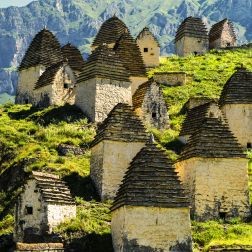
Ingushetia is one of the North Caucasus’ quietest and most distinctive regions, known for mountain tower complexes, narrow valleys, and a remarkable sense of stillness. For travelers, it offers a route built less on spectacle alone and more on atmosphere, history, and mountain memory
Karachay-Cherkess Republic
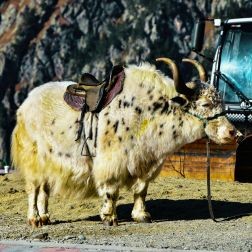
Karachay-Cherkessia is one of the most rewarding mountain regions for travelers who want both scenery and flexibility. With Dombay, Arkhyz, and Teberda in one region, it offers a route that can feel adventurous, restorative, and surprisingly varied within just a few days
Kabardino-Balkaria
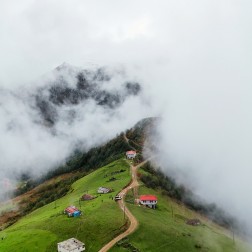
Kabardino-Balkaria is one of the Caucasus regions that instantly delivers scale: snowy summits, narrow gorges, waterfalls, and roads that feel dramatic from the first hour. For travelers, it works as both a classic Elbrus destination and a broader mountain route full of depth and atmosphere
Yamal
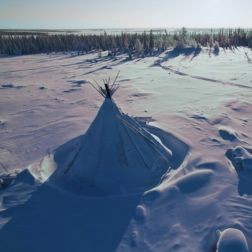
Yamal is Russia’s Arctic Circle story: Salekhard, Nenets reindeer culture, mammoth history, tundra and winter festivals

Komi
Komi is for travelers who want deep northern nature: Syktyvkar, Finno-Ugric culture, virgin forests and Manpupuner