

This website uses cookies.
Learn more

Rostov-on-Don: Where the South Begins
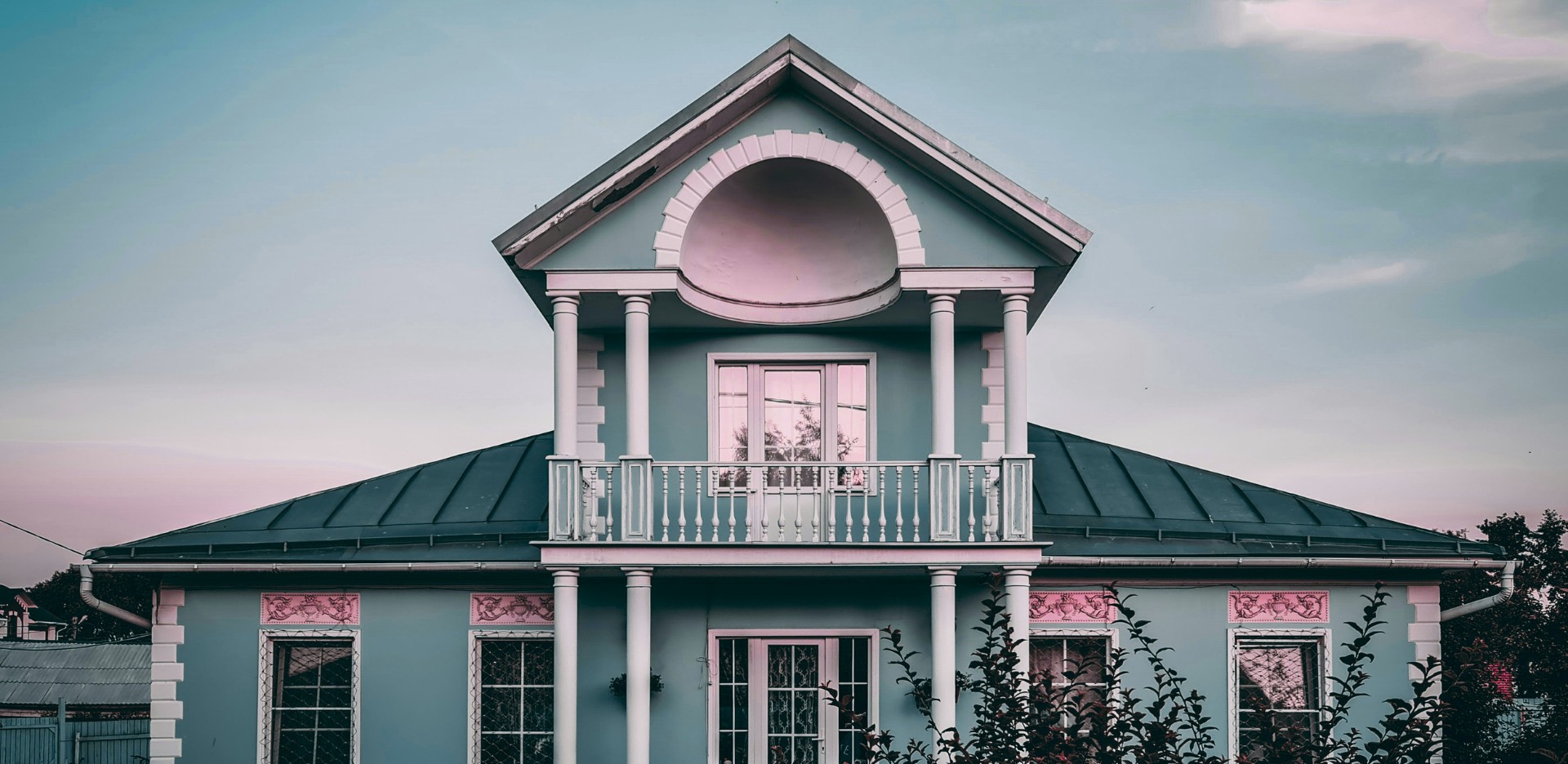
Rostov-on-Don is a city of river light, markets, merchant facades, and southern energy — one of the easiest places to feel how Russian travel changes as the country turns south
Rostov-on-Don: Where the South Begins
Must-See Places and Signature Experiences
The best place to start is Bolshaya Sadovaya. This main street gives Rostov its urban signature through late-imperial architecture, civic scale, and the sense that the city was shaped by commerce, ambition, and southern openness. From there, the Don embankment shifts the trip into a more relaxed register. It is one of the city’s defining public spaces and still the best place to understand Rostov physically: as a city turned toward water, movement, and evening social life.
One of Rostov’s most interesting layers is Nakhichevan-on-Don, historically associated with the Armenian community. This part of the city gives the route more nuance. One walk can feel merchant-Russian, the next Armenian-urban, the next distinctly southern and market-driven. That internal variety is one of Rostov’s main strengths. It prevents the city from feeling visually repetitive.
Rostov also works brilliantly as a base for day trips. Starocherkasskaya, the former capital of the Don Cossacks, gives the route a strong historical extension with churches, museum space, and a clear sense of Cossack heritage. Taganrog, by contrast, adds sea air, staircases, Chekhov associations, and a different southern mood. These nearby options make Rostov one of the best cities in southern Russia for travelers who want both an urban break and a wider regional journey.Suggested Routes: 3, 5, and 7 Days
A 3-day route should focus on Rostov itself: Bolshaya Sadovaya, the embankment, Nakhichevan, museums, and at least one long evening along the Don. A 5-day route can add Starocherkasskaya and a river outing. A 7-day route should include Taganrog and leave enough time for slower, food-driven city days in between. That is important because Rostov is not only a place to “see.” It is a place to spend time in.
Some of the city’s best moments are informal: a market stop, a fish lunch, a café break on a broad street, or twilight by the river after the official sightseeing is done. Rostov rewards presence as much as planning.
Food, Culture, and Local Flavor
Food is one of Rostov-on-Don’s real advantages. This is one of the rare Russian cities wh ere the culinary layer genuinely strengthens the destination rather than simply supporting it. Look for Don fish soup, river fish dishes, crayfish in season, pike caviar wh ere offered, and the produce culture of the south. Tomatoes, herbs, grilled food, open-air markets, and local wine lists all help give the city its tone. For many travelers, food becomes the easiest way to understand why Rostov feels different fr om Moscow or the Volga cities.
Useful phrases include “Gde naberezhnaya?” (“Where is the embankment?”), “Mozhno oplatit kartoy?” (“Can I pay by card?”), and “Kak doekhat do Starocherkasska?” (“How do I get to Starocherkasskaya?”).
Planning Your Trip
Rostov-on-Don is best approached as a southern city break with optional day trips. You do not need to rush. Stay in the center, walk Bolshaya Sadovaya, use the embankment in the evening, and then decide whether your next step should be Cossack, literary, or purely culinary. Within the city, taxis and walking are usually enough. For Starocherkasskaya or Taganrog, train, driver, or pre-planned transfer options become more useful.
Since foreign bank cards do not work in Russia, many travelers prefer to set up a Ready4Ru MIR bank card before the trip so trains, hotels, river outings, cafés, and restaurant payments feel routine rather than complicated. Ready4Ru travel insurance is also worth arranging in advance, especially if your itinerary includes multiple transfers or intercity movement. Rostov itself is comfortable and urban, but the simplest trips are the ones wh ere payment and booking logistics are already solved. A Russian SIM card is useful here mostly for taxi apps, restaurant reservations, and live coordination with hotels or day-tour providers.
Rostov-on-Don works because it gives travelers a version of Russia that feels open, southern, and constantly in motion. It is a city of river light, markets, strong food, layered heritage, and excellent day-trip logic. For anyone who wants to see how Russian travel changes as the country turns south, it is one of the strongest urban routes in the country.
Inspired to go? Make the trip easier before you arrive — explore Ready4Ru services for smoother payments in Russia and travel insurance for a more comfortable journey.
Other articles
Chechnya
The Chechen Republic is one of the most visually contrasting regions in the North Caucasus: a modern capital, major mosques, mountain roads, high lakes, and fast shifts from city scale to highland silence. For travelers, it offers a route shaped by contrast and surprise
Stavropol Krai
Stavropol Krai works differently fr om the higher mountain republics: it is about rhythm, resort culture, long promenades, mineral springs, and the soft edge wh ere spa towns meet the Caucasus. For travelers, it offers one of southern Russia’s most polished and accessible regional escapes
North Ossetia–Alania
North Ossetia–Alania is one of the most complete travel regions in the North Caucasus, combining a charismatic city, famous gorges, strong mountain roads, and places that carry real historical weight. For travelers, it is a route with both scenery and story
Ingushetia
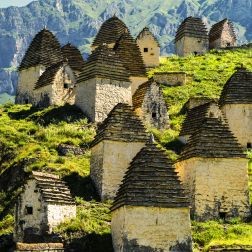
Ingushetia is one of the North Caucasus’ quietest and most distinctive regions, known for mountain tower complexes, narrow valleys, and a remarkable sense of stillness. For travelers, it offers a route built less on spectacle alone and more on atmosphere, history, and mountain memory
Karachay-Cherkess Republic
Karachay-Cherkessia is one of the most rewarding mountain regions for travelers who want both scenery and flexibility. With Dombay, Arkhyz, and Teberda in one region, it offers a route that can feel adventurous, restorative, and surprisingly varied within just a few days
Kabardino-Balkaria
Kabardino-Balkaria is one of the Caucasus regions that instantly delivers scale: snowy summits, narrow gorges, waterfalls, and roads that feel dramatic from the first hour. For travelers, it works as both a classic Elbrus destination and a broader mountain route full of depth and atmosphere
Yamal
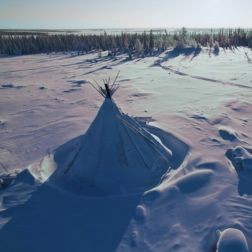
Yamal is Russia’s Arctic Circle story: Salekhard, Nenets reindeer culture, mammoth history, tundra and winter festivals

Komi
Komi is for travelers who want deep northern nature: Syktyvkar, Finno-Ugric culture, virgin forests and Manpupuner