

This website uses cookies.
Learn more

Republic of Altai: Mountains, Lakes and Sacred Roads
The Republic of Altai is Russia’s mountain dream: sacred roads, turquoise rivers, high passes, steppe valleys and silence that feels endless
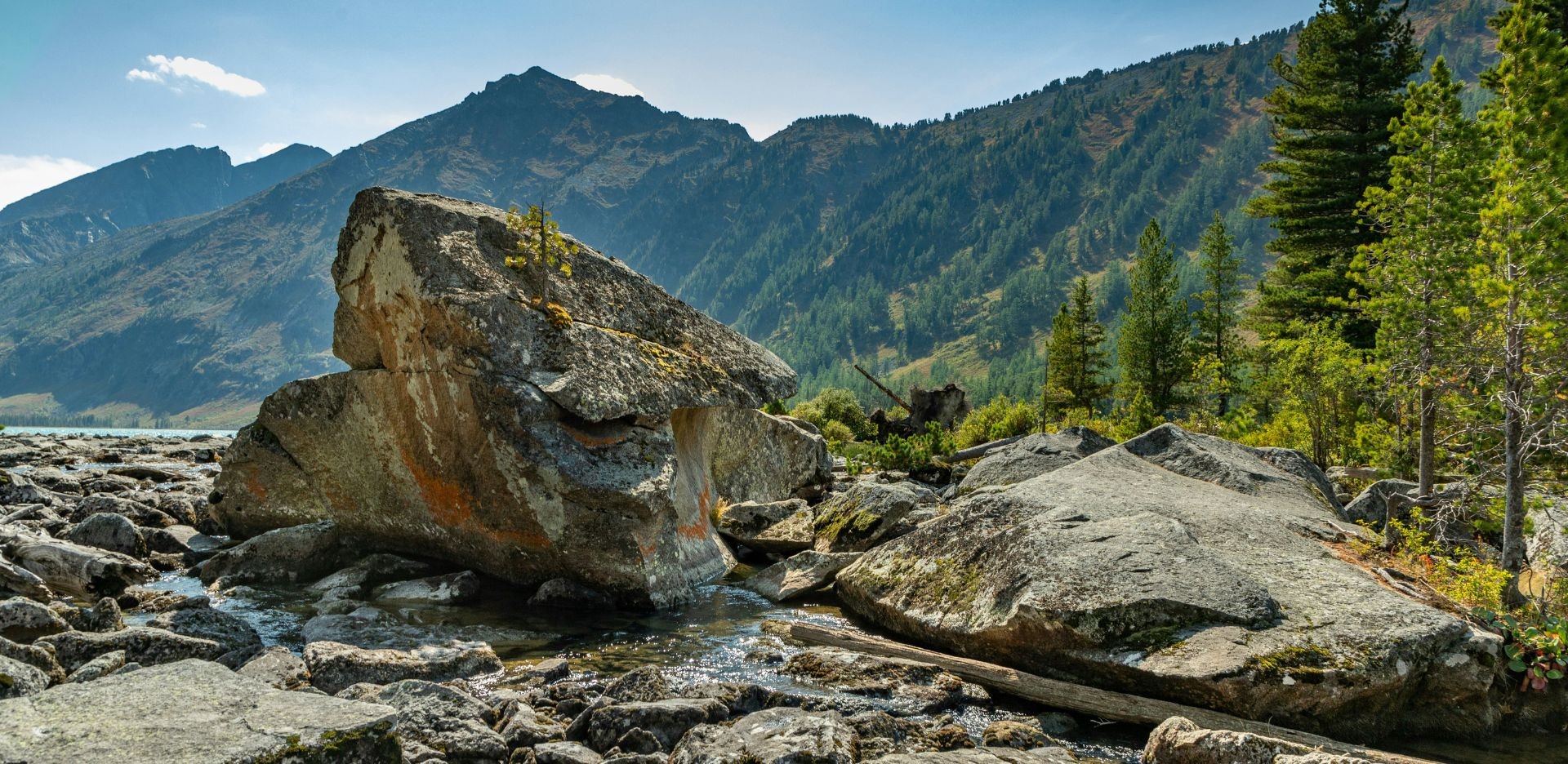
Republic of Altai: Mountains, Lakes and Sacred Roads
The Republic of Altai is one of Russia’s most powerful landscape destinations. Unlike Altai Krai, which is softer and more accessible, the republic is mountain country: high passes, turquoise rivers, steppe valleys, snow peaks, sacred places, long roads and a feeling of distance that changes the traveler’s tempo. This is not a destination to rush. The best Altai trips are built around the road itself, especially the Chuysky Tract, one of the most scenic drives in Russia. For international travelers, the Republic of Altai is a dream route, but it requires practical preparation, local guidance and respect for nature and culture.Inspiration & Must-See Places
The Chuysky Tract is the backbone of the journey. It runs through changing landscapes: forested foothills, river valleys, mountain passes, open steppe and almost lunar terrain. Seminsky Pass and Chike-Taman Pass are classic points on the route, each giving a different sense of altitude and movement. The Katun River is the visual thread, with turquoise water, bridges, rapids and viewpoints. Lake Teletskoye is another major attraction, often called one of the great natural jewels of Altai. Its long, narrow form, forested shores and boat routes make it different from road-based Altai. The Chulyshman Valley, Katu-Yaryk Pass and waterfalls such as Kurkure or Uchar are more demanding but unforgettable for travelers with time and proper logistics. Altai Mars, near the Kyzyl-Chin area, adds surreal color: red, orange and striped clay hills under a huge sky. The best article angle is to show that the Republic of Altai is not one destination but a sequence of thresholds: each pass opens a new world.
Hidden Gems & Local Experience
Hidden Altai is about pauses. Stop at small cafes on the road, drink tea with local herbs, watch horses on open slopes, listen when a guide explains why certain places are sacred, and leave room for weather. Village stays can be more memorable than hotel checklists. Ask about local crafts, throat singing, legends, archaeological sites and seasonal festivals. Do not treat stone figures, burial mounds or sacred trees as props. The strongest local experience is respectful travel: moving slowly, asking permission when needed, and understanding that the landscape is also a cultural and spiritual map.
Culture, Food & Traditions
Altai culture is deeply connected with land, mountains, horses, rivers and ancestral places. Food is simple and nourishing: meat, dairy products, flatbreads, herbal teas, honey, pine nuts and local cheeses. In tourist areas, cafes may offer familiar Russian dishes, but the more interesting experience is to try regional products and ask about their origin. The region has a strong indigenous Altai identity, and travelers should approach traditions with curiosity rather than exoticism. This cultural respect should be clear in the article tone.
3/5/7-day routes
- 3 days: This is only an introduction. Day 1 — arrive via Gorno-Altaysk or from Barnaul, reach the Katun area and take short river viewpoints. Day 2 — drive a section of the Chuysky Tract with passes and photo stops. Day 3 — return or continue to the next region.
- 5 days: add Lake Teletskoye or a deeper Chuysky Tract route to Aktash, allowing time for Altai Mars and mountain viewpoints.
- 7 days: build a proper road journey: Katun, Seminsky Pass, Chike-Taman, Aktash, Altai Mars, Chulyshman or Teletskoye depending on road conditions, plus one flexible day. Altai punishes overplanning; the best itinerary includes air.
Best Season and Travel Angle
The best Altai season depends on the route. June to September is the main window for road travel, green valleys, river views and mountain passes. Early autumn can be especially beautiful because the crowds thin and the colors change. Winter Altai is magnificent but should be treated as a specialist route, with experienced drivers and careful accommodation planning. For international readers, the Republic of Altai should be framed as a road journey, not a single resort. The road itself is the attraction: every pass, bridge and valley changes the emotional temperature of the trip. The strongest practical recommendation is to choose fewer places and experience them properly. A rushed Altai itinerary can become exhausting; a slower one can become one of the most memorable journeys in Russia.
Who This Route Is Best For
The Republic of Altai is best for road-trip travelers, photographers, nature lovers, hikers and visitors who want a strong emotional landscape. It is less suitable for people who need predictable city comfort every night. In the CMS, the article should carry a clear planning message: choose reliable drivers, avoid overpacking the route, and let the mountains set the pace. This makes the destination aspirational without hiding the practical work needed to enjoy it.
Planning Your Trip: Logistics, Money & Safety
The Republic of Altai requires more planning than a city break. Roads can be long, fuel and services may be limited in remote areas, weather changes quickly, and some places require skilled drivers. Summer and early autumn are the most comfortable seasons for first-time foreign travelers; winter is beautiful but demanding. Domestic payments matter for hotels, cafes, transfers and fuel stops inside Russia. Ready4Ru’s bank card helps travelers avoid relying only on cash, while insurance is essential for mountain roads, outdoor activity and remote travel. Use offline maps, carry warm layers, keep water and snacks in the car, and respect local warnings.
The Republic of Altai is one of Russia’s strongest emotional destinations. It gives the traveler space, silence and scale. But it is not a casual add-on; it is a journey that needs time and care. For Ready4Ru, the region is perfect for showing why practical travel support matters when beauty is remote and logistics are part of the adventure.Other articles
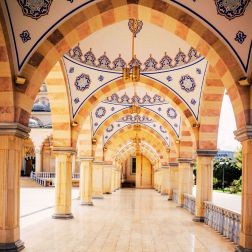
Chechnya
The Chechen Republic is one of the most visually contrasting regions in the North Caucasus: a modern capital, major mosques, mountain roads, high lakes, and fast shifts from city scale to highland silence. For travelers, it offers a route shaped by contrast and surprise
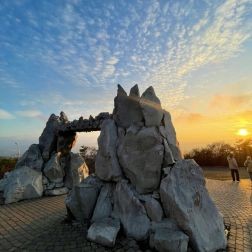
Stavropol Krai
Stavropol Krai works differently fr om the higher mountain republics: it is about rhythm, resort culture, long promenades, mineral springs, and the soft edge wh ere spa towns meet the Caucasus. For travelers, it offers one of southern Russia’s most polished and accessible regional escapes
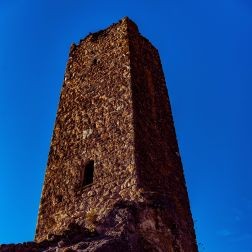
North Ossetia–Alania
North Ossetia–Alania is one of the most complete travel regions in the North Caucasus, combining a charismatic city, famous gorges, strong mountain roads, and places that carry real historical weight. For travelers, it is a route with both scenery and story
Ingushetia
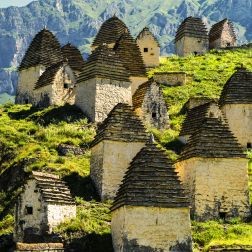
Ingushetia is one of the North Caucasus’ quietest and most distinctive regions, known for mountain tower complexes, narrow valleys, and a remarkable sense of stillness. For travelers, it offers a route built less on spectacle alone and more on atmosphere, history, and mountain memory
Karachay-Cherkess Republic
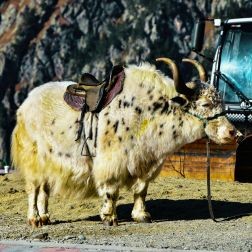
Karachay-Cherkessia is one of the most rewarding mountain regions for travelers who want both scenery and flexibility. With Dombay, Arkhyz, and Teberda in one region, it offers a route that can feel adventurous, restorative, and surprisingly varied within just a few days
Kabardino-Balkaria
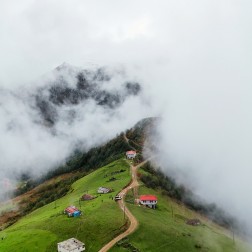
Kabardino-Balkaria is one of the Caucasus regions that instantly delivers scale: snowy summits, narrow gorges, waterfalls, and roads that feel dramatic from the first hour. For travelers, it works as both a classic Elbrus destination and a broader mountain route full of depth and atmosphere
Yamal
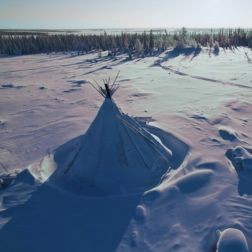
Yamal is Russia’s Arctic Circle story: Salekhard, Nenets reindeer culture, mammoth history, tundra and winter festivals
Komi
Komi is for travelers who want deep northern nature: Syktyvkar, Finno-Ugric culture, virgin forests and Manpupuner