

This website uses cookies.
Learn more

Pskov Oblast: What to See in Russia’s Ancient Borderland
Pskov Oblast is where ancient Russia comes into focus — through stone fortresses, riverside churches, and landscapes shaped by history. Compact, atmospheric, and rich in heritage, it offers international travelers an easy and deeply authentic journey through one of Russia’s most distinctive border regions
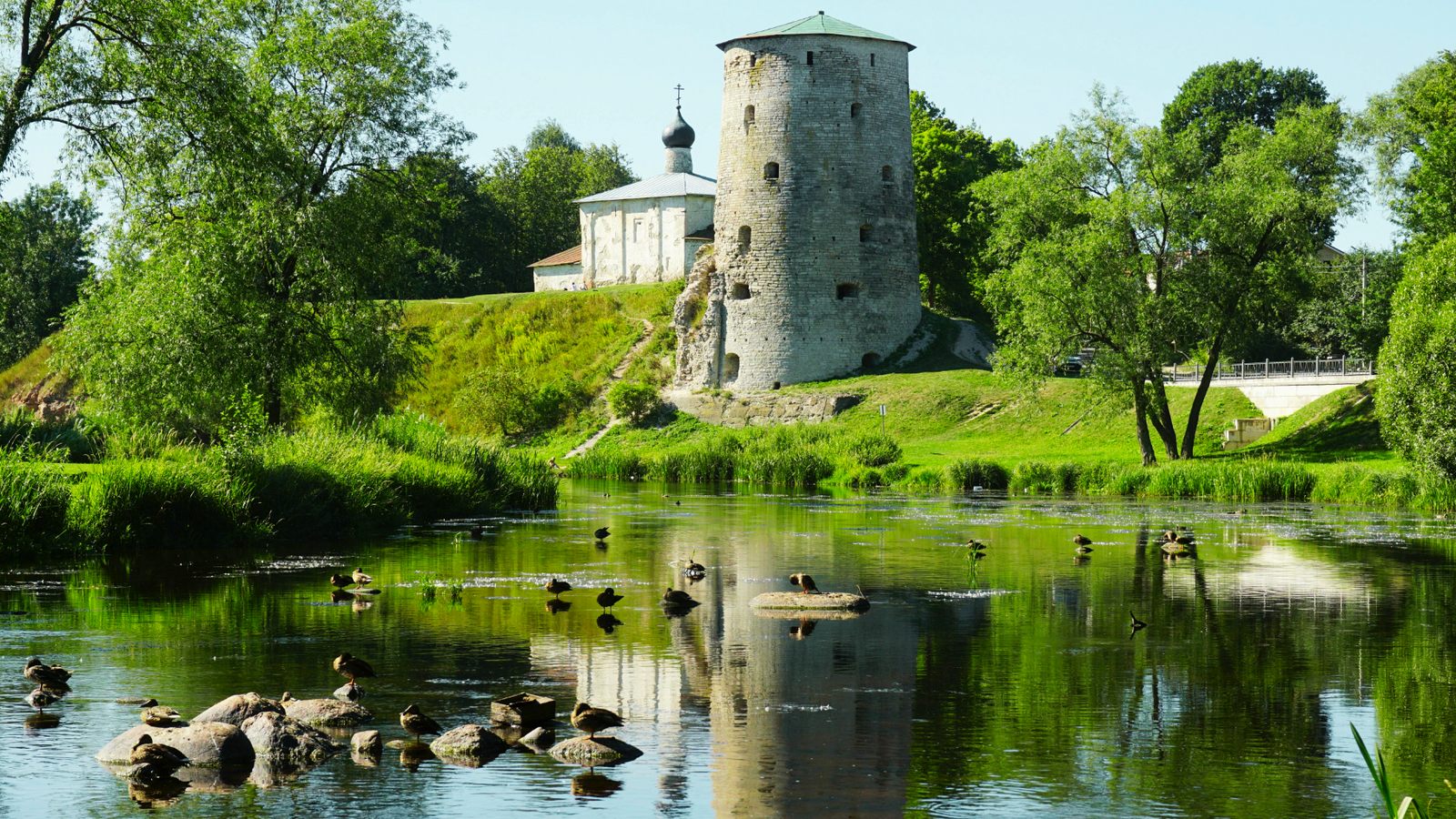
Pskov Oblast: Where to Go, What to See, and Why It Is One of Russia’s Most Atmospheric Historic Regions
Introduction
Pskov Oblast is one of those regions where Russia feels old in the best possible sense: stone fortresses, monastery walls, river views, and churches that seem to grow naturally out of the landscape. This is not a destination built around one famous postcard. It is a region of atmosphere, layers, and routes. For international travelers, Pskov works especially well because it combines architectural heritage, compact distances between key sites, and a clear sense of place. Here, the journey is not only about monuments but about the overall feeling of being in a historic borderland shaped by trade, defense, faith, and the rhythm of rivers and roads.
Why Pskov Oblast deserves a place in a Russia itinerary
One of the main reasons to include Pskov Oblast in a Russia itinerary is balance. The region offers strong visuals and high cultural value without requiring overly complex route planning. Pskov itself is the anchor, but the surrounding territory makes the destination much richer: Izborsk adds fortress landscapes and springs, Pechory adds monastery atmosphere, and the wider region gives the trip a slower and more reflective rhythm. That combination is rare. Some destinations are visually strong but thin in content. Others are historically important but harder to experience emotionally. Pskov manages both.
The official UNESCO description of the Churches of the Pskov School of Architecture places the monuments on the banks of the Velikaya River and notes their integration into the natural environment through gardens, walls, and fences. That detail matters for travelers because it explains what makes the region so memorable: architecture here is not isolated fr om the landscape, it belongs to it.
What to see in Pskov Oblast
Start with Pskov Krom, often called the Pskov Kremlin. This is the visual center of the region and the easiest place to understand why Pskov matters. The walls, towers, and Trinity Cathedral create a layered panorama that feels both austere and monumental. It is the kind of place that works equally well for first-time visitors, photographers, and readers who want Russia beyond the standard Moscow–St. Petersburg axis.
The next major theme is the UNESCO-listed Churches of the Pskov School of Architecture. These monuments represent a local architectural tradition that developed over centuries and influenced building across a wider area. They add depth to the destination: not just one fortress, but a whole visual language of white walls, restrained ornament, cubic volumes, and harmony with the surrounding terrain.
Then come Izborsk and the Izborsk-Maly Valley area, which give the route a more open, landscape-based feeling. Fortified hills, stone walls, and water sources create a different register from the city itself. This is wh ere a trip to Pskov Oblast starts to feel like a broader historical landscape rather than a single urban stop.
Pechory is another strong point on the map. The Pskovo-Pechersky Monastery adds spiritual and architectural weight to the route and gives travelers a different mood: quieter, more enclosed, and more contemplative than the fortress panoramas of central Pskov.
When to go
Late spring to early autumn is the easiest period for a first trip. In these months, the region’s fortresses, monastery complexes, river embankments, and surrounding landscapes are easiest to explore on foot. Summer offers the most stable conditions and the fullest sense of greenery around the historic sites. Early autumn is especially strong visually because the stone architecture contrasts beautifully with softer seasonal colors.
Winter can also be attractive for travelers who like quieter, moodier destinations, but it changes the tone of the trip. The region becomes more austere, movement between sites takes more planning, and the experience becomes less about wandering and more about carefully chosen stops.
What to plan in advance
Pskov Oblast is not difficult to understand, but it rewards a clear route. It helps to decide in advance whether the trip will focus mainly on Pskov city, or whether it will include Izborsk and Pechory as a fuller regional circuit. Transport, overnight stays, and pacing matter because the real value of the destination lies in atmosphere, not in rushing fr om one point to another.
Before departure, it is worth arranging the practical basics too. Travelers can prepare a bank card for travel in Russia and choose travel insurance in advance. That makes the route calmer and easier to manage, especially when the trip includes accommodation, local transport, and day-to-day payments.
Who this trip is for
Pskov Oblast is ideal for travelers who prefer depth over speed. It suits independent travelers, couples, photographers, and anyone interested in architecture, old Russian towns, monastic heritage, and slower regional routes. It is also a strong topic for the Ready4Ru blog because it combines practical travel value with strong search intent and a clear visual identity.
If a traveler wants big-city energy, shopping, and dense modern infrastructure, this is not the first region to choose. But if the goal is to see a quieter, older, more atmospheric side of Russia, Pskov Oblast is one of the best destinations in the northwest.
Pskov Oblast stands out because it offers a complete travel mood. The fortress skyline, UNESCO churches, monastery walls, and river landscapes create a destination that feels coherent from start to finish. It is a region wh ere history is not only displayed in museums but embedded in the streets, stone, and terrain itself. For the Ready4Ru blog, that makes Pskov Oblast a strong editorial choice: rich in imagery, clear in structure, and genuinely useful for international travelers planning a route in Russia.
Other articles
Chechnya
The Chechen Republic is one of the most visually contrasting regions in the North Caucasus: a modern capital, major mosques, mountain roads, high lakes, and fast shifts from city scale to highland silence. For travelers, it offers a route shaped by contrast and surprise
Stavropol Krai
Stavropol Krai works differently fr om the higher mountain republics: it is about rhythm, resort culture, long promenades, mineral springs, and the soft edge wh ere spa towns meet the Caucasus. For travelers, it offers one of southern Russia’s most polished and accessible regional escapes
North Ossetia–Alania
North Ossetia–Alania is one of the most complete travel regions in the North Caucasus, combining a charismatic city, famous gorges, strong mountain roads, and places that carry real historical weight. For travelers, it is a route with both scenery and story
Ingushetia
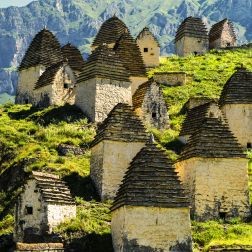
Ingushetia is one of the North Caucasus’ quietest and most distinctive regions, known for mountain tower complexes, narrow valleys, and a remarkable sense of stillness. For travelers, it offers a route built less on spectacle alone and more on atmosphere, history, and mountain memory
Karachay-Cherkess Republic
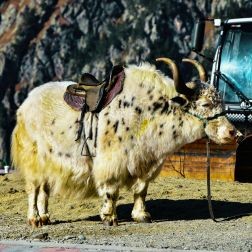
Karachay-Cherkessia is one of the most rewarding mountain regions for travelers who want both scenery and flexibility. With Dombay, Arkhyz, and Teberda in one region, it offers a route that can feel adventurous, restorative, and surprisingly varied within just a few days
Kabardino-Balkaria
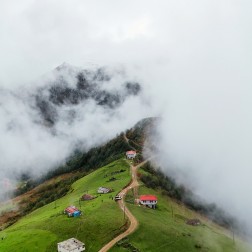
Kabardino-Balkaria is one of the Caucasus regions that instantly delivers scale: snowy summits, narrow gorges, waterfalls, and roads that feel dramatic from the first hour. For travelers, it works as both a classic Elbrus destination and a broader mountain route full of depth and atmosphere
Yamal
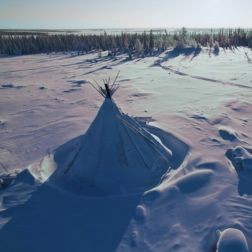
Yamal is Russia’s Arctic Circle story: Salekhard, Nenets reindeer culture, mammoth history, tundra and winter festivals

Komi
Komi is for travelers who want deep northern nature: Syktyvkar, Finno-Ugric culture, virgin forests and Manpupuner