

This website uses cookies.
Learn more

Perm: Kama River, Culture and Ural Nature
A Ural city on the Kama River where contemporary culture, wooden heritage, caves and mountain routes meet in one powerful itinerary
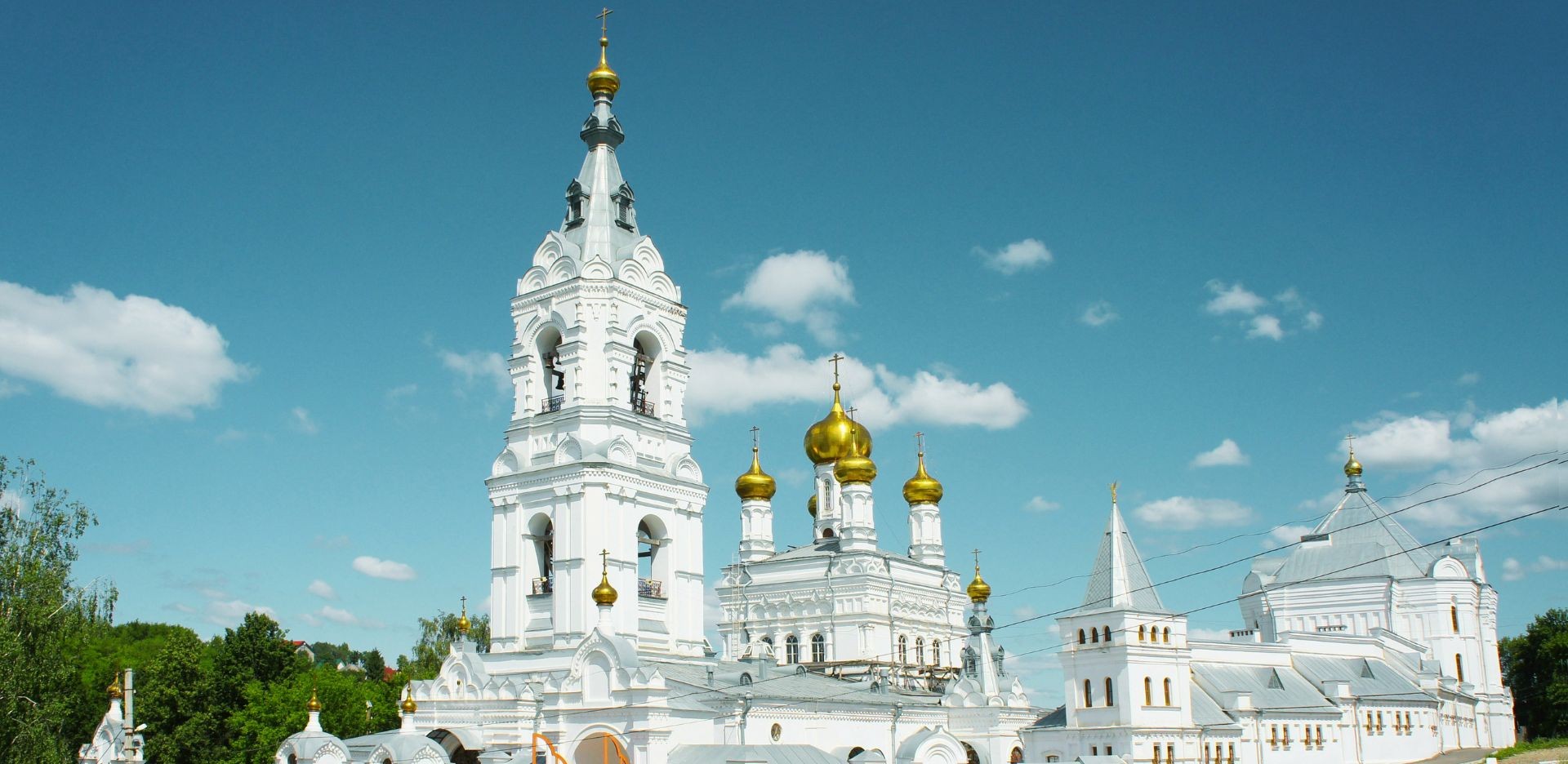
Perm: Kama River, Culture and Ural Nature
Perm is one of the most underrated cities in Russia for travelers who want culture and nature in the same route. It stands on the Kama River and feels open, wide and slightly northern. The city has theatre, museums, industrial memory, river panoramas and an easy gateway to the Ural landscapes around Kungur, Khokhlovka and the Chusovaya River. For international visitors, Perm is especially interesting because it does not fit a single stereotype: it is artistic and industrial, urban and natural, serious and unexpectedly creative. It can be a weekend city break or the beginning of a deeper Ural journey.
Inspiration & Must-See Places
Start with the Kama embankment. The river gives Perm its scale and mood; walking here helps you understand why the city feels more spacious than many regional capitals. Continue to the central streets, the Perm Opera and Ballet Theatre, art spaces and local museums. Perm has a strong cultural reputation, and even if you do not attend a performance, the theatre district gives the trip a refined anchor.
Khokhlovka Architectural and Ethnographic Museum is one of the best day trips. Wooden churches, houses and rural structures stand in an open landscape above the Kama reservoir, making it both a museum and a visual experience. Kungur Ice Cave is another signature attraction of the Perm region: underground halls, ice formations and grottoes create a route that feels completely different from the urban program. For visitors interested in difficult history, Perm-36 Memorial Museum is a serious and important excursion connected with the Soviet camp system. It should be approached respectfully, not as ordinary sightseeing.
Add Belogorsky Monastery, river routes or nature parks if you have more time. Perm works because each direction changes the tone: city culture, wooden architecture, cave landscape, spiritual heritage, industrial memory and forest roads.
3/5/7-Day Routes
- 3 days: spend the first day in central Perm, the Kama embankment, museums and theatre area. On day two, visit Khokhlovka and return for dinner in the city. On day three, choose Kungur Ice Cave or a shorter nature excursion.
- 5 days: add both Khokhlovka and Kungur, then include Belogorsky Monastery or a Chusovaya River route. Keep one evening for a performance or cultural event if the schedule allows. Use the final day for markets, cafés and slower walks.
- 7 days: make Perm a full Ural base. Combine the city with Khokhlovka, Kungur, Perm-36, monastery landscapes and river or forest excursions. This version gives the best balance: not only attractions, but also the emotional range of the region.
Hidden Gems & Local Experience
Perm is best when you leave room for its creative side. Look for small galleries, bookshops, cafés and street art. The city has a tradition of intellectual and artistic energy, and it often appears in details rather than grand monuments. In winter, the Kama and the wide streets become austere and cinematic. In summer, the river makes the city feel relaxed and open. Local neighborhoods can look rough at first glance, but they add texture: Perm is not a decorative city, and that honesty is part of its appeal.
Culture, Food & Traditions
Perm’s culture is built from theatre, literature, industry and the Ural frontier. Food is hearty and practical: soups, fish, meat, pies, mushrooms, berries and regional products. In the wider region, Komi-Permyak and Ural traditions add another layer to cuisine and crafts. For travelers, the most interesting approach is to combine formal culture with everyday places: a theatre evening one day, a simple café after a cave excursion the next. That contrast is very Perm.
Planning Your Trip
Perm is a strong choice for travelers who want several types of experience without changing hotels every day. The city has rail and air connections, but day trips require planning. Kungur and Khokhlovka are popular, so check opening hours, weather and transport options. In winter, allow extra time; in summer, book excursions earlier.
For foreign visitors, payment preparation is important. A Russian bank card from Ready4Ru helps with domestic services, museum or transport payments, online tickets, taxi apps and everyday spending. If your route includes caves, river areas, winter roads or long excursions, arrange travel insurance for Russia before departure. Perm rewards independent travelers, but it is much easier when the practical side is already solved.
Perm’s uniqueness is the combination of culture and difficult memory. Few regional routes can move so naturally from opera and contemporary art to wooden architecture, caves and the history of repression. This range makes Perm a serious destination rather than a decorative weekend. It is perfect for readers who want their travel to have substance: beautiful places, yes, but also questions about history, landscape and identity. Perm feels honest, and that honesty is its advantage.
Best Season & Travel Style
Perm is a year-round destination, but the best travel style changes by season. Summer and early autumn are better for Khokhlovka, rivers and forest routes. Winter is excellent for theatre, museums, snow landscapes and the dramatic mood of the Kama. The city suits travelers who like intellectual routes rather than quick postcard tourism. It is also a good choice for repeat visitors to Russia who have already seen the classic capitals and want a region with stronger edges: culture, memory, industry and nature in one itinerary.
Perm is a destination with depth. It gives you a river city, a theatre culture, wooden architecture, caves, difficult memory and Ural nature in one itinerary. It is not the easiest region to describe in one line, and that is exactly why it is worth visiting. For Ready4Ru readers, Perm is one of the best routes for moving beyond classic Russian tourism into a more layered, intelligent journey.
Other articles
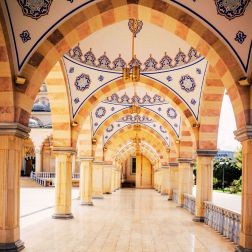
Chechnya
The Chechen Republic is one of the most visually contrasting regions in the North Caucasus: a modern capital, major mosques, mountain roads, high lakes, and fast shifts from city scale to highland silence. For travelers, it offers a route shaped by contrast and surprise
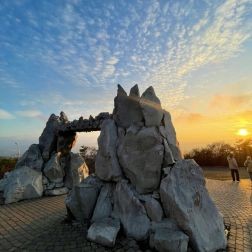
Stavropol Krai
Stavropol Krai works differently fr om the higher mountain republics: it is about rhythm, resort culture, long promenades, mineral springs, and the soft edge wh ere spa towns meet the Caucasus. For travelers, it offers one of southern Russia’s most polished and accessible regional escapes
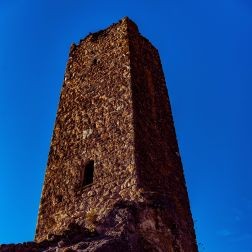
North Ossetia–Alania
North Ossetia–Alania is one of the most complete travel regions in the North Caucasus, combining a charismatic city, famous gorges, strong mountain roads, and places that carry real historical weight. For travelers, it is a route with both scenery and story
Ingushetia
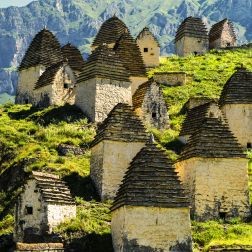
Ingushetia is one of the North Caucasus’ quietest and most distinctive regions, known for mountain tower complexes, narrow valleys, and a remarkable sense of stillness. For travelers, it offers a route built less on spectacle alone and more on atmosphere, history, and mountain memory
Karachay-Cherkess Republic
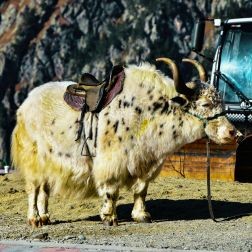
Karachay-Cherkessia is one of the most rewarding mountain regions for travelers who want both scenery and flexibility. With Dombay, Arkhyz, and Teberda in one region, it offers a route that can feel adventurous, restorative, and surprisingly varied within just a few days
Kabardino-Balkaria
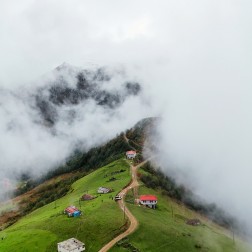
Kabardino-Balkaria is one of the Caucasus regions that instantly delivers scale: snowy summits, narrow gorges, waterfalls, and roads that feel dramatic from the first hour. For travelers, it works as both a classic Elbrus destination and a broader mountain route full of depth and atmosphere
Yamal
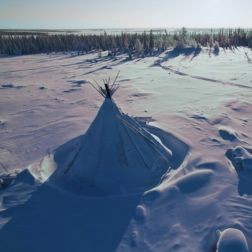
Yamal is Russia’s Arctic Circle story: Salekhard, Nenets reindeer culture, mammoth history, tundra and winter festivals
Komi
Komi is for travelers who want deep northern nature: Syktyvkar, Finno-Ugric culture, virgin forests and Manpupuner