

This website uses cookies.
Learn more

Oryol: A Literary City Worth Seeing in Central Russia
Oryol is one of those Russian cities that feels calm, green, and unexpectedly elegant. Riverside views, classical buildings, and the city’s strong literary and cultural identity create a route that is both relaxed and memorable. For international travelers, Oryol stands out as a quieter destination where architecture, local atmosphere, and a slower rhythm come together in a way that feels authentic and easy to enjoy
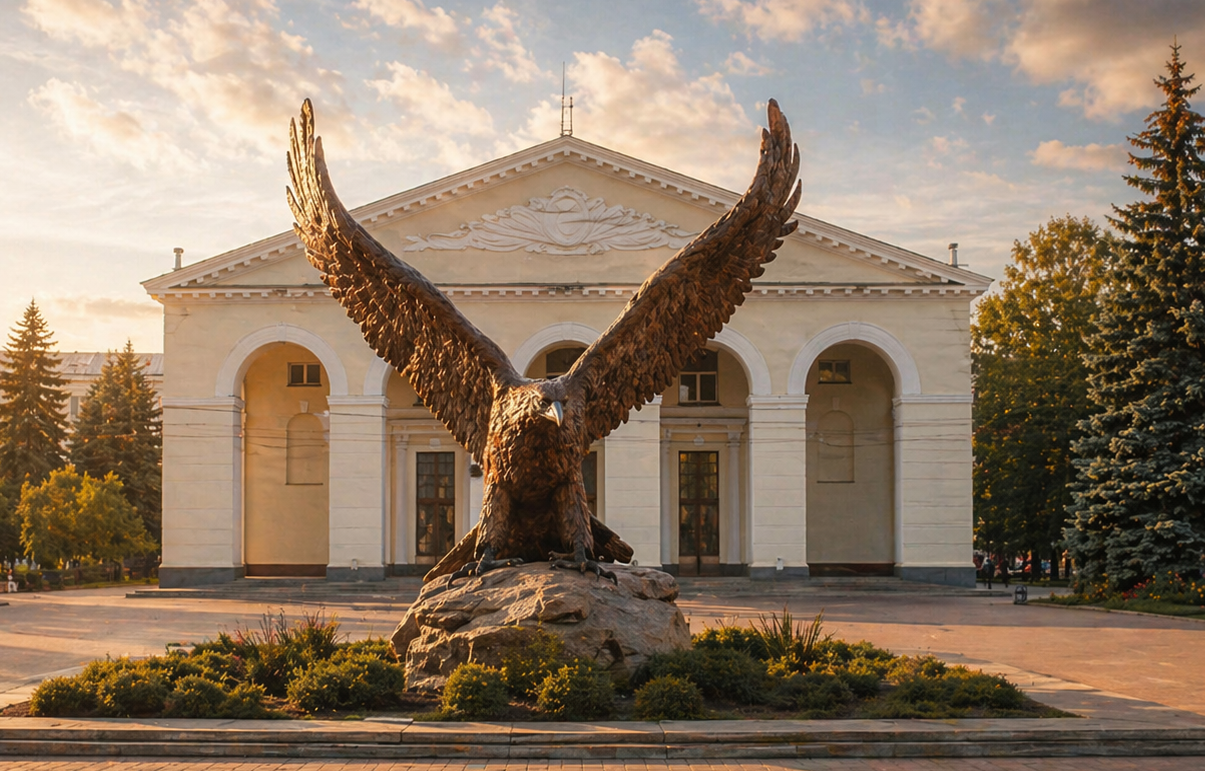
Oryol: A Literary City Between Two Rivers
Oryol is one of the most interesting cultural cities in central Russia, known for its literary heritage, historic streets and calm riverside landscapes. Located south of Moscow, the city is often described as one of the literary capitals of Russia. Several major Russian writers were born here or closely connected with the region, including Ivan Turgenev, Ivan Bunin and Nikolai Leskov. For international travelers, Oryol offers a different rhythm of travel. Instead of monumental avenues and big crowds, visitors find a quieter urban atmosphere built around parks, embankments, museums and the memory of Russian literature.The city stands at the confluence of two rivers — the Oka and the Orlik — and this geography shapes the way Oryol feels. Water, greenery and open views appear again and again as you move through the center. Because of that, Oryol works especially well for travelers who enjoy slow discovery, photography and places where culture and landscape are still closely connected.
Why Oryol deserves a place in a Russia itinerary
For many travelers planning a route across Russia, Oryol may not be the first destination they think of. That is exactly why it can become such a rewarding surprise. The city is compact enough to explore without stress, but rich enough to support a full cultural trip. Its literary identity gives it a clear theme, while its parks, embankments and historic buildings make it visually attractive.
Another reason Oryol stands out is accessibility. It can be added to a central-Russia itinerary without difficult logistics, especially for travelers who want to see more than Moscow and St. Petersburg. The city suits people who are interested in museums, architecture and urban atmosphere rather than only checklist tourism. Oryol also works well as a bridge between city travel and a wider regional route, because nearby estates and countryside landscapes continue the same cultural story beyond the city itself.
What to see in Oryol
If you are visiting Oryol for the first time, it is best to build the route around several core points. Start with the historic center and the embankments along the Oka and Orlik rivers. This is where the city’s atmosphere becomes clear: water, bridges, tree-lined walks, and quiet urban vistas that feel very different fr om the pressure of larger capitals.
A second essential direction is the literary museum network. The Turgenev Museum and the Bunin Museum help explain why Oryol matters so much in Russian cultural memory. They do not feel like isolated institutions; they make sense as part of the city’s texture. Streets, monuments and public spaces continue the same narrative. Even a short walk through the center shows that Oryol is not only a place wh ere writers were born — it is a city that still understands itself through literature.
Another strong point is the city’s park environment. Oryol is especially pleasant for unhurried walking because public green areas and riverside spaces remain central to the experience. That makes the city attractive not only for literature lovers, but also for couples, independent travelers and photographers looking for a softer, more reflective urban route.
When to go
The most comfortable time to visit Oryol is from late spring to early autumn. During this period the city becomes greener and more open, and the river views play a much bigger role in the route. Summer is ideal for long walks, museum visits and evening views from the embankment. Early autumn is also a strong choice, because the trees change color and the city becomes particularly photogenic without losing its calm pace.
Winter travel is possible too, especially for visitors interested mainly in museums and cultural stops. But for a broad travel article aimed at international readers, the warmer seasons remain the easiest recommendation because they reveal the city’s riverside character most clearly.
What to plan in advance
Oryol is easier to manage than many larger Russian destinations, but planning still improves the trip. It is worth deciding in advance whether the route will focus on literary museums, city walks, or a mixed cultural program with regional extensions. That makes it easier to keep the trip balanced and avoid turning a subtle destination into a rushed checklist.
For international travelers, practical services also matter. Before arrival, it helps to prepare a bank card for travel in Russia and arrange travel insurance in advance. Having these essentials ready simplifies everyday payments and makes the journey through the city easier and calmer.
Who this destination is for
Oryol works best for travelers who value atmosphere, cultural depth and a slower pace. It is especially suitable for readers interested in literature, architecture, urban parks and historic cities that are not overwhelmed by tourism. The city also suits people who enjoy destinations that feel coherent: in Oryol, rivers, museums, monuments and streets all support the same identity.
If someone is looking for nonstop entertainment or a heavy big-city program, another destination may fit better. But for visitors who want to discover a more thoughtful, textural side of Russia, Oryol is one of the most rewarding choices in central Russia.
Oryol is not a city built around one spectacular landmark. Its strength lies in coherence. Literature, river views, quiet streets and a reflective urban rhythm come together to create a destination that feels complete without feeling overwhelming. For the Ready4Ru blog, Oryol is a strong topic because it offers cultural meaning, visual softness and clear travel logic in one compact city route.
It is also the kind of destination that international travelers often remember with surprising warmth: not because it is loud, but because it feels lived-in, human-scaled and connected to the deeper cultural layers of Russia.
Other articles
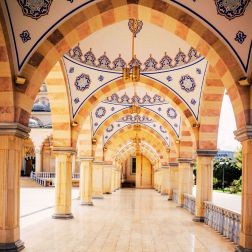
Chechnya
The Chechen Republic is one of the most visually contrasting regions in the North Caucasus: a modern capital, major mosques, mountain roads, high lakes, and fast shifts from city scale to highland silence. For travelers, it offers a route shaped by contrast and surprise
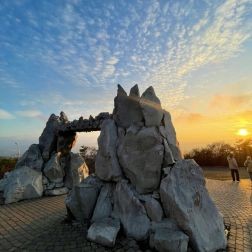
Stavropol Krai
Stavropol Krai works differently fr om the higher mountain republics: it is about rhythm, resort culture, long promenades, mineral springs, and the soft edge wh ere spa towns meet the Caucasus. For travelers, it offers one of southern Russia’s most polished and accessible regional escapes
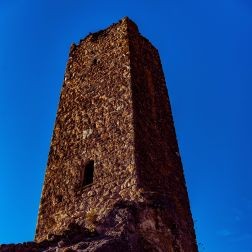
North Ossetia–Alania
North Ossetia–Alania is one of the most complete travel regions in the North Caucasus, combining a charismatic city, famous gorges, strong mountain roads, and places that carry real historical weight. For travelers, it is a route with both scenery and story
Ingushetia
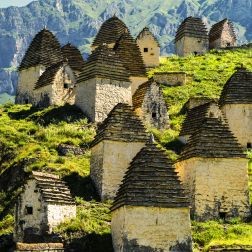
Ingushetia is one of the North Caucasus’ quietest and most distinctive regions, known for mountain tower complexes, narrow valleys, and a remarkable sense of stillness. For travelers, it offers a route built less on spectacle alone and more on atmosphere, history, and mountain memory
Karachay-Cherkess Republic
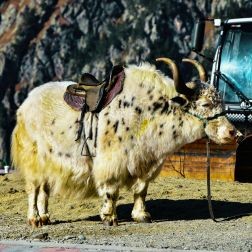
Karachay-Cherkessia is one of the most rewarding mountain regions for travelers who want both scenery and flexibility. With Dombay, Arkhyz, and Teberda in one region, it offers a route that can feel adventurous, restorative, and surprisingly varied within just a few days
Kabardino-Balkaria
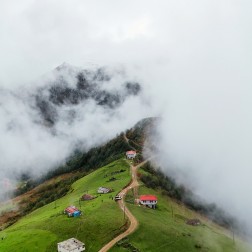
Kabardino-Balkaria is one of the Caucasus regions that instantly delivers scale: snowy summits, narrow gorges, waterfalls, and roads that feel dramatic from the first hour. For travelers, it works as both a classic Elbrus destination and a broader mountain route full of depth and atmosphere

Yamal
Yamal is Russia’s Arctic Circle story: Salekhard, Nenets reindeer culture, mammoth history, tundra and winter festivals

Komi
Komi is for travelers who want deep northern nature: Syktyvkar, Finno-Ugric culture, virgin forests and Manpupuner