

This website uses cookies.
Learn more

Orenburg: Europe, Asia and Steppe Routes
Walk from Europe to Asia, explore old caravan routes, feel the steppe wind and discover one of Russia’s most distinctive borderland cities
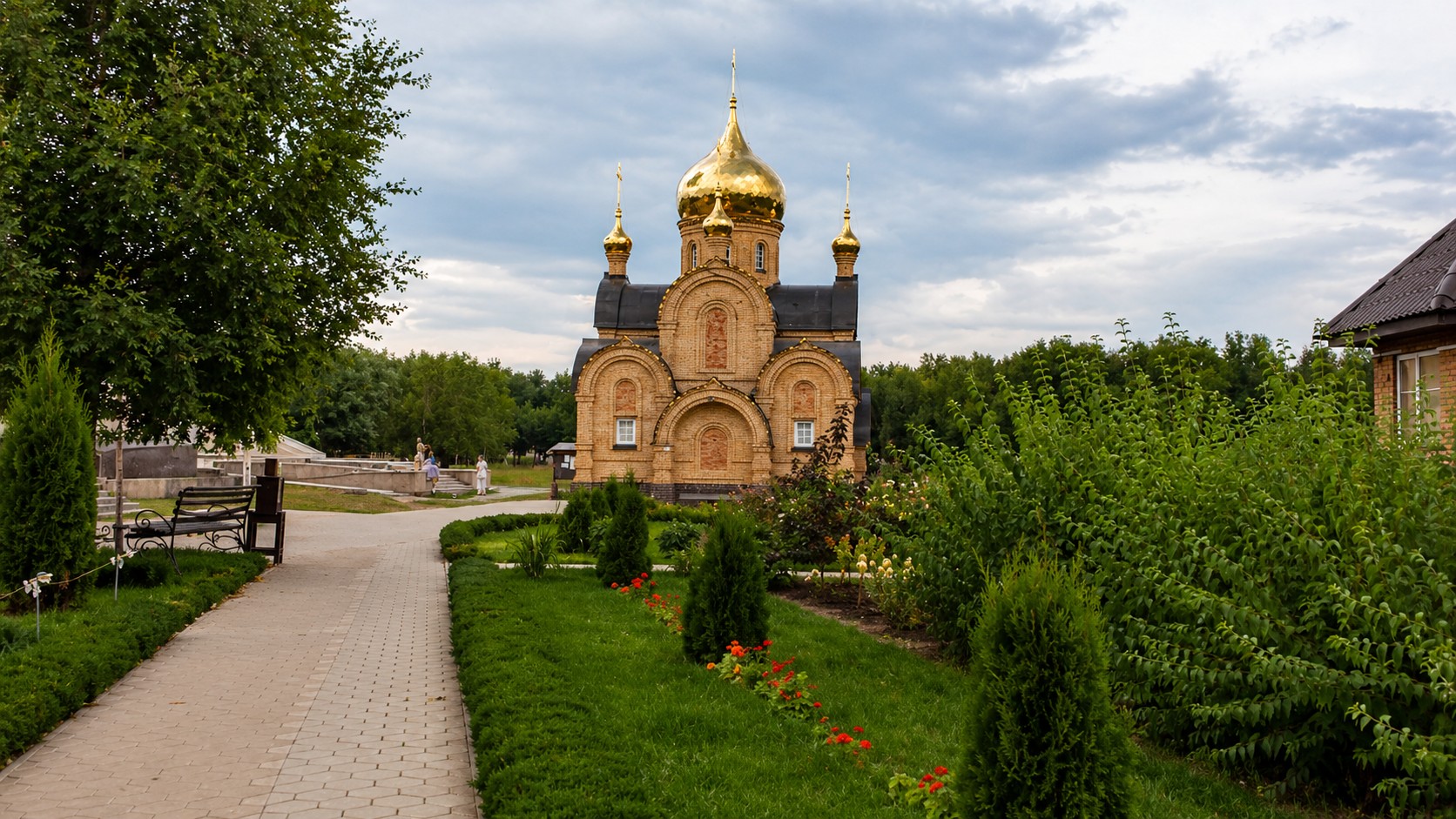
Orenburg: Europe, Asia and Steppe Routes
Orenburg has one of the strongest travel identities in the southern Urals. It stands on the Ural River, at the symbolic edge between Europe and Asia, and its atmosphere is shaped by borderland history, steppe culture, trade routes and a mixture of Russian, Bashkir, Kazakh and Tatar influences. For international travelers, Orenburg is attractive because it is both easy to understand and unusual: a city with a clear visual symbol — the Europe–Asia bridge — and a deeper story connected with caravans, shawls, military lines, merchants, nomadic routes and open landscapes. It is a destination for people who like cities with a frontier character.
Inspiration & Must-See Places
Begin with the pedestrian bridge across the Ural River. The walk is short, but the idea is powerful: one side is marked as Europe, the other as Asia. Nearby, the riverbank and the Trans-Ural Grove create the classic Orenburg view — water, sky, trees and a feeling of space. Fr om there, continue to Sovetskaya Street, the city’s main walking axis. It gives you theatres, museums, old façades, cafés and the rhythm of central Orenburg in one compact route.
The Caravanserai is essential. Built as a cultural and administrative complex linked to the region’s Bashkir history, it reminds visitors that Orenburg was never just a provincial Russian city; it was a meeting point of peoples and routes. The National Village cultural complex is another useful stop because it presents the diversity of the region in a simple, visitor-friendly format. Add the Museum of Fine Arts and local history museums if you want to understand Orenburg beyond the postcard.
Outside the city, the route opens into steppe. Sol-Iletsk is known for salt lakes and summer recreation, while villages and open roads around Orenburg show the landscape that gives the city its light and temperament. The steppe is not empty; it is the main character of the region.
3/5/7-Day Routes
- 3 days: day one is central Orenburg — the Europe–Asia bridge, embankment, Sovetskaya Street and museums. Day two is for the Caravanserai, National Village and a slow evening in the historic center. Day three can be a steppe or Sol-Iletsk excursion, depending on season.
- 5 days: expand the route with more museums, a food-and-market day, and a longer countryside drive. Use one day for salt lakes or steppe landscapes, and another for cultural heritage connected with Orenburg shawls, local crafts and regional history.
- 7 days: build a southern Ural and steppe itinerary. Combine Orenburg with Sol-Iletsk, village landscapes, local museums and nature points. In a week, the destination becomes less about one city and more about the geography between Europe, Asia and Kazakhstan.
Hidden Gems & Local Experience
The Orenburg shawl is not a souvenir cliché; it is part of the region’s identity. Look for exhibitions or shops that explain the craft, not only sell it. Walk central streets in the evening when the city becomes softer and warmer. Try to include a local market: dried fruits, dairy products, pastries and steppe-influenced food tell the story of the region more directly than a formal museum label. If you have a guide, ask for stories about Pushkin, Dahl, caravans and the old border lines — Orenburg becomes much richer when the city is read through people and routes.
Culture, Food & Traditions
Orenburg’s culture is hybrid in the best sense. You can feel it in architecture, religious buildings, cuisine and local memory. Expect hearty Russian dishes, Central Asian notes, tea culture, pastries, meat, dairy and seasonal produce. The city is also a good place to talk about how Russia’s regions are not culturally uniform. Here, the steppe is a connector: it brings together languages, trade, military history and everyday customs.
For Ready4Ru, Orenburg is easy to position because its story is instantly readable. The article should open with the bridge between continents, then widen into steppe identity, cultural diversity and practical travel. It is a good destination for readers who want a strong symbol, but also enough substance for three to seven days.Planning Your Trip
Orenburg is easier to enjoy when you plan around distances and seasons. Summer can be hot and bright; winter is atmospheric but requires proper clothing. The city center is walkable, yet regional excursions need transport. Keep Russian-language names saved for taxis and maps. For foreign travelers, payments require preparation because international cards often do not work reliably inside Russia.
Ready4Ru’s Russian bank card can make the practical side of the journey smoother: domestic transport, online tickets, cafés, local booking platforms and everyday purchases. Before a route that includes steppe trips or salt lakes, arrange travel insurance for Russia as well. Orenburg feels open and welcoming, but good logistics make the difference between a stressful trip and a beautiful one.
Orenburg’s uniqueness lies in its border identity. The Europe–Asia symbol is easy to communicate, but the deeper value is the meeting of steppe cultures, imperial routes and local craft. A good article should not reduce the city to one bridge. It should show how the river, the shawl, the Caravanserai, Bashkir heritage and the road toward Kazakhstan create a layered sense of place. For travelers, Orenburg feels like a threshold — a city wh ere Russia looks outward.Best Season & Travel Style
Late spring and early autumn are ideal for Orenburg: the light is warm, the river walks are pleasant and the steppe is easier to explore. Summer can be very hot, so plan museums and shaded routes during the day and leave the embankment for evening. Winter gives the city a harsher frontier mood. Orenburg suits travelers who like borders, trade routes, multicultural history and strong symbols. It also works well for photographers because the city has clean lines: river, bridge, sky, steppe and long streets.
Orenburg is one of Russia’s clearest “story cities.” It gives travelers a bridge between continents, a river, a caravan memory, a craft tradition and the horizon of the steppe. It is not polished in a predictable way, and that is exactly why it is interesting. For Ready4Ru readers, Orenburg is a strong route for understanding Russia as a country of borders, crossings and cultural layers.
Other articles
Chechnya
The Chechen Republic is one of the most visually contrasting regions in the North Caucasus: a modern capital, major mosques, mountain roads, high lakes, and fast shifts from city scale to highland silence. For travelers, it offers a route shaped by contrast and surprise
Stavropol Krai
Stavropol Krai works differently fr om the higher mountain republics: it is about rhythm, resort culture, long promenades, mineral springs, and the soft edge wh ere spa towns meet the Caucasus. For travelers, it offers one of southern Russia’s most polished and accessible regional escapes
North Ossetia–Alania
North Ossetia–Alania is one of the most complete travel regions in the North Caucasus, combining a charismatic city, famous gorges, strong mountain roads, and places that carry real historical weight. For travelers, it is a route with both scenery and story
Ingushetia
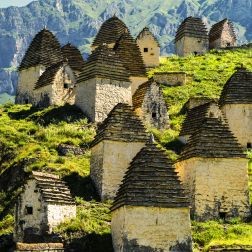
Ingushetia is one of the North Caucasus’ quietest and most distinctive regions, known for mountain tower complexes, narrow valleys, and a remarkable sense of stillness. For travelers, it offers a route built less on spectacle alone and more on atmosphere, history, and mountain memory
Karachay-Cherkess Republic
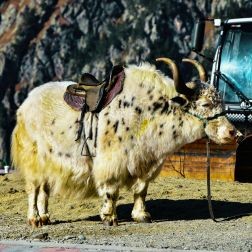
Karachay-Cherkessia is one of the most rewarding mountain regions for travelers who want both scenery and flexibility. With Dombay, Arkhyz, and Teberda in one region, it offers a route that can feel adventurous, restorative, and surprisingly varied within just a few days
Kabardino-Balkaria
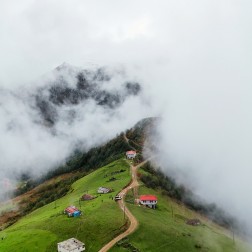
Kabardino-Balkaria is one of the Caucasus regions that instantly delivers scale: snowy summits, narrow gorges, waterfalls, and roads that feel dramatic from the first hour. For travelers, it works as both a classic Elbrus destination and a broader mountain route full of depth and atmosphere
Yamal
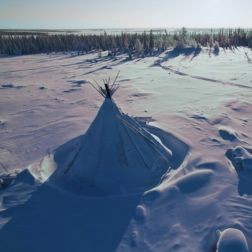
Yamal is Russia’s Arctic Circle story: Salekhard, Nenets reindeer culture, mammoth history, tundra and winter festivals

Komi
Komi is for travelers who want deep northern nature: Syktyvkar, Finno-Ugric culture, virgin forests and Manpupuner