

This website uses cookies.
Learn more

Omsk: Historic Siberia on the Irtysh River
Omsk is a quieter Siberian city with imperial echoes, theatre culture, fortress history and long walks along the Irtysh
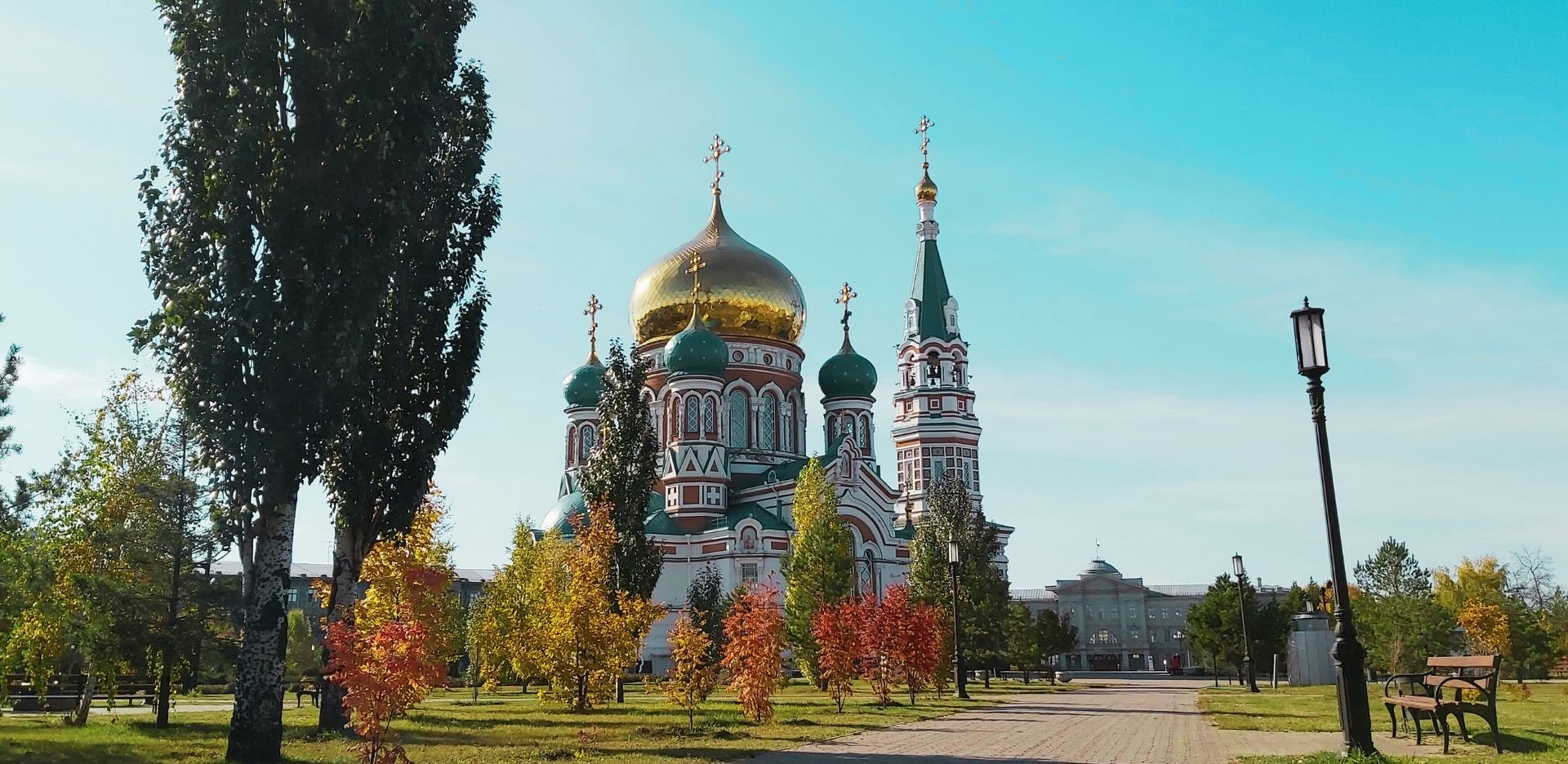
Omsk: Historic Siberia on the Irtysh River
Omsk is a quieter Siberian destination that works well for travelers who enjoy historic streets, river cities and a slower pace. It does not shout for attention, but it rewards those who like urban layers: fortress history, merchant architecture, theatres, broad avenues and the Irtysh River. For international visitors moving along the Trans-Siberian route or exploring Western Siberia, Omsk can become a thoughtful stop between larger names. The city is especially useful for articles that show Russia beyond the obvious tourist circuits.
Inspiration & Must-See Places
The Assumption Cathedral is the most recognizable architectural landmark, with bright domes and a strong presence in the city center. It works as an opening visual for the article and a practical first stop. Lyubinsky Avenue gives Omsk its walking rhythm: historic facades, cafes, shops and city life. The old Omsk fortress area and restored gates connect the city to its military and administrative past. Omsk also has a serious theatre tradition, with drama, music and cultural venues that make winter travel more appealing. The Irtysh embankment is important for atmosphere. A river walk helps visitors understand the city’s geography and gives space after museums and streets. For a deeper route, include local museums, Dostoevsky-related history and architectural details. The city’s appeal is not in one explosive attraction, but in a sequence of calm, walkable impressions.
Hidden Gems & Local Experience
Omsk is strongest when approached slowly. Sit in a cafe on or near Lyubinsky Avenue, walk side streets for old houses and courtyards, visit a theatre in the evening and take a long river walk at sunset. Local markets and small museums help the city feel less formal. Travelers interested in literature can explore the Dostoevsky connection with Siberian exile and punishment history. Another hidden angle is Tara, one of the older towns in Omsk Region, known for wooden houses and a different provincial atmosphere, though it requires extra time and local logistics. For a short city stay, the best experience is to avoid rushing; Omsk needs a slower lens.
Culture, Food & Traditions
Omsk cuisine is typical of a large Siberian city: soups, dumplings, meat dishes, fish, pies, berry desserts and modern cafes. The city has a cultural, theatrical tone rather than a resort identity. This makes it good for travelers who want evenings indoors, performances and museum days. The historical narrative includes fortress service, trade, exile, Soviet development and contemporary regional life. In the article, Omsk should feel calm but not empty: a city where the traveler can breathe between larger Siberian routes.
3/5/7-day routes
- 3 days: Day 1 — Assumption Cathedral, Lyubinsky Avenue, central squares and cafes. Day 2 — fortress area, museums, Irtysh embankment and evening theatre. Day 3 — local market, additional museum or a relaxed architectural walk before departure.
- 5 days: add a regional excursion, deeper literary or historical museum visits, and more time for theatre or river walks.
- 7 days: use Omsk as part of a Western Siberia route with Tyumen, Tobolsk or Novosibirsk, building a journey around river cities, fortress histories and Trans-Siberian connections.
Best Season and Travel Angle
Omsk is best positioned as a calm cultural stop rather than a destination for extreme sightseeing. Summer and early autumn are good for the Irtysh embankment, architectural walks and outdoor cafes. Winter gives a more introspective mood, with theatres, museums and snowy streets. The city can be useful for travelers moving across Siberia by train, because it offers history without demanding complicated transfers. For Ready4Ru, Omsk is also a chance to show a softer editorial tone: not every Russian destination needs mountains or UNESCO status to be worth visiting. Some places matter because they reveal ordinary urban life, regional memory and a quieter layer of Russian history.
Who This Route Is Best For
Omsk is best for travelers who like quiet urban history, river walks, churches, theatres and literary associations. It is also useful for people crossing Siberia by train who want to break the journey in a city that is calm, walkable and atmospheric. In the CMS, Omsk should be positioned as a thoughtful stop rather than a headline destination. This honesty makes the article stronger: the city is for slow travelers, not for those chasing quick spectacle.
Planning Your Trip: Logistics, Money & Safety
Omsk has rail and air connections and works well as a stop on a longer route. The city center is manageable, but distances can be larger than expected, so combine walking with taxis or public transport. Winters are cold, and good footwear matters. For payments, foreign travelers should not assume international cards will work inside Russia. Ready4Ru’s bank card is relevant for hotels, restaurants, taxis and local online services, while insurance is a sensible part of any Siberian itinerary, especially in winter or when combining several cities. Omsk is generally an easy city to navigate if the traveler plans arrival, transport and payments in advance.
Omsk is not a “wow in ten minutes” destination. It is a city of atmosphere, history and measured walks. That makes it useful for Ready4Ru’s editorial map: it shows the calm, cultural side of Siberia and gives international travelers another reason to look beyond the standard route.
Other articles
Chechnya
The Chechen Republic is one of the most visually contrasting regions in the North Caucasus: a modern capital, major mosques, mountain roads, high lakes, and fast shifts from city scale to highland silence. For travelers, it offers a route shaped by contrast and surprise
Stavropol Krai
Stavropol Krai works differently fr om the higher mountain republics: it is about rhythm, resort culture, long promenades, mineral springs, and the soft edge wh ere spa towns meet the Caucasus. For travelers, it offers one of southern Russia’s most polished and accessible regional escapes
North Ossetia–Alania
North Ossetia–Alania is one of the most complete travel regions in the North Caucasus, combining a charismatic city, famous gorges, strong mountain roads, and places that carry real historical weight. For travelers, it is a route with both scenery and story
Ingushetia
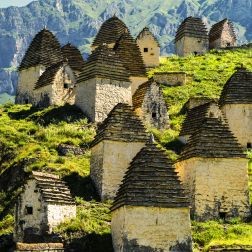
Ingushetia is one of the North Caucasus’ quietest and most distinctive regions, known for mountain tower complexes, narrow valleys, and a remarkable sense of stillness. For travelers, it offers a route built less on spectacle alone and more on atmosphere, history, and mountain memory
Karachay-Cherkess Republic
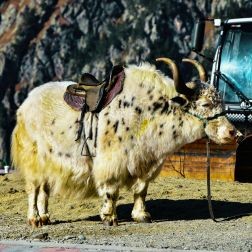
Karachay-Cherkessia is one of the most rewarding mountain regions for travelers who want both scenery and flexibility. With Dombay, Arkhyz, and Teberda in one region, it offers a route that can feel adventurous, restorative, and surprisingly varied within just a few days
Kabardino-Balkaria
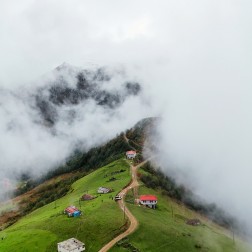
Kabardino-Balkaria is one of the Caucasus regions that instantly delivers scale: snowy summits, narrow gorges, waterfalls, and roads that feel dramatic from the first hour. For travelers, it works as both a classic Elbrus destination and a broader mountain route full of depth and atmosphere
Yamal
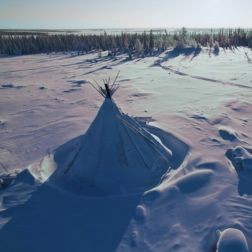
Yamal is Russia’s Arctic Circle story: Salekhard, Nenets reindeer culture, mammoth history, tundra and winter festivals

Komi
Komi is for travelers who want deep northern nature: Syktyvkar, Finno-Ugric culture, virgin forests and Manpupuner