

This website uses cookies.
Learn more

Novgorod Oblast: Russia’s Historic Heart
Veliky Novgorod is one of Russia’s great historic destinations, where kremlin walls, cathedral silhouettes, and wide river light create a journey defined by heritage, scale, and quiet grandeur. For travelers, it offers a memorable way to experience the foundations of old Russia
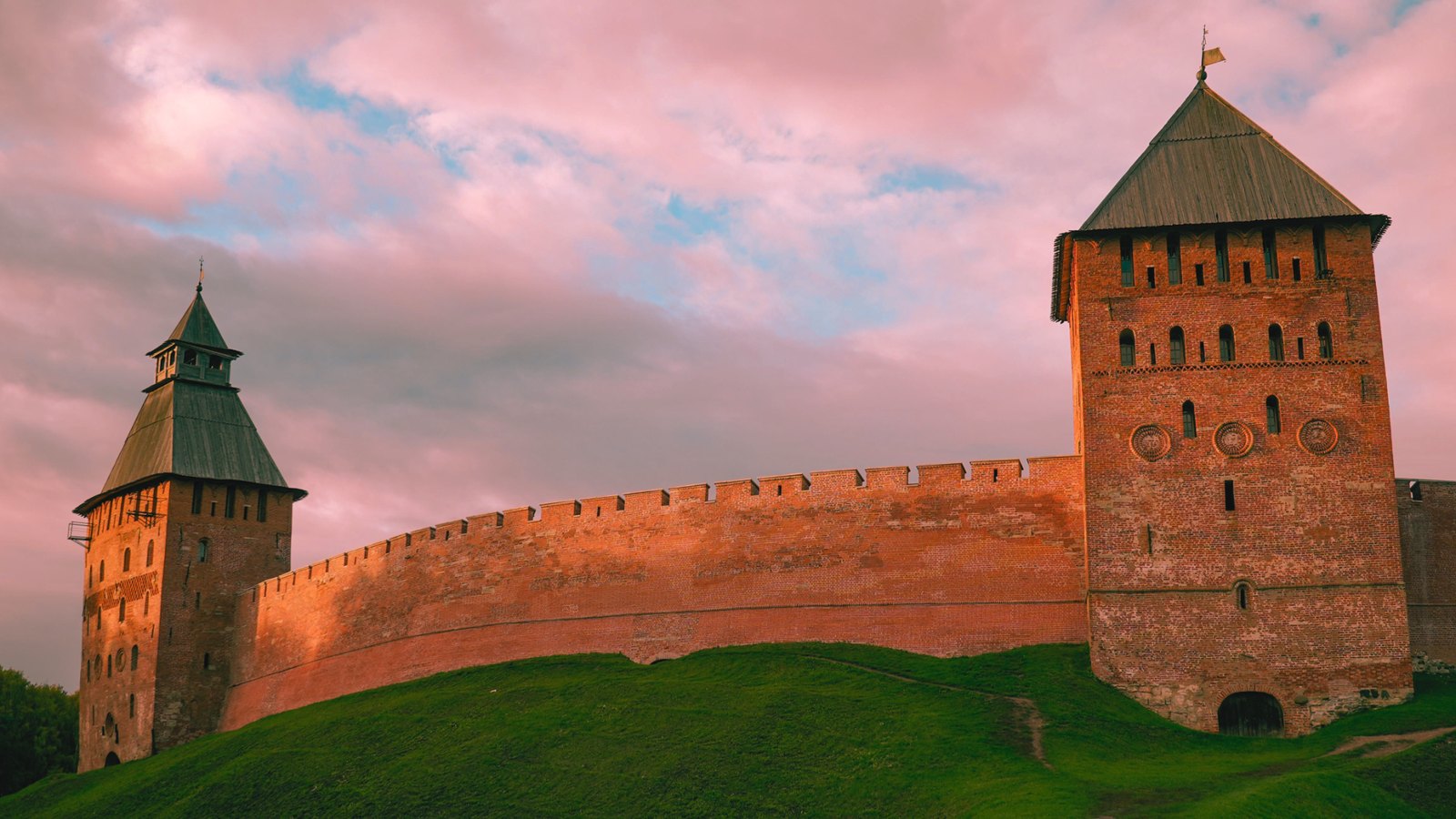
Novgorod Oblast: Where to Go, What to See, and Why It Is One of Russia’s Most Historic Regions
Novgorod Oblast is one of the rare regions in Russia where a trip immediately feels larger than a standard city break. It is not only about one destination, one museum, or one famous square. It is a route through the early history of the Russian state, medieval architecture, river landscapes, monasteries, and a regional rhythm that feels calmer and deeper than the usual fast-paced itinerary. For international travelers, this region is especially valuable because it reveals a version of Russia built around origins, memory, and place rather than scale alone.
The strongest entry point is Veliky Novgorod. The official regional tourism project describes the Novgorod Kremlin, also known as Detinets, as the most ancient Kremlin in Russia and places inside it St. Sophia Cathedral, the Millennium of Russia Monument, and the museum-reserve collections. UNESCO also recognizes the Historic Monuments of Novgorod and its Surroundings as a World Heritage property directly linked to the formation of the Old Russian state in the ninth and tenth centuries. That combination makes the region unusually strong for a cultural route: it is not only beautiful, but foundational.
What makes Novgorod Oblast especially suitable for the Ready4Ru blog is the way it balances heritage and travel practicality. You can plan a compact weekend focused on Veliky Novgorod itself, or build a broader regional trip that includes river embankments, monasteries, museum-reserve sites, lakeside scenery, and smaller historic towns. This flexibility is useful for foreign travelers who may want a route that feels authentic but is still easy to understand and structure.
Why Novgorod Oblast deserves a place on a Russia itinerary
For many international readers, Russia is still imagined through Moscow, Saint Petersburg, and a few globally known landmarks. Novgorod Oblast changes that perspective. Here, the appeal is not metropolitan scale but historical depth. Veliky Novgorod is one of the oldest cities in Russia, located near where the Volkhov River flows out of Lake Ilmen, and its historic core offers a rare concentration of monuments that are meaningful both architecturally and politically.
The region also works well because it is visually coherent. Walls of red brick, white cathedrals, riverside panoramas, bell towers, monasteries, and open skies create a strong editorial image. Unlike destinations that need heavy explanation, Novgorod feels understandable at first glance and more interesting the longer you stay. It offers exactly the kind of layered experience that works well in a travel blog: history, atmosphere, route logic, and practical value.
What to see in Novgorod Oblast
Start with the Novgorod Kremlin. This is the anchor point of any first trip and the place where the region’s historical identity becomes clear. The official tourism project highlights the Kremlin’s role as the center of political, public, and religious life in medieval Novgorod, while St. Sophia Cathedral and the Millennium of Russia Monument give the space both visual and symbolic weight.
Then move outward to the rest of Veliky Novgorod: Yaroslav’s Court, river embankments, churches, monasteries, and museum-reserve sites. The UNESCO listing makes clear that the heritage of Novgorod is not limited to one building or one square. It is a wider historical landscape made up of monuments, monasteries, churches, and archaeological traces that together tell the story of one of the most important early centers of Rus'.
A broader regional trip can also include Lake Ilmen and the quieter parts of the oblast where the pace becomes slower and more contemplative. Lake Ilmen gives the region an open, natural counterpoint to its medieval architecture, while towns and villages beyond Veliky Novgorod help the itinerary feel less like a museum visit and more like a route through living geography.
If you want to expand beyond the main city, Valdai is often the next logical name in the region. It adds lakes, wooded scenery, monasteries, and a more restful travel mood. This can be especially useful for a blog article aimed at readers who want a weekend itinerary with both culture and nature rather than an urban-only format.
When to go
The easiest season for a first trip is fr om late spring to early autumn. In this period, walking routes, river views, green embankments, and open architectural panoramas are especially rewarding. Summer is practical for travelers who want long daylight hours and the simplest logistics. Early autumn is often even more attractive for photography because the city’s red walls, white cathedrals, and river scenery become richer in tone without losing accessibility.
Winter can also work if the goal is atmosphere rather than a broad regional route. Snow gives Veliky Novgorod an especially strong visual character, but for a first-time international visitor the warmer season remains the clearest recommendation.
What to plan in advance
Novgorod Oblast is much easier than some remote northern or Siberian regions, but it still benefits fr om advance planning. It helps to decide whether the journey will focus only on Veliky Novgorod or include additional regional stops. Foreign travelers should also think ahead about practical services. In the article, Ready4Ru can be integrated naturally through a bank card for travel in Russia and travel insurance. This makes payments, bookings, and overall route planning more predictable, especially for readers building a multi-stop trip inside Russia.
Who this trip is for
Novgorod Oblast is ideal for travelers who care about context. It suits people who enjoy history not as a checklist but as a lived environment, wh ere walls, cathedrals, monuments, rivers, and open squares still shape the atmosphere of the city. It also works well for couples, independent travelers, cultural tourists, photographers, and readers who prefer places with identity over places with spectacle alone.
If someone wants nightlife, luxury shopping, and a dense metropolitan rhythm, it is better to start elsewhere. But if the goal is to understand a deeper layer of Russia through one of its earliest and most influential regions, Novgorod Oblast is one of the strongest choices.
Novgorod Oblast is not simply a historic destination. It is a region wh ere travel and origin story meet. The Kremlin, St. Sophia Cathedral, the UNESCO-listed monuments, the river setting, and the wider landscape around Lake Ilmen all create a route that feels grounded, memorable, and surprisingly accessible. For the Ready4Ru blog, it is an excellent topic because it combines high cultural value, strong visual material, and practical relevance for international travelers planning a route in Russia.Other articles
Chechnya
The Chechen Republic is one of the most visually contrasting regions in the North Caucasus: a modern capital, major mosques, mountain roads, high lakes, and fast shifts from city scale to highland silence. For travelers, it offers a route shaped by contrast and surprise
Stavropol Krai
Stavropol Krai works differently fr om the higher mountain republics: it is about rhythm, resort culture, long promenades, mineral springs, and the soft edge wh ere spa towns meet the Caucasus. For travelers, it offers one of southern Russia’s most polished and accessible regional escapes
North Ossetia–Alania
North Ossetia–Alania is one of the most complete travel regions in the North Caucasus, combining a charismatic city, famous gorges, strong mountain roads, and places that carry real historical weight. For travelers, it is a route with both scenery and story
Ingushetia
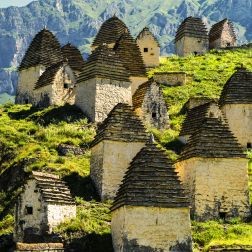
Ingushetia is one of the North Caucasus’ quietest and most distinctive regions, known for mountain tower complexes, narrow valleys, and a remarkable sense of stillness. For travelers, it offers a route built less on spectacle alone and more on atmosphere, history, and mountain memory
Karachay-Cherkess Republic
Karachay-Cherkessia is one of the most rewarding mountain regions for travelers who want both scenery and flexibility. With Dombay, Arkhyz, and Teberda in one region, it offers a route that can feel adventurous, restorative, and surprisingly varied within just a few days
Kabardino-Balkaria
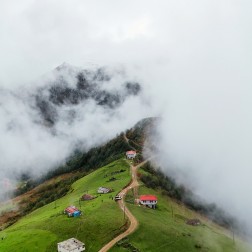
Kabardino-Balkaria is one of the Caucasus regions that instantly delivers scale: snowy summits, narrow gorges, waterfalls, and roads that feel dramatic from the first hour. For travelers, it works as both a classic Elbrus destination and a broader mountain route full of depth and atmosphere
Yamal
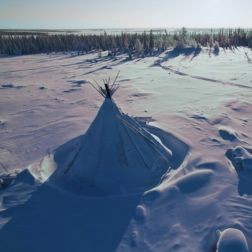
Yamal is Russia’s Arctic Circle story: Salekhard, Nenets reindeer culture, mammoth history, tundra and winter festivals

Komi
Komi is for travelers who want deep northern nature: Syktyvkar, Finno-Ugric culture, virgin forests and Manpupuner