

This website uses cookies.
Learn more

Nizhny Novgorod: Russia’s City of Sunsets
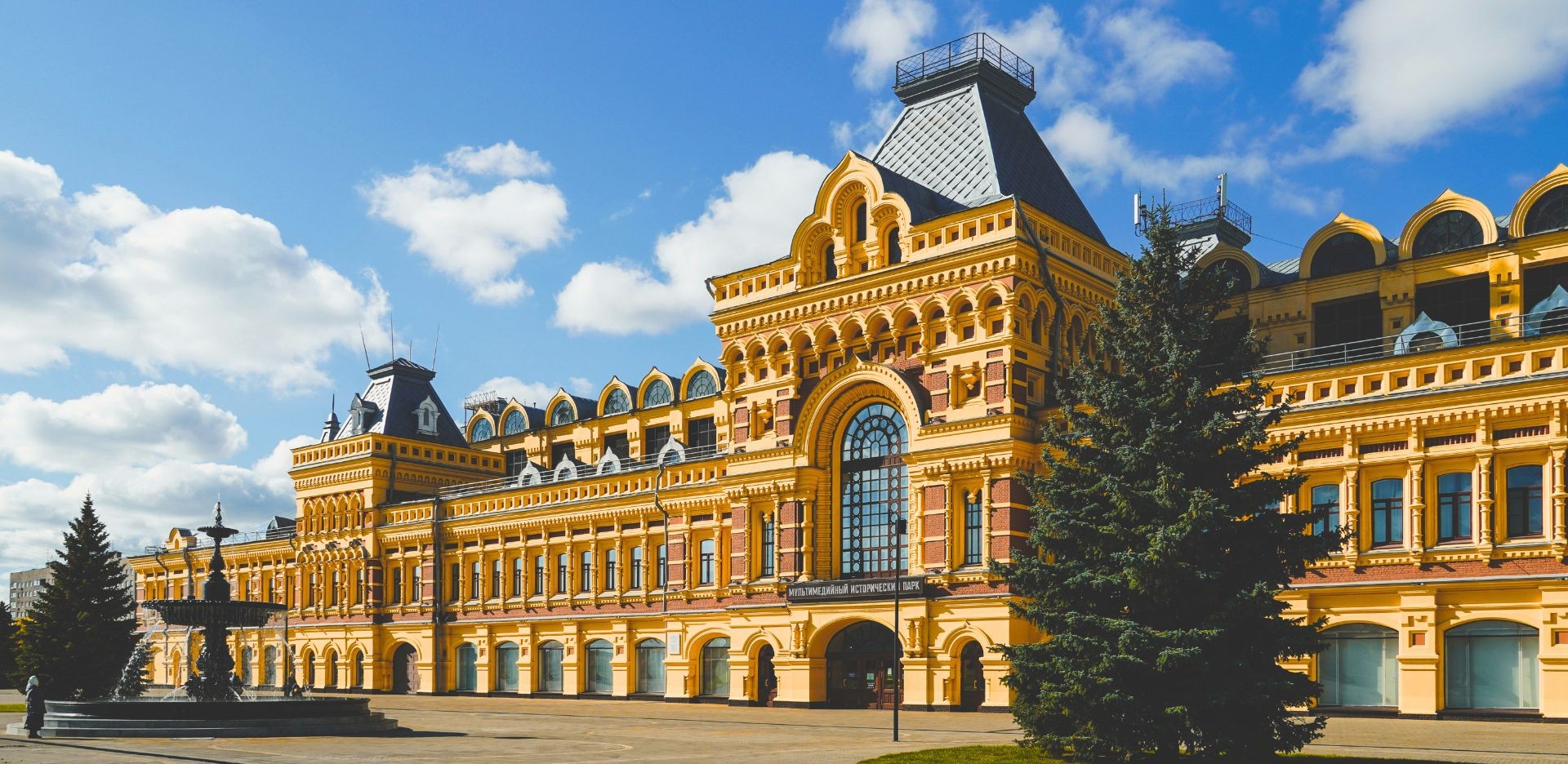
Nizhny Novgorod is a city of walls, embankments, and wide river light — a place where old trade routes, dramatic viewpoints, and a strong modern rhythm come together naturally
Nizhny Novgorod: Russia’s City of Sunsets
Nizhny Novgorod feels larger than a standard historic city and more atmospheric than a purely modern one. It rises above the confluence of the Volga and the Oka, and that geography gives the whole city a sense of scale. Views are not an accessory here. They are part of the structure of the trip.What makes the city especially effective for an international traveler is its balance. It has a real kremlin, a real merchant history, a celebrated fairground legacy, long embankments, and enough cultural life to feel active beyond its monuments. It is one of those rare Russian cities where the classic and the contemporary do not compete with each other. They reinforce each other.
Nizhny Novgorod also works beautifully as a base. Once the center is done properly, the wider region opens into pilgrimage routes, Volga craft towns, Pushkin-related literary landscapes, and smaller historic cities. That is why this destination works not only as a city break, but as the beginning of a larger route.
Must-See Places
The natural first stop is the Nizhny Novgorod Kremlin. It is the architectural key to the city: fortress walls, towers, museums, memorial points, and some of the strongest river viewpoints in European Russia. It gives the city its old spine and explains why Nizhny has always mattered strategically and symbolically.The second essential axis is the old fairground district. The fair turned Nizhny Novgorod into one of the great trade centers of the Russian Empire, and that commercial history still shapes how the city reads today. It feels outward-looking, connected, and confident.
After that, the city opens through Bolshaya Pokrovskaya, the upper embankments, staircases, river lookouts, and the cable car. Nizhny is at its strongest when you allow time for movement between sights, because the transitions are often as memorable as the landmarks themselves.
3/5/7-Day Routes
3 days
Day 1 should be devoted to the Kremlin, the upper embankment, and the panoramic viewpoints above the confluence. Add Bolshaya Pokrovskaya in the evening, when the city feels most social and theatrical. Day 2 should focus on the fair district, a river-facing walk, and one or two major museums. Day 3 is best used for the cable car, a slower café-and-viewpoint day, and enough unscheduled time to let the city’s geography work on you.
5 days
With five days, Nizhny Novgorod stops being only a city break. Keep the three core city days, then add one day in Gorodets for Volga craft culture and merchant-town atmosphere, and one more day for either Diveevo, Arzamas, or a slower museum-focused program back in Nizhny. This version of the trip works especially well for travelers who want both classic city energy and one regional contrast.
7 days
Seven days allow you to treat Nizhny as a full regional hub. Keep the city, add Gorodets, and then choose two of the following: Diveevo for sacred architecture and pilgrimage atmosphere, Arzamas for historic depth, or Boldino for literary resonance. This longer version gives the route a clear narrative arc: fortress city, imperial trade, Volga culture, and the wider historic landscape around it.
Hidden Gems and Local Experience
One of Nizhny’s best qualities is that it rewards walking. The city is full of transitions: stairs descending toward the river, quiet side streets off the main pedestrian axis, sudden openings to enormous views, and embankments that make even a short detour feel worthwhile.
It also has a strong everyday culture. This is not a city that closes down after the landmarks. Restaurants, small cultural venues, embankment life, and evening movement keep it feeling alive. For travelers, that means Nizhny is enjoyable even when the itinerary loosens.
Food, Culture, and Traditions
Nizhny Novgorod is not defined by a single iconic dish. Its strength is broader: merchant-city cafés, Volga-facing dining, breakfast culture, and a public-food rhythm that suits a city of long walks and wide views.
The best approach here is to write through atmosphere: dinner with a river panorama, a slow breakfast before museum time, local pastries and tea, and evenings that belong outside. In Nizhny, food works best as part of the city’s movement rather than as a separate attraction.
Planning Your Trip
Nizhny Novgorod is best planned as a city-first trip with regional add-ons, not the other way around. Stay central, let the viewpoints and embankments set the pace, and only then decide which extra day trips deserve your time. For smoother payments inside Russia, many travelers arrange a Ready4Ru bank card before arrival and add Ready4Ru insurance before departure. This setup is especially useful for transport, hotel payments, local bookings, and general trip flexibility inside Russia.
Nizhny Novgorod succeeds because it feels complete. It offers a major kremlin, great river drama, trade history, strong walks, and regional routes that extend naturally from the city. It is one of the easiest Russian destinations to recommend when the goal is history, atmosphere, and structure in the same journey.
Other articles
Chechnya
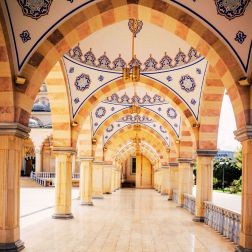
The Chechen Republic is one of the most visually contrasting regions in the North Caucasus: a modern capital, major mosques, mountain roads, high lakes, and fast shifts from city scale to highland silence. For travelers, it offers a route shaped by contrast and surprise
Stavropol Krai
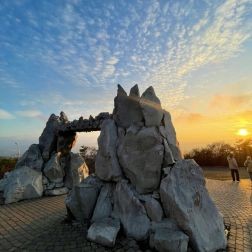
Stavropol Krai works differently fr om the higher mountain republics: it is about rhythm, resort culture, long promenades, mineral springs, and the soft edge wh ere spa towns meet the Caucasus. For travelers, it offers one of southern Russia’s most polished and accessible regional escapes
North Ossetia–Alania
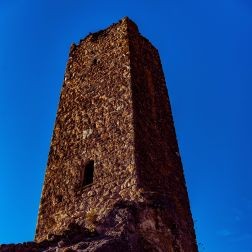
North Ossetia–Alania is one of the most complete travel regions in the North Caucasus, combining a charismatic city, famous gorges, strong mountain roads, and places that carry real historical weight. For travelers, it is a route with both scenery and story
Ingushetia
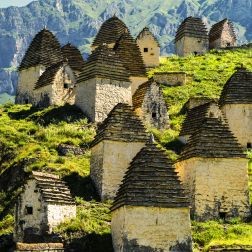
Ingushetia is one of the North Caucasus’ quietest and most distinctive regions, known for mountain tower complexes, narrow valleys, and a remarkable sense of stillness. For travelers, it offers a route built less on spectacle alone and more on atmosphere, history, and mountain memory
Karachay-Cherkess Republic
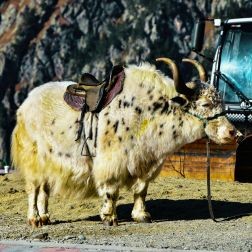
Karachay-Cherkessia is one of the most rewarding mountain regions for travelers who want both scenery and flexibility. With Dombay, Arkhyz, and Teberda in one region, it offers a route that can feel adventurous, restorative, and surprisingly varied within just a few days
Kabardino-Balkaria
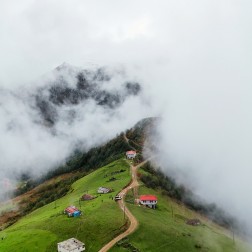
Kabardino-Balkaria is one of the Caucasus regions that instantly delivers scale: snowy summits, narrow gorges, waterfalls, and roads that feel dramatic from the first hour. For travelers, it works as both a classic Elbrus destination and a broader mountain route full of depth and atmosphere
Yamal
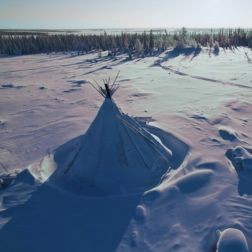
Yamal is Russia’s Arctic Circle story: Salekhard, Nenets reindeer culture, mammoth history, tundra and winter festivals

Komi
Komi is for travelers who want deep northern nature: Syktyvkar, Finno-Ugric culture, virgin forests and Manpupuner