

This website uses cookies.
Learn more

Nenets Autonomous Okrug: Beyond Naryan-Mar
Nenets is one of Russia’s most evocative Arctic destinations, where tundra, reindeer, aurora skies, and long northern horizons create a journey defined by remoteness, silence, and elemental beauty. For travelers, it offers a rare and memorable experience of the Russian North
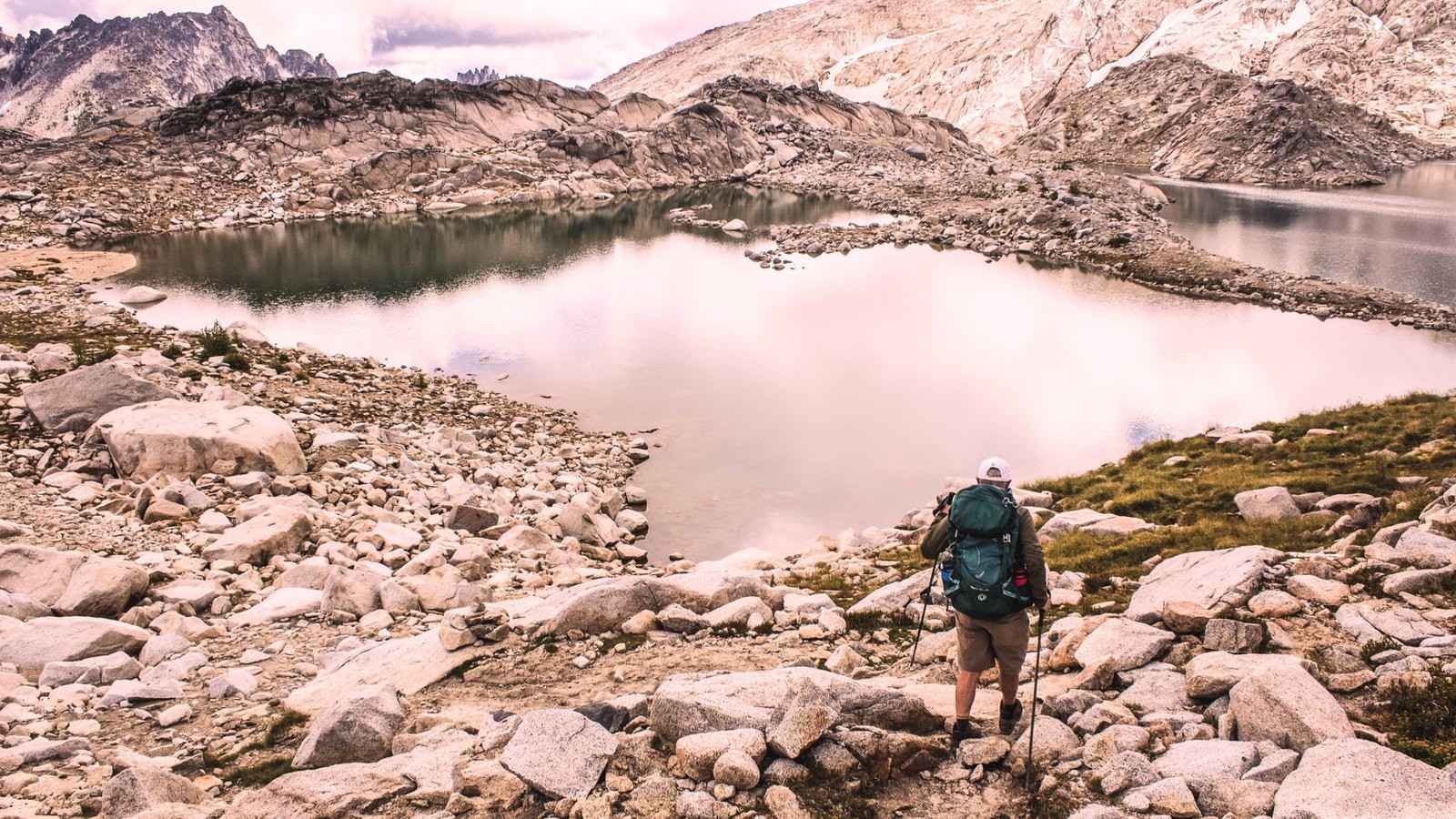
Nenets Autonomous Okrug: Where to Go, What to See, and Why It Is One of Russia’s Most Distinct Arctic Journeys
The Nenets Autonomous Okrug is one of those Russian regions that instantly changes the tone of a trip. This is not a destination for crowded boulevards, quick city breaks, or familiar sightseeing patterns. It is a northern route defined by tundra, Arctic light, river landscapes, indigenous culture, and a rare sense of remoteness. For international travelers, the region feels less like a standard destination and more like an encounter with a different spatial logic altogether. Distances are wider, the pace is slower, and the landscape itself becomes the main reason to go. For the Ready4Ru blog, this makes the Nenets Autonomous Okrug a strong subject: it combines visual originality, practical route value, and a side of Russia that many foreign visitors never expect to discover.Why the Nenets Autonomous Okrug deserves a place in a Russia itinerary
The official investment and tourism materials describe the region as a young and promising Arctic tourism destination and emphasize exactly what makes it stand out: northern lights, polar day and polar night, wildlife of the high latitudes, and the original culture of the indigenous peoples of the North. That combination matters because the Nenets Autonomous Okrug offers more than scenery. It gives travelers a coherent Arctic experience built around nature, ethnography, history, and the feeling of reaching one of Russia’s least ordinary regions. The same official materials also position the district through its wide river and lake system, protected natural areas, and access to unique cultural sites, making it suitable for travelers who want not just a picture, but a route with a clear identity.
What to see in the Nenets Autonomous Okrug
If this is your first trip, the easiest route begins with Naryan-Mar, the administrative center and main transport hub of the region. Official tourism information presents it as the natural starting point for travel across the district. Naryan-Mar sits beyond the Arctic Circle, in the lower reaches of the Pechora River, and gives the journey a clear base: this is where Arctic scale meets daily life. The city is also linked to the Pustozersk museum-reserve and serves as the gateway to the Center of Arctic Tourism, which offers excursions, ethnographic programs, active tours, and regional events.
The second major direction is ethnographic and cultural travel. Official materials note that visitors can meet the Nenets way of life through the regional ethnographic complex, reindeer camps, and programs that introduce guests to northern traditions, national costumes, reindeer sleigh rides, and local sports. That makes the region especially strong for travelers who want more than landscapes. Here, the route includes living culture, not only scenery.
A third important point is Pustozersk. The official tourism description highlights it as an archaeological monument of federal significance and the first Russian town beyond the Arctic Circle, founded in 1499. Today it functions as an open-air memorial landscape rather than a conventional city destination. For a travel article, Pustozersk adds historical depth: the Nenets Autonomous Okrug is not only remote and natural, but also connected to the early Russian movement into the North.
Beyond these more accessible locations, the region opens into its most dramatic natural themes. Official materials specifically mention Vaigach Island, known both for Arctic landscapes and for its sacred significance to the indigenous peoples of the North. They also single out Stone Town, a limestone outcrop area shaped by frost weathering, with cliffs, caves, and quartz sands that create an almost surreal landscape. Another extraordinary site is Pym-Va-Shor, described by the regional tourism authorities as the only hot springs beyond the Arctic Circle. Together, these places give the Nenets Autonomous Okrug a rare editorial advantage: it is Arctic, but not visually monotonous. The region contains tundra, river systems, coastal waters, sacred islands, geological oddities, and cultural memory all at once.
When to go
The most practical season for a first trip is fr om late spring to early autumn, when logistics are easier and regional routes are more manageable. Summer works especially well for travelers who want to focus on landscapes, river systems, ethnographic programs, and the wider visual openness of the tundra. It is also the easiest season for building a route around Naryan-Mar and nearby destinations without turning the trip into a full expedition.
At the same time, the region’s identity is strongly tied to Arctic light phenomena. The official tourism description highlights both polar day and polar night, as well as the chance to witness the northern lights. That makes autumn and winter attractive for readers who are specifically interested in aurora travel and a more dramatic Arctic atmosphere. For a broad English-language blog audience, however, the warm season remains the simplest recommendation for a first visit, while the colder months can be positioned as a more advanced and experience-driven option.
What to plan in advance
The Nenets Autonomous Okrug is not a destination wh ere it makes sense to improvise everything after arrival. Its geography, climate, and transport logic all reward preparation. It is worth deciding in advance whether the route will remain centered on Naryan-Mar and its museums, whether it will include an ethnographic program with reindeer culture, or whether the trip is built as a deeper Arctic concept around protected landscapes and more remote natural sites.
For international travelers, practical services matter as much as inspiration. Before departure, it helps to sort out payment options, insurance, and the everyday basics of travel inside Russia. In the article, Ready4Ru services can be integrated naturally: travelers can prepare a bank card for travel in Russia through Ready4Ru, and choose travel insurance in advance. That makes the trip calmer and easier to manage in a region where scale, weather, and logistics are part of the experience itself.
Who this trip is for
The Nenets Autonomous Okrug is best suited to travelers who value atmosphere, scale, and routes with a strong identity. It works particularly well for independent travelers, photographers, couples, culture-focused readers, and anyone drawn to Arctic landscapes that still feel relatively untouched by mass tourism. It is also a good fit for people who prefer the feeling of entering a different world rather than simply adding another city to a list.
If someone wants dense infrastructure, classic museum circuits, and easy urban weekends, other Russian destinations may be simpler. But for those who want Russia to feel spacious, northern, and genuinely unusual, the Nenets Autonomous Okrug offers one of the most distinctive journeys in the country.
The Nenets Autonomous Okrug is not a destination built around one landmark. It is a region where Arctic nature, indigenous culture, historical memory, and the aesthetics of remoteness come together as one experience. Naryan-Mar, Pustozersk, Stone Town, Vaigach Island, and the wider tundra do not compete with each other; they build one coherent impression of the Russian North. For the Ready4Ru blog, this is exactly the kind of topic that combines search value, visual strength, and practical relevance for travelers planning a route in Russia beyond the obvious choices.
Other articles
Chechnya
The Chechen Republic is one of the most visually contrasting regions in the North Caucasus: a modern capital, major mosques, mountain roads, high lakes, and fast shifts from city scale to highland silence. For travelers, it offers a route shaped by contrast and surprise
Stavropol Krai
Stavropol Krai works differently fr om the higher mountain republics: it is about rhythm, resort culture, long promenades, mineral springs, and the soft edge wh ere spa towns meet the Caucasus. For travelers, it offers one of southern Russia’s most polished and accessible regional escapes
North Ossetia–Alania
North Ossetia–Alania is one of the most complete travel regions in the North Caucasus, combining a charismatic city, famous gorges, strong mountain roads, and places that carry real historical weight. For travelers, it is a route with both scenery and story
Ingushetia
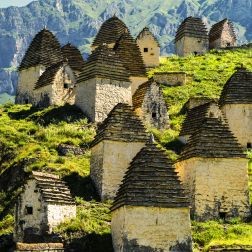
Ingushetia is one of the North Caucasus’ quietest and most distinctive regions, known for mountain tower complexes, narrow valleys, and a remarkable sense of stillness. For travelers, it offers a route built less on spectacle alone and more on atmosphere, history, and mountain memory
Karachay-Cherkess Republic
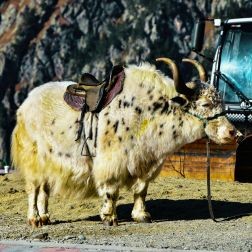
Karachay-Cherkessia is one of the most rewarding mountain regions for travelers who want both scenery and flexibility. With Dombay, Arkhyz, and Teberda in one region, it offers a route that can feel adventurous, restorative, and surprisingly varied within just a few days
Kabardino-Balkaria
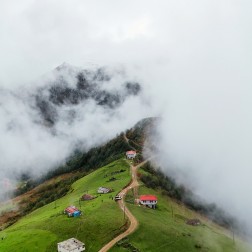
Kabardino-Balkaria is one of the Caucasus regions that instantly delivers scale: snowy summits, narrow gorges, waterfalls, and roads that feel dramatic from the first hour. For travelers, it works as both a classic Elbrus destination and a broader mountain route full of depth and atmosphere
Yamal
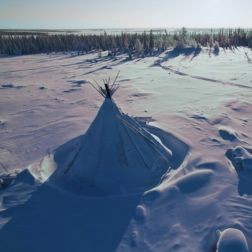
Yamal is Russia’s Arctic Circle story: Salekhard, Nenets reindeer culture, mammoth history, tundra and winter festivals
Komi
Komi is for travelers who want deep northern nature: Syktyvkar, Finno-Ugric culture, virgin forests and Manpupuner