

This website uses cookies.
Learn more

Nenets AO: Arctic Tundra, Reindeer Trails & Nenets Culture
Discover one of Russia’s most remote Arctic territories, where tundra landscapes, Nenets traditions, reindeer herding culture and the raw beauty of the Barents Sea create a journey far beyond ordinary travel routes
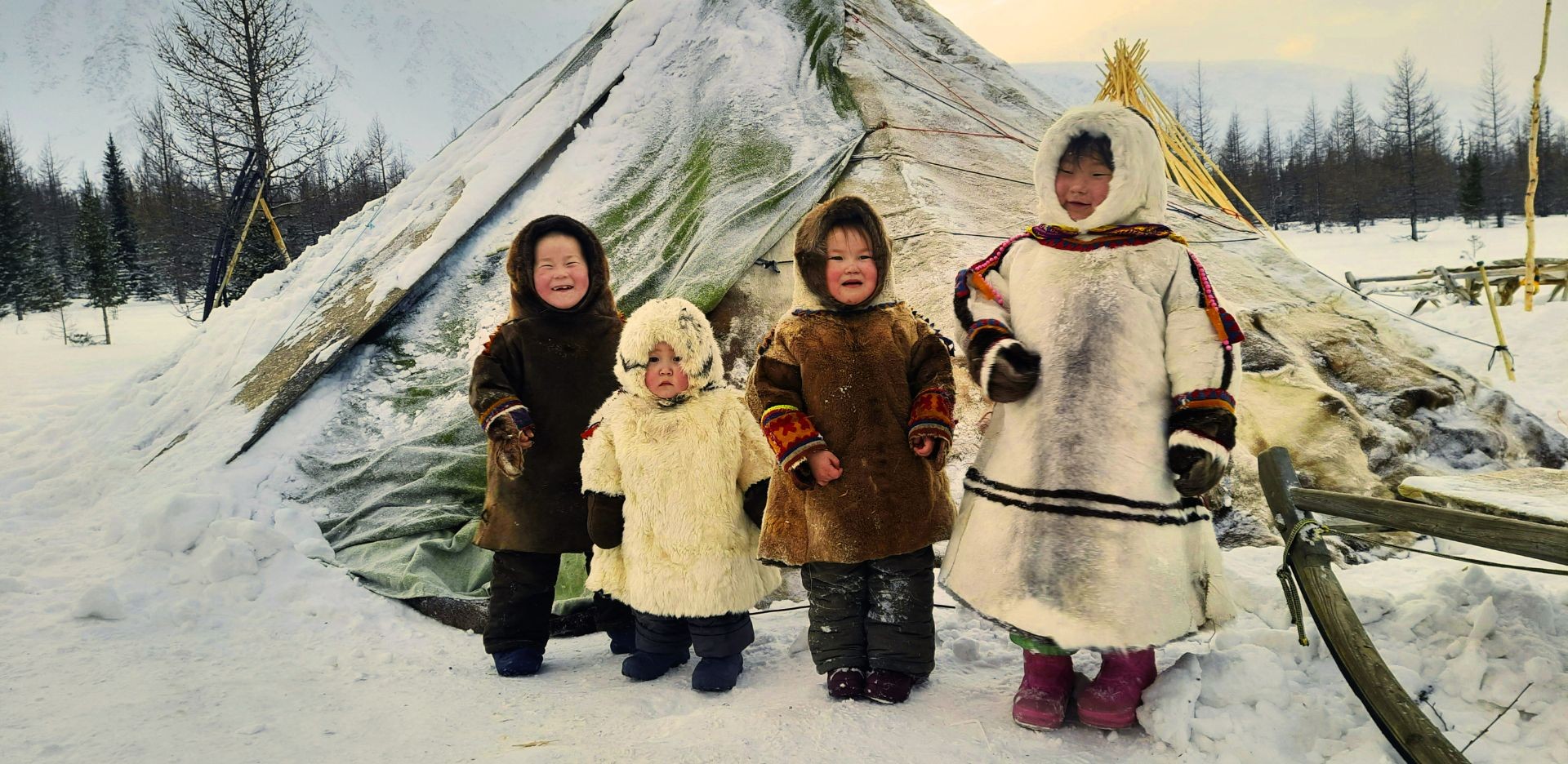
Nenets Autonomous Okrug: Naryan-Mar, Tundra and the Edge of the European Arctic
The Nenets Autonomous Okrug is for travelers who do not want a standard route. It is remote, sparse, weather-dependent and unforgettable. Naryan-Mar is the administrative center and the natural starting point, but the real subject of the trip is the tundra: wide spaces, reindeer culture, northern light, river systems, winter roads and a feeling that travel has become an expedition again. This is not a place to sell as easy tourism. It should be described as rare, respectful and highly planned.
Naryan-Mar as a starting point
Naryan-Mar sits beyond the Arctic Circle on the lower Pechora River, not far fr om the Barents Sea. The city is compact, colorful and shaped by isolation: air travel, river routes and seasonal access matter much more here than highways. Essential stops include the local history museum, the Pustozersk museum-reserve, wooden architecture, monuments connected with Arctic life and the city’s distinctive red-toned identity. It is a good place to spend at least a full day before going into the tundra.
Pustozersk and northern memory
Pustozersk is one of the strongest historical anchors of the region. Founded in 1499, it is remembered as the first Russian city beyond the Arctic Circle and as a place linked with exile, Old Believer history and the expansion of routes to the North. For travelers, it adds depth: the NAO is not only reindeer and snow; it is also a frontier of state history, faith, punishment, survival and movement toward the Arctic seas.
Tundra, Nenets culture and nature
The main emotional reason to visit is contact with tundra life. Ethnographic programs may include a reindeer herders’ camp, traditional chum, national sports, reindeer sledges and stories about nomadic movement. These experiences must be handled carefully: they are not staged folklore only, but part of a living indigenous culture. Natural routes can include river landscapes, birdwatching, fishing, Stone Town, Vaigach Island for advanced expeditions, and Pym-Va-Shor thermal springs on the border with Komi.
Hidden gems and local experience
The hidden gem is the sense of scale. In the NAO, a simple transfer can become a story: snowmobile, all-terrain vehicle, river boat, winter road, weather delay. Local food is practical and northern: fish, venison, berries, hot tea, soups and dishes built for cold. Visitors should be encouraged to respect local rules, ask before photographing people, and choose operators who work ethically with Nenets communities.
3 / 5 / 7-day routes
- 3 days: stay in Naryan-Mar, visit museums, the city center, local monuments and, if available, a nearby ethnographic complex.
- 5 days: add Pustozersk and a guided tundra experience close enough to return safely.
- 7 days: plan a deeper Arctic route with a professional local operator: a reindeer herders’ camp, winter fishing, Stone Town or a nature program. Vaigach and remote reserves require more time, permits and serious preparation, so they should not be suggested as casual add-ons.
Planning your trip
This region demands planning. Weather can change schedules, local transport may depend on season, and independent travel outside Naryan-Mar is limited. Visitors should arrange guides, permits and transfers in advance, carry warm layered clothing even in shoulder seasons, and keep reserve days. It is also wise to prepare payment tools before arrival, because remote logistics often leave little room for solving banking problems on the spot.
Useful Ready4Ru links for travelers: Apply for a Russian bank card, top up a Russian bank card, and arrange travel insurance.
The Nenets Autonomous Okrug is not a destination for everyone, and that is exactly its strength. It offers a rare encounter with the European Arctic: quiet, severe, generous and still shaped by people who know how to live with the tundra rather than against it.
Best time to visit
The NAO is highly seasonal. Winter gives the strongest Arctic identity, with snow routes, reindeer culture, northern lights and tundra landscapes, but it also brings severe conditions. Summer and early autumn can open river and nature routes, birdwatching and fishing, though insects and weather must be considered. This is not a region wh ere travelers should choose dates only by price. The right season depends on access, operators, cultural permissions, safety and the type of tundra experience they want.
What makes it different
The Nenets Autonomous Okrug is different because it is not built around easy attraction-hopping. It is built around access, weather, culture and scale. The content should never make the region look simple. Its value is precisely that the traveler enters a place where roads, seasons and local knowledge still matter. The strongest SEO phrases are Naryan-Mar, Nenets culture, Arctic Russia, tundra tourism and Pustozersk. The strongest emotional promise is rare contact with a northern world that most travelers will never see.
Other articles
Chechnya
The Chechen Republic is one of the most visually contrasting regions in the North Caucasus: a modern capital, major mosques, mountain roads, high lakes, and fast shifts from city scale to highland silence. For travelers, it offers a route shaped by contrast and surprise
Stavropol Krai
Stavropol Krai works differently fr om the higher mountain republics: it is about rhythm, resort culture, long promenades, mineral springs, and the soft edge wh ere spa towns meet the Caucasus. For travelers, it offers one of southern Russia’s most polished and accessible regional escapes
North Ossetia–Alania
North Ossetia–Alania is one of the most complete travel regions in the North Caucasus, combining a charismatic city, famous gorges, strong mountain roads, and places that carry real historical weight. For travelers, it is a route with both scenery and story
Ingushetia
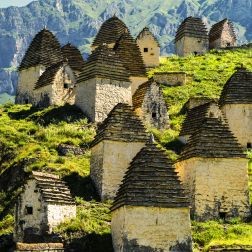
Ingushetia is one of the North Caucasus’ quietest and most distinctive regions, known for mountain tower complexes, narrow valleys, and a remarkable sense of stillness. For travelers, it offers a route built less on spectacle alone and more on atmosphere, history, and mountain memory
Karachay-Cherkess Republic
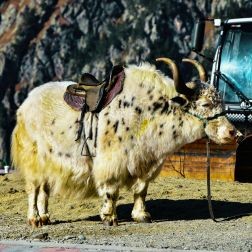
Karachay-Cherkessia is one of the most rewarding mountain regions for travelers who want both scenery and flexibility. With Dombay, Arkhyz, and Teberda in one region, it offers a route that can feel adventurous, restorative, and surprisingly varied within just a few days
Kabardino-Balkaria
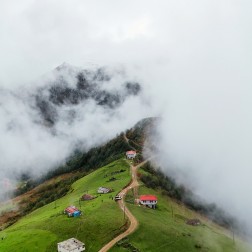
Kabardino-Balkaria is one of the Caucasus regions that instantly delivers scale: snowy summits, narrow gorges, waterfalls, and roads that feel dramatic from the first hour. For travelers, it works as both a classic Elbrus destination and a broader mountain route full of depth and atmosphere
Yamal
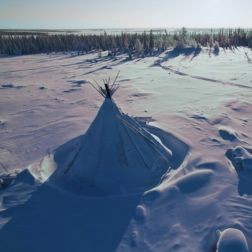
Yamal is Russia’s Arctic Circle story: Salekhard, Nenets reindeer culture, mammoth history, tundra and winter festivals
Komi
Komi is for travelers who want deep northern nature: Syktyvkar, Finno-Ugric culture, virgin forests and Manpupuner