

This website uses cookies.
Learn more

Murmansk Oblast: Arctic Guide
Teriberka is one of Russia’s most striking Arctic destinations, where windswept shores, cold sea light, and raw northern landscapes create a journey defined by space, silence, and elemental beauty. For travelers, it offers a powerful and memorable way to experience the edge of the Russian North
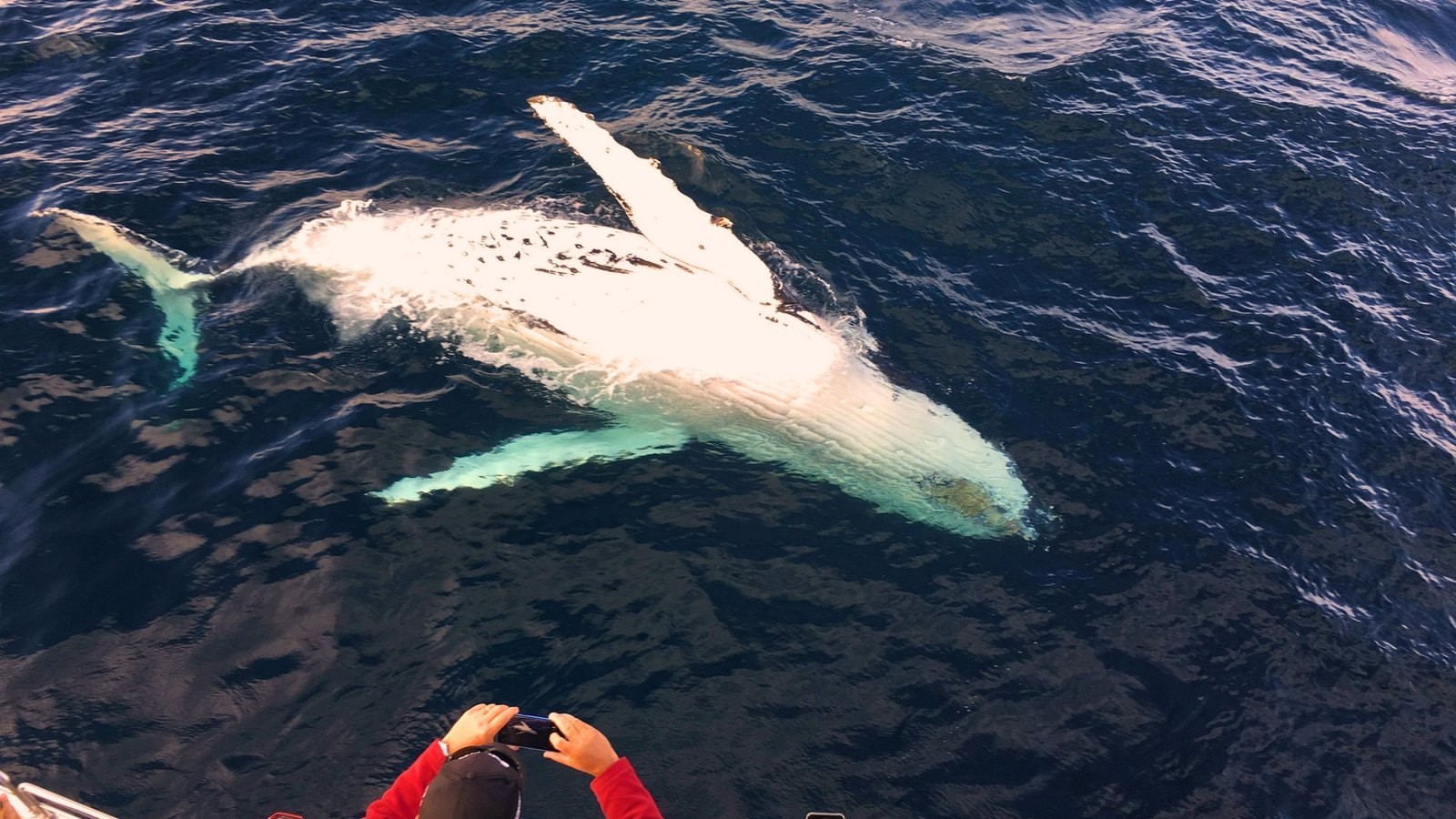
Murmansk Oblast: Where to Go, What to See, and Why Russia’s Arctic North Leaves Such a Strong Impression
Murmansk Oblast is one of those destinations that immediately changes a traveler’s idea of Russia. This is not a region of classical city breaks, palace routes, or easy postcard tourism. It is the Russian Arctic: sea wind, tundra, long horizons, industrial power, fishing heritage, mountain plateaus, and coastal settlements that feel almost cinematic. People come here for a different scale of travel — for the sensation of reaching the edge of the continent, where the land meets the Barents Sea and ordinary tourism turns into something closer to an expedition. For the Ready4Ru blog, Murmansk Oblast is a strong topic because it combines dramatic visuals, practical route value, and a clear emotional promise: this is one of the most unusual and memorable trips in Russia.
Why Murmansk Oblast deserves a place in a Russia itinerary
For international travelers, Murmansk Oblast reveals a side of Russia that feels raw, northern, and visually unforgettable. Official regional tourism materials describe the region as the heart of the Russian Arctic, with access to the Barents Sea, Sami culture, Arctic cuisine, northern lights tourism, and routes that combine city, coast, and mountain landscapes. The Murmansk city tourism portal also emphasizes that Murmansk is the largest Russian city above the Arctic Circle and the world’s largest city built beyond the Polar Circle. That alone gives the destination a clear editorial hook. But the real strength of the region lies in contrast: one trip can include an Arctic port city, a windswept fishing settlement on the coast, and mountain terrain in the Khibiny. Very few Russian regions offer such a compact but powerful mix of experiences.
What to see in Murmansk Oblast
If this is your first trip, the easiest way to understand the region is to build the route around several anchor points.
Start with Murmansk itself. The city matters not only as the transport hub of the region, but also as a destination with its own identity: an Arctic port, a place shaped by the Northern Sea Route, maritime history, and harsh weather that becomes part of the city’s character. It works well as the starting point for a longer route, especially for readers who want to combine practical logistics with a feeling of arrival in the far north.
The second major direction is Teriberka. Over the last few years, it has become one of the region’s most recognizable names for international travelers. The coastal scenery, open Barents Sea, shipwreck views, tundra roads, and dramatic weather make Teriberka one of the strongest visual destinations in northwestern Russia. It is also one of the clearest examples of why Murmansk Oblast feels different fr om standard Russian itineraries: here the trip is built around atmosphere, open space, and the sensation of being at the edge of Europe.
The third anchor point is the Khibiny. Official tourism sources describe the Khibiny as the largest mountain range on the Kola Peninsula and one of the region’s most important natural attractions. In practical travel terms, this is wh ere Murmansk Oblast opens up as an active destination: hiking in summer, snow and ski travel in winter, mountain lakes, panoramic roads, and the sense that the Arctic is not only coastal but also alpine. For a blog article, the Khibiny add range and depth: the region is not just sea and tundra, but also mountains and national park scenery.
For travelers who want a broader cultural layer, the region also carries Sami history, northern fishing traditions, military memory, and the rhythm of Arctic life. That makes it useful editorially: Murmansk Oblast can be presented not only as a beautiful place, but as a region with a distinct identity that travelers remember after the trip ends.
When to go
Murmansk Oblast changes dramatically with the season, so timing is part of the travel concept itself. Winter is the classic choice for travelers who dream of snow, polar landscapes, and the northern lights. It is the season of dark skies, luminous horizons, Arctic hotels, frozen roads, and the full emotional effect of the far north. Summer creates an entirely different experience: more mobility, green tundra, easier access to coastal and mountain routes, and the extraordinary feeling of polar daylight. The official regional tourism materials specifically frame the destination through both aurora tourism and summer routes across the Kola Peninsula.
For a first trip aimed at a broad audience, late summer and early autumn are often the easiest recommendation. Logistics are simpler, nature still feels strong and photogenic, and travelers can combine Murmansk, Teriberka, and the Khibiny without the extra complexity of deep winter conditions. But winter remains the most iconic season for readers who want the full Arctic image.
What to plan in advance
Murmansk Oblast is not a destination where it is wise to improvise every step after arrival. Distances may look manageable on the map, but weather, road conditions, and transport rhythm matter a lot here. It helps to decide in advance whether the trip will focus on Murmansk plus one signature excursion, such as Teriberka, or whether it will become a fuller regional route with mountain days in the Khibiny as well. Accommodation, transfers, and timing between locations are all easier when the structure of the trip is clear.
For foreign travelers, it is also smart to arrange practical services in advance. That includes everyday payments, transport-related expenses, and travel protection. In this kind of article, Ready4Ru can be integrated naturally: travelers can prepare a bank card for travel in Russia through Ready4Ru, and choose travel insurance before departure. That makes the route easier to manage, especially in a region where transport windows and weather conditions shape the whole travel experience.
Who this trip is for
Murmansk Oblast is ideal for travelers who want more than a checklist destination. It works for people who like dramatic landscapes, weather as part of the experience, remote-feeling places, and routes that carry a strong atmosphere. It suits independent travelers, couples, photographers, and readers who are drawn to destinations with a real sense of edge and distance. If someone wants dense infrastructure, classic sightseeing, and a predictable city weekend, it may be better to begin with Moscow or St. Petersburg. But if the goal is to experience Russia as an Arctic territory of coast, tundra, and mountains, Murmansk Oblast is one of the strongest options in the country.
It is also a particularly good topic for the Ready4Ru blog because it combines search demand, striking visual storytelling, and very practical travel preparation. Readers are not only inspired by Murmansk Oblast — they also need concrete help to make the route smooth and realistic.
Murmansk Oblast is not simply a northern region. It is a journey into a different tempo, a different climate, and a different emotional map of Russia. Murmansk, Teriberka, the Khibiny, the Barents coast, Sami heritage, and Arctic light all create one strong impression: this is a destination that feels bigger than an ordinary trip. For the Ready4Ru blog, it is exactly the kind of theme that balances inspiration with utility, giving readers both a vivid image of the route and a practical sense of how to prepare for it.
Other articles
Chechnya
The Chechen Republic is one of the most visually contrasting regions in the North Caucasus: a modern capital, major mosques, mountain roads, high lakes, and fast shifts from city scale to highland silence. For travelers, it offers a route shaped by contrast and surprise
Stavropol Krai
Stavropol Krai works differently fr om the higher mountain republics: it is about rhythm, resort culture, long promenades, mineral springs, and the soft edge wh ere spa towns meet the Caucasus. For travelers, it offers one of southern Russia’s most polished and accessible regional escapes
North Ossetia–Alania
North Ossetia–Alania is one of the most complete travel regions in the North Caucasus, combining a charismatic city, famous gorges, strong mountain roads, and places that carry real historical weight. For travelers, it is a route with both scenery and story
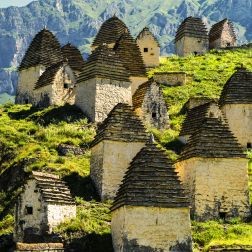
Ingushetia
Ingushetia is one of the North Caucasus’ quietest and most distinctive regions, known for mountain tower complexes, narrow valleys, and a remarkable sense of stillness. For travelers, it offers a route built less on spectacle alone and more on atmosphere, history, and mountain memory
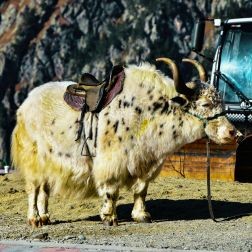
Karachay-Cherkess Republic
Karachay-Cherkessia is one of the most rewarding mountain regions for travelers who want both scenery and flexibility. With Dombay, Arkhyz, and Teberda in one region, it offers a route that can feel adventurous, restorative, and surprisingly varied within just a few days
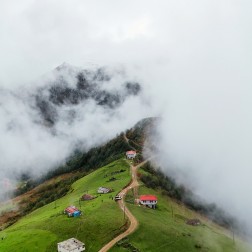
Kabardino-Balkaria
Kabardino-Balkaria is one of the Caucasus regions that instantly delivers scale: snowy summits, narrow gorges, waterfalls, and roads that feel dramatic from the first hour. For travelers, it works as both a classic Elbrus destination and a broader mountain route full of depth and atmosphere
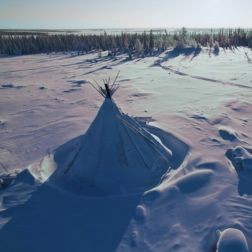
Yamal
Yamal is Russia’s Arctic Circle story: Salekhard, Nenets reindeer culture, mammoth history, tundra and winter festivals
Komi
Komi is for travelers who want deep northern nature: Syktyvkar, Finno-Ugric culture, virgin forests and Manpupuner