

This website uses cookies.
Learn more

Moscow Oblast: Easy Historic Routes Near Moscow
Moscow Oblast is one of the easiest regions for discovering historic Russia beyond the capital. Sergiev Posad, Kolomna, old monasteries, noble estates, and calm weekend routes make it a strong choice for travelers who want architecture, atmosphere, and short cultural trips while planning a journey in Russia
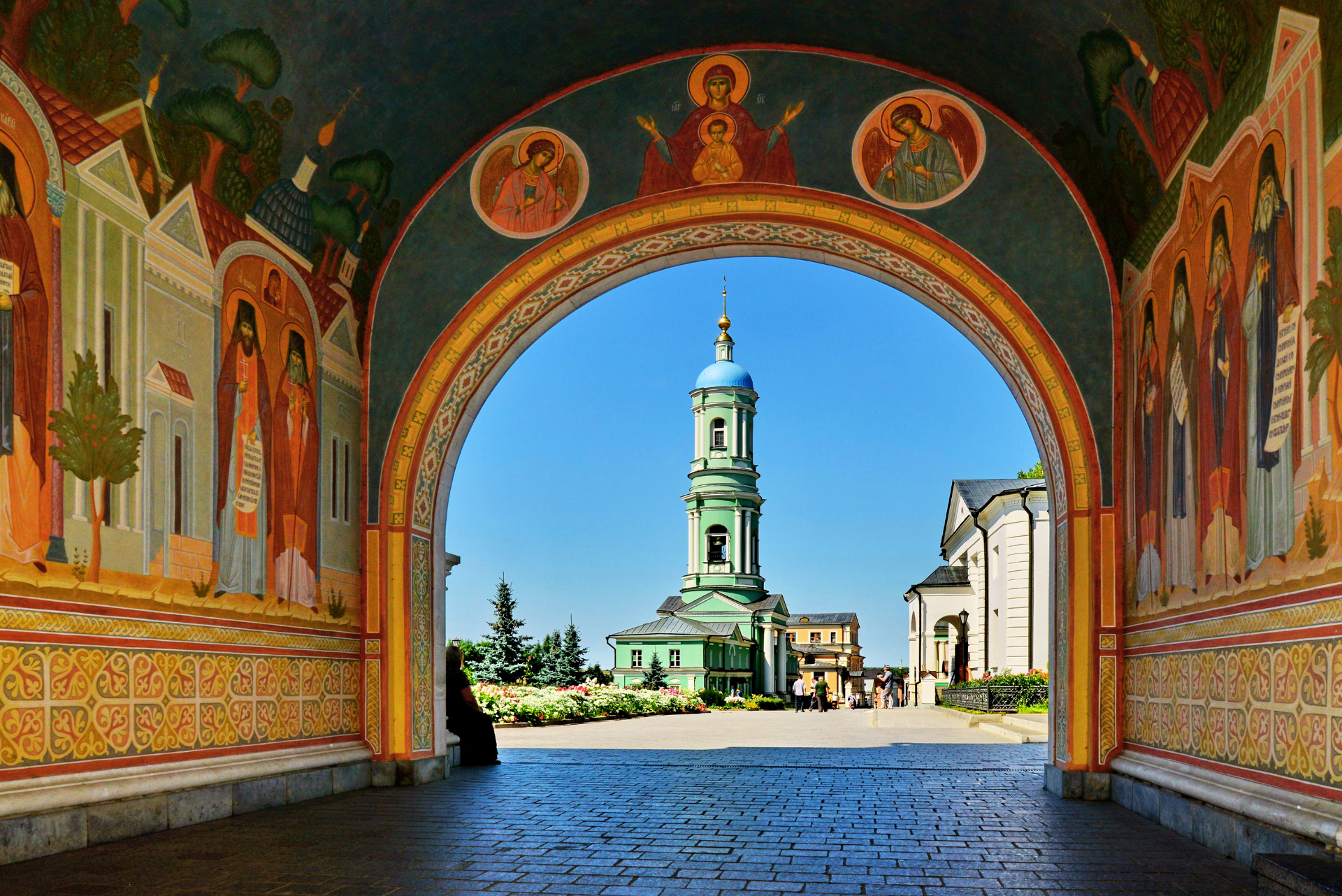
Moscow Oblast: Where to Go, What to See, and Why It Is One of the Best Short Routes Near Moscow
Moscow Oblast is one of those regions that travelers often underestimate because of its proximity to the capital. In reality, it is one of the easiest ways to see a different side of Russia without planning a long-distance expedition. Historic monasteries, kremlins, estates, small towns, rivers, forests, and short rail or road connections make the region ideal for weekend routes and slow regional travel. For international visitors, Moscow Oblast works especially well because it offers cultural depth and strong visuals while remaining logistically simple.Why Moscow Oblast deserves a place in a Russia itinerary
The region works for several kinds of travel at once. It can be a practical extension after Moscow, a cultural route in its own right, or a slower alternative to city-only sightseeing. One of its strongest anchor points is Sergiev Posad. UNESCO describes the Architectural Ensemble of the Trinity Sergius Lavra as an outstanding example of an Orthodox monastery with military features that developed between the 15th and 18th centuries, and notes its close connection with Russian history and spirituality. That gives Moscow Oblast an immediate advantage: one of its key destinations already has global cultural recognition.
At the same time, the region is not defined by one landmark alone. Kolomna brings a compact historic atmosphere with towers, cathedral squares, and a recognizable kremlin silhouette. Estate culture adds another layer through places such as Arkhangelskoye, where palace architecture and park landscapes create a more refined, classical image of the region. The result is contrast: monastery grandeur, fortified townscapes, and country-estate elegance within relatively manageable distances.
What to see in Moscow Oblast
If you are planning a first trip, it is best to build the route around several anchor points.
Start with Sergiev Posad. The Trinity Sergius Lavra is the clearest symbol of the region and the strongest single cultural stop outside the capital. It is visually memorable, historically important, and easy to integrate into a one- or two-day route.
A second major direction is Kolomna. Its kremlin ensemble and cathedral square give travelers a more compact, town-centered experience. The atmosphere here is different from Sergiev Posad: less monastic, more urban-historic, and especially appealing for travelers who enjoy walking routes, walls, towers, and old Russian provincial rhythm.
A third route can be built around estates and landscaped museum territories such as Arkhangelskoye. Even when travelers do not include every possible stop, this estate tradition changes the image of Moscow Oblast. The region becomes not only a land of monasteries and old fortifications, but also a place of palace culture, gardens, and refined weekend travel.
For readers who want a flexible itinerary rather than one single destination, this mix is exactly what makes the region strong.
When to go
The most comfortable season for a first visit is from late spring to early autumn. Summer makes rail and road movement easier, keeps estate parks and monastery grounds visually rich, and supports short regional routes without heavy weather risk. Early autumn is also an excellent choice because the colors in park landscapes and around historic walls become deeper and softer, which makes the region especially photogenic.
Winter can also be atmospheric, particularly for monastery architecture and old-town silhouettes, but it changes the pace of travel. For a broad English-language blog article aimed at international travelers, the warm season remains the clearest and most practical recommendation.
What to plan in advance
Moscow Oblast is simpler than remote northern or mountain regions, but it still rewards clear planning. It helps to decide whether the trip will be focused on one major stop such as Sergiev Posad, built around a town route like Kolomna, or designed as a wider cultural weekend with several smaller transfers. Because the distances are manageable, travelers can easily overfill the program. A more selective route usually works better.
For foreign travelers, it is also useful to arrange practical services before departure. In the article, Ready4Ru can be integrated naturally: travelers can prepare a bank card for travel in Russia and choose travel insurance in advance. That makes the route calmer and simpler, especially when the journey includes accommodation, regional transport, and several stops.
Who this trip is for
Moscow Oblast works best for travelers who want to go beyond Moscow without making the journey complicated. It suits independent travelers, couples, photographers, and readers who like architecture, atmosphere, and manageable distances. It is also ideal for people who prefer travel built around several strong stops rather than one single blockbuster destination.
Moscow Oblast is not just a ring around the capital. It is a region with its own cultural logic: monasteries, kremlins, estates, and short routes that make Russian regional travel feel accessible and rewarding. That is exactly why it works so well for the Ready4Ru blog. The destination has clear route logic, strong visuals, and real practical value for international travelers planning meaningful trips in Russia.
Other articles
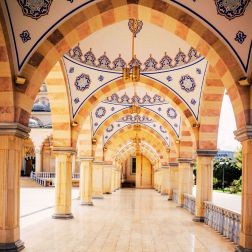
Chechnya
The Chechen Republic is one of the most visually contrasting regions in the North Caucasus: a modern capital, major mosques, mountain roads, high lakes, and fast shifts from city scale to highland silence. For travelers, it offers a route shaped by contrast and surprise
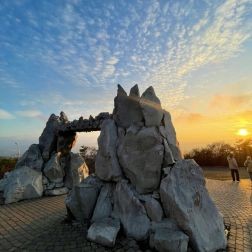
Stavropol Krai
Stavropol Krai works differently fr om the higher mountain republics: it is about rhythm, resort culture, long promenades, mineral springs, and the soft edge wh ere spa towns meet the Caucasus. For travelers, it offers one of southern Russia’s most polished and accessible regional escapes
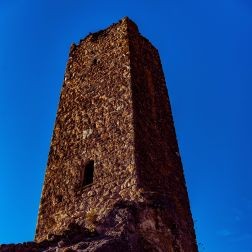
North Ossetia–Alania
North Ossetia–Alania is one of the most complete travel regions in the North Caucasus, combining a charismatic city, famous gorges, strong mountain roads, and places that carry real historical weight. For travelers, it is a route with both scenery and story
Ingushetia
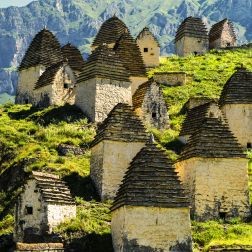
Ingushetia is one of the North Caucasus’ quietest and most distinctive regions, known for mountain tower complexes, narrow valleys, and a remarkable sense of stillness. For travelers, it offers a route built less on spectacle alone and more on atmosphere, history, and mountain memory
Karachay-Cherkess Republic
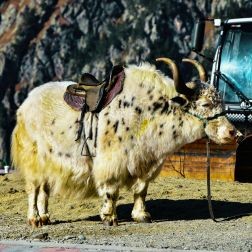
Karachay-Cherkessia is one of the most rewarding mountain regions for travelers who want both scenery and flexibility. With Dombay, Arkhyz, and Teberda in one region, it offers a route that can feel adventurous, restorative, and surprisingly varied within just a few days
Kabardino-Balkaria
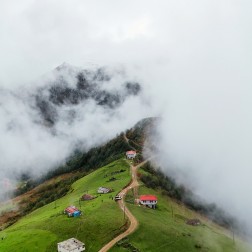
Kabardino-Balkaria is one of the Caucasus regions that instantly delivers scale: snowy summits, narrow gorges, waterfalls, and roads that feel dramatic from the first hour. For travelers, it works as both a classic Elbrus destination and a broader mountain route full of depth and atmosphere
Yamal
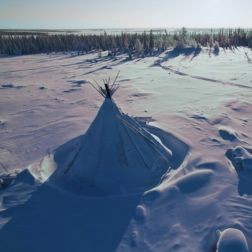
Yamal is Russia’s Arctic Circle story: Salekhard, Nenets reindeer culture, mammoth history, tundra and winter festivals

Komi
Komi is for travelers who want deep northern nature: Syktyvkar, Finno-Ugric culture, virgin forests and Manpupuner