

This website uses cookies.
Learn more

Lipetsk: A Softer Route Through Parks and Heritage
Lipetsk stands out for its spa-city legacy, green public space, and easy access to some of the most atmospheric smaller towns in central Russia. It is a destination for travelers who want a slower route built around parks, local history, and gentle regional contrasts
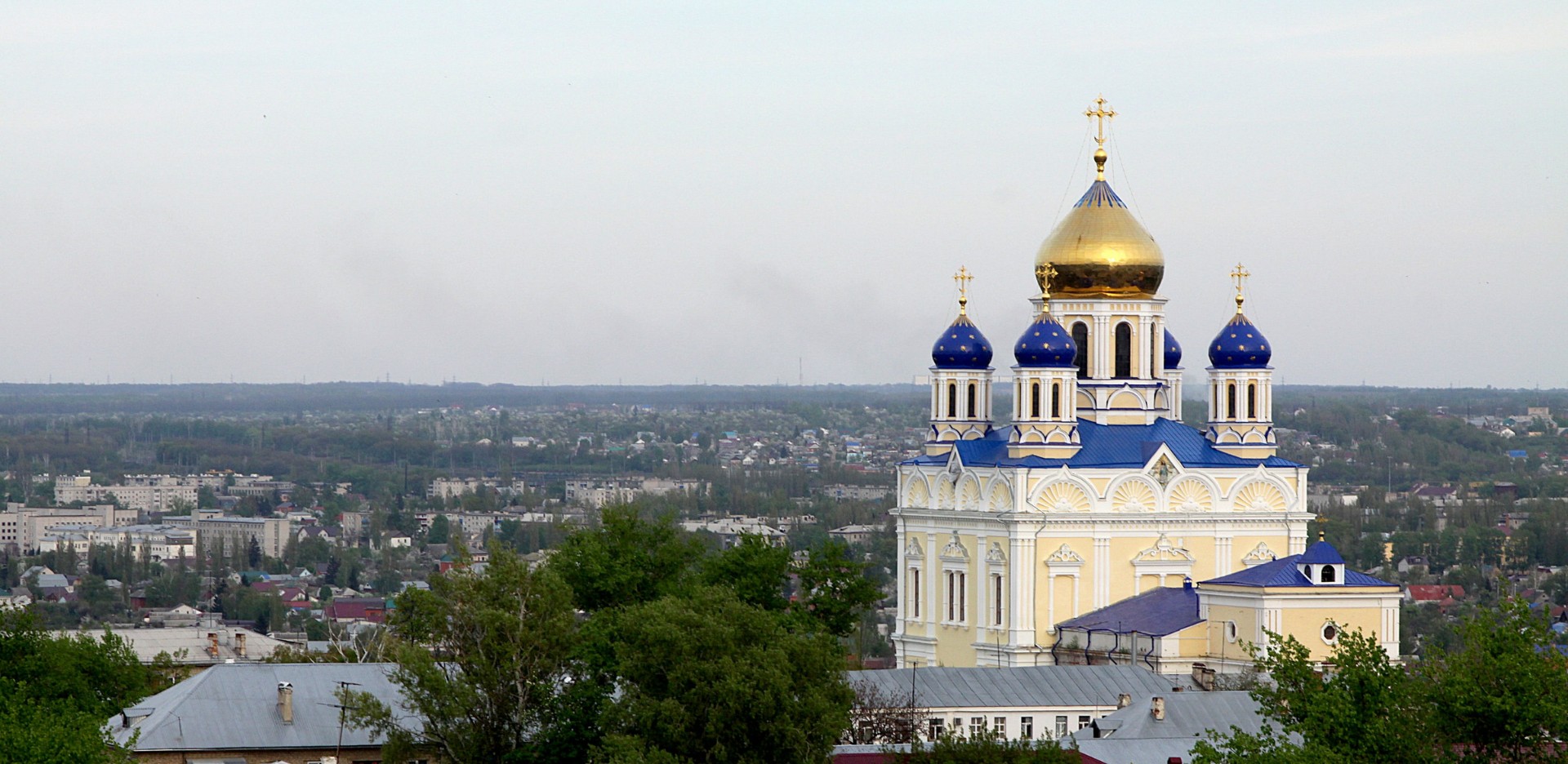
Lipetsk: What to See and Why It Is One of Russia's Most Relaxed Regional City Breaks
Lipetsk is one of those cities that works because it does not push too hard. It feels greener, softer, and more breathable than many Russian regional capitals, and that gives it a very particular kind of appeal. It is not built around one overwhelming landmark. It is built around parks, water, sanatorium-era memory, and the simple comfort of a city that leaves room for rest.
For international travelers, Lipetsk is valuable precisely because it combines a calm urban center with strong nearby extensions. In the city you get boulevards, parks, springs, and a lighter daily rhythm. Beyond it, you get Yelets, Zadonsk, and the chalk-and-river landscapes that make this part of Russia feel culturally complete without becoming logistically difficult.
Must-See Places and Routes
The natural starting point is Lower Park and the older spa-related part of the city. This is where Lipetsk's identity becomes clear. The city's mineral-spring heritage gives it a different tone fr om fortress or merchant towns. It feels restorative rather than monumental, and that distinction matters.
Another strong stop is the central square-and-cathedral zone, wh ere Lipetsk's civic identity and local history come together. The architecture is not the most dramatic in Russia, but the city works through balance. Parks, public buildings, churches, and embankment walks create a route that feels unusually easy to enjoy without much planning stress.
The strongest regional extension is Yelets. This is one of the finest small historic towns in the area, with churches, merchant architecture, literary associations, and a much older urban texture than Lipetsk itself. Adding Yelets immediately gives the trip more depth.
A second important extension is Zadonsk, which adds monastic atmosphere and a calmer spiritual route. If you want the trip to move fr om city relaxation to old Russian heritage without long transfers, Lipetsk, Yelets, and Zadonsk form one of the cleanest combinations in this part of the country.
Suggested Routes: 3, 5, and 7 Days
A 3-day route works very well: one day in Lipetsk, one day in Yelets, and one day shared between parks, museums, and a slower city rhythm. A 5-day route can add Zadonsk and more time for spa heritage, local food, and embankment walks. A 7-day route makes sense if you want a restorative journey with smaller museums, river landscapes, and gentle movement rather than constant major sights.
Hidden Gems and Local Experience
Lipetsk's hidden advantage is its sanatorium and wellness atmosphere. Even when you are not formally using spa services, the city still feels shaped by the idea of recovery, greenery, and health. That changes the mood of the whole trip.
For more local experience, visit food markets, look for honey, cheese, apples, seasonal berries, and small bakery products rather than generic souvenirs. In a city like Lipetsk, local comfort is more important than showy tourism infrastructure.
Food, Culture, and Traditions
Food here should be framed through the region's agricultural strength. Try soups, pirogi, dairy, orchard fruit, honey, and simple fish or meat dishes. Lipetsk is not a famous gastronomic capital, but it is good at practical, comforting food that fits the slower tempo of the city.
Culturally, the city feels polite and undramatic. Useful phrases include 'Gde park?' for 'Wh ere is the park?', 'Mozhno oplatit kartoy?' for 'Can I pay by card?', and 'Kak proekhat v Yelets?' for 'How do I get to Yelets?'. Lipetsk is a good destination for travelers who like easy logistics and low-pressure movement.
Planning Your Trip
Moscow is the most practical gateway, usually by train or domestic flight depending on your wider route. Lipetsk itself is manageable by taxi and on foot in the center. For Yelets and Zadonsk, either a rental car, driver, or well-planned intercity transport makes the route smoother.
A Russian SIM card is helpful for local travel, especially if you want flexible regional movement. In the city, card payment is common, but carrying some cash still makes sense for markets, smaller food outlets, and simple countryside stops.
For foreign travelers, the main payment rule is straightforward: cards issued outside Russia should not be treated as dependable for daily use in the country. A Russian MIR card is the simplest solution for intercity tickets, hotels, cafes, and purchases on Russian websites.
Ready4Ru tip: many travelers arrange a Russian MIR card before departure so they can pay smoothly for trains, hotels, and everyday expenses inside Russia. On a route like Lipetsk, that matters because the real pleasure of the trip comes from ease. The less time you spend solving payments, the better the route feels.
Late spring through early autumn is the best season. Parks, embankments, smaller towns, and monastic grounds all look their strongest in warm weather. Winter works for museums and a more inward city break, but the route becomes less landscape-driven.
Lipetsk is one of the most comfortable regional routes for travelers who want greenery, space, and low-friction movement. It combines park-city calm with excellent short extensions and a style of travel that feels easy rather than exhausting. That makes it one of the most quietly appealing city breaks in central Russia.
Useful Ready4Ru services: apply for a Russian card via Ready4Ru bank card and protect your trip with Ready4Ru travel insurance.
Editorial note: This article package was prepared in the Ready4Ru blog format with SEO elements and practical travel guidance for international visitors.
Other articles
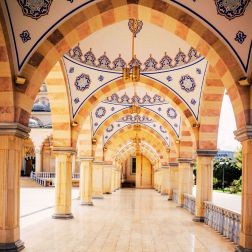
Chechnya
The Chechen Republic is one of the most visually contrasting regions in the North Caucasus: a modern capital, major mosques, mountain roads, high lakes, and fast shifts from city scale to highland silence. For travelers, it offers a route shaped by contrast and surprise
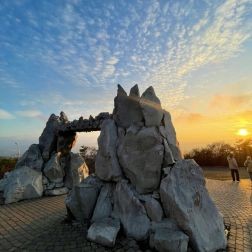
Stavropol Krai
Stavropol Krai works differently fr om the higher mountain republics: it is about rhythm, resort culture, long promenades, mineral springs, and the soft edge wh ere spa towns meet the Caucasus. For travelers, it offers one of southern Russia’s most polished and accessible regional escapes
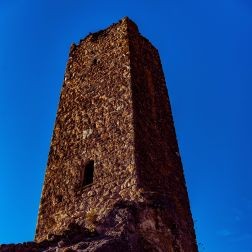
North Ossetia–Alania
North Ossetia–Alania is one of the most complete travel regions in the North Caucasus, combining a charismatic city, famous gorges, strong mountain roads, and places that carry real historical weight. For travelers, it is a route with both scenery and story
Ingushetia
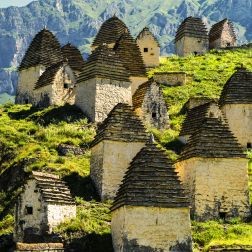
Ingushetia is one of the North Caucasus’ quietest and most distinctive regions, known for mountain tower complexes, narrow valleys, and a remarkable sense of stillness. For travelers, it offers a route built less on spectacle alone and more on atmosphere, history, and mountain memory
Karachay-Cherkess Republic
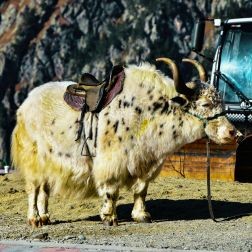
Karachay-Cherkessia is one of the most rewarding mountain regions for travelers who want both scenery and flexibility. With Dombay, Arkhyz, and Teberda in one region, it offers a route that can feel adventurous, restorative, and surprisingly varied within just a few days
Kabardino-Balkaria
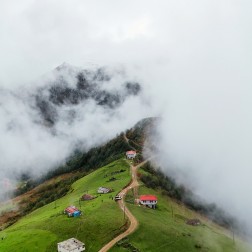
Kabardino-Balkaria is one of the Caucasus regions that instantly delivers scale: snowy summits, narrow gorges, waterfalls, and roads that feel dramatic from the first hour. For travelers, it works as both a classic Elbrus destination and a broader mountain route full of depth and atmosphere
Yamal
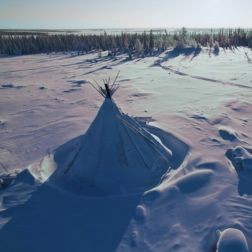
Yamal is Russia’s Arctic Circle story: Salekhard, Nenets reindeer culture, mammoth history, tundra and winter festivals
Komi
Komi is for travelers who want deep northern nature: Syktyvkar, Finno-Ugric culture, virgin forests and Manpupuner