

This website uses cookies.
Learn more

Leningrad Oblast: Beyond St. Petersburg
Monrepos Park is the quiet, elegant heart of Vyborg, where forest paths, rocky shores, hidden pavilions, and reflective water create one of the most atmospheric landscapes in northwest Russia. For travelers, it offers a rare blend of nature, romance, and northern calm
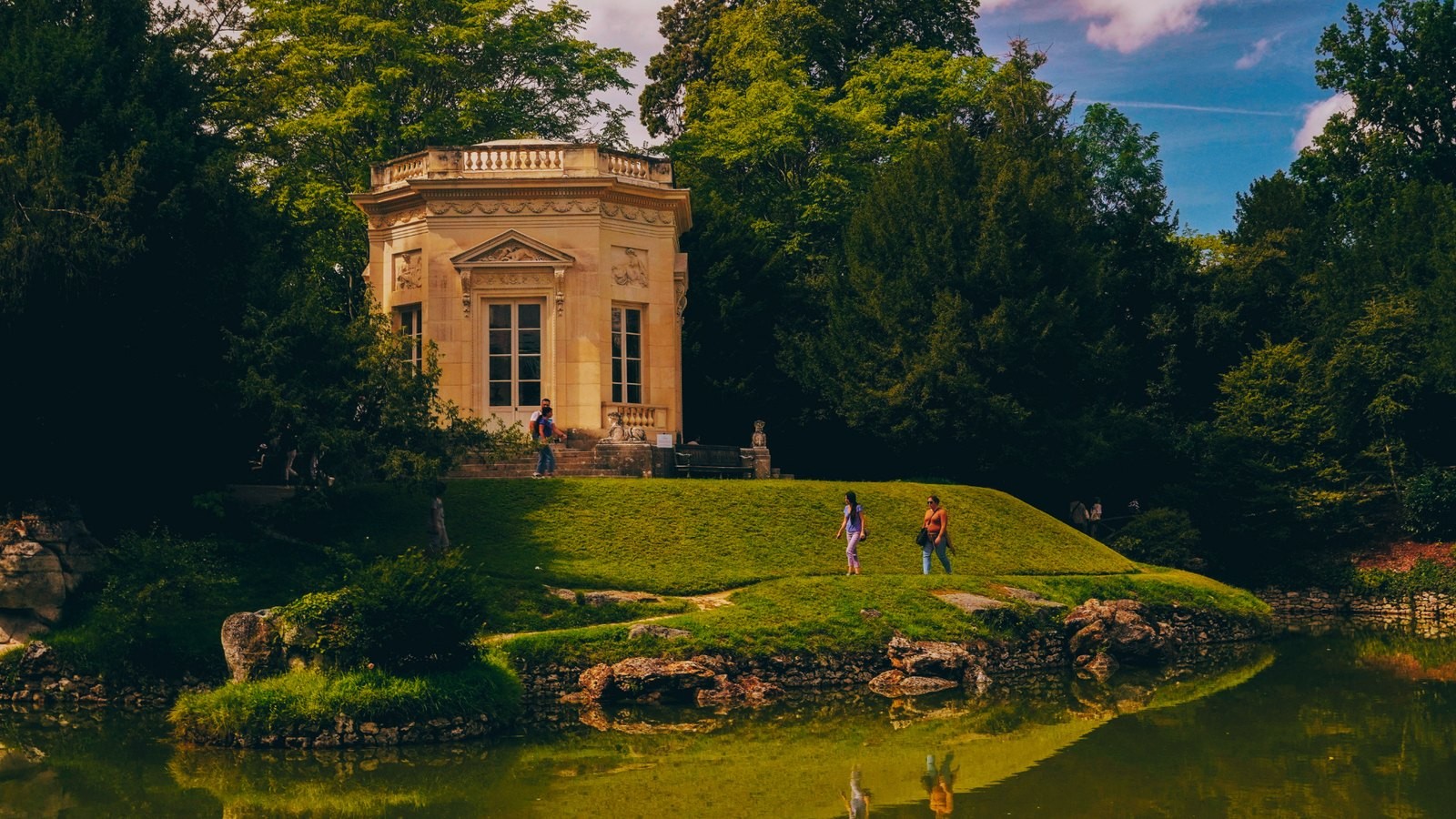
Leningrad Oblast: Where to Go, What to See, and Why It Is One of Northwestern Russia's Most Underrated Regions
Introduction
Leningrad Oblast is often overshadowed by St. Petersburg, but that is exactly why it works so well as a travel topic. Once you move beyond the city, the region opens into a very different rhythm: medieval streets in Vyborg, old Russian history in Staraya Ladoga, palace landscapes in Gatchina, lake routes, forests, islands, and long edges of water that make the whole territory feel spacious and layered. For international readers, this is one of the easiest ways to understand that northwestern Russia is not only about one famous city. It is also about routes, atmosphere, and a borderland identity shaped by the Baltic, Ladoga, and centuries of cultural overlap.
Why Leningrad Oblast deserves a place in a Russia itinerary
Official regional materials describe Leningrad Oblast as a destination with castles, fortresses, monasteries, nature reserves, and the Baltic coast. Investment and tourism overviews of the region single out Vyborg, Monrepos Park, and Gatchina as major visitor anchors, which makes the area particularly useful for a travel blog: it offers both strong visuals and practical route logic. For a first trip, this region works beautifully as a weekend extension from St. Petersburg. For a deeper journey, it becomes a standalone itinerary with medieval architecture, old trade routes, lakeside landscapes, and slower travel through places that feel completely different from central Russia.
What to see first
The most convincing starting point is Vyborg. Regional tourism materials note that Vyborg is the only historic settlement in the region and one of the best-preserved examples of European medieval culture in Russia. That alone makes it special. The castle, old streets, harbor atmosphere, and layered Scandinavian-Baltic feeling give the town an identity that is unlike the classic imperial image most foreigners expect from the northwest.
Monrepos Park adds another dimension to the route. It softens the urban-historic part of Vyborg with granite forms, water, bridges, and a contemplative landscape style that feels almost cinematic. Nearby, the coast and forest scenery make the trip stronger visually and more flexible for photography, slow walking, and short scenic stops.
A second major axis is Staraya Ladoga. It is one of the oldest places associated with the early history of Rus', and that gives the region real historical depth. If Vyborg shows the European and borderland side of the oblast, Staraya Ladoga reveals an older inland story connected with rivers, trade, fortifications, and early Russian heritage.
Then there is the landscape factor: Lake Ladoga, smaller forest routes, and the wider sense of open northern space. Even when travelers do not build the entire trip around one lake or one fortress, the region keeps offering water, old stone, wooded parks, and quiet roads. That is why it works so well for a short but memorable journey.
When to go
The easiest season for most travelers is from late spring to early autumn. This is when the region feels most open: parks are accessible, day trips are more comfortable, water views look their best, and the contrast between medieval stone, green landscapes, and long northern light becomes especially photogenic. Summer is ideal for first-time visitors who want a simple route with minimal weather risk.
Autumn is also a very strong option. In places like Vyborg and Monrepos, the foliage makes the route even more atmospheric, while the cooler air and quieter rhythm often suit thoughtful travel better than peak-season bustle. Winter can be beautiful, especially for readers who like a Nordic mood, but it is less forgiving for first-time route building.
What to plan in advance
Leningrad Oblast is easier than many remote Russian regions, but planning still matters. It helps to decide early whether the itinerary will focus on Vyborg and the Baltic side, on inland heritage such as Staraya Ladoga and Gatchina, or on a mixed route that combines history with nature. Overnight stops, train or car logistics, and the pace between locations all influence how satisfying the journey feels.
For international travelers, practical preparation is just as important as route design. In the article, Ready4Ru services fit naturally into this planning stage: readers can arrange a bank card for travel in Russia via Ready4Ru, and choose travel insurance before departure. That keeps the trip smoother, especially when the route includes transport, accommodation, and day-to-day payments across several stops.
Who this trip is for
This destination works best for travelers who value atmosphere over checklist tourism. It suits couples, independent travelers, photographers, history lovers, and readers who want a strong weekend route without the feeling of a rushed city break. Leningrad Oblast is also a good choice for people who have already seen St. Petersburg and want to go one layer deeper into the region around it.
Editorially, it is a strong topic for Ready4Ru because it offers multiple narratives at once: medieval Vyborg, old Russian heritage, palace landscapes, Baltic light, and water-based scenery. That combination makes the article both practical and emotionally appealing.
Leningrad Oblast is not simply the territory around St. Petersburg. It is a travel region with its own character, shaped by medieval towns, early Russian history, lakes, parks, fortresses, and the Baltic edge. For Ready4Ru readers, it is one of the most useful themes in northwestern Russia: close enough to feel accessible, varied enough to feel rich, and visual enough to inspire a real trip rather than a passing curiosity.
Other articles
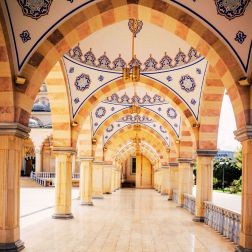
Chechnya
The Chechen Republic is one of the most visually contrasting regions in the North Caucasus: a modern capital, major mosques, mountain roads, high lakes, and fast shifts from city scale to highland silence. For travelers, it offers a route shaped by contrast and surprise
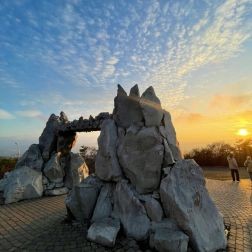
Stavropol Krai
Stavropol Krai works differently fr om the higher mountain republics: it is about rhythm, resort culture, long promenades, mineral springs, and the soft edge wh ere spa towns meet the Caucasus. For travelers, it offers one of southern Russia’s most polished and accessible regional escapes
North Ossetia–Alania
North Ossetia–Alania is one of the most complete travel regions in the North Caucasus, combining a charismatic city, famous gorges, strong mountain roads, and places that carry real historical weight. For travelers, it is a route with both scenery and story
Ingushetia
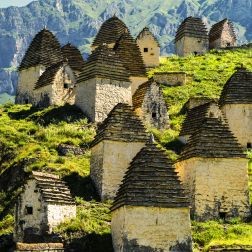
Ingushetia is one of the North Caucasus’ quietest and most distinctive regions, known for mountain tower complexes, narrow valleys, and a remarkable sense of stillness. For travelers, it offers a route built less on spectacle alone and more on atmosphere, history, and mountain memory
Karachay-Cherkess Republic
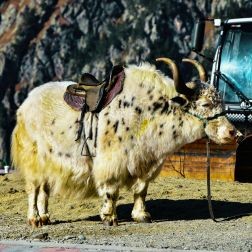
Karachay-Cherkessia is one of the most rewarding mountain regions for travelers who want both scenery and flexibility. With Dombay, Arkhyz, and Teberda in one region, it offers a route that can feel adventurous, restorative, and surprisingly varied within just a few days
Kabardino-Balkaria
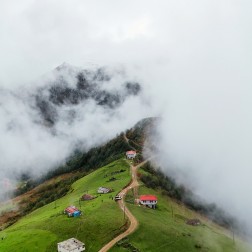
Kabardino-Balkaria is one of the Caucasus regions that instantly delivers scale: snowy summits, narrow gorges, waterfalls, and roads that feel dramatic from the first hour. For travelers, it works as both a classic Elbrus destination and a broader mountain route full of depth and atmosphere
Yamal
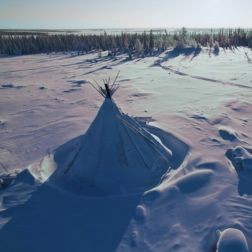
Yamal is Russia’s Arctic Circle story: Salekhard, Nenets reindeer culture, mammoth history, tundra and winter festivals

Komi
Komi is for travelers who want deep northern nature: Syktyvkar, Finno-Ugric culture, virgin forests and Manpupuner