

This website uses cookies.
Learn more

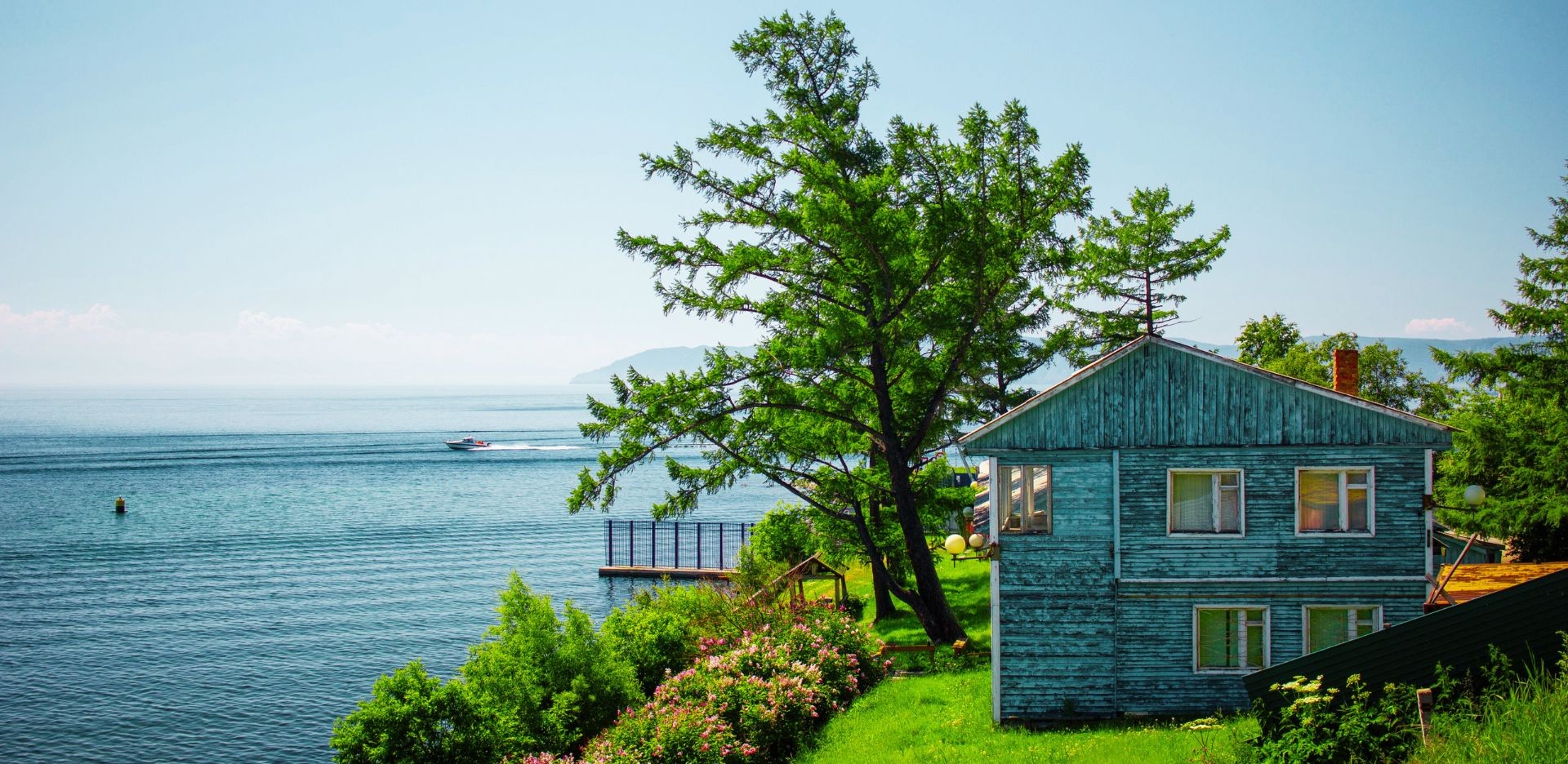
Lake Baikal: Russia’s Deepest Travel Icon
Lake Baikal is not just a lake. It is a Siberian horizon of ice, cliffs, taiga, villages, legends and routes that change completely by season
Lake Baikal: Russia’s Deepest Travel Icon
Lake Baikal is one of the strongest names in Russian travel because it feels larger than geography. It is a natural symbol, a scientific wonder, a spiritual landscape and a practical challenge all at once. For international visitors, Baikal should not be treated as a quick “lake photo” near Irkutsk. It is a destination that needs rhythm: water, roads, ferry crossings, winter ice, village time, weather windows and local advice. The reward is huge. A Baikal trip can be silent and contemplative, active and outdoorsy, cultural through Buryat traditions, or cinematic through winter ice and island scenery.Inspiration & Must-See Places
The classic western gateway is Irkutsk. From there, Listvyanka is the easiest first contact with the lake: close enough for a day trip, good for the Baikal Museum, a fish market, short shoreline walks and views across the water. It is also useful for travelers who have limited time or want a soft introduction before longer routes. The Circum-Baikal Railway adds a different layer: tunnels, stone bridges, old engineering and slow views along the shore. Olkhon Island is the emotional center of many Baikal journeys. It is famous for open steppe landscapes, cliffs, the village of Khuzhir and Cape Burkhan/Shamanka Rock, a place deeply connected with local beliefs. Olkhon requires more time and patience: the road from Irkutsk is long, ferry logistics can shape the day, and winter travel depends on official ice roads and safety rules. The eastern side, reached through Ulan-Ude and Buryatia, offers another Baikal: warmer bays in summer, Barguzin Valley, Chivyrkuy Bay, hot springs, Buddhist sites and a different cultural atmosphere. This is why Baikal works best not as one route but as two or three possible stories. Western Baikal is about Irkutsk, Listvyanka, the railway and Olkhon. Eastern Baikal is about Ulan-Ude, Ivolginsky Datsan, Barguzin and wide sandy shores. Winter Baikal is its own world: blue ice, caves, cracks, hummocks and strict safety requirements.
Hidden Gems & Local Experience
A meaningful Baikal experience often happens away from the headline viewpoint. Drink tea in a guesthouse, wake up before sunrise on Olkhon, take a slow walk along a village road, or choose a small boat route when conditions allow. In summer, do not plan only for swimming; Baikal is cold, and its beauty is in clarity, scale and changing weather. In winter, the ice is magical but never a playground without local knowledge. Ask guides about approved routes, wind, pressure ridges and emergency contacts. For a softer hidden-gem angle, combine Baikal with Taltsy Museum near Irkutsk, Buryat food in Ulan-Ude or a hot spring stop on the eastern side. This makes the route feel human rather than only scenic.
Culture, Food & Traditions
Baikal sits at a cultural crossroads. On the Irkutsk side, you meet Siberian merchant history, wooden architecture and old Russian settlement culture. On the Buryat side, Buddhist datsans, shamanic traditions and Buryat hospitality become central. Food also changes across the route: omul and other fish dishes, buuzy dumplings, soups, berry teas, pine-nut flavors and simple guesthouse breakfasts. Respect matters here. Sacred sites around Baikal should not be treated as decoration; local rules, ribbons, offerings and quiet behavior are part of the landscape.
3/5/7-day routes
- 3 days: Day 1 — Irkutsk city walk and Taltsy or Listvyanka. Day 2 — Listvyanka plus Baikal Museum and shoreline viewpoints, or a Circum-Baikal Railway segment if schedules fit. Day 3 — return to Irkutsk with time for 130 Kvartal and the Angara embankment.
- 5 days: add Olkhon Island: transfer to Khuzhir, one full day for northern or southern viewpoints, and one return day. This is the minimum for a real Baikal feeling.
- 7 days: choose a west-plus-east route if logistics allow: Irkutsk, Listvyanka, Olkhon, transfer or flight/rail to Ulan-Ude, Ivolginsky Datsan and an eastern shore route. Another 7-day option is a slower Olkhon-focused journey with winter ice excursions or summer boat days.
Best Season and Travel Angle
Baikal changes so strongly by season that the article should almost speak in two voices. Summer is about boats, villages, hiking paths, long light, warm evenings and the contrast between cold water and green hills. Winter is about silence, blue ice, frozen caves, snow roads and a very different kind of beauty. Spring and late autumn can be atmospheric, but they are harder for first-time travelers because transport, boat routes and ice conditions may be limited. For editorial positioning, Baikal is ideal for several audiences: nature lovers, photographers, spiritual travelers, slow travelers and those who want a once-in-a-lifetime Russian landscape. It also works as a premium route when combined with a guide, private transfers and carefully chosen guesthouses. The key is to avoid selling Baikal as easy. The lake is accessible, but the best experiences happen when visitors accept distance, weather and local rules as part of the journey.
Who This Route Is Best For
Lake Baikal is best for travelers who want nature with emotional force: photographers, hikers, winter-ice seekers, slow travelers, families with guides and anyone building a once-in-a-lifetime Russia route. It can be adapted to comfort or adventure, but it should always be planned with respect for weather and distance. In the CMS, Baikal should be the central hub article linking to Irkutsk, Buryatia and Siberian route planning.
Planning Your Trip: Logistics, Money & Safety
Baikal planning starts with the season. Summer offers green landscapes, boats and longer days; February and March are famous for winter ice; shoulder seasons can be beautiful but more limited. Book transfers early, especially for Olkhon and winter routes. Do not rely on foreign cards for local payments inside Russia; rural guesthouses, cafes and transfers may require domestic payment tools or cash. Ready4Ru’s bank card can be positioned as a practical solution for Russian transport, hotels and online bookings, while insurance is important because Baikal involves long roads, outdoor activities and weather-dependent travel. Pack layers even in summer, protect electronics in winter, and never step onto ice or take remote roads without local confirmation.
Baikal is not a destination to consume quickly. It is a place to approach with respect, time and practical preparation. For Ready4Ru, it is also one of the strongest examples of why travel logistics matter in Russia: the more remote and extraordinary the place, the more valuable reliable payments, insurance, offline planning and local support become.
Other articles
Chechnya
The Chechen Republic is one of the most visually contrasting regions in the North Caucasus: a modern capital, major mosques, mountain roads, high lakes, and fast shifts from city scale to highland silence. For travelers, it offers a route shaped by contrast and surprise
Stavropol Krai
Stavropol Krai works differently fr om the higher mountain republics: it is about rhythm, resort culture, long promenades, mineral springs, and the soft edge wh ere spa towns meet the Caucasus. For travelers, it offers one of southern Russia’s most polished and accessible regional escapes
North Ossetia–Alania
North Ossetia–Alania is one of the most complete travel regions in the North Caucasus, combining a charismatic city, famous gorges, strong mountain roads, and places that carry real historical weight. For travelers, it is a route with both scenery and story
Ingushetia
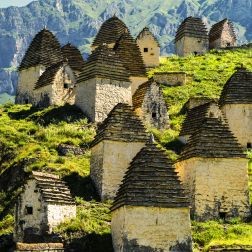
Ingushetia is one of the North Caucasus’ quietest and most distinctive regions, known for mountain tower complexes, narrow valleys, and a remarkable sense of stillness. For travelers, it offers a route built less on spectacle alone and more on atmosphere, history, and mountain memory
Karachay-Cherkess Republic
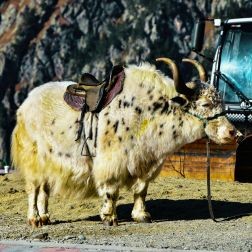
Karachay-Cherkessia is one of the most rewarding mountain regions for travelers who want both scenery and flexibility. With Dombay, Arkhyz, and Teberda in one region, it offers a route that can feel adventurous, restorative, and surprisingly varied within just a few days
Kabardino-Balkaria
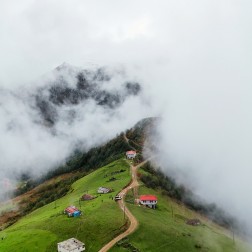
Kabardino-Balkaria is one of the Caucasus regions that instantly delivers scale: snowy summits, narrow gorges, waterfalls, and roads that feel dramatic from the first hour. For travelers, it works as both a classic Elbrus destination and a broader mountain route full of depth and atmosphere
Yamal
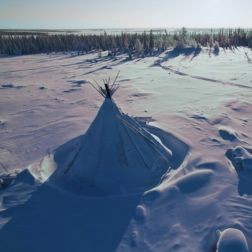
Yamal is Russia’s Arctic Circle story: Salekhard, Nenets reindeer culture, mammoth history, tundra and winter festivals
Komi
Komi is for travelers who want deep northern nature: Syktyvkar, Finno-Ugric culture, virgin forests and Manpupuner