

This website uses cookies.
Learn more

Kursk: History, Hills, and Quiet Depth
Kursk is a city of hills, churches, wide squares, and military memory, but its real strength is quieter: it feels thoughtful, structured, and easier to absorb than Russia's headline destinations. For travelers who prefer depth over spectacle, it has real character
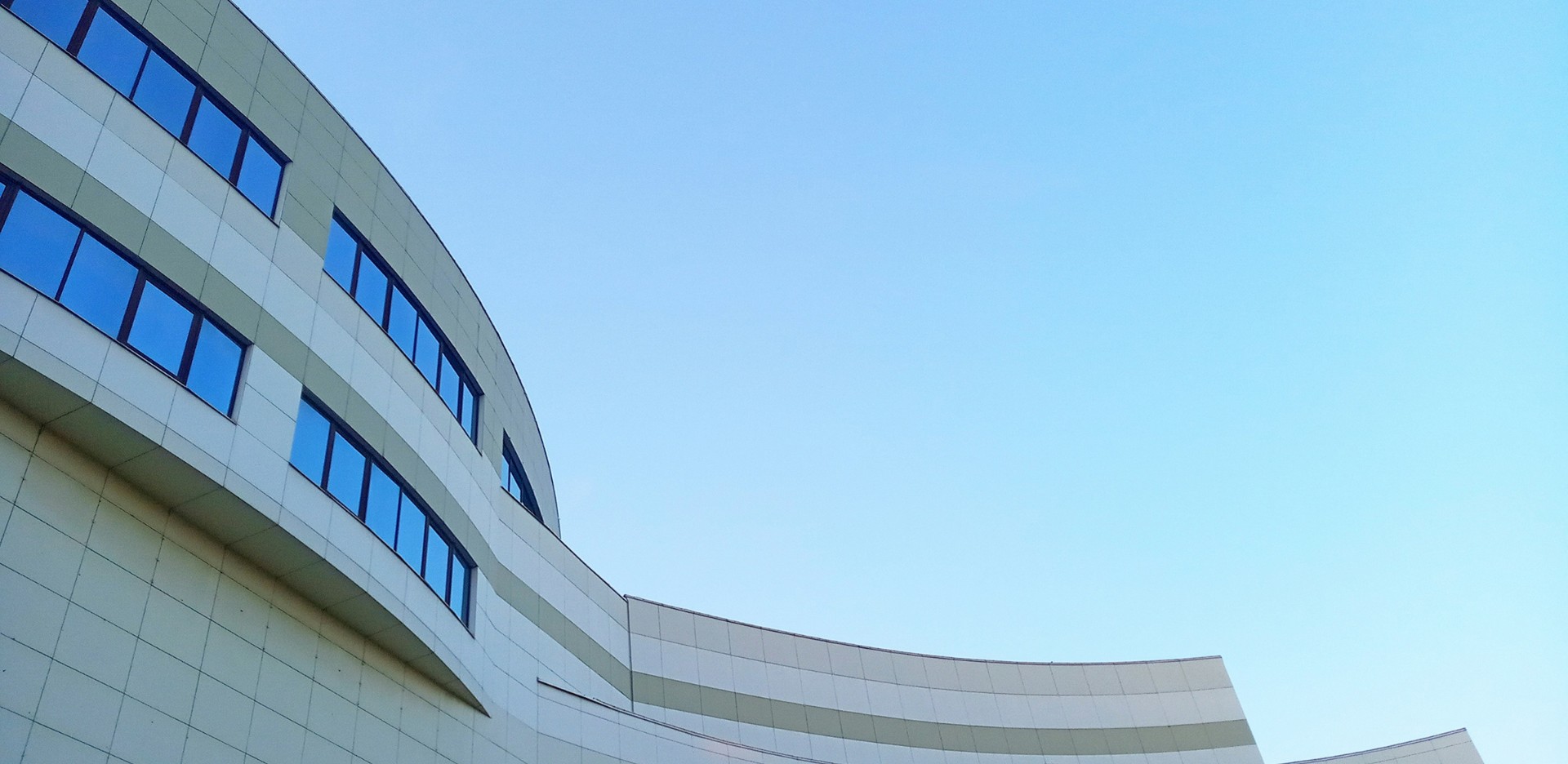
Kursk: What to See and Why It Is One of Central Russia's Quietest Historic Cities
Kursk is one of those cities that reveals itself gradually. At first it may seem restrained, but that restraint is part of its value. The city is built on height differences, church silhouettes, broad roads, and a civic calm that makes it feel more reflective than dramatic. For international travelers, Kursk works best as a destination for context, not spectacle.
This is a route for people who like to understand places rather than simply photograph them. Kursk carries layers of religious history, provincial urbanism, and twentieth-century memory. It also benefits fr om being compact enough to explore without stress, which makes it well suited to a structured three- or five-day itinerary.
Must-See Places and Routes
The natural starting point is the central area around Red Square and Znamensky Cathedral. This is wh ere Kursk presents itself most clearly: a hill city with a strong religious and civic core. The cathedral, surrounding public space, and nearby administrative architecture make the center feel sober but coherent.
Another strong stop is the regional museum network, including local history collections and spaces connected with the Battle of Kursk. This is essential because military memory is not an optional theme here. It is one of the main keys to the city's modern identity. Even travelers who are not focused on military history usually find the context important once they begin to move through the city.
For a more spiritual and landscape-driven extension, Korennaya Pustyn is one of the most meaningful day trips. It offers monastery architecture, greenery, and a different tempo fr om the city center. Destinations like this help Kursk feel broader than a single urban stop and give the trip a more rooted regional shape.
Kursk also works through small visual moments: hilltop views, long descents, church domes appearing between ordinary streets, and parks that soften the city. This is part of its appeal. The route does not depend on constant spectacle. It depends on accumulation.
Suggested Routes: 3, 5, and 7 Days
A 3-day route should focus on the city center, key museums, and one day trip to Korennaya Pustyn. A 5-day route can add more religious sites, slower museum time, and local market life. A 7-day route should only be planned if conditions on the ground make wider regional movement practical; if so, use the extra time for careful, low-pressure exploration rather than long ambitious transfers.
Hidden Gems and Local Experience
Kursk's hidden strength is mood. Smaller churches, local bakeries, riverside or park walks, and conversations in ordinary neighborhoods can do more for the trip than another formal attraction. The city rewards patience.
For a more authentic local experience, look at seasonal produce, honey, apples, and conservative home-style food rather than tourist-facing cafes alone. Kursk does not depend on performance. It feels strongest when you allow the everyday city to be part of the route.
Food, Culture, and Traditions
The food section should stay modest and regional: soups, pies, buckwheat-based side dishes, honey, apple desserts, and simple meat or mushroom dishes all fit the place well. This is not a city sold by one signature product. It is a city of straightforward, filling, central-Russian comfort food.
Culturally, Kursk feels reserved and respectful. Useful phrases include 'Gde sobor?' for 'Wh ere is the cathedral?', 'Mozhno oplatit kartoy?' for 'Can I pay by card?', and 'Kak proyti k monastyryu?' for 'How do I get to the monastery?'. At religious sites, a quiet tone and modest dress are the safest default.
Planning Your Trip
Fr om a transport point of view, Moscow is again the main gateway, usually by train. Inside the city, taxis and walking cover most needs. If you are building in monastery visits or wider regional movement, plan transfers in advance instead of assuming every connection will be easy to improvise.
A Russian SIM card helps with maps, taxis, and local communication. In the city itself, card payments are common in standard urban businesses, but cash is still useful for kiosks, small markets, and simpler purchases. Keeping both is the best strategy.
For foreign travelers, bank cards issued outside Russia should not be treated as dependable for daily payments in the country. A Russian MIR card is much more practical for trains, hotels, cafes, and online booking. This is especially important in a city like Kursk, wh ere the value of the trip often depends on smooth, low-friction planning rather than spontaneous luxury.
Ready4Ru tip: many travelers set up a Russian MIR card before the trip so they can pay for hotels, train tickets, and Russian websites without depending on cash exchange every day. That makes a big difference on more serious, history-focused routes where you may want flexibility and advance booking.
Because Kursk is a border region, careful planning matters more here than in inland city breaks. Check current local conditions, transport updates, and site accessibility shortly before departure, and treat this destination with more caution than a standard central-Russia weekend route.
Kursk is not a city of easy glamour. Its strength lies in seriousness, structure, and atmosphere. For travelers who value cathedrals, memory, monastic extensions, and the quieter textures of Russian regional life, it can be deeply rewarding, provided the trip is planned carefully and realistically.
Useful Ready4Ru services: apply for a Russian card via Ready4Ru bank card and protect your trip with Ready4Ru travel insurance.
Editorial note: This article package was prepared in the Ready4Ru blog format with SEO elements and practical travel guidance for international visitors.
Other articles
Chechnya
The Chechen Republic is one of the most visually contrasting regions in the North Caucasus: a modern capital, major mosques, mountain roads, high lakes, and fast shifts from city scale to highland silence. For travelers, it offers a route shaped by contrast and surprise
Stavropol Krai
Stavropol Krai works differently fr om the higher mountain republics: it is about rhythm, resort culture, long promenades, mineral springs, and the soft edge wh ere spa towns meet the Caucasus. For travelers, it offers one of southern Russia’s most polished and accessible regional escapes
North Ossetia–Alania
North Ossetia–Alania is one of the most complete travel regions in the North Caucasus, combining a charismatic city, famous gorges, strong mountain roads, and places that carry real historical weight. For travelers, it is a route with both scenery and story
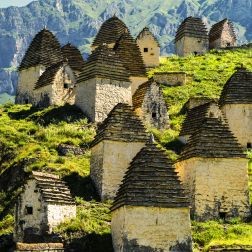
Ingushetia
Ingushetia is one of the North Caucasus’ quietest and most distinctive regions, known for mountain tower complexes, narrow valleys, and a remarkable sense of stillness. For travelers, it offers a route built less on spectacle alone and more on atmosphere, history, and mountain memory
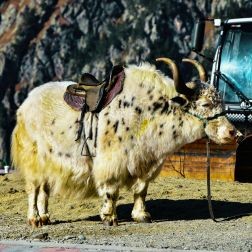
Karachay-Cherkess Republic
Karachay-Cherkessia is one of the most rewarding mountain regions for travelers who want both scenery and flexibility. With Dombay, Arkhyz, and Teberda in one region, it offers a route that can feel adventurous, restorative, and surprisingly varied within just a few days
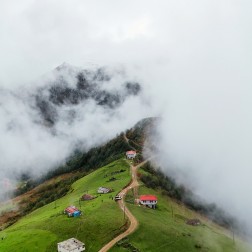
Kabardino-Balkaria
Kabardino-Balkaria is one of the Caucasus regions that instantly delivers scale: snowy summits, narrow gorges, waterfalls, and roads that feel dramatic from the first hour. For travelers, it works as both a classic Elbrus destination and a broader mountain route full of depth and atmosphere
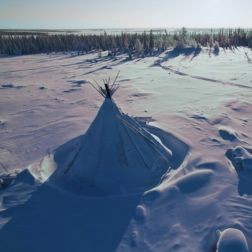
Yamal
Yamal is Russia’s Arctic Circle story: Salekhard, Nenets reindeer culture, mammoth history, tundra and winter festivals
Komi
Komi is for travelers who want deep northern nature: Syktyvkar, Finno-Ugric culture, virgin forests and Manpupuner