

This website uses cookies.
Learn more

Kurgan: Quiet Gateway to the Trans-Urals
A quiet Trans-Ural city where the Tobol River, old merchant streets, monasteries and steppe landscapes create a slower, more thoughtful Russian route
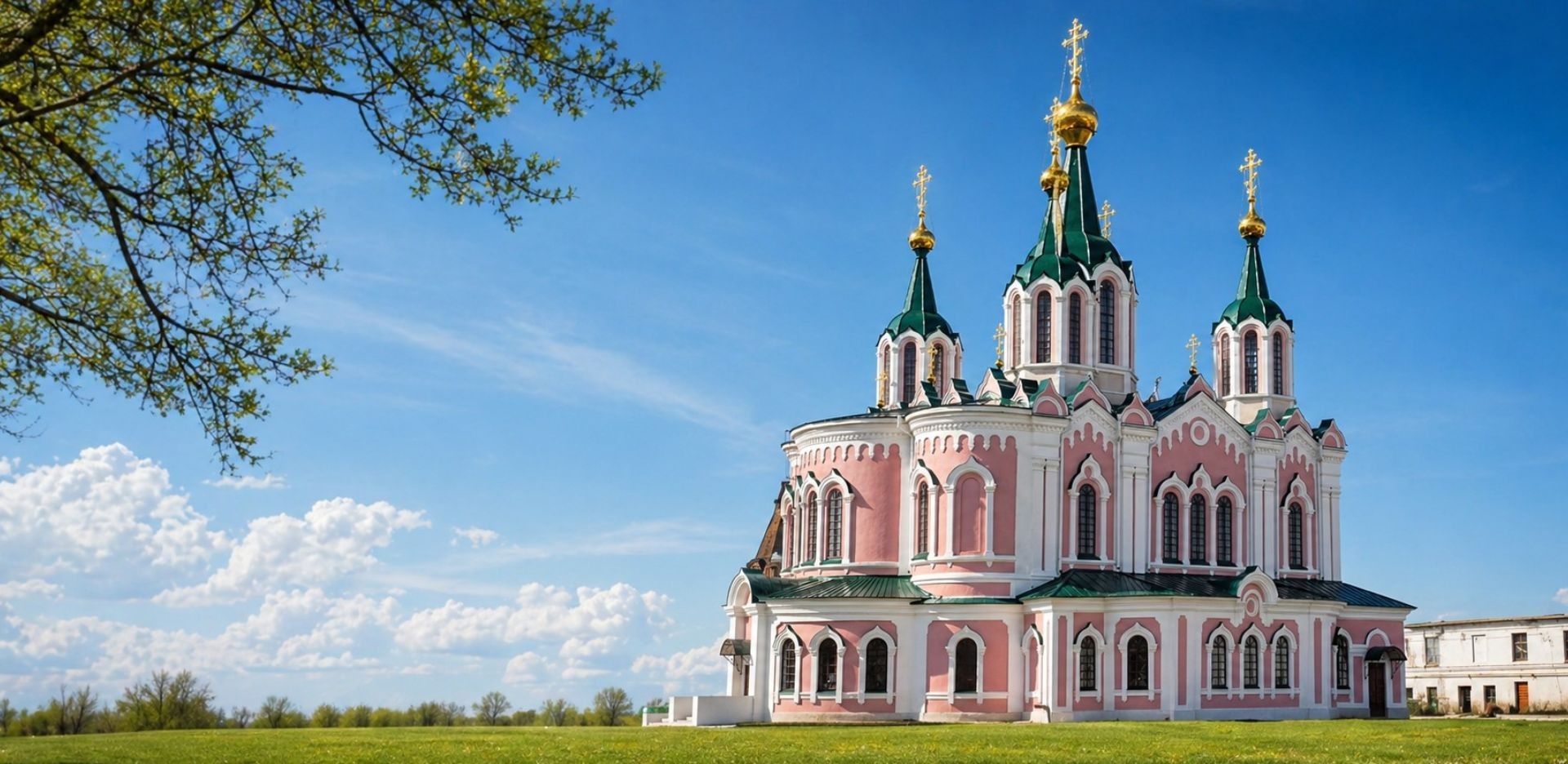
Kurgan is not a city that tries to impress in the first five minutes. Its strength is different: it is quiet, spacious and unexpectedly atmospheric, with a landscape that already feels half-Ural, half-Siberian. For an international traveler, this makes Kurgan valuable as a pause between bigger destinations. You come here for the Tobol River, low skies, old streets, small museums, monastery routes and the feeling of a Russian provincial city where life is not staged for tourists. Kurgan works especially well for travelers who want to see the Trans-Urals without rushing, and for those who like routes where history, nature and local rhythm are stronger than glossy sightseeing.
Inspiration & Must-See Places
Start with the city center and the Tobol embankment. Kurgan’s historic core is compact: walk slowly, look for wooden houses, merchant-era details and the Cathedral of St. Alexander Nevsky, one of the city’s most recognizable landmarks. The Aviation Museum adds an unexpected technical accent, while local history museums help explain why this region became a meeting point of roads, rivers, Cossack lines, settlements and later railway routes. The city does not need a long checklist; it needs time, good light and a route that lets you notice how the steppe enters the urban space.
The strongest day trip is Dalmatovo Monastery, one of the most important spiritual and architectural sites of the Trans-Urals. It gives the route depth: white walls, a long monastic history, the feeling of a fortified settlement and a calmer provincial scale than the famous monasteries near Moscow. Another direction is archaeological: the Kurgan region is associated with ancient settlements and steppe heritage, including the Savin archaeological site area, often described as one of the region’s most intriguing historical points. For a nature-focused extension, consider salt lakes and forest-steppe landscapes outside the city; they show another side of Kurgan — dry, open, therapeutic and visually minimal.
3/5/7-Day Routes
- 3 days: spend the first day in Kurgan’s center, the Tobol embankment, Alexander Nevsky Cathedral and local museums. On the second day, take a monastery route to Dalmatovo and leave the evening for a quiet dinner in the city. On the third day, choose either a steppe-and-lake excursion or a slow photo walk through old streets and parks.
- 5 days: add a deeper regional loop. After Kurgan and Dalmatovo, visit small towns and villages connected with merchant roads and Orthodox heritage. Build one day around nature: lakes, open fields, forests and local sanatorium landscapes. Use the final day for a lighter city program, buying local products and revisiting the embankment at sunset.
- 7 days: make Kurgan part of a larger Trans-Ural route. Combine the city with Dalmatovo, Shadrinsk, archaeological points and lake areas. This week-long version is not about speed; it is about understanding a quieter Russian geography, where distances, rivers and old roads shaped the character of the region.
Hidden Gems & Local Experience
The best hidden experience in Kurgan is silence. Go beyond the central streets early in the morning, when the city is still waking up, and you will see why it suits travelers who like non-obvious places. Look for local markets, small bakeries and Soviet-era urban corners that still carry the texture of everyday life. Shadrinsk is also worth attention if you have more time: it adds another layer of old provincial architecture and local stories to the region. In summer, the landscape is wide and green; in winter, the same places become graphic, sharp and cinematic.
Culture, Food & Traditions
Kurgan’s culture is shaped by the borderland feeling of the Trans-Urals. It is not as theatrical as major capitals, but it has a strong sense of endurance and local pride. The food scene is simple and comforting: soups, pies, meat dishes, dairy products, berries when in season, and the kind of café menus that make sense after a cold walk. For foreign guests, the pleasure is not only in “what to see,” but in observing how a smaller Russian city lives: slower service, honest portions, calm conversations, and a strong connection between city and countryside.
Editorially, Kurgan should be presented as a “slow Russia” route: a city for travelers who are tired of identical top-ten lists. The article can highlight calm logistics, human scale and the chance to see the Trans-Urals without crowds. This makes it useful for visitors who travel by train, combine regions or look for meaningful detours between better-known cities.
Planning Your Trip
Kurgan is best visited as a thoughtful stop rather than a rushed excursion. Flights and rail connections should be checked in advance, and regional trips are easier with a local driver or pre-arranged transfer. English may be limited outside hotels and major services, so save addresses in Russian and keep offline maps ready. In the colder season, plan shorter outdoor blocks and more time for transport.
For payments inside Russia, international cards may not work on local platforms, in taxis, on railway-related services or in some online booking flows. Ready4Ru can help travelers prepare a Russian bank card before or during the trip, which makes everyday payments simpler: cafés, domestic websites, transport, tickets and hotel-related expenses. It is also wise to arrange travel insurance for Russia before arrival, especially if your route includes regional transfers, winter weather or long-distance travel.
What makes Kurgan unique is its lack of performance. Many Russian destinations sell grandeur; Kurgan sells space, modesty and time. This is why it can be surprisingly valuable for a blog aimed at foreign travelers. It helps explain a Russia of ordinary distances, river towns and monastery roads, not only palaces and UNESCO lists. The visitor should be invited to look carefully: at fences, windows, station platforms, church silhouettes and the way the landscape opens after the city ends.Best Season & Travel Style
Kurgan is most comfortable fr om late spring to early autumn, when river walks and regional drives feel relaxed. Autumn gives the city a soft, golden tone, while winter turns the steppe into a spare, almost monochrome landscape. This is not a route for travelers who need entertainment every hour. It suits people who enjoy railway geography, old roads, quiet museums, local conversations and the visual poetry of ordinary places. Add Kurgan to a wider Ural or Siberian itinerary if you want a pause that feels authentic rather than crowded.
Kurgan is a destination for travelers who are ready to slow down. It does not compete with Moscow, Kazan or St. Petersburg; it offers something else — a clean provincial rhythm, monastery roads, steppe landscapes and a rare sense of quiet. For Ready4Ru readers, it is a good route to show that Russia is not only famous cities, but also borderland regions wh ere geography and history still feel close.Other articles
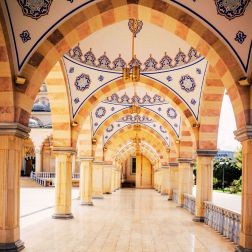
Chechnya
The Chechen Republic is one of the most visually contrasting regions in the North Caucasus: a modern capital, major mosques, mountain roads, high lakes, and fast shifts from city scale to highland silence. For travelers, it offers a route shaped by contrast and surprise
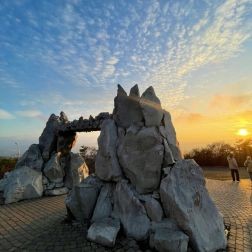
Stavropol Krai
Stavropol Krai works differently fr om the higher mountain republics: it is about rhythm, resort culture, long promenades, mineral springs, and the soft edge wh ere spa towns meet the Caucasus. For travelers, it offers one of southern Russia’s most polished and accessible regional escapes
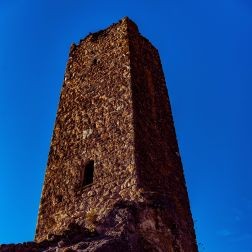
North Ossetia–Alania
North Ossetia–Alania is one of the most complete travel regions in the North Caucasus, combining a charismatic city, famous gorges, strong mountain roads, and places that carry real historical weight. For travelers, it is a route with both scenery and story
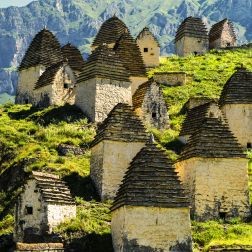
Ingushetia
Ingushetia is one of the North Caucasus’ quietest and most distinctive regions, known for mountain tower complexes, narrow valleys, and a remarkable sense of stillness. For travelers, it offers a route built less on spectacle alone and more on atmosphere, history, and mountain memory
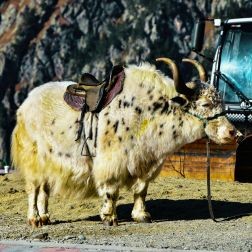
Karachay-Cherkess Republic
Karachay-Cherkessia is one of the most rewarding mountain regions for travelers who want both scenery and flexibility. With Dombay, Arkhyz, and Teberda in one region, it offers a route that can feel adventurous, restorative, and surprisingly varied within just a few days
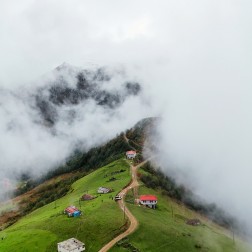
Kabardino-Balkaria
Kabardino-Balkaria is one of the Caucasus regions that instantly delivers scale: snowy summits, narrow gorges, waterfalls, and roads that feel dramatic from the first hour. For travelers, it works as both a classic Elbrus destination and a broader mountain route full of depth and atmosphere
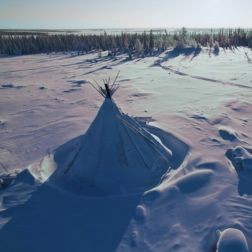
Yamal
Yamal is Russia’s Arctic Circle story: Salekhard, Nenets reindeer culture, mammoth history, tundra and winter festivals
Komi
Komi is for travelers who want deep northern nature: Syktyvkar, Finno-Ugric culture, virgin forests and Manpupuner