

This website uses cookies.
Learn more

Krasnodar: What to See
Krasnodar is one of the most livable cities in southern Russia, known for its green boulevards, warm climate, local markets, and relaxed urban atmosphere. For international travelers, Krasnodar offers an easy and authentic way to experience daily life in the Kuban region
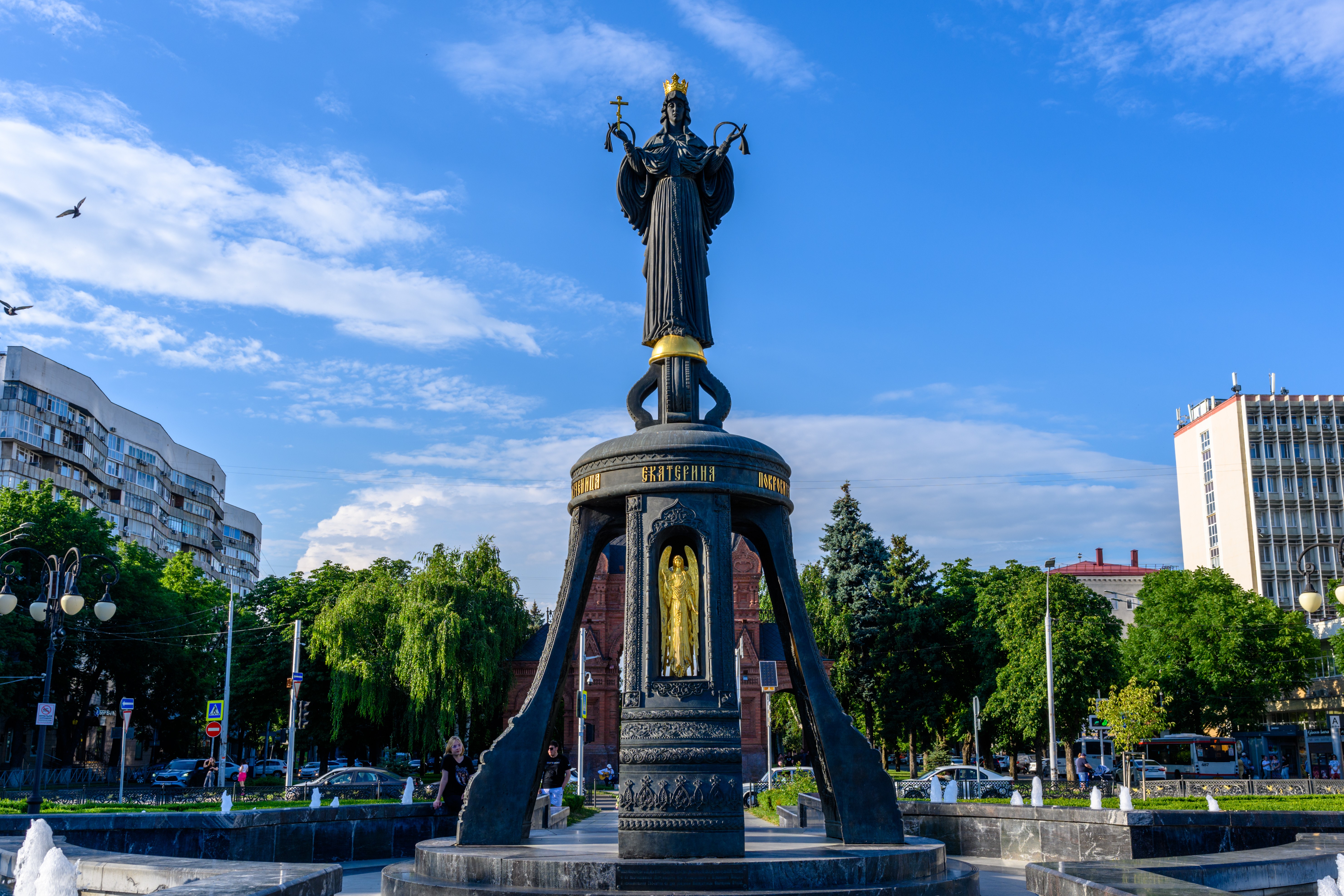
Krasnodar: A Southern City That Opens Up Slowly
Krasnodar is not the kind of place that tries to win you over with a single monumental landmark. It works differently. The city reveals itself through rhythm, light, greenery, and the very southern ease of daily life. For many international travelers, that is exactly what makes it memorable. Moscow can feel grand, St. Petersburg can feel theatrical, but Krasnodar feels lived-in. It is a city of long walks, open evenings, broad streets, market energy, and a lifestyle that is shaped as much by the Kuban region around it as by the city itself.
Historically, Krasnodar grew fr om a Cossack military settlement founded in 1793 and later developed into one of southern Russia’s major urban centers on the Kuban River. Today it is known less for imperial grandeur than for atmosphere and mobility: it is a practical city, a growing city, and above all a city that works very well as a base for understanding the south of Russia. Krasnaya Street, the Shukhov water tower, and Park Krasnodar form three strong visual anchors, but the deeper appeal is the combination of urban comfort, local food culture, and southern tempo.
What to see in Krasnodar
If this is your first trip, start with Krasnaya Street. It is the city’s central axis and the easiest way to feel how Krasnodar moves. The name can be translated not only as “red” but also in its older meaning as “beautiful,” and the street still functions as the emotional center of the city. Here you see facades from different eras, public squares, cafes, evening foot traffic, and that relaxed southern city energy that makes Krasnodar feel more open and less formal than many other large Russian cities.
The second major point is Park Krasnodar, often called Galitsky Park. Opened in 2017 next to FC Krasnodar’s stadium complex, it changed the visual language of the city. It is one of the strongest contemporary public spaces in Russia: ambitious landscaping, carefully designed routes, water features, seasonal planting, and enough scale to make even a slow walk feel like a complete urban experience. For a travel article, this matters because it gives Krasnodar something more than “pleasant.” It gives the city a modern identity that photographs beautifully and actually improves how visitors spend time there.
A third important stop is the Shukhov water tower, an early twentieth-century engineering landmark associated with Vladimir Shukhov’s hyperboloid design language. It is not grand in the way a cathedral is grand, but it gives Krasnodar texture. It reminds travelers that the city is not only parks and food and pleasant weather. It also has industrial memory, engineering heritage, and a sharper historical edge than it first appears to have.
If you have more time, add St. Catherine’s Cathedral, the old center around Theater Square, and one of the museums or concert halls connected to Kuban cultural life. Krasnodar is not best approached as a frantic checklist city. It rewards a traveler who combines several anchor points with enough free time to simply walk, stop, and notice.
How to build a route: 3, 5, and 7 days
- A 3-day trip works well if the goal is to understand the city itself. Day one can focus on Krasnaya Street, the historical center, and evening walks. Day two is ideal for Park Krasnodar and the surrounding district, wh ere the contemporary face of the city becomes clear. Day three can include one museum, the Shukhov tower area, a market stop, and a long dinner built around Kuban cuisine.
- A 5-day trip gives the city more room to breathe. At that point Krasnodar stops feeling like a stopover and begins to feel like a real destination. You can spend time in local parks, add slower café mornings, seek out cultural venues, and include a countryside-style excursion or farm-and-wine direction in the wider Kuban region without turning the journey into a logistical burden.
-
A 7-day trip works best for travelers who enjoy balancing city life with regional atmosphere. Krasnodar then becomes a southern base rather than just a city break. The extra time allows for more spontaneous planning, which is useful here because the city is not only about major sights. It is about tempo, food, and the contrast between urban comfort and the agricultural richness of the surrounding region.
Hidden local experience
Krasnodar is strongest when you step slightly away fr om its headline sights. The local experience is found in markets, side streets, courtyards, neighborhood cafes, and the everyday pace of the south. Unlike destinations built entirely around monumental heritage, Krasnodar lets you understand the region through ordinary life. Visit a local produce market and the city immediately makes sense: Kuban tomatoes, herbs, cheeses, fruit, honey, and seasonal products tell you more about the region than a brochure ever could.
Another strong local layer is Kuban Cossack culture. Even if a traveler does not attend a full performance, the city’s cultural institutions and music scene are shaped by that heritage. The Kuban Cossack Choir, whose roots go back to the early nineteenth century, remains one of the best-known cultural symbols of the region. That background matters because it explains why Krasnodar does not feel like a purely administrative center. It feels regional in the best sense: grounded, identifiable, and culturally specific.
For a more personal itinerary, the best recommendation is simple: leave space for unplanned time. Walk in the evening, buy pastries or fruit from a small shop, stop in a café without over-researching it, and use the city as a place to observe how southern Russia lives on an ordinary weekday. Krasnodar is especially good at this kind of travel because it does not need to perform for tourists all the time.
Food, culture, and southern mood
Krasnodar belongs to the Kuban region, and that means food is one of the strongest parts of the experience. Travelers should look for borscht in a southern style, vareniki, grilled meat, fresh vegetable salads, local cheeses, seasonal fruit, and honey. In practice, what makes Kuban food memorable is not one single dish but abundance: produce tastes more vivid here, portions often feel generous, and market culture remains important.
This is also a good city for travelers who like meals to become part of the route rather than a quick pause between sights. A day in Krasnodar works best when food is built into it: morning coffee, a relaxed lunch, a market detour, and a longer dinner outdoors when the weather allows. The city’s climate supports that kind of travel. Even the mood of the place feels more terrace-oriented and evening-friendly than in central Russia.
A few useful Russian phrases go a long way here: “Здравствуйте” (Hello), “Спасибо” (Thank you), “Сколько стоит?” (How much does it cost?), and “Очень вкусно” (Very tasty). Krasnodar is generally approachable, and a little Russian usually changes the tone of interactions for the better.
Planning your trip: logistics, payments, and comfort
Krasnodar is easy to reach from Moscow by plane and by train, and it also works well as a city within a broader southern Russia itinerary. Inside the city, taxis and app-based rides are practical, while the center itself is comfortable enough for long walks. A Russian phone number is still helpful for transport, maps, and booking confirmations, especially for travelers who do not want every practical step to depend on roaming or unstable verification methods.
The financial side of the trip deserves special attention. Krasnodar is a modern city, and cards are widely used in restaurants, hotels, shopping areas, and transport-related services. But that does not mean foreign bank cards will work. In practice, this is wh ere many international travelers run into friction. They can see a smooth city around them and still struggle with ticket payments, hotel bookings, app-based services, or online purchases.
For that reason, it is worth preparing the essentials before departure. Many travelers arrange a Russian bank card for travel in advance so they can pay more freely inside Russia, top up their balance from abroad, and reduce dependence on cash exchange. Ready4Ru naturally fits into this part of the journey. Before departure, travelers can arrange a bank card for travel in Russia and choose travel insurance in advance. That makes the trip easier to manage, especially when the route includes hotels, local transport, food stops, and online bookings across Russian platforms.
As a practical rule, it still makes sense to carry some cash for smaller markets, kiosks, and informal purchases, but Krasnodar is not a cash-only destination. A balanced approach works best: card for most planned spending, cash for flexibility. For first-time visitors, that combination removes unnecessary stress and lets the city feel as easy as it should.
In terms of season, late spring through early autumn is the strongest period for a first visit. Summer makes the city social and green, while early autumn adds a calmer atmosphere and softer light. Basic urban safety rules are usually enough: watch valuables, use licensed taxis or major apps, and respect religious spaces if you include churches or other cultural sites in the route.
Krasnodar is not a one-icon destination. It is a city of layers: Krasnaya Street, Park Krasnodar, market life, Kuban food, engineering heritage, and the southern ease that holds everything together. That is exactly why it works so well for the Ready4Ru blog. The city is visually strong, practical for route planning, and rich enough in local atmosphere to feel distinct from the better-known capitals.
For international travelers, Krasnodar offers something valuable: a version of Russia that feels accessible, warm, and lived-in. It is not about rushing through a checklist. It is about moving well, planning smartly, and giving the south enough time to open up.
Other articles
Chechnya
The Chechen Republic is one of the most visually contrasting regions in the North Caucasus: a modern capital, major mosques, mountain roads, high lakes, and fast shifts from city scale to highland silence. For travelers, it offers a route shaped by contrast and surprise
Stavropol Krai
Stavropol Krai works differently fr om the higher mountain republics: it is about rhythm, resort culture, long promenades, mineral springs, and the soft edge wh ere spa towns meet the Caucasus. For travelers, it offers one of southern Russia’s most polished and accessible regional escapes
North Ossetia–Alania
North Ossetia–Alania is one of the most complete travel regions in the North Caucasus, combining a charismatic city, famous gorges, strong mountain roads, and places that carry real historical weight. For travelers, it is a route with both scenery and story
Ingushetia
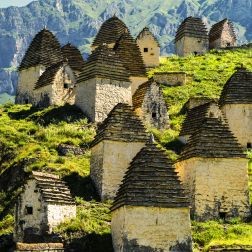
Ingushetia is one of the North Caucasus’ quietest and most distinctive regions, known for mountain tower complexes, narrow valleys, and a remarkable sense of stillness. For travelers, it offers a route built less on spectacle alone and more on atmosphere, history, and mountain memory
Karachay-Cherkess Republic
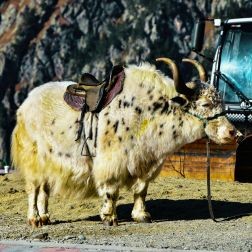
Karachay-Cherkessia is one of the most rewarding mountain regions for travelers who want both scenery and flexibility. With Dombay, Arkhyz, and Teberda in one region, it offers a route that can feel adventurous, restorative, and surprisingly varied within just a few days
Kabardino-Balkaria
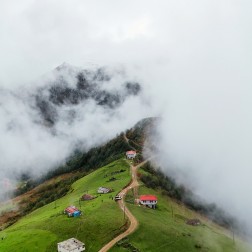
Kabardino-Balkaria is one of the Caucasus regions that instantly delivers scale: snowy summits, narrow gorges, waterfalls, and roads that feel dramatic from the first hour. For travelers, it works as both a classic Elbrus destination and a broader mountain route full of depth and atmosphere
Yamal
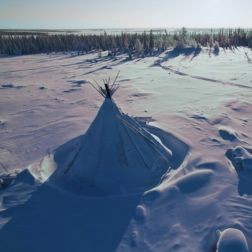
Yamal is Russia’s Arctic Circle story: Salekhard, Nenets reindeer culture, mammoth history, tundra and winter festivals

Komi
Komi is for travelers who want deep northern nature: Syktyvkar, Finno-Ugric culture, virgin forests and Manpupuner