

This website uses cookies.
Learn more

Kostroma: Romanov Calm on the Volga
Kostroma is a city of monastery walls, river calm, wooden houses, and quiet historic confidence — a Golden Ring destination with real depth and warmth
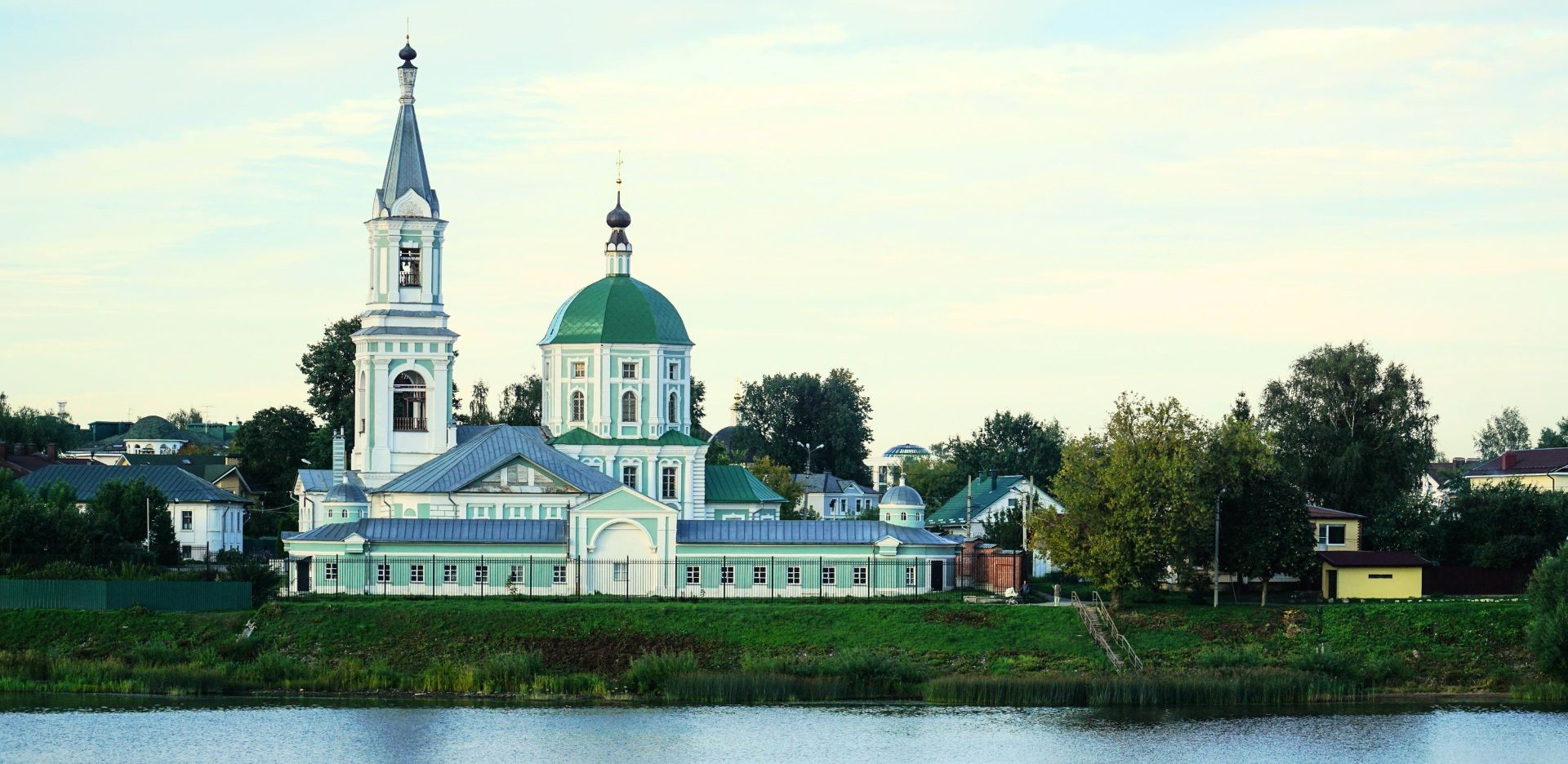
Kostroma: What to See and Why It Is One of the Golden Ring’s Most Characterful Historic Cities
Kostroma feels like a Golden Ring city that never lost its balance. It has monasteries, arcades, classicist squares, Romanov associations, river calm, wooden architecture, and one of the most self-aware regional food identities in central Russia.
What makes it work so well is that none of these elements overwhelms the others. Kostroma is not only sacred, or only imperial, or only picturesque. It is a rare historic city where many Russian archetypes fit together naturally.
Must-See Places and Routes
The city’s strongest historic anchor is the Ipatiev Monastery. It gives Kostroma its historical gravity and its dynastic weight. Without it, the city would still be beautiful. With it, Kostroma becomes one of the key memory sites of old Romanov Russia.
The second essential layer is urban and architectural. Susaninskaya Square, with its market arcades, fire tower, guardhouse, and surrounding ensemble, is the reason Kostroma photographs so well and walks so easily. You do not search for isolated monuments here. You move through a composed urban scene.
Just beside the monastery lies one of Kostroma’s real treasures: Kostroma Sloboda. This open-air museum of wooden architecture changes the texture of the route beautifully. A 3-day route should combine the monastery, the central square, and Kostroma Sloboda. A 5-day route allows slower museum time and smaller identity museums. A 7-day route is for travelers who want the city plus countryside rhythm at a gentler pace.
Hidden Gems and Local Experience
Kostroma’s hidden strength is not that it has secret places no one knows. It is that its obvious places still feel lived-in, calm, and warm. The Museum of Linen and Birch Bark is a perfect example. It adds craft texture and domestic detail to a city that could otherwise lean too far toward formal history.
The other local layer is culinary and sociable. Cheese culture here is not abstract branding. It is visible, participatory, and easy to integrate into the route through tastings, museums, and local identity.
That is why Kostroma feels so balanced. The serious historic core is always softened by something tactile, local, and human-scaled.
Food, Culture, and Traditions
Kostroma is one of the easiest Golden Ring cities to write about in food terms because cheese genuinely belongs to its public identity. This gives the article a clear edible anchor without forcing the region into unrealistic grand culinary claims.
Around that, the broader cultural palette stays warm and material: flax, birch bark, wooden architecture, old arcades, monastery walls, and that calmer Volga-city rhythm that makes Kostroma feel welcoming rather than theatrical.
It is a city that feels historical but not severe, and food plays an important role in keeping that tone approachable.
Planning Your Trip
Kostroma is one of the few historic Russian cities that benefits from gentle planning. The center is coherent, the main sights follow a logical structure, and the best days usually mix one major site, one smaller museum, and one simple pleasure such as a river walk or cheese tasting.
For the practical part, many travelers now prefer to sort out a Russian Ready4Ru bank card for smoother payments inside Russia and add Ready4Ru insurance for a wider Golden Ring itinerary. That way, trains, hotels, museum tickets, and everyday travel details feel much easier to manage from the start.
Kostroma succeeds because everything in it seems to belong together. Romanov history, monastery walls, wooden houses, market arcades, craft museums, and cheese culture all fit the same calm Volga city.
It is not the loudest Golden Ring destination. It is one of the most complete.
Other articles
Chechnya
The Chechen Republic is one of the most visually contrasting regions in the North Caucasus: a modern capital, major mosques, mountain roads, high lakes, and fast shifts from city scale to highland silence. For travelers, it offers a route shaped by contrast and surprise
Stavropol Krai
Stavropol Krai works differently fr om the higher mountain republics: it is about rhythm, resort culture, long promenades, mineral springs, and the soft edge wh ere spa towns meet the Caucasus. For travelers, it offers one of southern Russia’s most polished and accessible regional escapes
North Ossetia–Alania
North Ossetia–Alania is one of the most complete travel regions in the North Caucasus, combining a charismatic city, famous gorges, strong mountain roads, and places that carry real historical weight. For travelers, it is a route with both scenery and story
Ingushetia
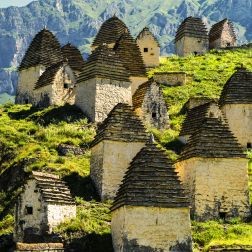
Ingushetia is one of the North Caucasus’ quietest and most distinctive regions, known for mountain tower complexes, narrow valleys, and a remarkable sense of stillness. For travelers, it offers a route built less on spectacle alone and more on atmosphere, history, and mountain memory
Karachay-Cherkess Republic
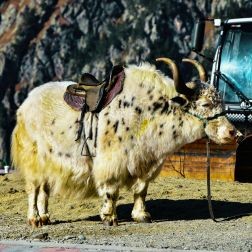
Karachay-Cherkessia is one of the most rewarding mountain regions for travelers who want both scenery and flexibility. With Dombay, Arkhyz, and Teberda in one region, it offers a route that can feel adventurous, restorative, and surprisingly varied within just a few days
Kabardino-Balkaria
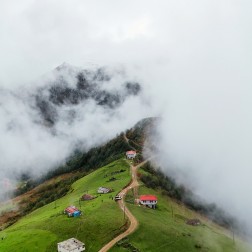
Kabardino-Balkaria is one of the Caucasus regions that instantly delivers scale: snowy summits, narrow gorges, waterfalls, and roads that feel dramatic from the first hour. For travelers, it works as both a classic Elbrus destination and a broader mountain route full of depth and atmosphere
Yamal
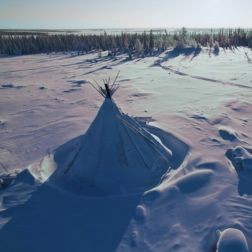
Yamal is Russia’s Arctic Circle story: Salekhard, Nenets reindeer culture, mammoth history, tundra and winter festivals

Komi
Komi is for travelers who want deep northern nature: Syktyvkar, Finno-Ugric culture, virgin forests and Manpupuner