

This website uses cookies.
Learn more

Karelia: Lakes, Forests & Russia’s Northern Magic
Karelia is one of Russia’s most atmospheric nature regions, where mirror-like lakes, pine forests, waterfalls, wooden churches and quiet northern towns create a perfect route for slow travel, culture and outdoor discovery
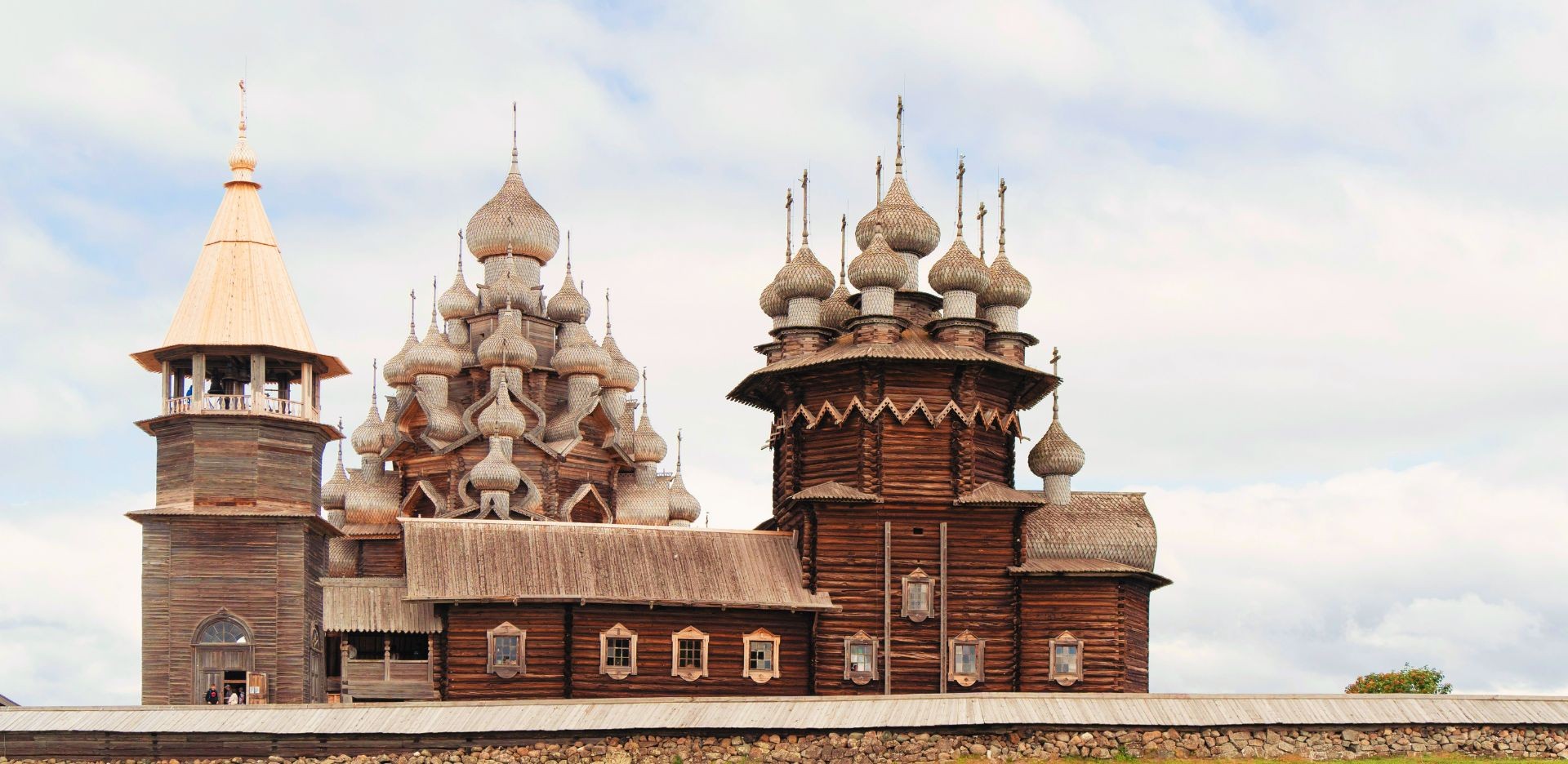
Karelia: Lakes, Islands, Wooden Churches and Russia’s Northern Soul
Karelia is one of Russia’s most balanced travel regions: beautiful, recognizable, accessible and still deeply atmospheric. It has lakes, forests, islands, wooden churches, marble cliffs, waterfalls and a culture shaped by Karelians, Finns, Russians and Veps. For international travelers, it is easier to approach than many Arctic regions, but it still gives a strong sense of the North. The best Karelia article should sell not only sights, but the rhythm of the region: water, silence, pine trees, boats and long summer evenings.Petrozavodsk and Lake Onega
Petrozavodsk is the practical starting point. Its Lake Onega embankment is one of the most pleasant urban walks in northwestern Russia, with sculptures, open views and a relaxed pace. The city is useful for hotels, restaurants, museums and departures to Kizhi. It should be presented as a base rather than the whole destination: comfortable enough for arrival, close enough to nature to start the route quickly.
Kizhi, Valaam and heritage islands
Kizhi is the flagship. The Kizhi State Open-Air Museum is one of Russia’s largest open-air museums and its ensemble is a UNESCO World Heritage site. The wooden churches, chapels and houses of the island turn northern architecture into a complete landscape. Valaam, on Lake Ladoga, is different: more monastic, more dramatic, with cliffs, water, pilgrimage history and a slower spiritual atmosphere. Together they make Karelia ideal for travelers who want culture and nature in one route.
Ruskeala and natural sights
Ruskeala Mountain Park is the region’s most photogenic nature attraction: a marble canyon filled with water, walking paths, viewpoints and seasonal activities. Nearby waterfalls, forest trails and Ladoga skerries add variety. Karelia also rewards smaller stops: old villages, wooden chapels, berry fields, quiet beaches, local craft shops and roadside cafes serving fish soup or Karelian pies.
Culture, food and local experience
Karelian identity is layered. Look for kalitki pies, fish dishes, berries, mushrooms, birch bark crafts, runic song heritage and village museums. The region is strong for soft adventure: boating, light trekking, photography, island excursions, winter snow routes and sauna culture. It is also a good destination for travelers who are new to Russia because the logistics can be built gradually: city base, day trip, then deeper nature.
3 / 5 / 7-day routes
- 3 days: use Petrozavodsk as a base, walk the embankment, visit local museums and take a Kizhi day trip in season.
- 5 days: add Ruskeala and Sortavala, with waterfalls and Lake Ladoga viewpoints.
- 7 days: include Valaam, Ladoga skerries or a slower nature route with villages, forest stays and local food. In winter, replace some boat logistics with snow-based activities and check access carefully.
Planning your trip
Karelia is seasonal. Summer is best for boats, islands and long days; autumn gives color and fewer crowds; winter gives snow, frozen lakes and a quieter northern mood. Travelers should book island transport in advance and check whether hydrofoils, boats or winter transfers are running. Distances are manageable, but not always quick. Payment preparation matters because domestic transport, regional tours and smaller hotels may rely on Russian payment systems.
Useful Ready4Ru links for travelers: Apply for a Russian bank card, top up a Russian bank card, and arrange travel insurance.
Karelia is not only a destination; it is a mood. It gives travelers the North in a gentle form: wooden churches above water, islands in mist, pine forests, lake wind and the feeling that silence can be a travel experience.
Best time to visit
Karelia is one of the most seasonal regions in this package. Summer is the most complete season because boats connect islands, lakes become part of the route and long daylight makes travel easy. Autumn is beautiful for forests and photography. Winter gives snow, frozen water, husky programs and quiet villages, but some island logistics change or stop. Spring can be less predictable because ice and thaw affect roads, trails and water transport. The best recommendation is to plan around Kizhi, Valaam and Ruskeala access first, then build the rest of the route.
What makes it different
Karelia differs from the Arctic destinations because it feels calm rather than severe. It is a northern region, but its emotional language is water, wood, islands and forest. This makes it perfect for international travelers who want beauty and culture without expedition-level planning. SEO should combine Karelia travel guide with Kizhi, Valaam, Ruskeala, Petrozavodsk, Lake Onega and Lake Ladoga. The article can also support internal linking well because travelers often need to book several domestic legs: train, hotel, boat, excursion and onward transport.
Other articles
Chechnya
The Chechen Republic is one of the most visually contrasting regions in the North Caucasus: a modern capital, major mosques, mountain roads, high lakes, and fast shifts from city scale to highland silence. For travelers, it offers a route shaped by contrast and surprise
Stavropol Krai
Stavropol Krai works differently fr om the higher mountain republics: it is about rhythm, resort culture, long promenades, mineral springs, and the soft edge wh ere spa towns meet the Caucasus. For travelers, it offers one of southern Russia’s most polished and accessible regional escapes
North Ossetia–Alania
North Ossetia–Alania is one of the most complete travel regions in the North Caucasus, combining a charismatic city, famous gorges, strong mountain roads, and places that carry real historical weight. For travelers, it is a route with both scenery and story
Ingushetia
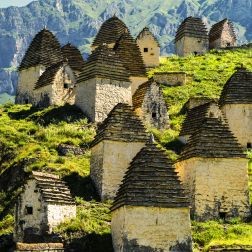
Ingushetia is one of the North Caucasus’ quietest and most distinctive regions, known for mountain tower complexes, narrow valleys, and a remarkable sense of stillness. For travelers, it offers a route built less on spectacle alone and more on atmosphere, history, and mountain memory
Karachay-Cherkess Republic
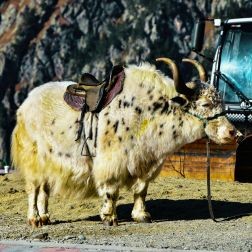
Karachay-Cherkessia is one of the most rewarding mountain regions for travelers who want both scenery and flexibility. With Dombay, Arkhyz, and Teberda in one region, it offers a route that can feel adventurous, restorative, and surprisingly varied within just a few days
Kabardino-Balkaria
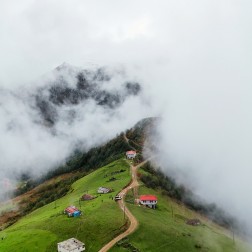
Kabardino-Balkaria is one of the Caucasus regions that instantly delivers scale: snowy summits, narrow gorges, waterfalls, and roads that feel dramatic from the first hour. For travelers, it works as both a classic Elbrus destination and a broader mountain route full of depth and atmosphere
Yamal
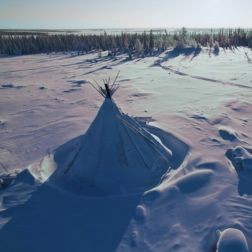
Yamal is Russia’s Arctic Circle story: Salekhard, Nenets reindeer culture, mammoth history, tundra and winter festivals
Komi
Komi is for travelers who want deep northern nature: Syktyvkar, Finno-Ugric culture, virgin forests and Manpupuner