

This website uses cookies.
Learn more

Komi Republic: Wild North
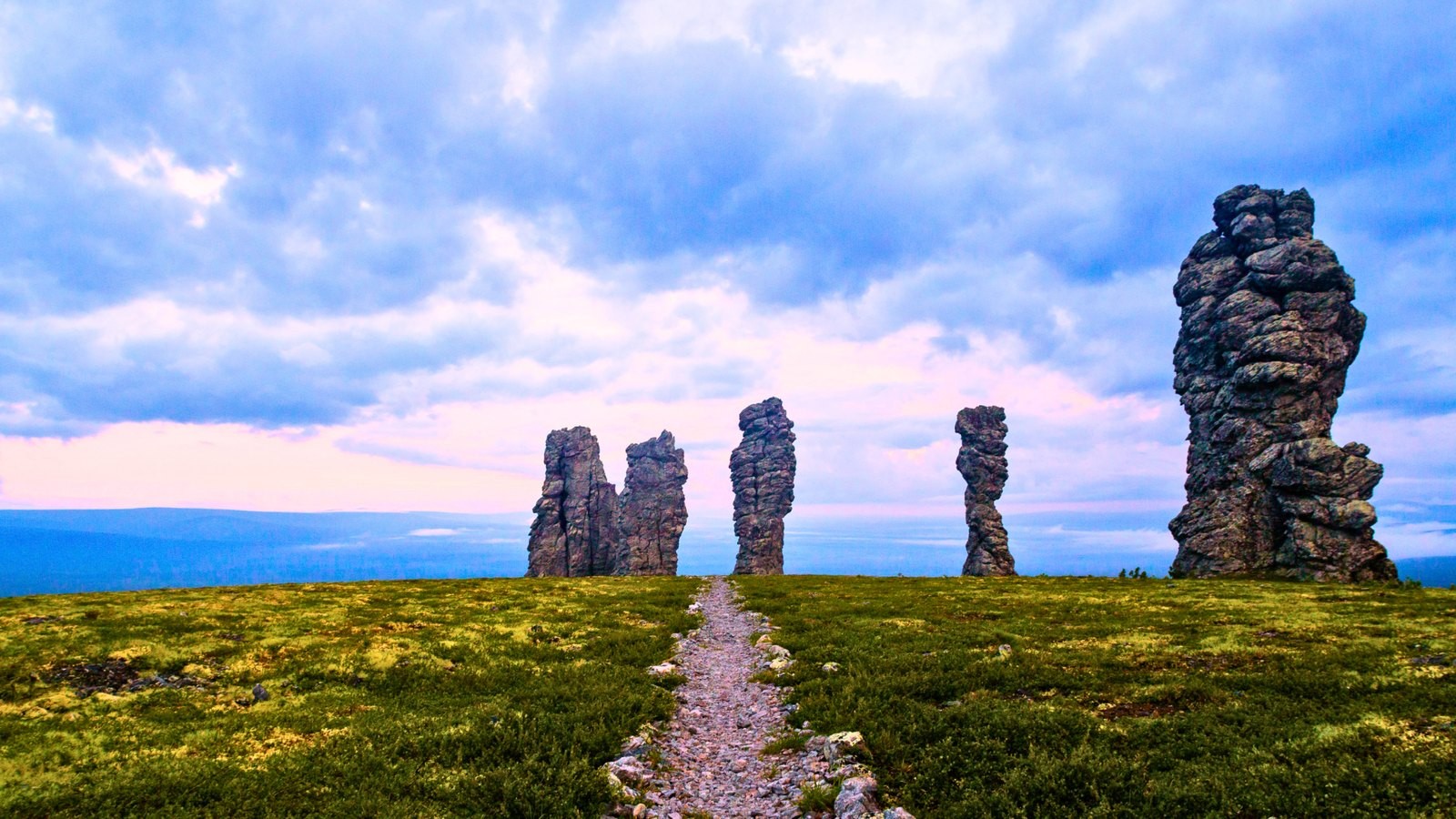
The Komi Republic is one of Russia’s most distinctive northern regions, where the Manpupuner stone pillars, open tundra, and long winter landscapes create a journey defined by scale, silence, and raw природная сила. For travelers, it offers a memorable way to experience the deep Russian North
Komi Republic: Where to Go, What to See, and Why It Is One of Russia’s Most Distinctive Northern Journeys
The Komi Republic is not a destination people choose for an ordinary city break. It is a place for travelers who want to feel the scale of northern Russia through forests, rivers, remote roads, traditional culture, and landscapes that still look largely untouched. This is one of the regions where the journey itself becomes the main impression: the distances feel real, nature dominates the route, and the atmosphere shifts fr om urban calm to wild taiga very quickly. For the Ready4Ru blog, Komi is a powerful topic because it combines practical travel value with a strong sense of discovery.
For international travelers, Komi shows a side of Russia that is very different fr om the better-known capitals. The official tourism portal describes the republic as a hospitable land known for its natural diversity, multinational cultural traditions, Arctic-zone travel opportunities, and sacred places. It also emphasizes that the region includes protected areas listed as UNESCO World Natural Heritage. That immediately gives the destination a strong identity: Komi is not built around one famous museum or one iconic boulevard, but around large natural systems, local heritage, and the idea of traveling deeper into the European North of Russia.
Why the Komi Republic deserves a place in a Russia itinerary
One of the main reasons to include Komi in a route across Russia is contrast. A traveler can begin in Syktyvkar with museums, regional food, and a softer urban entry point, and then move toward routes that feel much more remote and elemental. The republic’s tourism materials position the region through natural monuments, indigenous and local traditions, pilgrimage and sacred travel, and access to northern territories. That gives the destination unusual flexibility: it can work as a cultural itinerary, a nature-led trip, or a more adventurous route shaped by forest, rivers, and protected areas.
Komi also stands out because it contains one of the most important natural heritage areas in Russia. UNESCO states that the Virgin Komi Forests cover 3.28 million hectares of tundra, mountain tundra, and one of the most extensive areas of virgin boreal forest remaining in Europe. For a blog reader, that fact matters immediately. It turns the region fr om an unfamiliar name on the map into a place with global ecological significance. It also explains why the visual logic of the trip feels so strong: in Komi, forest is not background scenery but the core of the destination.
What to see in the Komi Republic
If this is a first trip, it is easiest to build the itinerary around several anchor points.
Start with Syktyvkar. The capital is the most practical entry point and the best place to understand the region before moving into longer routes. It gives travelers a manageable beginning, access to transport, and an introduction to Komi identity, language, crafts, and regional culture. A city-based start works especially well for an international audience because it allows the article to move naturally from convenience to exploration.
The second major direction is the Virgin Komi Forests. Even if travelers do not enter the deepest protected areas themselves, the very presence of this UNESCO site shapes the way the whole republic is perceived. It signals scale, ecological value, and a sense of genuine wilderness that is increasingly rare in Europe. For the Ready4Ru audience, this makes the destination feel both meaningful and visually powerful.
Another standout symbol of Komi is Manpupuner. The tourism portal presents journeys to the plateau as one of the republic’s signature experiences, especially in winter formats such as snowmobile tours. The place is famous for its giant stone pillars and its sense of isolation. Editorially, Manpupuner is exactly the kind of location that gives a blog article memorability: it is unusual, dramatic, and instantly recognizable once a reader sees it.
A strong additional direction is the Pechora and Upper Pechora area, wh ere the sense of northern space becomes one of the main parts of the experience. Combined with district routes and cultural stops, this allows the article to describe Komi not as a single attraction but as a layered region wh ere forests, rivers, local traditions, and remote viewpoints all work together.
When to go
The easiest season for a first trip is fr om late spring to early autumn. During this period, the roads are more manageable, regional movement is simpler, and nature-based routes are easier to combine with cultural stops. Summer is the safest recommendation for a broad international audience because it offers the clearest logistics and the widest range of accessible landscapes.
Winter is more demanding, but it changes the destination in a compelling way. Snow routes, deep forest scenery, and northern light conditions create a more dramatic experience, especially for readers who are drawn to Arctic-style travel. However, winter trips require stronger planning, more realistic timing, and closer attention to transport and weather.
What to plan in advance
Komi is not the kind of region wh ere travelers should rely on fully spontaneous planning. Distances, transport options, seasonal access, and accommodation logistics need to be thought through in advance. It helps to decide early whether the trip will stay around Syktyvkar and nearby cultural routes, focus on a specific wilderness direction, or build around a symbolic goal such as Manpupuner or the wider forest landscape. For foreign travelers, practical services matter too. Before departure, it is useful to arrange a bank card for travel in Russia through Ready4Ru, and choose travel insurance in advance. This makes the trip calmer and easier to manage, especially in a region wh ere transport, overnight stays, and day-to-day expenses need to be handled with fewer improvisations than in major tourist cities.
Who this trip is for
The Komi Republic is best suited to travelers who value atmosphere, scale, and authenticity more than a checklist of headline attractions. It works well for independent travelers, couples, photographers, readers interested in indigenous and regional cultures, and anyone looking for a route beyond the standard Moscow–St. Petersburg pattern.
If someone wants dense infrastructure, fast urban rhythm, and easy short-break planning, another region may be simpler as a first step. But if the goal is to see Russia as a land of forests, rivers, long horizons, and cultural depth, Komi is one of the most distinctive choices in the European North.
The Komi Republic is not a destination built around one famous landmark. It is a region of atmosphere, space, and layered travel. Syktyvkar gives the route an accessible beginning, the Virgin Komi Forests give it international significance, and Manpupuner gives it a memorable image that stays with the reader. For the Ready4Ru blog, Komi is exactly the kind of subject that combines search value, strong visuals, and practical relevance for travelers planning a route in Russia.
Other articles
Chechnya
The Chechen Republic is one of the most visually contrasting regions in the North Caucasus: a modern capital, major mosques, mountain roads, high lakes, and fast shifts from city scale to highland silence. For travelers, it offers a route shaped by contrast and surprise
Stavropol Krai
Stavropol Krai works differently fr om the higher mountain republics: it is about rhythm, resort culture, long promenades, mineral springs, and the soft edge wh ere spa towns meet the Caucasus. For travelers, it offers one of southern Russia’s most polished and accessible regional escapes
North Ossetia–Alania
North Ossetia–Alania is one of the most complete travel regions in the North Caucasus, combining a charismatic city, famous gorges, strong mountain roads, and places that carry real historical weight. For travelers, it is a route with both scenery and story
Ingushetia
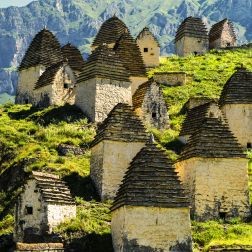
Ingushetia is one of the North Caucasus’ quietest and most distinctive regions, known for mountain tower complexes, narrow valleys, and a remarkable sense of stillness. For travelers, it offers a route built less on spectacle alone and more on atmosphere, history, and mountain memory
Karachay-Cherkess Republic
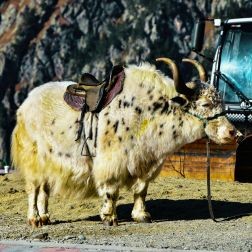
Karachay-Cherkessia is one of the most rewarding mountain regions for travelers who want both scenery and flexibility. With Dombay, Arkhyz, and Teberda in one region, it offers a route that can feel adventurous, restorative, and surprisingly varied within just a few days
Kabardino-Balkaria
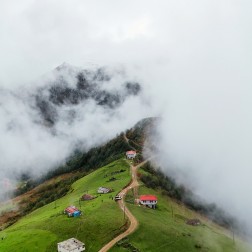
Kabardino-Balkaria is one of the Caucasus regions that instantly delivers scale: snowy summits, narrow gorges, waterfalls, and roads that feel dramatic from the first hour. For travelers, it works as both a classic Elbrus destination and a broader mountain route full of depth and atmosphere
Yamal
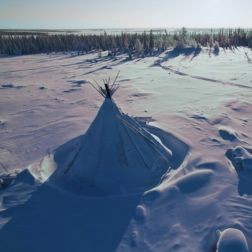
Yamal is Russia’s Arctic Circle story: Salekhard, Nenets reindeer culture, mammoth history, tundra and winter festivals
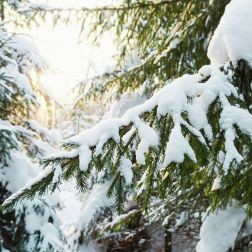
Komi
Komi is for travelers who want deep northern nature: Syktyvkar, Finno-Ugric culture, virgin forests and Manpupuner