

This website uses cookies.
Learn more

Kirov: Dymkovo, Art, and Deep Time
Kirov is where folk art, museum culture, and deep prehistory meet — a city that feels quieter than the headlines and richer than first impressions
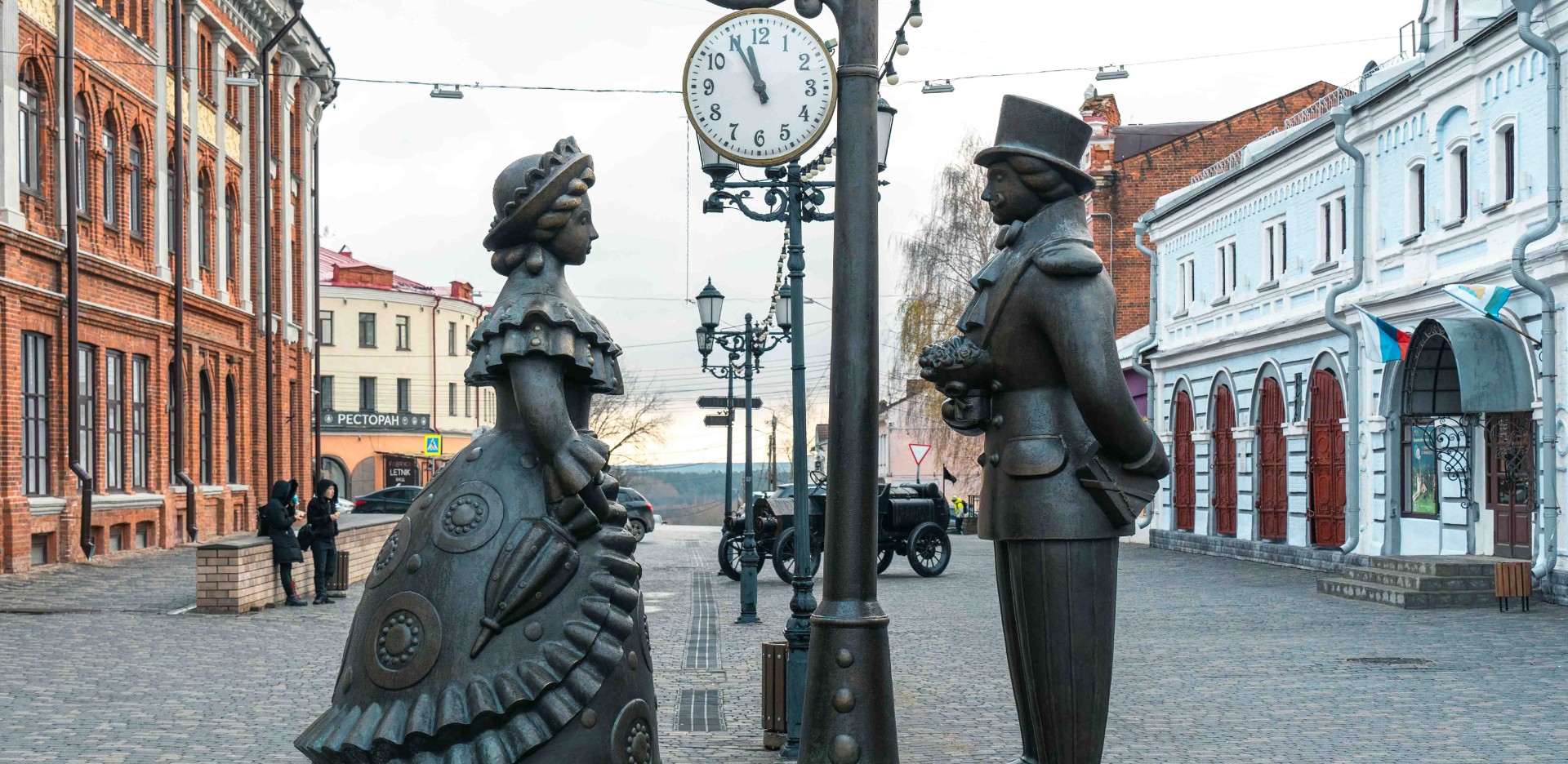
Kirov: What to See and Why It Is One of Russia’s Most Unusual Cultural City Routes
Kirov is one of those places that becomes more interesting the more carefully you look at it. On the surface, it can seem like a quiet regional capital. In reality, it has one of the most original combinations in Russia: a world-famous folk craft, a major regional art museum, and a paleontological story tied to some of the most important Permian fossil finds in the country.
That mix alone gives Kirov a stronger profile than many better-known cities. It is a destination built not around spectacle, but around specificity.
Must-See Places and Routes
Its clearest symbol is the Dymkovo toy. This is not just a souvenir tradition. It is a full visual language, and it gives Kirov something instantly recognizable that still feels deeply local rather than mass-touristic. Bright painted clay figures are not decoration here. They are one of the city’s central cultural codes.
The second major anchor is the Vasnetsov Brothers Art Museum. For art-minded travelers, this is where Kirov becomes unexpectedly serious. The museum broadens the destination beyond craft and proves that the city’s cultural life is not niche, but substantial.
Then comes the twist that makes Kirov genuinely distinctive: paleontology. The regional story around Kotelnich and the Permian fossil discoveries adds deep time to the route. A 3-day trip should focus on Dymkovo, the art museum, and a slower city program. A 5-day route should add the paleontological dimension. A 7-day route gives enough time for both Kirov and Kotelnich without flattening either into a rushed stop.
Hidden Gems and Local Experience
Kirov’s hidden strength is that it is calmer than its content. The city does not perform its identity too aggressively. You discover it in museums, in craft workshops, in applied arts, and in quieter public spaces such as Alexander Garden and the river-facing parts of the city.
This matters because it gives the route breathing room. Without that quieter urban layer, Kirov might feel too museum-bound. With it, the destination gains evening atmosphere and a softer rhythm between concentrated cultural visits.
The local experience should therefore be tactile and slow. Kirov is a place for people who want to look closely: painted surfaces, decorative detail, museum labels, and the pleasure of realizing that the city has a much stronger profile than expected.
Food, Culture, and Traditions
The cultural center of gravity here is clearly Dymkovo toy art, so the food side should not try to compete with it through artificial symbolism. Kirov works better when the article emphasizes the city’s museum culture, local sweets and tea stops, and the broader Vyatka atmosphere.
In this case, the destination’s real taste is visual and material. That is not a weakness. It is part of what makes Kirov more refined than it first appears.
For an international audience, this also helps position the city honestly: not as a culinary capital, but as a place of strong cultural texture, authenticity, and unusual intellectual range.
Planning Your Trip
Kirov works best as a two-speed trip: city museums and craft first, then one deeper regional extension if paleontology matters to you. The common mistake is to treat Kotelnich as mandatory before giving Kirov itself enough time.
On the practical side, many travelers find it useful to arrange a Russian Ready4Ru bank card before arrival for museum tickets, rail bookings, and everyday payments, and to add Ready4Ru insurance for the regional leg of the route. Preparing these basics usually makes the city-and-region combination much easier to manage.
Kirov is one of the best examples of a city that becomes stronger the more carefully you describe it. It has one of Russia’s most recognizable folk-art traditions, a major art museum, real regional museum culture, and a paleontological angle unlike almost anywhere else in the country.
That combination makes it not just interesting, but genuinely memorable.
Other articles
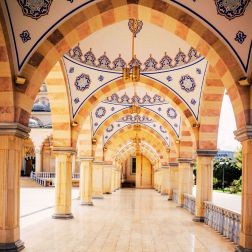
Chechnya
The Chechen Republic is one of the most visually contrasting regions in the North Caucasus: a modern capital, major mosques, mountain roads, high lakes, and fast shifts from city scale to highland silence. For travelers, it offers a route shaped by contrast and surprise
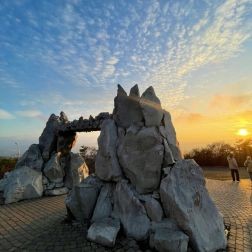
Stavropol Krai
Stavropol Krai works differently fr om the higher mountain republics: it is about rhythm, resort culture, long promenades, mineral springs, and the soft edge wh ere spa towns meet the Caucasus. For travelers, it offers one of southern Russia’s most polished and accessible regional escapes
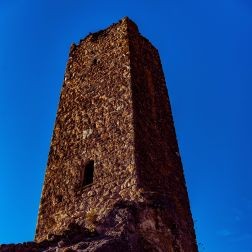
North Ossetia–Alania
North Ossetia–Alania is one of the most complete travel regions in the North Caucasus, combining a charismatic city, famous gorges, strong mountain roads, and places that carry real historical weight. For travelers, it is a route with both scenery and story
Ingushetia
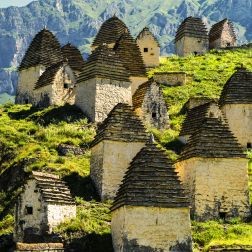
Ingushetia is one of the North Caucasus’ quietest and most distinctive regions, known for mountain tower complexes, narrow valleys, and a remarkable sense of stillness. For travelers, it offers a route built less on spectacle alone and more on atmosphere, history, and mountain memory
Karachay-Cherkess Republic
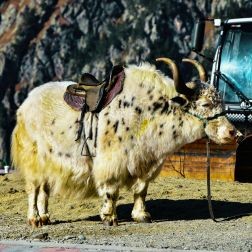
Karachay-Cherkessia is one of the most rewarding mountain regions for travelers who want both scenery and flexibility. With Dombay, Arkhyz, and Teberda in one region, it offers a route that can feel adventurous, restorative, and surprisingly varied within just a few days
Kabardino-Balkaria
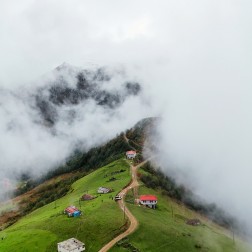
Kabardino-Balkaria is one of the Caucasus regions that instantly delivers scale: snowy summits, narrow gorges, waterfalls, and roads that feel dramatic from the first hour. For travelers, it works as both a classic Elbrus destination and a broader mountain route full of depth and atmosphere
Yamal
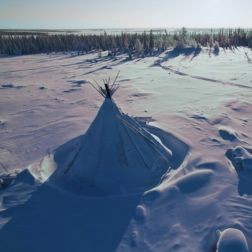
Yamal is Russia’s Arctic Circle story: Salekhard, Nenets reindeer culture, mammoth history, tundra and winter festivals

Komi
Komi is for travelers who want deep northern nature: Syktyvkar, Finno-Ugric culture, virgin forests and Manpupuner