

This website uses cookies.
Learn more

Khakassia: Steppe, Stones and Sayan Landscapes
Khakassia is Siberia’s archaeological landscape: steppe horizons, ancient stones, sacred mountains, lakes and the Sayan range
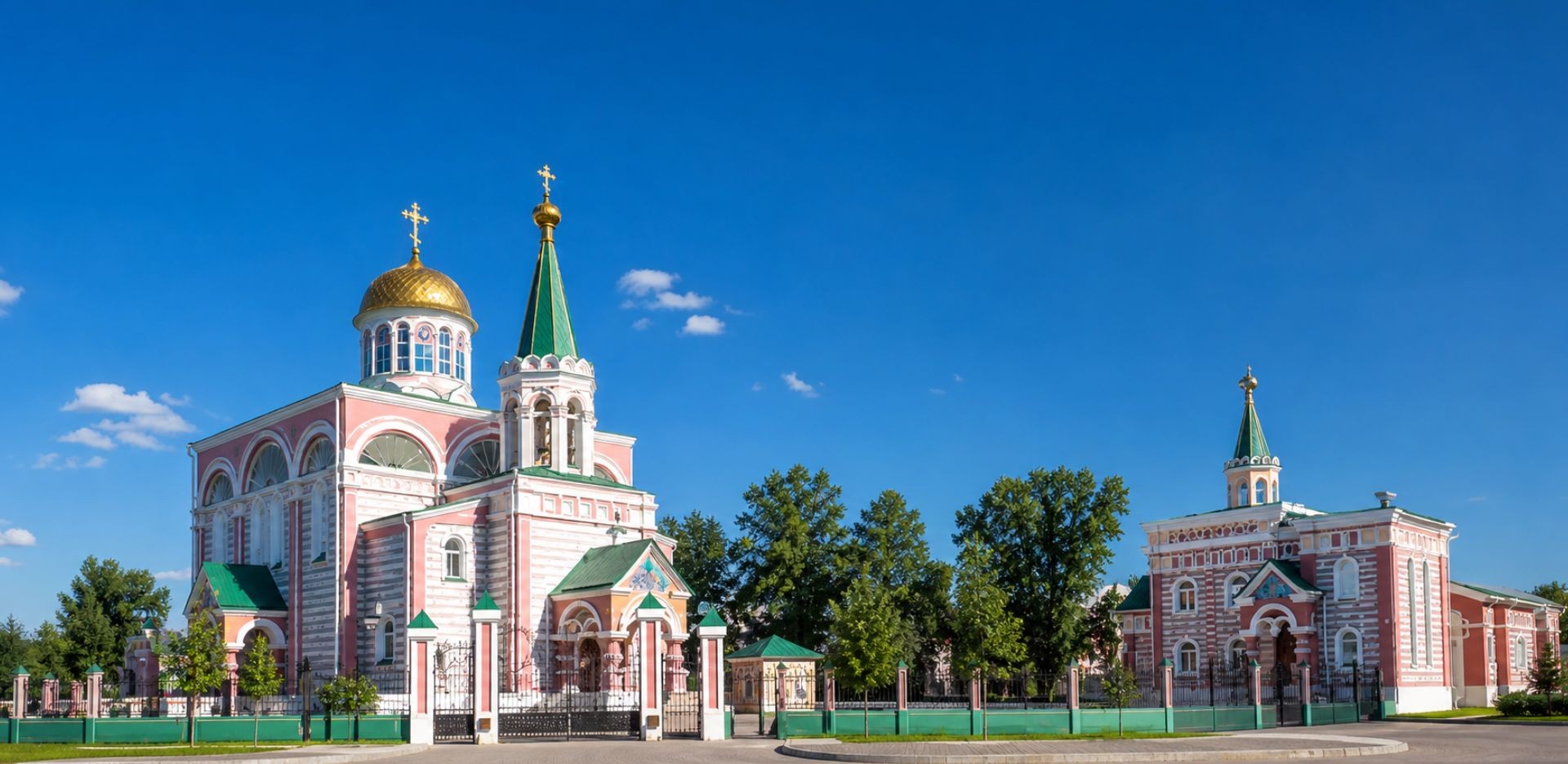
Khakassia: Steppe, Stones and Sayan Landscapes
Khakassia is one of Siberia’s most underrated cultural landscapes. It is not only about nature, although the nature is striking. The region combines steppe, mountains, lakes, petroglyphs, burial mounds and archaeological sites that make the land feel like an open-air museum. Abakan is the practical base, but the real story begins outside the city, where ancient stones stand under huge skies and the Sayan Mountains shape the horizon. For international travelers, Khakassia offers something different fr om Baikal or Altai: a mix of archaeology, steppe silence and strong regional identity.
Inspiration & Must-See Places
Abakan is the starting point for museums, city walks and logistics. The Khakass National Museum is important because it helps visitors understand the stone sculptures, archaeological cultures and local history before going into the landscape. The Great Salbyk Mound is one of the region’s strongest symbols: a monumental ancient burial site set in open steppe, surrounded by large stones and a powerful sense of time. The Sunduki mountain ridge is another key destination, often connected with legends, astronomy-like interpretations and dramatic rock forms. Petroglyph sites add depth, showing how long people have marked and interpreted this land. The Sayano-Shushenskaya hydroelectric area and the road toward the Sayan Mountains create a completely different visual mood: engineering scale, river landscapes and mountain panoramas. Lakes, including mineral and steppe lakes, can be woven into summer itineraries.
Hidden Gems & Local Experience
Khakassia’s hidden experience is quiet. Many places do not need crowds or entertainment to work. Stand near the stones at Salbyk, look across the steppe, and let the scale do its job. A good guide can transform the trip by explaining archaeology, legends, Khakass traditions and how different cultures moved through the region. Local villages, small museums and roadside food stops add warmth. For photographers, early morning and evening are best: the steppe changes color quickly, stones gain shadow, and mountains appear sharper.
Culture, Food & Traditions
Khakass culture is connected with steppe life, cattle, horses, ancestral memory, music and seasonal festivals. Food is hearty: meat, dairy, soups, simple breads, berries and herbal teas. The article should emphasize that Khakassia is not an empty landscape but a cultural archive. Ancient mounds, petroglyphs and stone sculptures should be described with respect. Visitors should not climb on or touch protected stones unless clearly allowed, and they should follow local guidance at sacred places.
3/5/7-day routes
- 3 days: Day 1 — Abakan, museum and city orientation. Day 2 — Great Salbyk Mound and steppe archaeological route. Day 3 — Sunduki ridge or a lake route depending on season.
- 5 days: add Sayano-Shushenskaya HPP viewpoint, Sayan mountain road, more petroglyphs and a village or nature stop. 7 days: combine Abakan, Salbyk, Sunduki, lakes, Sayan route and a slower cultural day with local guide.
- A 7-day Khakassia trip works especially well for travelers interested in archaeology, photography and landscapes.
Best Season and Travel Angle
Khakassia is especially rewarding in late spring, summer and early autumn, when the steppe is accessible and archaeological routes are easier to combine with lakes and Sayan viewpoints. Winter can be stark and photogenic, but it suits travelers who like minimal landscapes and cold-weather driving. The destination is ideal for readers interested in archaeology, ancient cultures, photography and open spaces. It should be positioned as a “slow landscape” region: less famous than Altai, less dramatic than Baikal, but very strong for travelers who enjoy meaning in quiet places. Because many sites need explanation, a knowledgeable guide can change the value of the trip dramatically.
Who This Route Is Best For
Khakassia is best for travelers interested in ancient history, open landscapes, photography, archaeology and quiet regional routes. It is also a good choice for those who have already visited more famous Siberian places and want something less predictable. In the CMS, the article should connect Khakassia with Tuva and Krasnoyarsk as part of a southern Siberian cultural-nature corridor. This helps readers see it not as an isolated unknown region, but as a meaningful part of a wider route.
Planning Your Trip: Logistics, Money & Safety
Khakassia is best explored by car with a guide or driver, because many important places are outside Abakan and public transport is not ideal for flexible sightseeing. Summer and early autumn are comfortable; winter can be stark and beautiful but requires warmer planning. Domestic payments matter for local hotels, cafes, guides and transport. Ready4Ru’s bank card supports payments inside Russia, and insurance is useful for road trips, outdoor walks and remote locations. Travelers should bring sun protection for steppe routes, water, offline maps and respectful behavior at archaeological sites.
Khakassia is a destination for travelers who like landscapes with memory. It is quiet, spacious and intellectually rich. For Ready4Ru, it adds archaeological depth to the Siberian series and shows a side of Russia wh ere stones, steppe and mountains tell the story.
Other articles
Chechnya
The Chechen Republic is one of the most visually contrasting regions in the North Caucasus: a modern capital, major mosques, mountain roads, high lakes, and fast shifts from city scale to highland silence. For travelers, it offers a route shaped by contrast and surprise
Stavropol Krai
Stavropol Krai works differently fr om the higher mountain republics: it is about rhythm, resort culture, long promenades, mineral springs, and the soft edge wh ere spa towns meet the Caucasus. For travelers, it offers one of southern Russia’s most polished and accessible regional escapes
North Ossetia–Alania
North Ossetia–Alania is one of the most complete travel regions in the North Caucasus, combining a charismatic city, famous gorges, strong mountain roads, and places that carry real historical weight. For travelers, it is a route with both scenery and story
Ingushetia
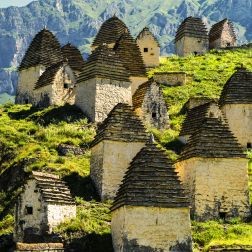
Ingushetia is one of the North Caucasus’ quietest and most distinctive regions, known for mountain tower complexes, narrow valleys, and a remarkable sense of stillness. For travelers, it offers a route built less on spectacle alone and more on atmosphere, history, and mountain memory
Karachay-Cherkess Republic
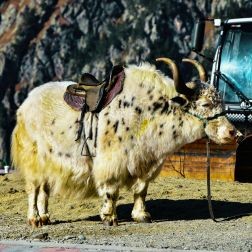
Karachay-Cherkessia is one of the most rewarding mountain regions for travelers who want both scenery and flexibility. With Dombay, Arkhyz, and Teberda in one region, it offers a route that can feel adventurous, restorative, and surprisingly varied within just a few days
Kabardino-Balkaria
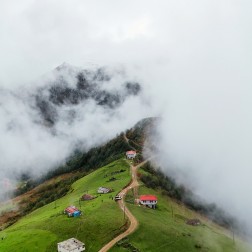
Kabardino-Balkaria is one of the Caucasus regions that instantly delivers scale: snowy summits, narrow gorges, waterfalls, and roads that feel dramatic from the first hour. For travelers, it works as both a classic Elbrus destination and a broader mountain route full of depth and atmosphere
Yamal
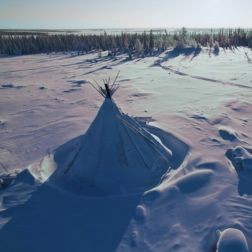
Yamal is Russia’s Arctic Circle story: Salekhard, Nenets reindeer culture, mammoth history, tundra and winter festivals
Komi
Komi is for travelers who want deep northern nature: Syktyvkar, Finno-Ugric culture, virgin forests and Manpupuner