

This website uses cookies.
Learn more

Kazan: How to Travel Smart in Russia
Kazan is one of the most distinctive cities in Russia, where historic landmarks, Islamic and Orthodox heritage, and life along the Volga come together in one journey. For international travelers, Kazan offers a rich but approachable experience, with the Kazan Kremlin, vibrant streets, traditional татар cuisine, and a city atmosphere that feels both layered and welcoming. Cultural, scenic, and easy to explore, Kazan is one of the most memorable destinations in Russia
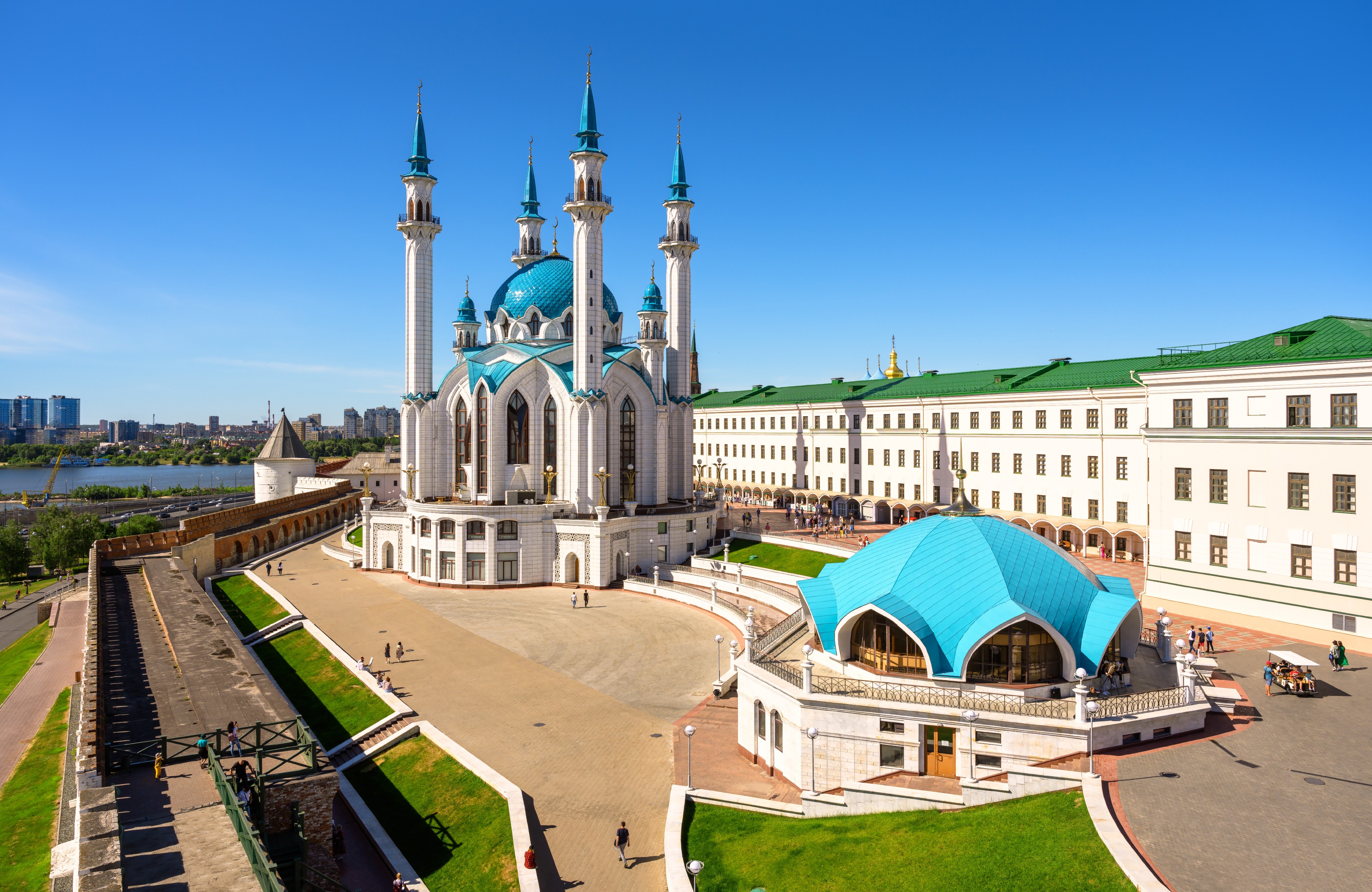
Kazan: A City You Don’t Just Visit — You Experience
There are cities you visit for landmarks, and there are cities you remember for how they made you feel. Kazan belongs to the second kind. It does not try to impress you loudly. It opens slowly — through light on the Volga, through the balance of domes and minarets, through streets that feel lived-in rather than staged. For international travelers, Kazan is often the moment when Russia stops feeling distant and becomes human, textured, and surprisingly easy to understand.The city’s power lies in contrast without conflict. Kazan is the capital of Tatarstan, and its identity has been shaped by both Tatar and Russian traditions. The result is not a split personality but a rare sense of cultural calm. The Kazan Kremlin, recognized by UNESCO, is the clearest expression of that balance: within one historic ensemble, the Kul Sharif Mosque and the Annunciation Cathedral stand close to each other, turning architecture into a visible conversation rather than a symbol of opposition.
Start here, at the Kremlin, because it gives the city its emotional center. Walk the white walls in the softer light of morning or late afternoon. Look across the river, the embankment, and the sweep of the city. Kazan does not reveal itself through one monument alone; it works through perspective. The Kremlin gives you that perspective immediately. It explains why the city feels spacious, layered, and calm even when it is busy.
Fr om the Kremlin, the natural next step is Bauman Street. This pedestrian axis is wh ere Kazan becomes more intimate. The scale changes. The city moves fr om views to details: façades, cafés, musicians, shop windows, students, families, and the small rituals of everyday life. A good travel city is never just about its postcard sights; it is about the hours between them. Bauman Street is wh ere those hours become part of the experience.
If you want to see another side of Kazan, do not stay only in the most photographed core. Move toward the Old Tatar Quarter, where the city feels softer and more residential, and where the visual identity shifts again. Then, if time allows, build at least one half-day or full-day extension to Sviyazhsk. This island-town, set at the meeting of rivers not far fr om Kazan, offers exactly the kind of contrast that makes a regional trip stronger: after urban rhythm comes stillness, after cafés and embankments comes a place shaped by monasteries, wooden buildings, and a slower sense of time.
This contrast matters because Kazan works best not as a checklist destination but as a route. For a three-day trip, stay focused: the Kremlin, Bauman Street, the embankment, one strong food stop, and one museum or cultural site. For five days, add the Old Tatar Quarter and Sviyazhsk. For seven days, slow the pace down on purpose. Let the city breathe. Add river walks, local cafés, markets, and evenings without a fixed plan. Kazan rewards rhythm more than speed.
Traditional Dishes to Try in Kazan
Food is one of the easiest ways into the region’s identity. Tatar cuisine feels generous, practical, and rooted in habit rather than performance. Start with echpochmak — a triangular pastry usually filled with meat and potatoes. It is filling, direct, and easy to remember. Then try kystyby, a flatbread with a soft filling, often potato-based, simple in structure but deeply comforting. Chak-chak, the region’s most recognizable sweet, looks festive and tastes like something tied to celebration: small pieces of dough held together with honey into a dense, golden form that sits somewhere between dessert and symbol.
These dishes are not just names to collect. They change the way the city reads. A place that tastes like chak-chak and fresh pastries in the morning, and like broth, baked dough, and black tea later in the day, carries itself differently. Kazan’s hospitality often feels quiet rather than demonstrative. Service in the center is comfortable, locals are used to visitors, and even basic Russian politeness goes a long way. A few phrases help: “Здравствуйте” (Hello), “Спасибо” (Thank you), and “Сколько стоит?” (How much is it?). In Kazan, even minimal effort in language is usually appreciated.
How to Pay for Your Journey
The practical side of the trip is straightforward, but it still matters. Kazan is well connected with Moscow and St. Petersburg, and once you arrive, the city is easy to navigate by metro, taxi apps, and walking. A Russian phone number is useful because it simplifies navigation, messaging, and local transport apps. If you are planning a smooth first trip, it helps to sort the basics out before departure rather than trying to solve them after arrival.
The most important practical detail is payment. In central Kazan, restaurants, hotels, and modern stores are used to cashless transactions, but this does not automatically help international travelers because foreign cards often do not work inside Russia. That becomes visible at exactly the wrong moments: booking accommodation, ordering taxis, buying rail tickets, or paying for smaller services on short notice. The solution many travelers choose is simple — arrange a local payment tool before the trip begins.
This is wh ere Ready4Ru integrates naturally into the trip rather than interrupting it. Travelers who want a smoother route can arrange a Russian bank card in advance through
This is where Ready4Ru integrates naturally into the trip rather than interrupting it. Travelers who want a smoother route can arrange a Russian bank card in advance through Ready4Ru. That makes it easier to handle hotels, transport, and everyday payments without building the whole route around cash exchange or last-minute workarounds. Travel insurance is the second practical layer worth arranging before departure, especially for a trip that may include intercity movement or day excursions. It can also be prepared in advance through Ready4Ru insurance services, which keeps the trip calmer from the start.
Seasonal Highlights
Season matters too. Late spring to early autumn is the easiest and most versatile period for a first visit. Summer is the most intuitive choice if you want long evenings, active riverfronts, and comfortable walking weather. Early autumn is equally strong: the city feels calmer, the light becomes warmer, and the crowds thin out without losing the sense of life in the center. Winter can be beautiful, especially when Kazan leans into its lights and snow, but it changes the tone of the trip. It becomes more atmospheric and less fluid.
Culturally, Kazan is easy to read if you travel with ordinary respect. In mosques, modest clothing is the right choice. In religious spaces more generally, quieter behavior is appreciated. The city is widely considered comfortable and safe for visitors, especially in the central areas most travelers use, but the usual urban rules still apply: keep documents and valuables secure, use trusted taxis or apps, and plan late arrivals with the same common sense you would use anywhere else.
What stays with most people after Kazan is not one single attraction but the balance of the whole experience. The city can be historical without becoming heavy, modern without feeling generic, and regional without becoming hard to navigate. That combination is rare. For the Ready4Ru blog, Kazan is exactly the kind of destination that works both emotionally and practically: it inspires a trip, but it also rewards preparation.
If you are building a first route in Russia beyond the capitals, Kazan is one of the strongest choices. It gives you architecture, food, walking, atmosphere, and an easy extension into the wider landscape of Tatarstan. It also gives you something harder to package but more valuable to remember: a sense of cultural balance that feels natural rather than performed. And that is why Kazan is not just a city you see. It is a city you experience.
Other articles
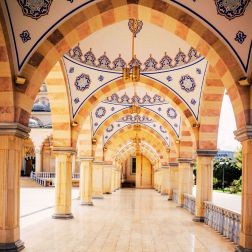
Chechnya
The Chechen Republic is one of the most visually contrasting regions in the North Caucasus: a modern capital, major mosques, mountain roads, high lakes, and fast shifts from city scale to highland silence. For travelers, it offers a route shaped by contrast and surprise
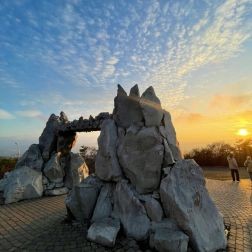
Stavropol Krai
Stavropol Krai works differently fr om the higher mountain republics: it is about rhythm, resort culture, long promenades, mineral springs, and the soft edge wh ere spa towns meet the Caucasus. For travelers, it offers one of southern Russia’s most polished and accessible regional escapes
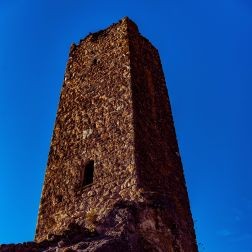
North Ossetia–Alania
North Ossetia–Alania is one of the most complete travel regions in the North Caucasus, combining a charismatic city, famous gorges, strong mountain roads, and places that carry real historical weight. For travelers, it is a route with both scenery and story
Ingushetia
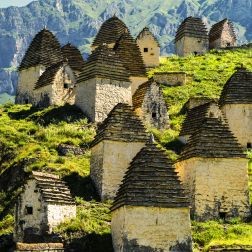
Ingushetia is one of the North Caucasus’ quietest and most distinctive regions, known for mountain tower complexes, narrow valleys, and a remarkable sense of stillness. For travelers, it offers a route built less on spectacle alone and more on atmosphere, history, and mountain memory
Karachay-Cherkess Republic
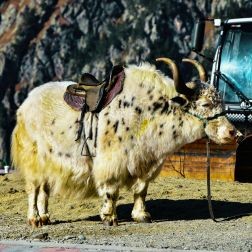
Karachay-Cherkessia is one of the most rewarding mountain regions for travelers who want both scenery and flexibility. With Dombay, Arkhyz, and Teberda in one region, it offers a route that can feel adventurous, restorative, and surprisingly varied within just a few days
Kabardino-Balkaria
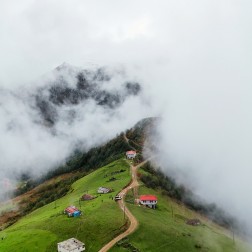
Kabardino-Balkaria is one of the Caucasus regions that instantly delivers scale: snowy summits, narrow gorges, waterfalls, and roads that feel dramatic from the first hour. For travelers, it works as both a classic Elbrus destination and a broader mountain route full of depth and atmosphere
Yamal
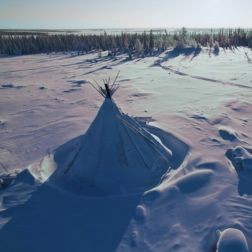
Yamal is Russia’s Arctic Circle story: Salekhard, Nenets reindeer culture, mammoth history, tundra and winter festivals

Komi
Komi is for travelers who want deep northern nature: Syktyvkar, Finno-Ugric culture, virgin forests and Manpupuner