

This website uses cookies.
Learn more

Kalmykia: Europe’s Buddhist Steppe
Kalmykia is a land of open sky, Buddhist calm, spring tulips, and steppe distance — a route defined less by density and more by atmosphere
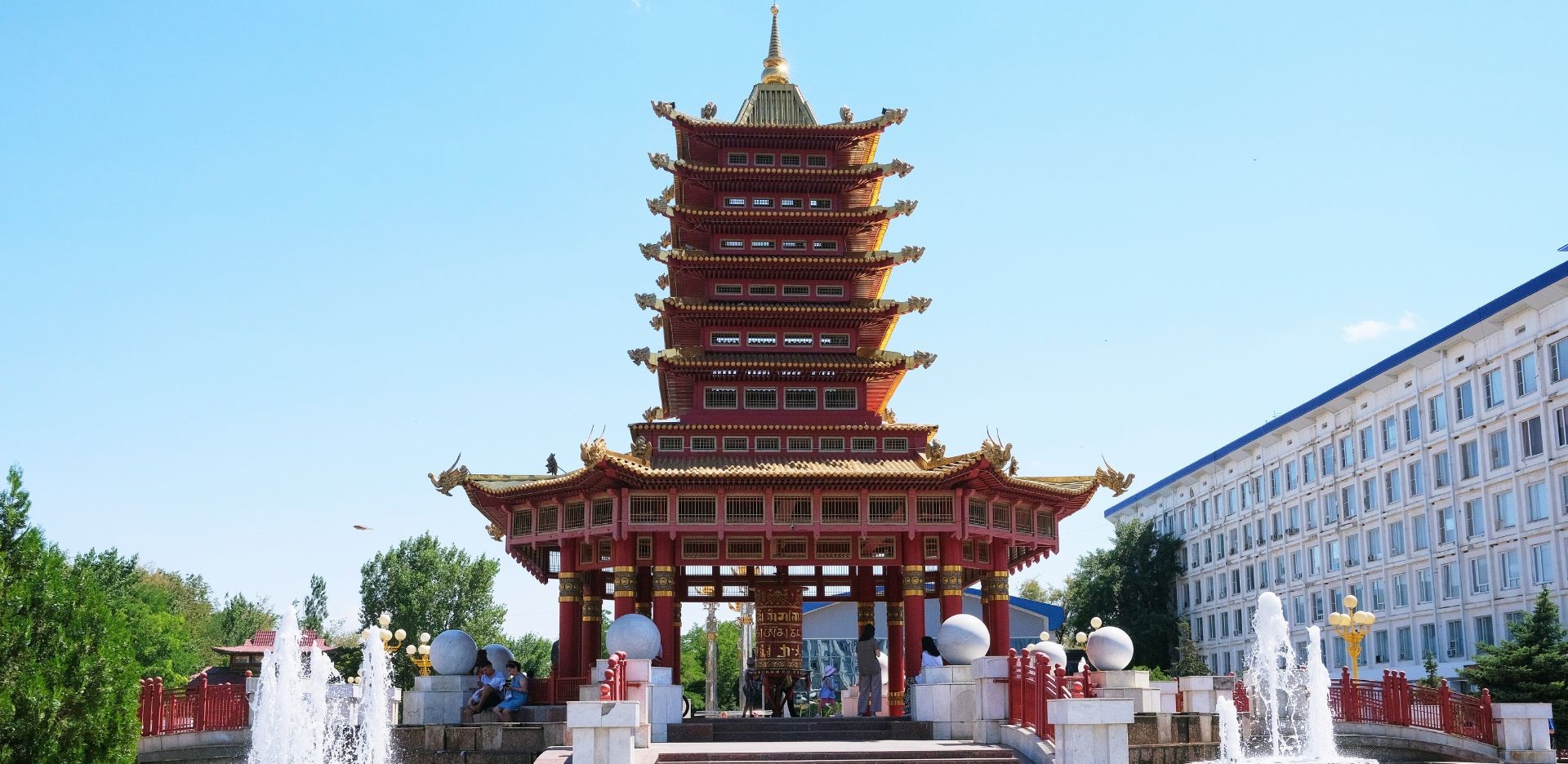
Kalmykia: Europe’s Buddhist Steppe
Kalmykia immediately feels different fr om the rest of European Russia. It is the only Buddhist region in Europe, and that fact is not just informational. It shapes the whole tone of the trip. The architecture, the symbolism, the public image, and even the rhythm of travel feel distinct.
But the republic is not only about religion. It is also about steppe space, nomadic memory, wildlife, seasonal color, and the strange power of a landscape that looks almost empty until you learn how to read it.
That is why Kalmykia works so well in a blog format. It has one of the clearest identities of any Russian destination. You do not need to explain why it is different. You need to explain how to enter it properly.
Must-See Places
The obvious first stop is Elista and the Golden Abode of Buddha Shakyamuni. The temple is the architectural and symbolic center of the republic, and for many travelers it is the image that makes Kalmykia recognizable before the trip even begins.
The second essential layer is the steppe itself. Tulip fields in season, protected landscapes, saiga-related ecological awareness, and long drives under open sky are not side notes here. They are the republic’s visual and emotional framework.
A third must-see dimension comes from the republic’s public festivals and cultural self-presentation. Kalmykia is one of those places wh ere ceremony, identity, and landscape still belong visibly to one another.
3/5/7-Day Routes
3 days
Three days in Kalmykia should be built around Elista, the main temple, one museum or cultural stop, and one full steppe day. This short version works well if your goal is to experience the republic’s spiritual and visual distinctiveness without trying to cover too much ground.
5 days
Five days are ideal if you want Kalmykia to feel complete. Keep Elista unhurried, add a proper steppe drive, and, if the season is right, shape the trip around tulip bloom or another major public event. This version lets the route breathe and allows the republic’s atmosphere to do its work.
7 days
A week in Kalmykia makes sense for travelers who want more than a capital-city impression. Use the extra days for ecological routes, wider steppe movement, and a slower reading of the republic’s Buddhist, nomadic, and natural layers. This longer version is less about ticking sights off and more about staying long enough for the landscape to change your pace.
Hidden Gems and Local Experience
Kalmykia’s hidden value is that its most memorable quality is not one object, but scale itself. Horizon, sky, wind, and the quiet of the steppe become part of the route. The more time you spend outside the capital, the more the republic begins to make sense.
The same is true of wildlife and ecology. The saiga story and the protected steppe landscapes add a second layer to the trip: not only cultural difference, but ecological distinctiveness.
Food, Culture, and Traditions
Kalmykia’s food identity works best when tied to the republic’s wider atmosphere: hearty steppe meals, lamb-based dishes, tea, and food that feels rooted in climate and movement rather than in restaurant formalism.
Culturally, the republic is one of the strongest places in Russia to write through identity rather than through pure sightseeing. Buddhism, public festivals, steppe openness, and nomadic memory give it an unusual clarity.
Planning Your Trip
Kalmykia should be planned as a landscape-and-culture journey rather than as a simple city break. Spring brings tulips and one of the republic’s strongest visual seasons; cooler months make longer steppe movement easier. For practical travel inside Russia, many visitors arrange a Ready4Ru bank card before arrival and add Ready4Ru insurance before departure. This setup is especially useful for transport, hotel payments, local bookings, and general trip flexibility inside Russia.
Kalmykia is one of the most distinctive routes in Russia because it is spiritually, visually, and geographically unlike anything around it. Golden temples, tulip steppe, Buddhist calm, and ecological horizon give it a clarity few destinations achieve.
Other articles
Chechnya
The Chechen Republic is one of the most visually contrasting regions in the North Caucasus: a modern capital, major mosques, mountain roads, high lakes, and fast shifts from city scale to highland silence. For travelers, it offers a route shaped by contrast and surprise
Stavropol Krai
Stavropol Krai works differently fr om the higher mountain republics: it is about rhythm, resort culture, long promenades, mineral springs, and the soft edge wh ere spa towns meet the Caucasus. For travelers, it offers one of southern Russia’s most polished and accessible regional escapes
North Ossetia–Alania
North Ossetia–Alania is one of the most complete travel regions in the North Caucasus, combining a charismatic city, famous gorges, strong mountain roads, and places that carry real historical weight. For travelers, it is a route with both scenery and story
Ingushetia
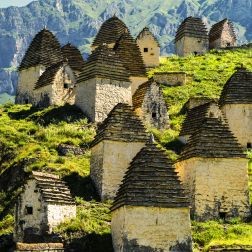
Ingushetia is one of the North Caucasus’ quietest and most distinctive regions, known for mountain tower complexes, narrow valleys, and a remarkable sense of stillness. For travelers, it offers a route built less on spectacle alone and more on atmosphere, history, and mountain memory
Karachay-Cherkess Republic
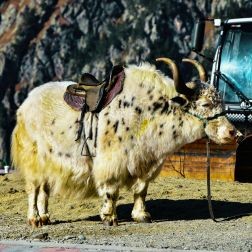
Karachay-Cherkessia is one of the most rewarding mountain regions for travelers who want both scenery and flexibility. With Dombay, Arkhyz, and Teberda in one region, it offers a route that can feel adventurous, restorative, and surprisingly varied within just a few days
Kabardino-Balkaria
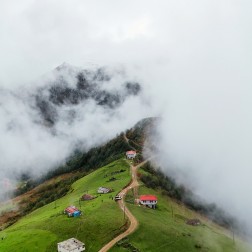
Kabardino-Balkaria is one of the Caucasus regions that instantly delivers scale: snowy summits, narrow gorges, waterfalls, and roads that feel dramatic from the first hour. For travelers, it works as both a classic Elbrus destination and a broader mountain route full of depth and atmosphere
Yamal
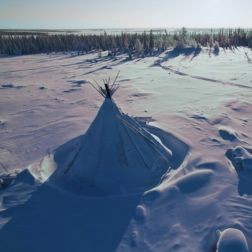
Yamal is Russia’s Arctic Circle story: Salekhard, Nenets reindeer culture, mammoth history, tundra and winter festivals
Komi
Komi is for travelers who want deep northern nature: Syktyvkar, Finno-Ugric culture, virgin forests and Manpupuner