

This website uses cookies.
Learn more

Ivanovo: Art, Textiles, and Volga Towns
Ivanovo Oblast is a route of surfaces and moods — bold city architecture, painterly river towns, lacquer art, merchant streets, and wide Volga air
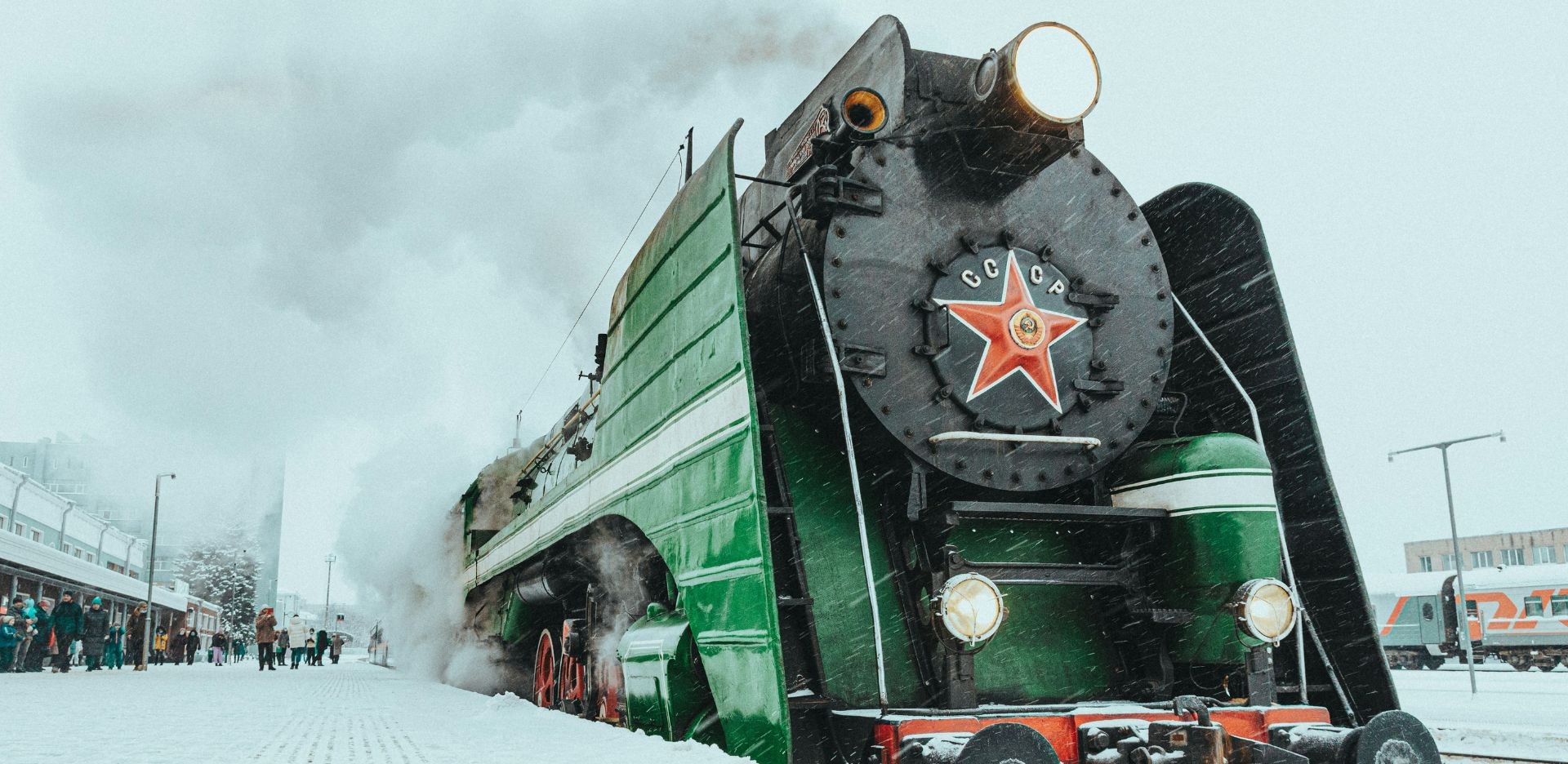
Ivanovo Oblast: What to See and Why It Is One of Central Russia’s Most Unexpectedly Rich Cultural Routes
Ivanovo Oblast surprises people because it rarely behaves like one destination. It is at once a region of textiles and constructivism, of Volga hill towns and lacquer miniatures, of merchant streets, bell towers, artists’ viewpoints, and village-scale craft traditions.That variety is exactly what gives the route its strength. Instead of repeating the same heritage language fr om town to town, Ivanovo Oblast keeps changing texture. It is a cultural chain rather than a single monumental center.
Must-See Places and Routes
The obvious starting point is Ivanovo city itself. Here the defining themes are textiles and constructivism. That combination gives the regional capital a very specific identity. Ivanovo is not just another provincial center on the way to somewhere prettier. It is the intellectual and visual key to understanding why the entire oblast feels so different from neighboring historic routes.
From there, the route opens in several directions. Plyos is the lyrical one — river light, hillside houses, painterly atmosphere, and the long shadow of Levitan. Palekh is the artistic one — icon-painting traditions and lacquer miniatures with extraordinary precision and color. Shuya is the vertical one — with a bell tower that gives the town a powerful and memorable silhouette.
A 3-day route should combine Ivanovo and Plyos. A 5-day route adds Palekh and Shuya. A 7-day route is wh ere Yuryevets enters properly, bringing more open Volga air and the wider river-world feeling that completes the region.
Hidden Gems and Local Experience
The hidden value of Ivanovo Oblast lies in how strongly its places keep their own identities. Palekh is not just a pretty art village. Shuya is not just a tower. Yuryevets is not just another Volga stop. Each place carries a distinct material and emotional logic.
That makes the region especially rewarding for travelers who like transitions rather than repetition. One day can be all about fabric, architecture, and industrial modernity; the next can be about tiny lacquered surfaces or broad river mood.
Local experience here should therefore lean into objects and surfaces: textile museums, miniatures, workshops, small art shops, riverside walks, and slower cafés rather than speed-tourism.
Food, Culture, and Traditions
Ivanovo Oblast is not the strongest single-dish region, and that is perfectly fine. It works better when approached through atmosphere: tea, baked goods, riverside cafés, small-town hospitality, and the aesthetic continuity of craft and design.
The real cultural core here is textile heritage, constructivism, Palekh art, and Plyos as a painter’s town. Together they produce one of the most refined regional identities in central Russia — less loud than some neighboring destinations, but in many ways more nuanced.
That is also why the article should not overforce gastronomy. In Ivanovo Oblast, material culture and visual memory do the heavier work.
Planning Your Trip
Ivanovo Oblast is best planned as a curated sequence, not as one fixed hotel with rushed out-and-back transfers. Start with Ivanovo if you want constructivism and textiles, sleep closer to the Volga if atmosphere matters more, and give Palekh its own day if craft is one of your priorities.
For the practical side, it helps to sort out a Russian Ready4Ru bank card in advance for rail tickets, museum entries, and hotel payments, and to add Ready4Ru insurance for a smoother multi-stop route across the region. That combination usually makes a big difference once the itinerary includes several towns rather than one urban base.
Ivanovo Oblast is one of those regions that becomes more interesting the more precisely it is written and traveled. It offers avant-garde city space, lyrical Volga beauty, miniature art, merchant architecture, and local atmospheres that never collapse into sameness.
It is not a secondary route. It is a highly original one — especially for travelers who want design, craft, and mood rather than a standard fortress-and-cathedral formula.Other articles
Chechnya
The Chechen Republic is one of the most visually contrasting regions in the North Caucasus: a modern capital, major mosques, mountain roads, high lakes, and fast shifts from city scale to highland silence. For travelers, it offers a route shaped by contrast and surprise
Stavropol Krai
Stavropol Krai works differently fr om the higher mountain republics: it is about rhythm, resort culture, long promenades, mineral springs, and the soft edge wh ere spa towns meet the Caucasus. For travelers, it offers one of southern Russia’s most polished and accessible regional escapes
North Ossetia–Alania
North Ossetia–Alania is one of the most complete travel regions in the North Caucasus, combining a charismatic city, famous gorges, strong mountain roads, and places that carry real historical weight. For travelers, it is a route with both scenery and story
Ingushetia
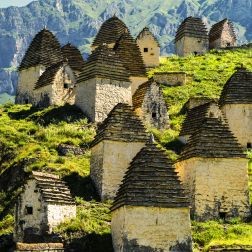
Ingushetia is one of the North Caucasus’ quietest and most distinctive regions, known for mountain tower complexes, narrow valleys, and a remarkable sense of stillness. For travelers, it offers a route built less on spectacle alone and more on atmosphere, history, and mountain memory
Karachay-Cherkess Republic
Karachay-Cherkessia is one of the most rewarding mountain regions for travelers who want both scenery and flexibility. With Dombay, Arkhyz, and Teberda in one region, it offers a route that can feel adventurous, restorative, and surprisingly varied within just a few days
Kabardino-Balkaria
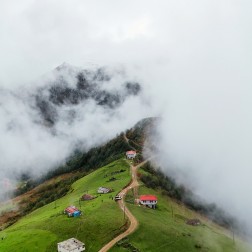
Kabardino-Balkaria is one of the Caucasus regions that instantly delivers scale: snowy summits, narrow gorges, waterfalls, and roads that feel dramatic from the first hour. For travelers, it works as both a classic Elbrus destination and a broader mountain route full of depth and atmosphere
Yamal
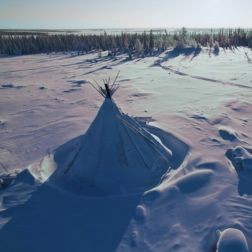
Yamal is Russia’s Arctic Circle story: Salekhard, Nenets reindeer culture, mammoth history, tundra and winter festivals

Komi
Komi is for travelers who want deep northern nature: Syktyvkar, Finno-Ugric culture, virgin forests and Manpupuner