

This website uses cookies.
Learn more

Irkutsk: The Cultural Gateway to Baikal
Irkutsk is the city that turns a Baikal trip into a story: wooden houses, exile history, river walks and Siberian urban character
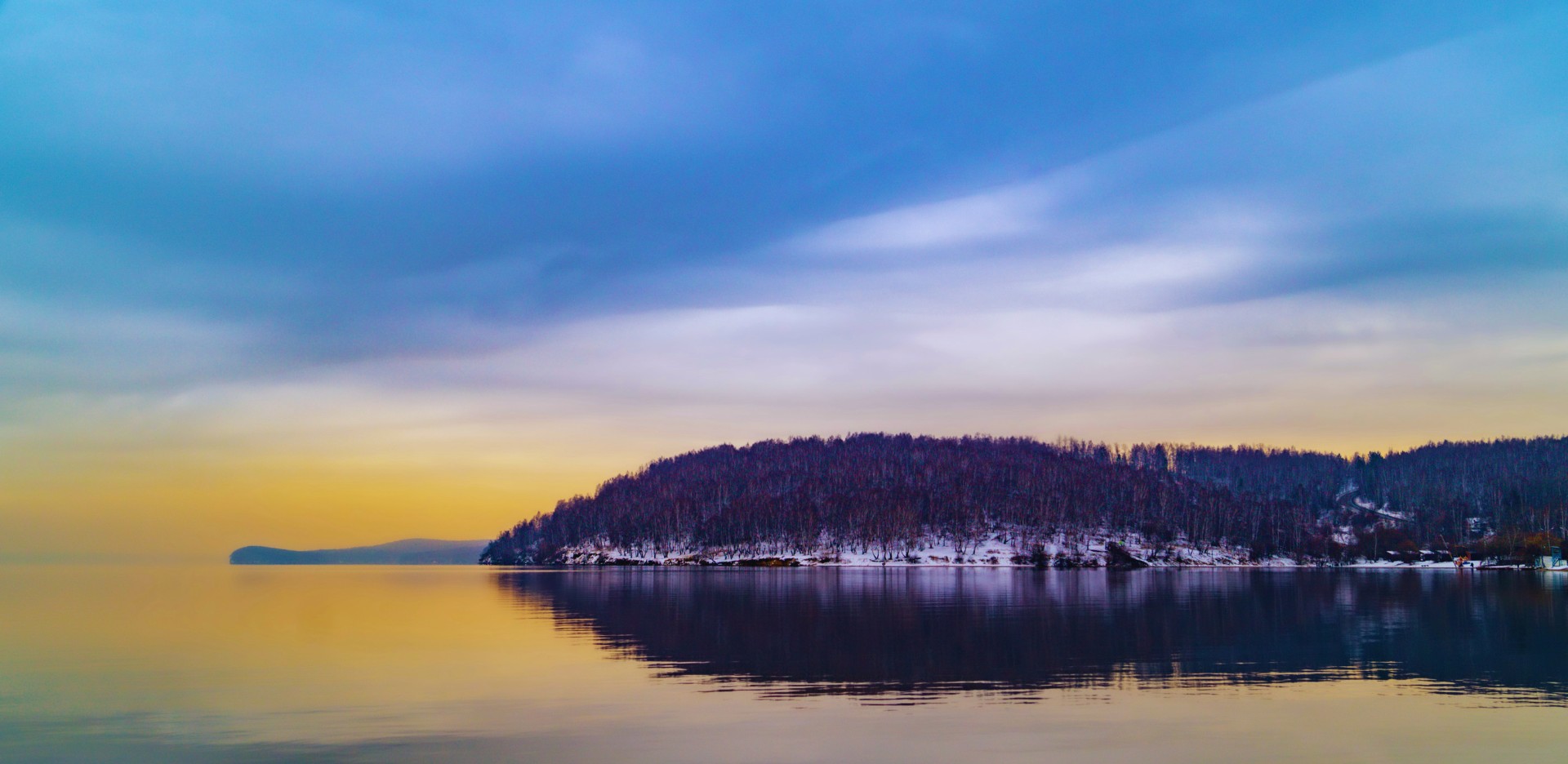
Irkutsk: The Cultural Gateway to Baikal
Irkutsk is often introduced as the gateway to Lake Baikal, but it should not be reduced to a transfer city. It is one of Siberia’s most atmospheric urban destinations, with wooden architecture, Decembrist history, lively cafes, university energy and the Angara River holding the city together. For international visitors, Irkutsk works beautifully as a two-layer destination: first as a cultural city, then as the practical base for Baikal. Spending at least one full day here before leaving for the lake helps travelers understand the region and recover fr om long flights or train journeys.
Inspiration & Must-See Places
The most visible starting point is 130 Kvartal, also known as Irkutskaya Sloboda. It is a restored pedestrian area of wooden-style buildings with cafes, restaurants, museums and souvenir shops. It may be more polished than the city’s older streets, but it is useful for first-time visitors because it concentrates atmosphere in an easy walk. Fr om there, continue toward the historic center: churches, old merchant houses, squares and the Angara embankment. Irkutsk’s wooden architecture is best appreciated slowly. Look for carved window frames, decorated facades and houses that still feel lived-in rather than museum-like. The Decembrist museums add depth. The story of noble exiles who were sent to Siberia after the failed uprising in the 19th century gives Irkutsk a cultural layer that surprises many visitors. Taltsy Museum, located outside the city on the road toward Baikal, is one of the best additions to an Irkutsk route. It gathers wooden architecture, rural buildings and ethnographic exhibits in an open-air setting, making Siberian history easier to visualize. For Baikal planning, Irkutsk is also the hub for Listvyanka, Olkhon Island and the Circum-Baikal Railway.
Hidden Gems & Local Experience
The most pleasant Irkutsk experience is not to chase every monument, but to build a day around texture. Start with coffee in a wooden-house district, walk along streets wh ere old and new buildings stand side by side, visit a museum, then end the day near the Angara River. Local markets and small bakeries are good places to feel ordinary city life. If you have more time, take a tram or taxi beyond the postcard center and notice how Siberian urban space works: wide roads, sudden wooden details, apartment blocks, courtyards and unexpectedly elegant churches. Irkutsk is also a good place to arrange guides, transfers and last-minute clothing before Baikal. That practical role is part of its travel personality.
Culture, Food & Traditions
Irkutsk cuisine reflects Siberian practicality and Baikal proximity. Travelers will see fish dishes, dumplings, soups, berry desserts, pine-nut flavors and hearty breakfasts designed for cold weather. The city has enough restaurants to make it comfortable for foreign guests, especially around 130 Kvartal, but smaller local places often feel more authentic. Cultural life includes theaters, museums, university events and exhibitions. The most important tradition for a visitor is respect for Siberian distance: people plan around weather, roads and time differently here. A route that looks simple on a city map may become a half-day decision once Baikal logistics are involved.
3/5/7-day routes
- 3 days: Day 1 — walk 130 Kvartal, the historic center and Angara embankment; add the Decembrist museum. Day 2 — take a Taltsy and Listvyanka day trip, visiting the Baikal Museum and shoreline. Day 3 — choose the Circum-Baikal Railway segment or a slower Irkutsk museum and cafe day before departure.
- 5 days: add Olkhon Island with transfers, one full day of island viewpoints and one return day. Keep Irkutsk as the arrival and recovery base.
- 7 days: combine Irkutsk, Listvyanka, Taltsy, Olkhon and one flexible day for weather or a deeper city experience. In winter, use the extra day for safe ice-route planning rather than trying to compress the itinerary.
Best Season and Travel Angle
Irkutsk can be visited year-round, but the city changes mood with Baikal. In summer, it becomes the comfortable urban base for lake routes, boat days and village excursions. In winter, it is the warm interior before and after ice adventures, with museums, restaurants and city walks giving structure to the journey. Spring and autumn are useful for travelers who prefer fewer people and more city culture. For the Ready4Ru blog, Irkutsk should be presented as a practical emotional gateway: it is wh ere travelers organize transfers, buy warm clothes, solve payment questions, meet guides and start to understand why Baikal is not only a natural object but a whole regional world. This makes the city valuable even for people whose main dream is the lake.
Who This Route Is Best For
Irkutsk is best for first-time Baikal travelers, culture lovers, rail travelers and anyone who wants Siberian history before nature. It works for both budget and premium routes because the city has guesthouses, hotels, guides, cafes and transport options. In the CMS, Irkutsk should be linked with Baikal, Buryatia and Tomsk, forming a wider Siberian culture-and-nature cluster.
Planning Your Trip: Logistics, Money & Safety
Irkutsk has air and rail connections and is one of the most practical bases in Siberia for international travelers. Book Baikal transfers in advance, especially in high season and winter. Keep one buffer day if your trip depends on island ferries, ice roads or long drives. For payments, Irkutsk itself is easier than rural Baikal, but once you leave the city domestic payment access becomes much more important. Ready4Ru’s bank card can help travelers pay for Russian hotels, transport and local services, while insurance should be arranged before the trip because Baikal routes include outdoor activity, long transfers and seasonal risk. Bring layers, offline maps and a calm attitude toward changing schedules.
Irkutsk gives Baikal a human frame. Without the city, the lake can feel like a remote natural monument; with Irkutsk, the journey becomes a story of merchants, exiles, wooden streets, river views and Siberian resilience. This makes it one of the most useful and atmospheric city articles in the Ready4Ru travel series.
Other articles
Chechnya
The Chechen Republic is one of the most visually contrasting regions in the North Caucasus: a modern capital, major mosques, mountain roads, high lakes, and fast shifts from city scale to highland silence. For travelers, it offers a route shaped by contrast and surprise
Stavropol Krai
Stavropol Krai works differently fr om the higher mountain republics: it is about rhythm, resort culture, long promenades, mineral springs, and the soft edge wh ere spa towns meet the Caucasus. For travelers, it offers one of southern Russia’s most polished and accessible regional escapes
North Ossetia–Alania
North Ossetia–Alania is one of the most complete travel regions in the North Caucasus, combining a charismatic city, famous gorges, strong mountain roads, and places that carry real historical weight. For travelers, it is a route with both scenery and story
Ingushetia
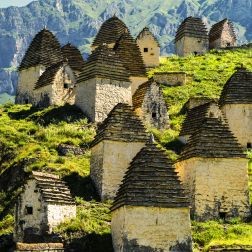
Ingushetia is one of the North Caucasus’ quietest and most distinctive regions, known for mountain tower complexes, narrow valleys, and a remarkable sense of stillness. For travelers, it offers a route built less on spectacle alone and more on atmosphere, history, and mountain memory
Karachay-Cherkess Republic
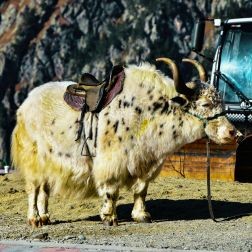
Karachay-Cherkessia is one of the most rewarding mountain regions for travelers who want both scenery and flexibility. With Dombay, Arkhyz, and Teberda in one region, it offers a route that can feel adventurous, restorative, and surprisingly varied within just a few days
Kabardino-Balkaria
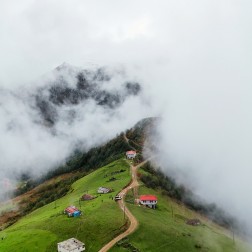
Kabardino-Balkaria is one of the Caucasus regions that instantly delivers scale: snowy summits, narrow gorges, waterfalls, and roads that feel dramatic from the first hour. For travelers, it works as both a classic Elbrus destination and a broader mountain route full of depth and atmosphere
Yamal
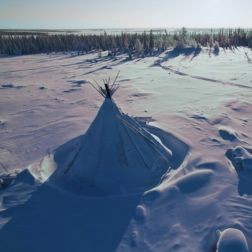
Yamal is Russia’s Arctic Circle story: Salekhard, Nenets reindeer culture, mammoth history, tundra and winter festivals

Komi
Komi is for travelers who want deep northern nature: Syktyvkar, Finno-Ugric culture, virgin forests and Manpupuner