

This website uses cookies.
Learn more

Dagestan: Mountains and Fortresses
Dagestan is one of Russia’s most dramatic destinations, where mountain landscapes, ancient villages, and remote roads create a journey full of scale and atmosphere. For travelers, it offers a powerful and unforgettable side of the Caucasus
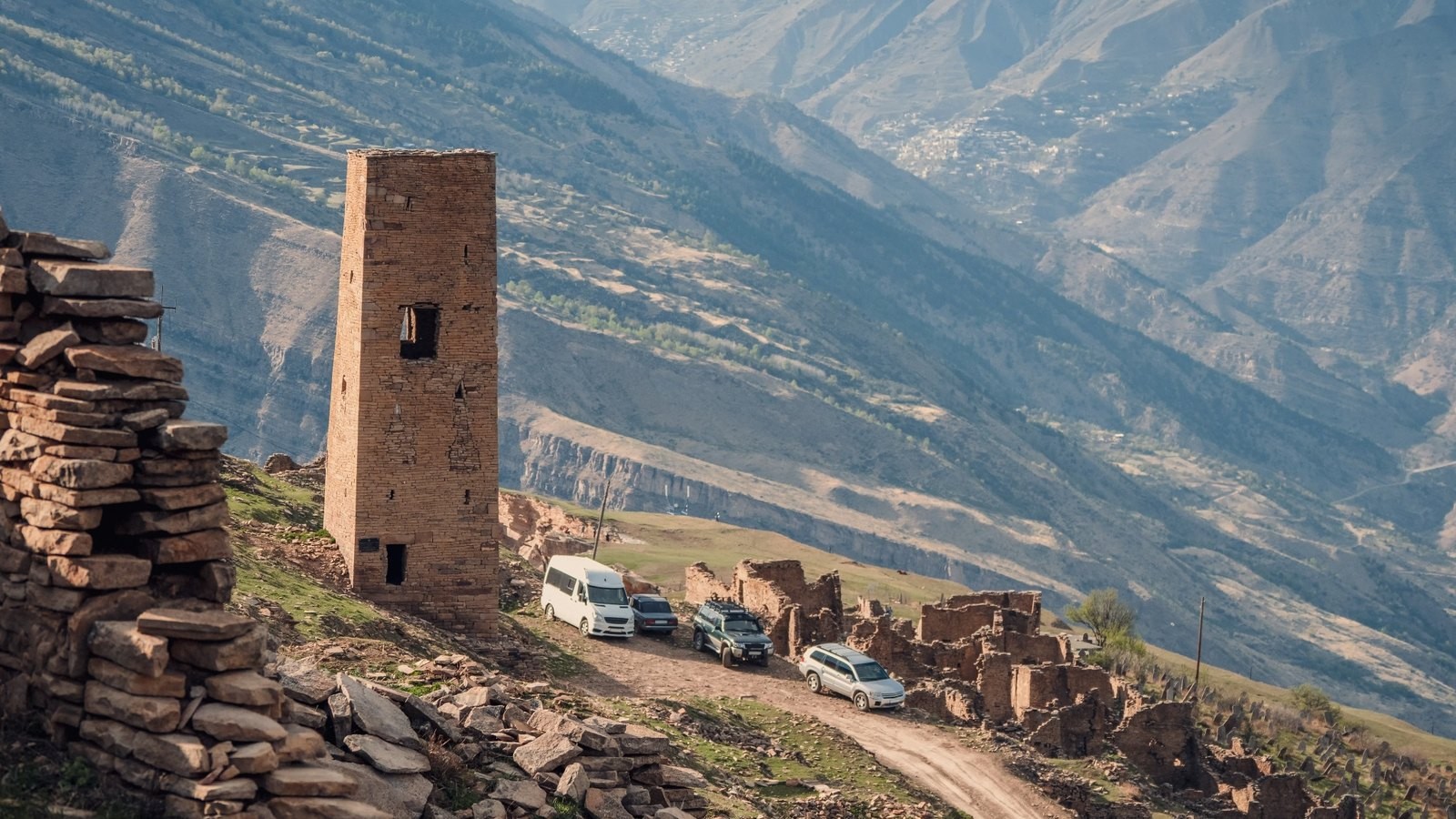
Dagestan is one of those places that changes the scale of a trip. In a single region, you move fr om the Caspian coast to mountain plateaus, fr om fortress walls older than most Russian cities to dramatic canyon roads and almost desert-like dunes. It does not feel like one destination in the usual sense. It feels like several landscapes and several histories compressed into one journey.
The strongest first impression is contrast. Dagestan gives you turquoise water and dry stone, medieval streets and modern mosques, mountain silence and loud southern markets. Official travel routes for the region build exactly on that rhythm: Makhachkala and the Caspian coast, Sulak Canyon, Gunib and the mountain districts, then Derbent with its citadel and old quarters.
That is what makes Dagestan so compelling for a Ready4Ru travel article. It is not a one-sight destination. It is a region for travelers who want scenery, culture, road-trip energy, and a sense of discovering a different side of Russia all at once.
Must-see places in Dagestan
Sulak Canyon
Sulak Canyon is the visual shock that anchors the whole region. The official “Legends of Dagestan” route describes it as one of the republic’s grand natural wonders, with cliffs rising above the turquoise Sulak River and a landscape shaped over centuries by water cutting through stone. It is the kind of place that immediately explains why Dagestan has become one of Russia’s most photogenic road-trip regions.
Derbent and Naryn-Kala
Derbent gives Dagestan historical depth. UNESCO describes the citadel, ancient city, and fortress buildings of Derbent as a strategic defensive complex on the Caspian passage, with parallel walls stretching from the sea toward the mountains. In travel terms, that means you do not just visit a fortress here: you enter one of the oldest continuously inhabited urban landscapes in Russia.
The Old City and Juma Mosque
The old magals of Derbent are best explored on foot, slowly. The lanes descend from the citadel toward the sea, and the city still carries the structure of a medieval eastern settlement. Local travel resources highlight the Juma Mosque at the heart of the old quarters and present it as the oldest mosque in Russia. Together, the fortress and the old city make Derbent feel less like an excursion stop and more like the cultural soul of the entire region.
Makhachkala and Tarki-Tau
Makhachkala is not only the gateway to Dagestan but also the right place to feel the Caspian rhythm of the republic. The official regional route starts here with the Tarki-Tau observation deck, a panoramic point above the city, and pairs it with museums, folk-art spaces, and the large central Juma Mosque. For first-time visitors, this is the easiest way to see that Dagestan is not only mountains: it is also sea air, urban energy, and living cultural institutions.
Gunib and Irganay Reservoir
For travelers who want mountain Dagestan rather than only postcard highlights, Gunib and the road through the Irganay Reservoir area are essential. The official route describes Irganay as one of the region’s natural gems and presents Verkhny Gunib as a place of panoramic views, fortress remains, and layered mountain ecosystems. This is the part of the journey wh ere the republic starts feeling spacious, elevated, and almost cinematic.
Sarykum Dune
Sarykum adds one more contrast that visitors rarely expect in the Caucasus: a dune landscape near the mountains and the Caspian lowlands. Even without overcomplicating the science, the effect is unforgettable. The golden sand, open horizon, and unusual desert atmosphere make it one of the best places to show just how visually diverse Dagestan can be within a short driving distance.
Hidden gems and local experience
Craft traditions beyond the viewpoints
Dagestan becomes richer when you move beyond scenery and pay attention to craftsmanship. The official route includes the Center of Folk Arts and Crafts in Makhachkala and a workshop in Shamilkala wh ere visitors can learn about traditional metal inlay on wood. That matters because Dagestan is not only a nature destination. It is also a region of strong artisan identity, fr om carpets and pottery to silver and carved wood.
A slower Derbent evening
Derbent is best experienced twice: once in daylight for the citadel and the old quarters, and again in the evening when the city softens. A slower walk through the lower streets, the pedestrian areas, or the park around the light-and-music fountain gives the trip a different tone. After the fortress walls and steep lanes, Derbent suddenly feels open, southern, and relaxed.
Dagestani food, markets, and hospitality
One of the strongest local experiences is the table itself. Official travel materials highlight the Upper Bazaar in Derbent as a vivid market full of fruits, cheeses, spices, bread, meat, fish, and textiles. That market atmosphere reflects the wider travel mood of Dagestan: generous, direct, flavorful, and deeply tied to local hospitality. This is a destination wh ere food should never be treated as a minor detail.
Logical itineraries for 3, 5, and 7 days
Dagestan in 3 days
- Day 1: Makhachkala, Tarki-Tau viewpoint, central mosque, and a first Caspian evening.
- Day 2: Sulak Canyon and nearby viewpoints, with time for a scenic mountain road.
- Day 3: Derbent, Naryn-Kala, the old magals, and dinner near the Caspian.
This version is the strongest short introduction because it combines the coast, the canyon, and the ancient city without trying to overreach.
Dagestan in 5 days
- Days 1–3: follow the core route above.
- Day 4: Gunib and the Irganay Reservoir area for mountain landscapes and a deeper regional feel.
- Day 5: Sarykum plus a craft-focused stop or extra time in Derbent.
With five days, Dagestan becomes more than a highlights trip. You begin to feel the region’s real rhythm: mountain roads, historic layers, market life, and long changing views.
Dagestan in 7 days
- Days 1–5: combine the coast, canyon, Derbent, Gunib, and Sarykum.
- Day 6: add mountain villages, a longer craft route, or a relaxed return through the interior districts.
- Day 7: keep a flexible final day for Derbent by the sea, museums in Makhachkala, or another slow scenic drive.
A full week lets Dagestan open properly. The region stops feeling like a checklist of famous viewpoints and starts feeling like a complete journey through radically different landscapes and traditions.
Practical value for Ready4Ru readers
Planning a trip to Dagestan means preparing logistics and payments in advance. Ready4Ru bank card for travel in Russia helps foreign visitors pay for transport, hot l bookings, and everyday expenses after arrival. For routes that involve long drives, active excursions, and multiple stops, Ready4Ru travel insurance for Russia is the practical second link to place inside the article.
Dagestan stays in memory because it refuses to be reduced to one image. It is canyon depth and fortress stone, sea horizon and mountain air, old streets and living crafts, road dust and long dinners. Few regions in Russia offer so much contrast in such a compact journey.
That is exactly why Dagestan works so well for the Ready4Ru blog. It gives readers not only beautiful landmarks but also a feeling of movement, cultural density, and discovery — the kind of destination that turns practical travel planning into real anticipation.
Other articles
Chechnya
The Chechen Republic is one of the most visually contrasting regions in the North Caucasus: a modern capital, major mosques, mountain roads, high lakes, and fast shifts from city scale to highland silence. For travelers, it offers a route shaped by contrast and surprise
Stavropol Krai
Stavropol Krai works differently fr om the higher mountain republics: it is about rhythm, resort culture, long promenades, mineral springs, and the soft edge wh ere spa towns meet the Caucasus. For travelers, it offers one of southern Russia’s most polished and accessible regional escapes
North Ossetia–Alania
North Ossetia–Alania is one of the most complete travel regions in the North Caucasus, combining a charismatic city, famous gorges, strong mountain roads, and places that carry real historical weight. For travelers, it is a route with both scenery and story
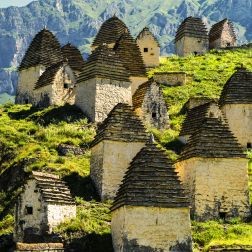
Ingushetia
Ingushetia is one of the North Caucasus’ quietest and most distinctive regions, known for mountain tower complexes, narrow valleys, and a remarkable sense of stillness. For travelers, it offers a route built less on spectacle alone and more on atmosphere, history, and mountain memory
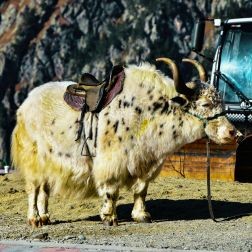
Karachay-Cherkess Republic
Karachay-Cherkessia is one of the most rewarding mountain regions for travelers who want both scenery and flexibility. With Dombay, Arkhyz, and Teberda in one region, it offers a route that can feel adventurous, restorative, and surprisingly varied within just a few days
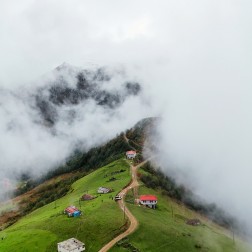
Kabardino-Balkaria
Kabardino-Balkaria is one of the Caucasus regions that instantly delivers scale: snowy summits, narrow gorges, waterfalls, and roads that feel dramatic from the first hour. For travelers, it works as both a classic Elbrus destination and a broader mountain route full of depth and atmosphere
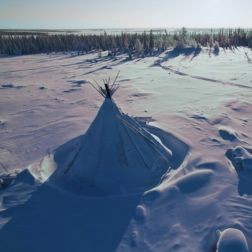
Yamal
Yamal is Russia’s Arctic Circle story: Salekhard, Nenets reindeer culture, mammoth history, tundra and winter festivals

Komi
Komi is for travelers who want deep northern nature: Syktyvkar, Finno-Ugric culture, virgin forests and Manpupuner